What an Idler Quotation Really Covers
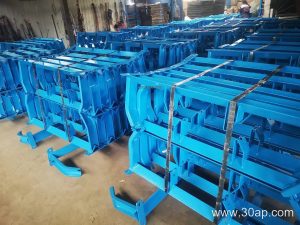
An idler quotation is more than a price list. It defines the carrying and return idlers that keep a conveyor belt running true, the roller dimensions that match the belt width and trough angle, and the bearing and seal choices that suit the site conditions. Whether you are specifying for a quarry, a coal preparation plant, or a cement kiln feed line, the quotation should tie each idler assembly to a specific duty. A well-prepared idler quotation also names the conveyor pulley and conveyor bracket interfaces, so the rollers fit the frame without modification.
For example, a quotation for a 1200 mm wide conveyor belt in an iron ore mine will not use the same roller length or bearing class as a 650 mm belt on a sand and gravel line. The idler quotation must reflect those differences clearly.
How Idlers Are Built and Why It Matters to the Quote
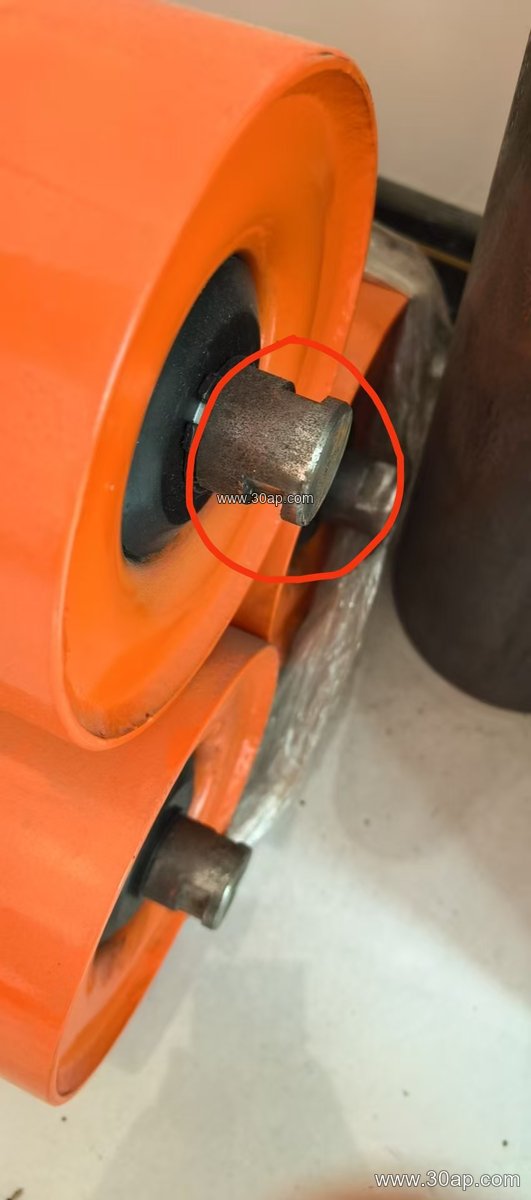
Most idlers consist of a steel tube shell, a shaft, bearing housings, and a sealing arrangement. The shell may be plain steel, nylon-coated, ceramic-lined, or fitted with rubber rings for impact zones. Bearings are commonly 6204, 6205, 6305, 6306, 6308, or 6310, but the correct bearing for a given roller depends on load, speed, and environment, not on roller diameter alone. A quotation that lists only a bearing number without the roller diameter and wall thickness is incomplete.
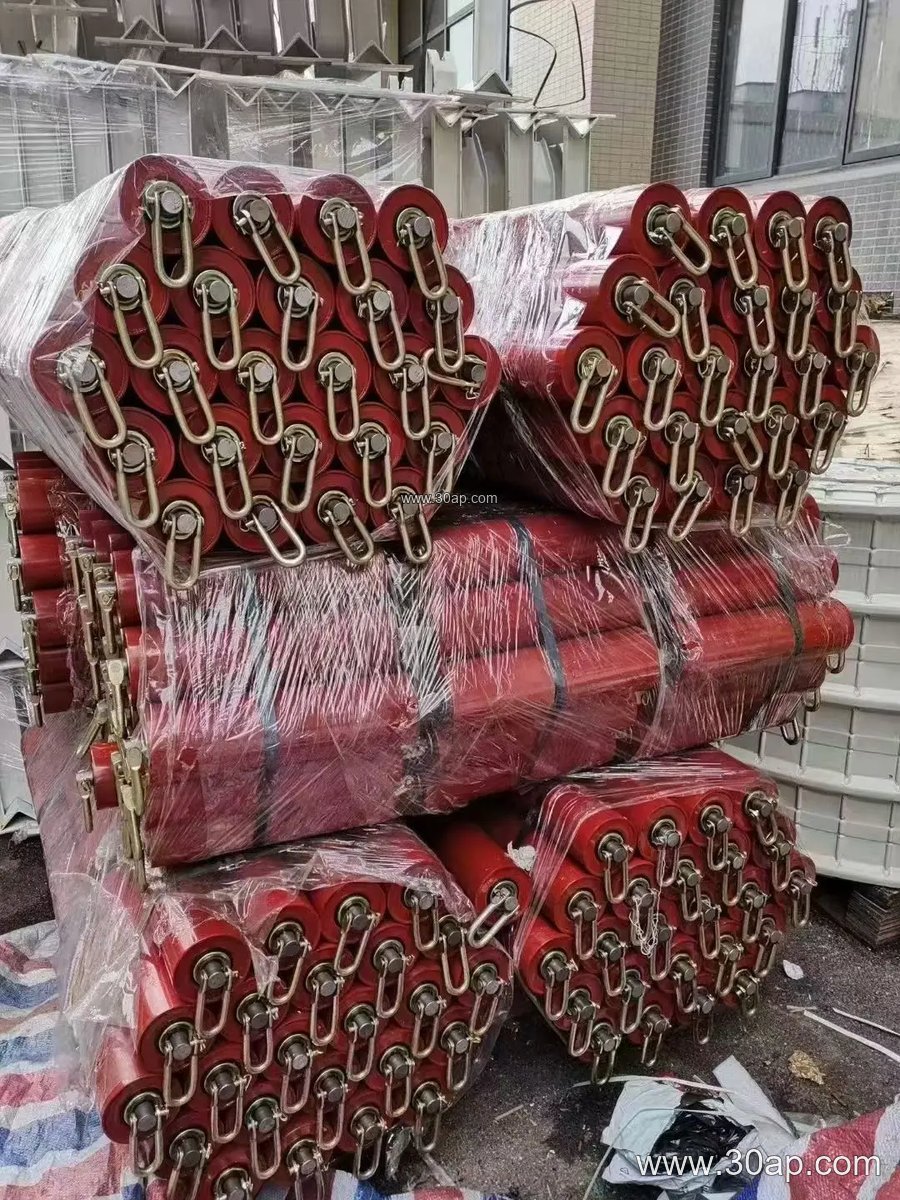
Sealing is another point to confirm. In a coal mining conveyor system, dust and moisture demand a robust labyrinth seal. In a food or chemical plant, the seal material may need to be compatible with washdown or corrosive exposure. The idler quotation should state the seal type and the roller surface form so the buyer knows what is being supplied.
Matching Idler Types to Conveyor Sections
Different sections of a conveyor need different idler arrangements. The quotation should distinguish them rather than lumping everything under a single line item.
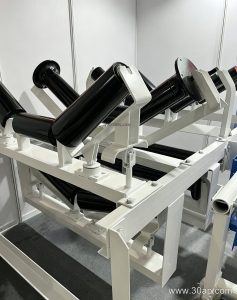
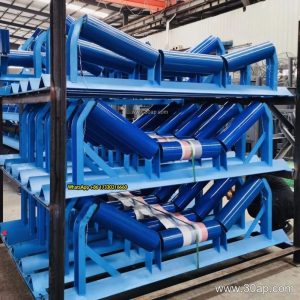
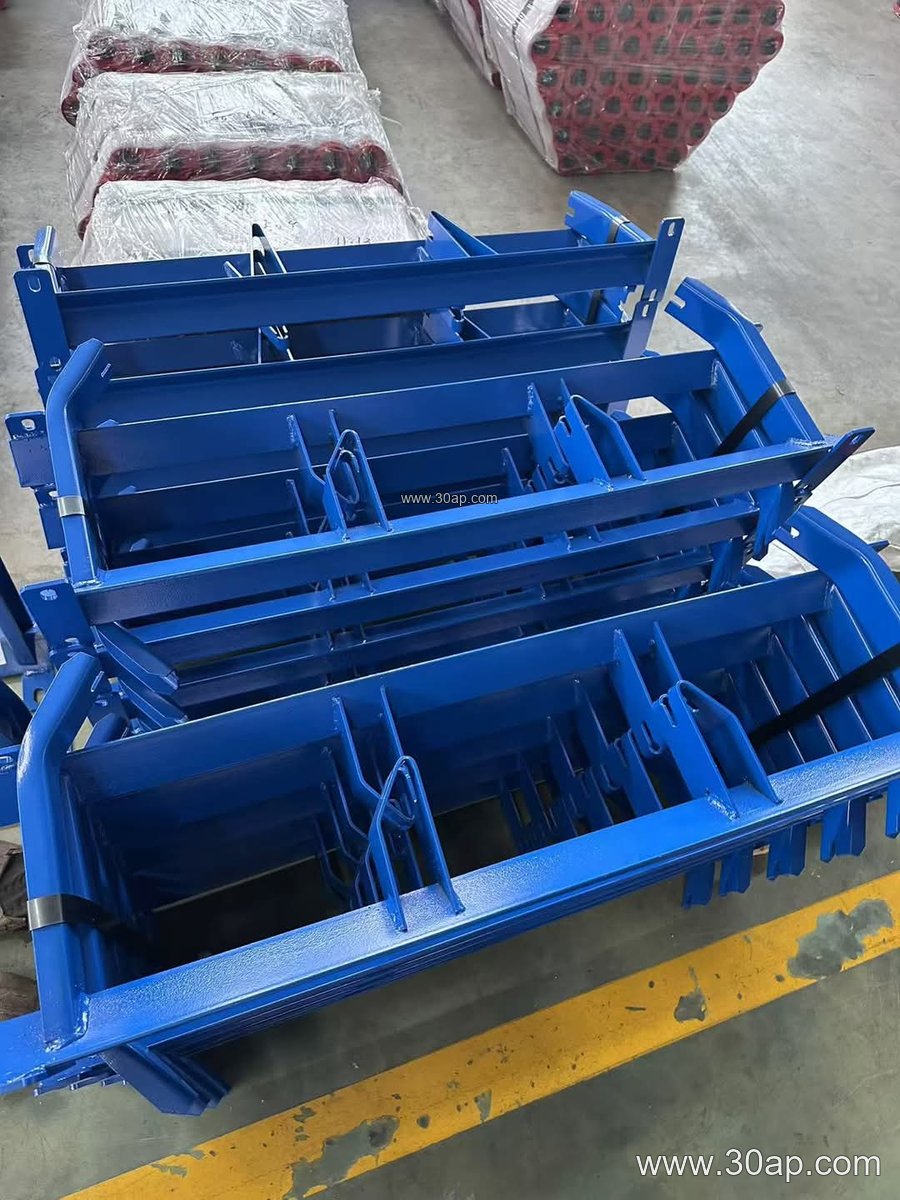
- Troughing idlers carry the loaded belt. Three-roll troughing sets with 20, 30, 35, or 45 degree trough angles are common. The roller length changes with belt width and trough angle; for instance, a three-roll set on a B800 belt often uses rollers around 315 mm long, while a B1400 belt may use rollers near 530 mm. These are typical examples, not fixed rules.
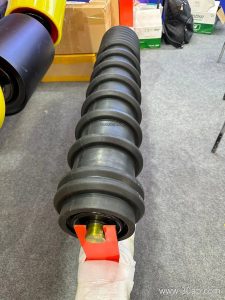
- Impact idlers with rubber rings are placed at transfer points below a crusher or screen, where a heavy-duty mining conveyor belt drops ore.
- Return idlers support the empty belt. Flat return idlers and V-return idlers are both common; the V-form helps with belt training on longer spans.
- Training idlers include friction and tapered designs that correct belt misalignment. They are not a substitute for proper pulley alignment, but they help in troublesome sections.
- Transition idlers ease the belt from the flat pulley into the trough. Their angle and spacing should be specified in the quotation.
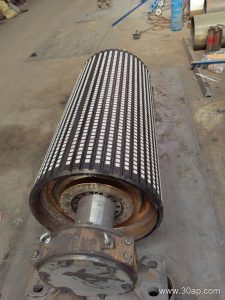
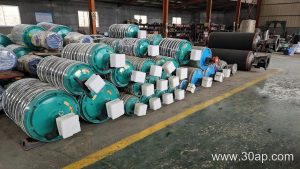
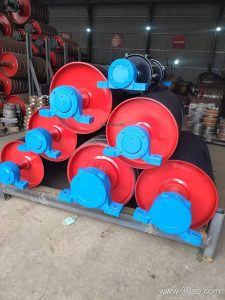
Drive pulleys, tail pulleys, and bend pulleys are separate components and are not interchangeable with idlers. A quotation that mixes them without clear labels creates confusion during installation.
Roller Diameter, Belt Width, and Shaft Sizing
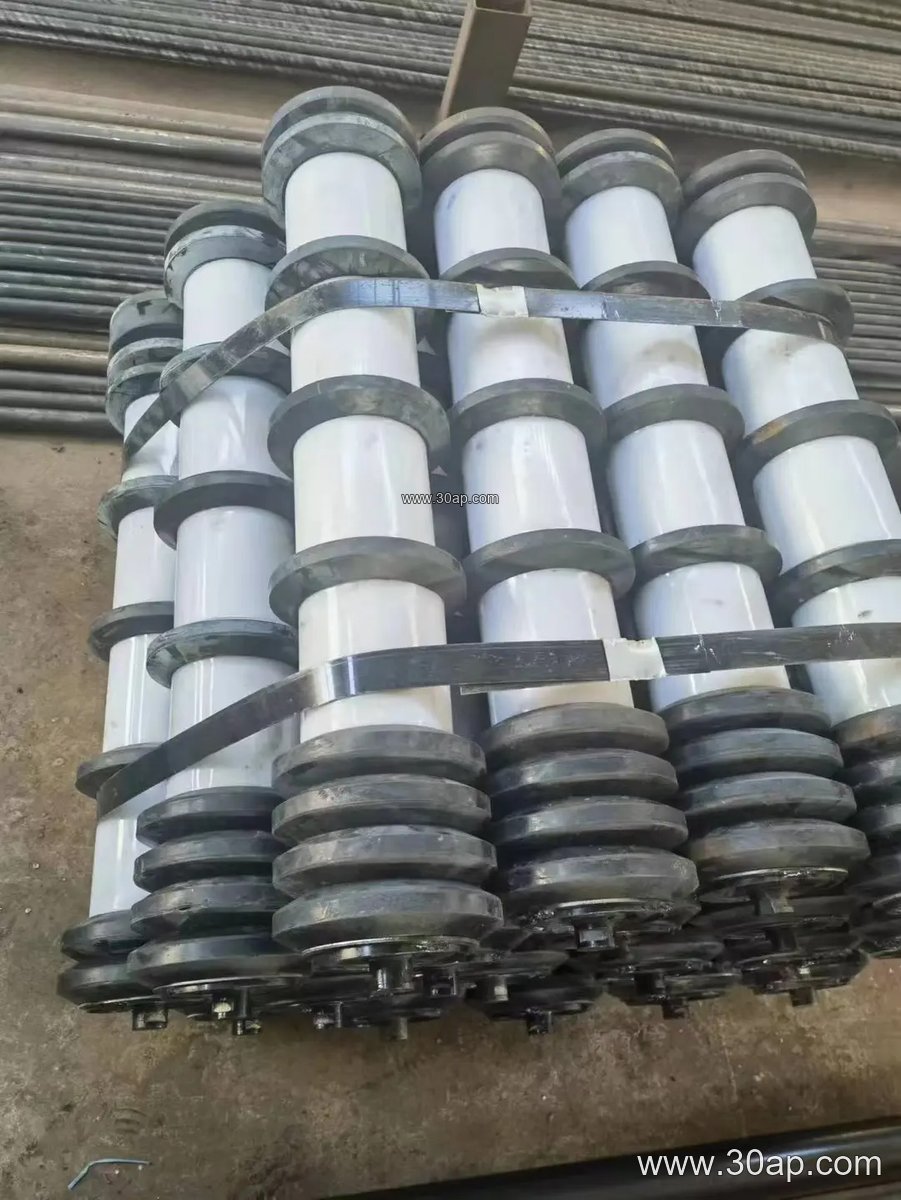
Roller diameter is usually selected from a range such as Ø63, Ø76, Ø89, Ø102, Ø108, Ø127, Ø133, Ø159, Ø178, Ø194, or Ø219 mm. Larger diameters suit higher belt speeds and heavier loads, but the shaft diameter is not determined by belt width alone. The idler quotation should list shaft diameter, bearing size, and shell thickness as separate items. A common mistake is to assume that a 1000 mm belt always needs a particular shaft size; in practice, the load rating and idler spacing drive that decision.
Reference dimensions for quotation review
The following table shows typical roller lengths for three-roll troughing sets. Side rollers and center rollers may differ, and final values are set by design.
| Belt width | Typical roller length (three-roll trough) |
|---|---|
| B500 | about 200 mm |
| B650 | about 250 mm |
| B800 | about 315 mm |
| B1000 | about 380 mm |
| B1200 | about 465 mm |
| B1400 | about 530 mm |
| B1600 | about 600 mm |
| B1800 | about 670 mm |
| B2000 | about 750 mm |
These figures are common examples. A quotation should confirm the actual roller length, including the shaft end configuration, before the order is placed.
Site Conditions That Shape the Quotation
An idler quotation for a power plant coal handling system may need flame retardant and anti-static properties in the belt, but the idlers themselves must resist coal dust and occasional washdown. In a limestone quarry, abrasion is the main concern, and the belt may be an abrasion resistant conveyor belt while the idlers use thick-walled steel tubes. In a fertilizer plant, chemical resistance and sealing quality matter more than raw load capacity.
Two site examples are enough to show the point: a copper ore conveyor in a dry, dusty climate and a port conveyor handling bulk material in a humid coastal environment will have different seal and coating requirements. The idler quotation should reflect those differences in the roller surface and bearing protection.
What a Buyer Should Check Before Approving an Idler Quotation
- Are the idler types clearly separated by conveyor section, with trough angle and roller length stated?
- Are bearing numbers, shaft diameters, and shell thickness listed rather than implied?
- Does the quotation reference the correct belt width and the associated conveyor pulley and bracket dimensions?
- Are impact, training, and transition idlers included where the conveyor layout requires them?
- Is the roller surface form appropriate for the material and environment?
- Are quantities and spare rollers listed so maintenance planning is possible?
A clear idler quotation helps avoid mismatched parts on site. For more information on belts, pulleys, and rollers, visit our site and review the relevant product pages before finalizing your inquiry.