What a Conveyor Leg Does on the Line
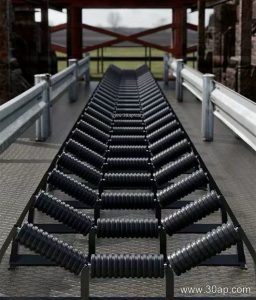
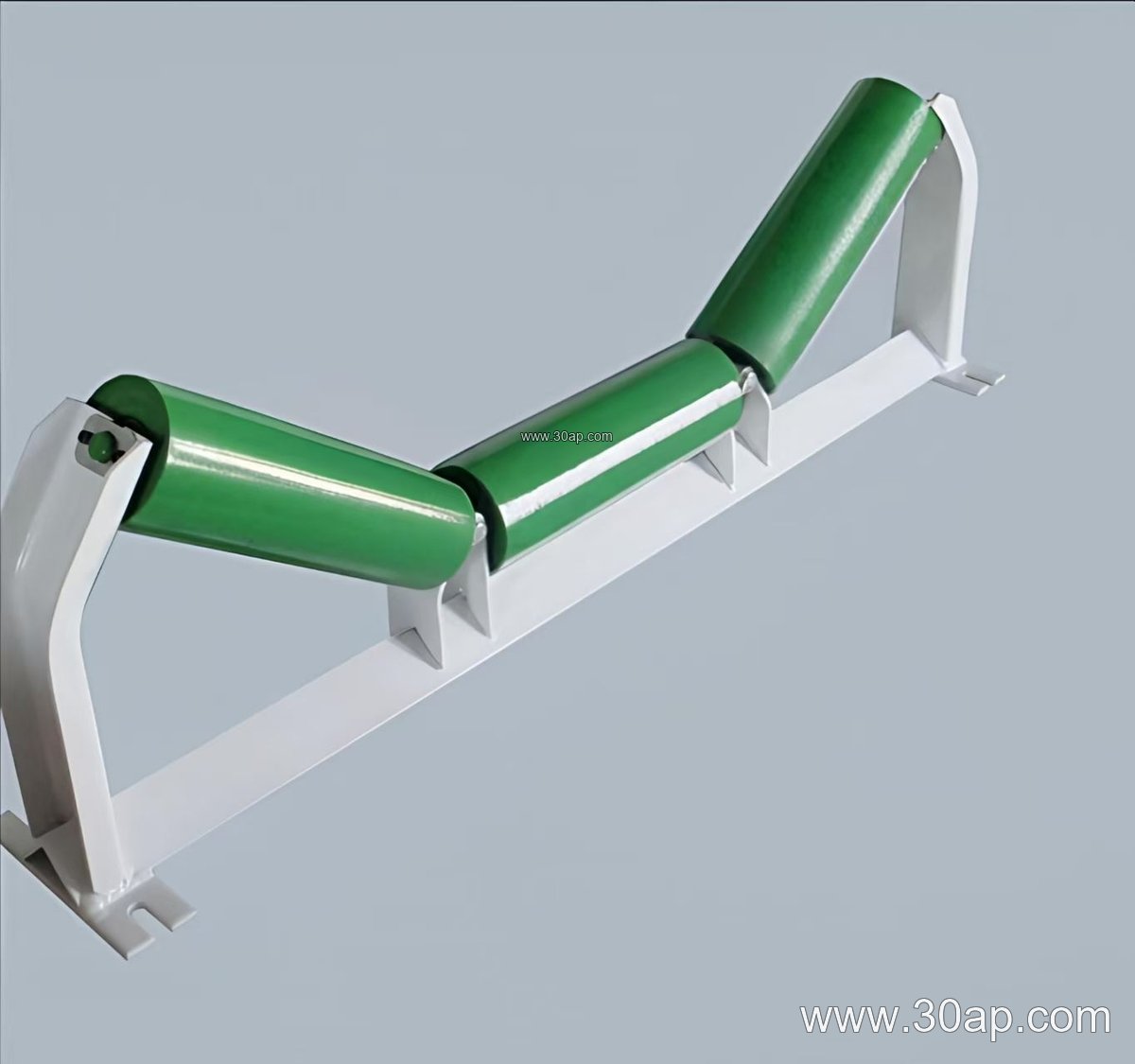
A conveyor leg is the structural support that carries the idler frames and, through them, the loaded conveyor belt. In a stone crushing line or a cement plant, the legs form the repeated A-frame or single-post supports that hold the troughing idlers at the right height and angle. They are not the idlers themselves, and they are not the pulleys at the head or tail; they are the ground-level or trestle-level members that keep everything above them aligned. A well-built conveyor leg assembly, sometimes called a conveyor support stand or conveyor trestle leg, decides how evenly the belt sits, how easily idlers can be replaced, and how the whole structure behaves under vibration.
How the Leg Is Built
Most legs are fabricated from angle steel, channel steel, or folded steel plate. The common form is a pair of uprights joined by a cross beam, with feet that bolt to a foundation, a floor slab, or a walkway structure. Height is set by design, and the top of the leg usually carries a mounting surface drilled to match the idler frame. On taller installations, diagonal bracing or a cross tie is added to control sway. Surface treatment matters in a quarry or a power plant coal yard, where dust and moisture are constant, so galvanizing or a suitable paint system is often specified.
- Uprights: angle or channel sections, welded or bolted
- Cross beam: channel or folded plate, drilled for the idler frame
- Feet: base plates with anchor holes, sometimes adjustable
- Bracing: diagonal or horizontal ties on tall stands
Where Conveyor Legs Are Used
You will see them in a limestone quarry feeding a primary crusher, along a cement plant clinker transport gallery, and under the belt that carries coal into a power plant bunker. In a sand and gravel pit, short legs support the transfer points between a crusher conveyor belt and a screening deck. In a steel plant, heavier stands carry sinter or ore along the stockyard conveyors. The same basic component appears in a port ship loading line, where tall trestles lift the belt above vehicles and walkways. In every case the leg works together with the conveyor bracket, the idler roller, and the belt itself, so its dimensions follow the belt width and the trough angle rather than standing alone.
Matching the Leg to Belt Width and Idler Size
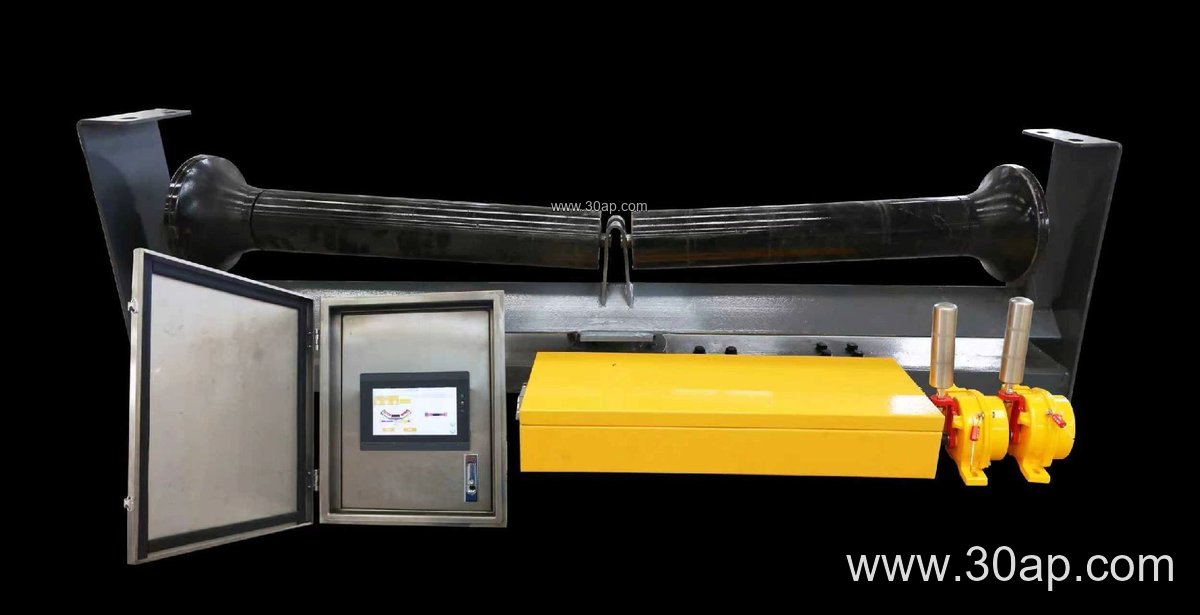
Width and roller diameter are the first things a buyer should confirm. A B800 line with 35 degree troughing normally uses a different frame span than a B1200 line at 45 degrees, and the leg height and hole spacing change with both. The table below shows typical reference combinations, not fixed rules; final dimensions are set by the conveyor design.
| Belt width | Trough angle | Idler diameter | Typical leg note |
|---|---|---|---|
| B500 | 20 degrees | Ø89 | Light stand, short span |
| B650 | 30 degrees | Ø89 | Compact A-frame |
| B800 | 35 degrees | Ø108 | Standard quarry stand |
| B1000 | 35 degrees | Ø133 | Reinforced cross beam |
| B1200 | 45 degrees | Ø133 | Wider base, braced |
| B1400 | 45 degrees | Ø159 | Heavy trestle leg |
| B1600 | 35 degrees | Ø159 | Tall stand, cross ties |
| B1800 | 45 degrees | Ø194 | Mining duty support |
| B2000 | 35 degrees | Ø194 | Extra-wide frame |
| B2200 | 45 degrees | Ø194 | Project-specific design |
Do not assume that one belt width can only match one pulley diameter or one trough angle. Adjustment ranges exist, and an adjustable stand can be set between 20 and 45 degrees on some designs, while a fixed stand is welded at one angle. Forward-leaning idler frames are commonly set around 1.5 to 2 degrees for belt training, and the leg top must suit that frame.
Fixed, Adjustable, and Impact Stands
The fixed stand is the simplest and cheapest option for a straight run. An adjustable support allows the trough angle to be changed on site, which helps when a line is modified or when belt tracking needs correction. At a crusher discharge, an impact-resistant stand with a reinforced beam is often used under the buffer idlers, because falling rock loads the frame far more than a normal carrying section. Return-side stands, including V-return and flat return types, are lower and narrower, and they should not be confused with carrying stands.
Buying Checklist
- Confirm belt width, trough angle, and idler diameter before ordering.
- State whether the stand is fixed or adjustable.
- Give the mounting height and the hole spacing required by the idler frame.
- Describe the environment: coal dust, cement powder, salt spray, or washdown.
- Check that the leg material and finish suit the load and the corrosion risk.
- Ask for the base plate and anchor details so the foundation can be prepared.
For a mining conveyor belt running at high tonnage, a heavier leg section is worth the extra steel. For a short aggregate conveyor belt in a small yard, a lighter angle-steel stand is usually enough. The right choice comes from the belt, the idler, and the load path together, not from a single number.