What an Impact Resistant Conveyor Belt Is
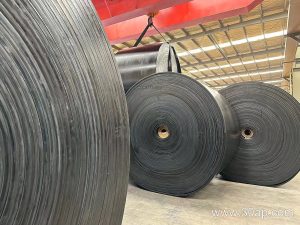
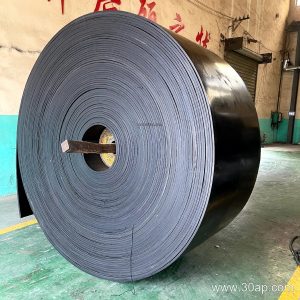
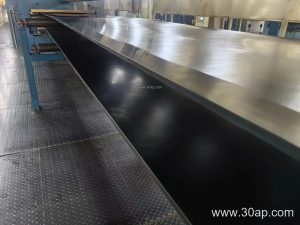
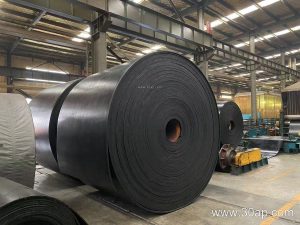
An impact resistant conveyor belt is a heavy-duty rubber conveyor belt engineered to absorb the shock of large lumps, sharp-edged rock and sudden material drops without splitting, puncturing or delaminating at the loading point. In practice it is usually a fabric-core belt with a reinforced carcass and a thick, tough top cover, and buyers often refer to it simply as an impact belt or shock-absorbing conveyor belt. The product is closely related to an abrasion resistant conveyor belt, but the two solve different problems: abrasion resistance deals with sliding wear along the full carrying run, while impact resistance deals with concentrated hammering where the material first lands.
How the Belt Is Built
The shock performance comes from the combination of carcass and cover, not from a single layer.
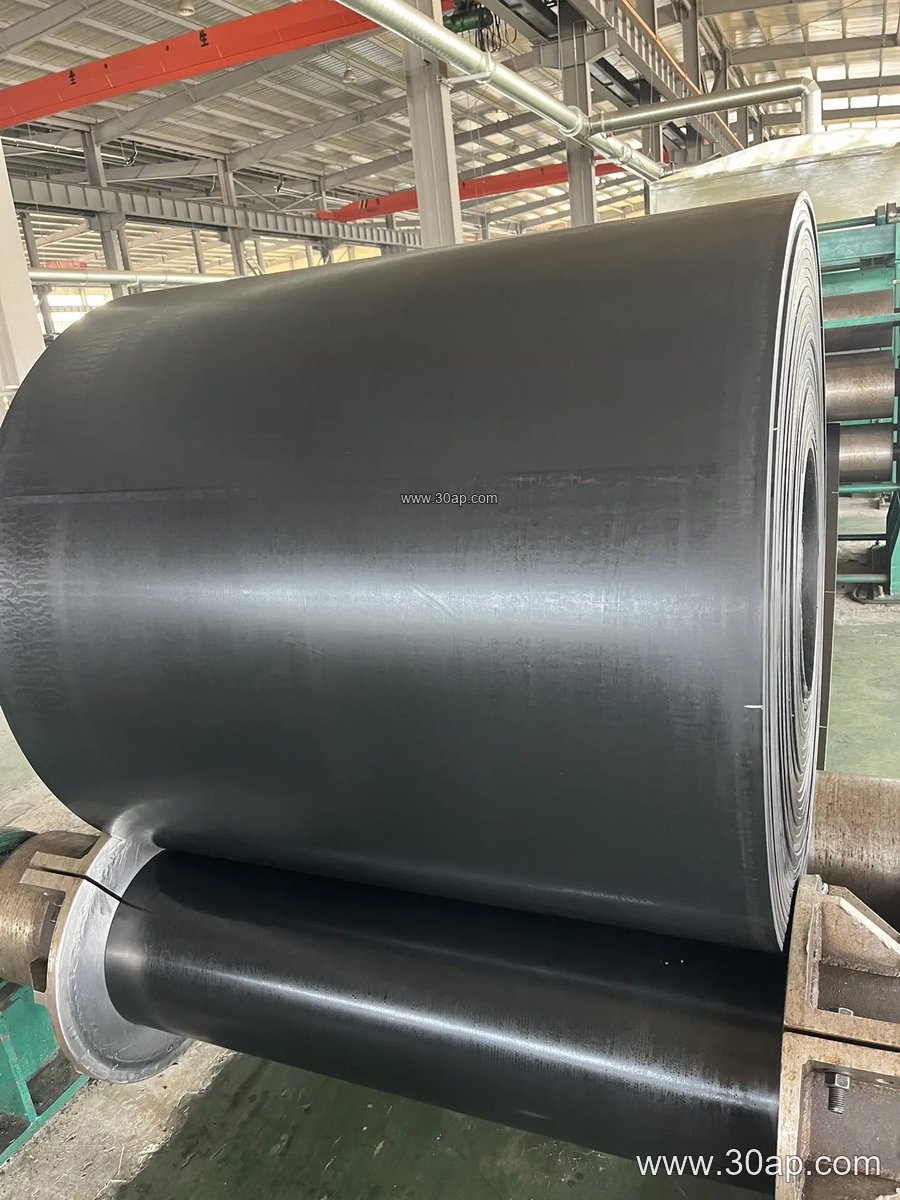
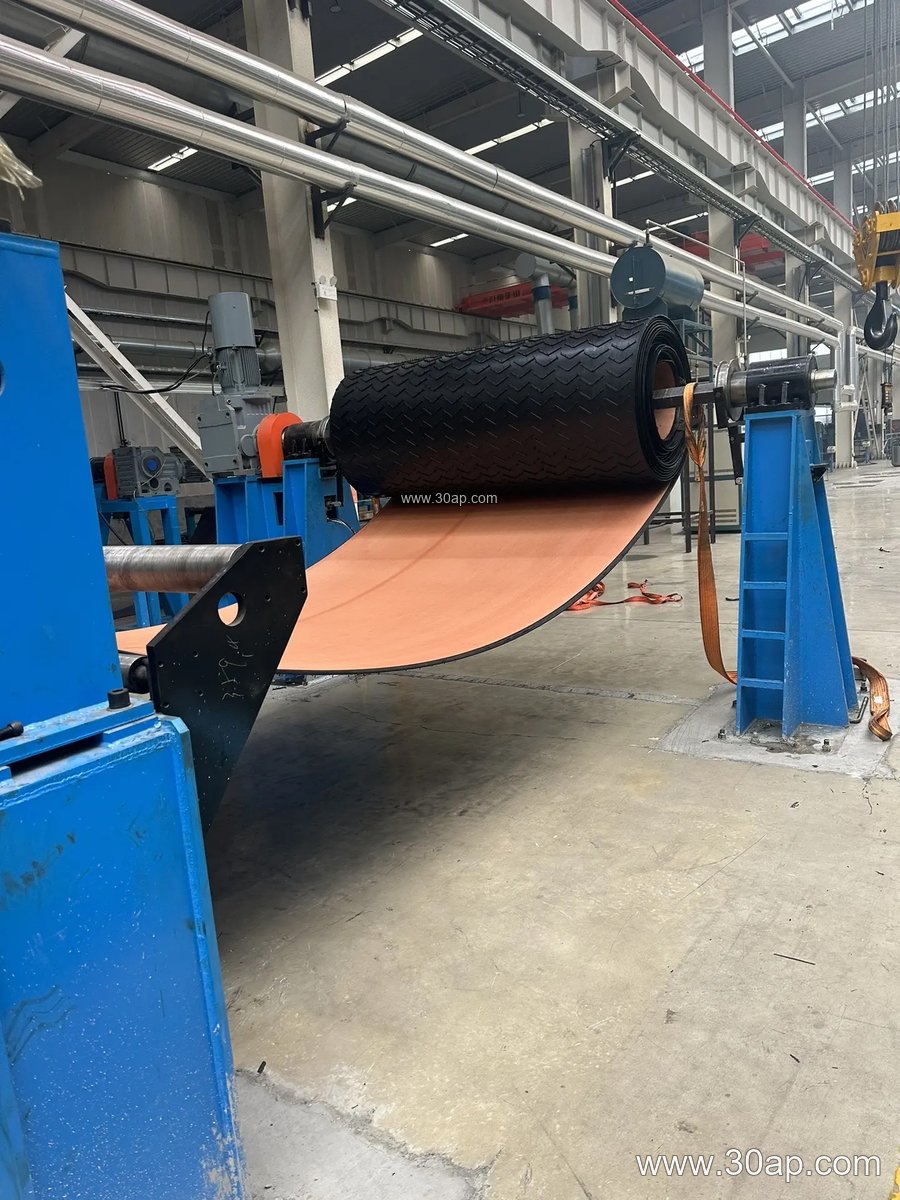
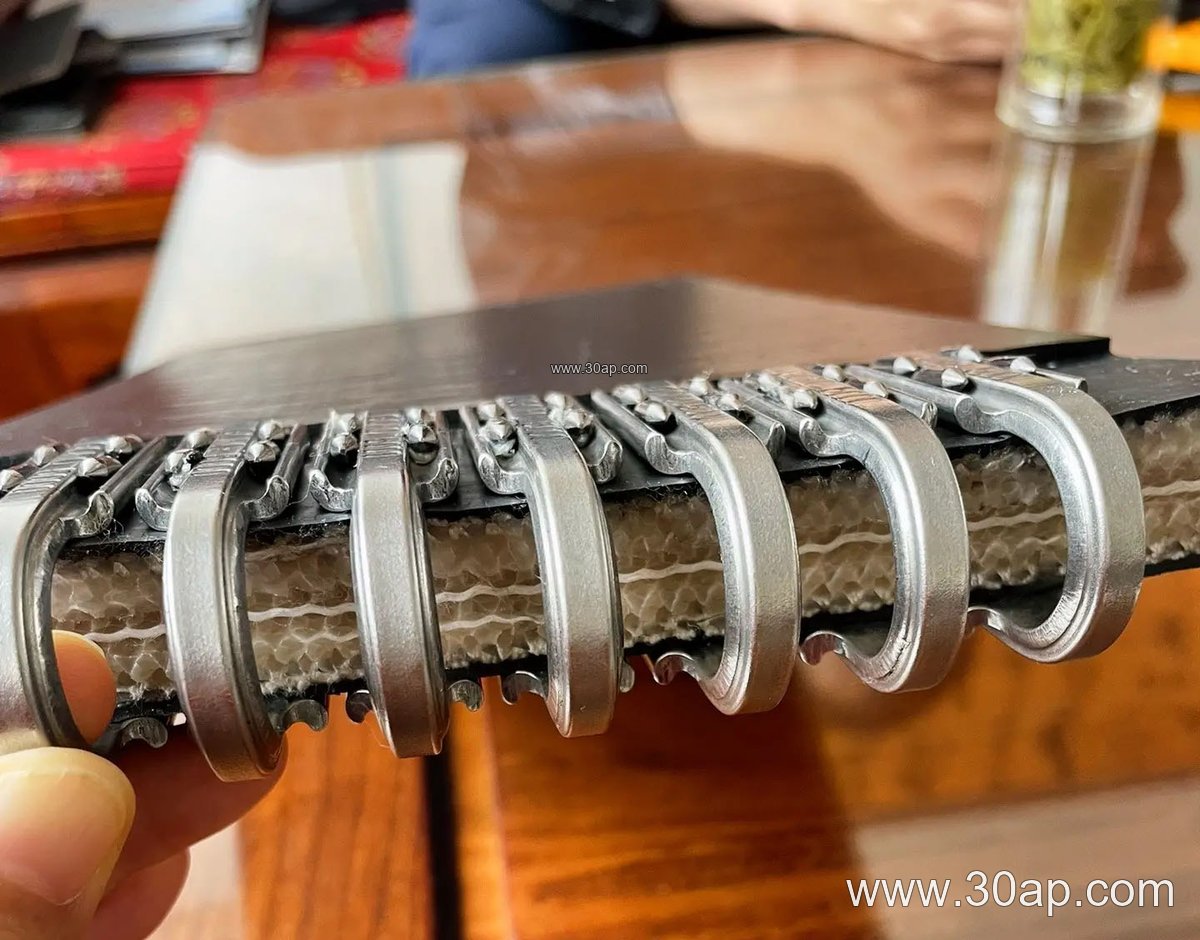
- Carcass: multi-ply fabric core is common, typically 2 to 6 plies of EP or NN fabric. An EP conveyor belt with polyester warp and nylon weft offers low stretch and good troughability, while an NN conveyor belt with nylon in both directions gives higher flexibility and excellent resistance to repeated shock.
- Cover compound: a high-abrasion, high-tear rubber compound is usual, often with cut-and-gouge resistance for rock and ore. Cover thickness is deliberately generous at the load zone.
- Break-in layer and breaker: some designs add a shock-absorbing rubber layer or a reinforced breaker ply under the top cover to spread point loads before they reach the fabric.
- Edges and splices: protected edges and properly stepped splices help prevent the belt from starting to fail at the point of maximum stress.
Typical Specifications
Values below are common reference ranges, not universal guarantees; final construction follows the actual design and the manufacturer’s data. For very high tension or long lifts, a steel cord conveyor belt may be compared as an alternative, but it is a different carcass family and is not a substitute for shock absorption at the chute.
| Parameter | Common reference values |
|---|---|
| Belt type | EP fabric core, NN fabric core, multi-ply fabric core |
| Strength grades | EP200, EP315, EP400, EP500, EP630, EP800, EP1000, EP1250, EP1600 |
| Belt width | B500, B650, B800, B1000, B1200, B1400, B1600, B1800, B2000 |
| Top / bottom cover | 4+2, 5+2, 6+2, 8+3 mm; heavier top cover at the loading zone |
| Carcass plies | Usually 2 to 6 plies depending on duty |
For example, an EP1000 belt at 1200 mm width with a 6+2 mm cover is a typical heavy-duty configuration for a primary crusher discharge, while a 650 mm or 800 mm belt with a 5+2 mm cover may suit a smaller transfer point. Width and pulley diameter are matched by conveyor design, not by a fixed rule, so the drive pulley, tail pulley and bend pulleys are sized from belt tension, wrap angle and trough profile rather than from belt width alone.
Where It Is Used
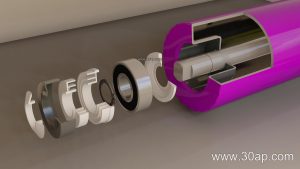
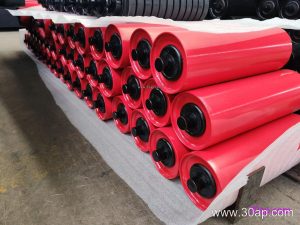
The belt earns its place wherever material falls from height or arrives with sharp edges. That includes mines and quarries feeding a primary crusher, coal handling in power plants, cement plant clinker and limestone transfer, iron ore and copper ore handling at ports, sand and aggregate plants, and recycling lines with mixed debris. In these circuits the belt works alongside idler rollers, conveyor pulleys and conveyor brackets, and the whole loading zone is usually supported by impact idlers or a cushion bed to share the shock with the belt.
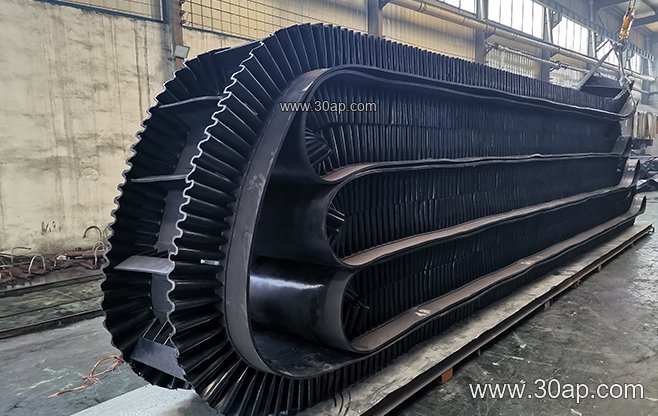
Related constructions appear in the same plants for other duties: a chevron conveyor belt for inclined transport, a corrugated sidewall belt for steep inclines, a heat resistant conveyor belt near kilns, a flame retardant conveyor belt in underground coal mining, and a cold resistant belt in northern yards. Each is chosen for its own condition; none replaces the impact belt at the drop point.
What Buyers Should Check
- Drop height and lump size: these set the required cover thickness and carcass strength more than tonnage alone.
- Material shape and hardness: sharp, dense rock demands higher tear and cut resistance than rounded gravel.
- Loading geometry: chute angle, skirt clearance and belt support determine whether the shock is spread or concentrated.
- Environmental conditions: heat, oil, fire risk or static sensitivity may require a combined specification.
- Splice and maintenance plan: a belt is only as strong as its joint, so plan inspection of the load zone and edges.
Installation and Care
Keep impact idlers or cushion rubber directly under the chute, control material height and feed rate, and avoid oversized lumps bridging the skirt. Check that the belt tracks centrally over the tail pulley and bend pulleys, and keep conveyor pulleys and idler rollers clean so the belt is not pinched or misaligned. Inspect the top cover at the loading point regularly; small gouges are easier to repair before they reach the fabric. Matching the belt to the actual duty, rather than to a catalogue headline, is the most reliable way to extend service life in mining, cement, power and quarry operations.