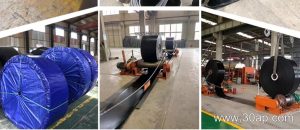
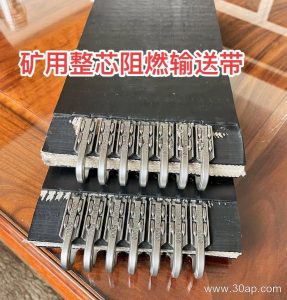
What a Mining Equipment Idler Does on the Line
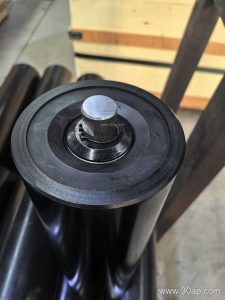
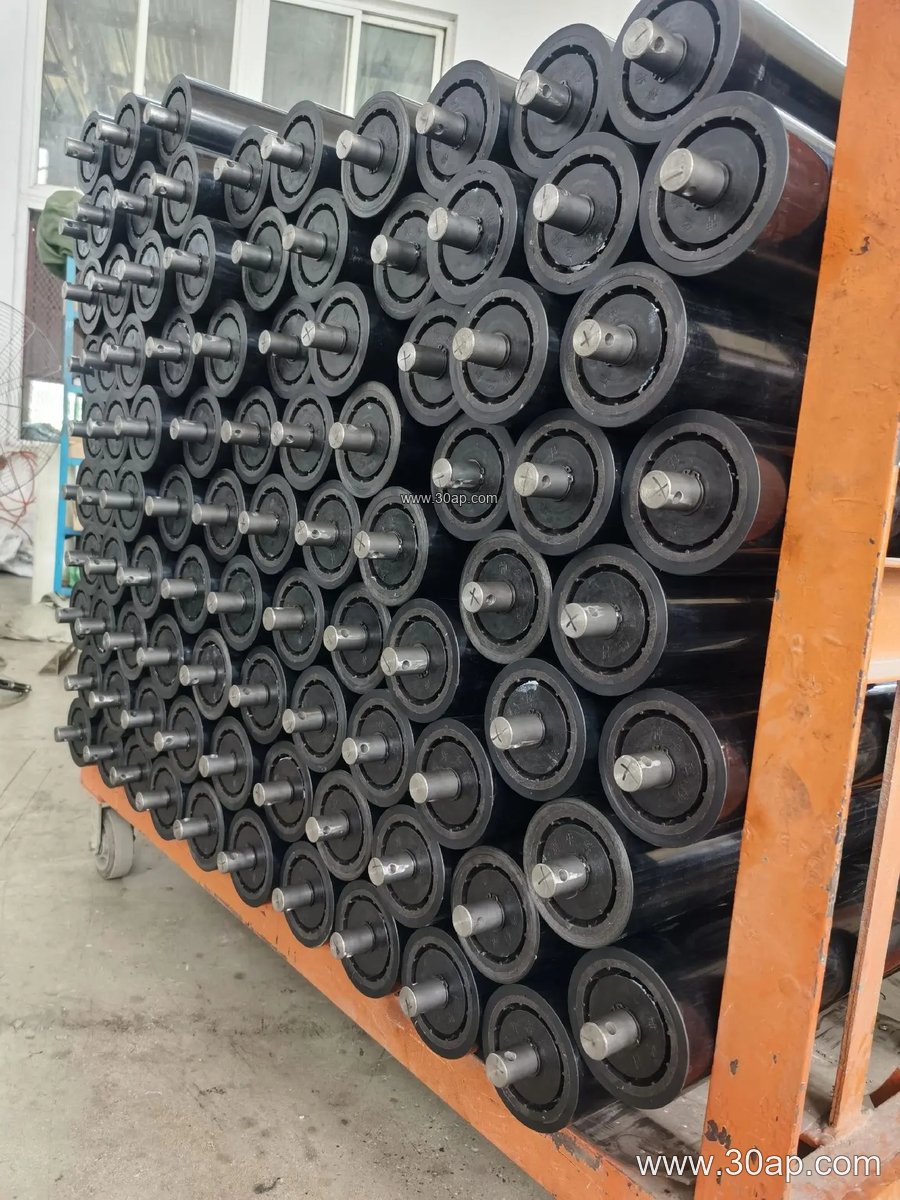
A mining equipment idler is the rotating support under a conveyor belt, and it carries more than most people expect. On a quarry conveyor or an ore conveyor, the belt may be loaded with sharp rock, wet fines, or heavy lumps, so every idler roller along the carry side has to keep the belt in shape while absorbing vibration. The idler itself is a simple assembly: a steel tube shell, a shaft, bearing housings, seals, and bearing units. The quality of the seals and bearings usually decides how long the roller lasts in dust and washdown conditions.
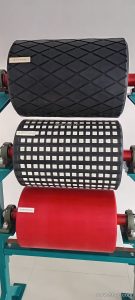
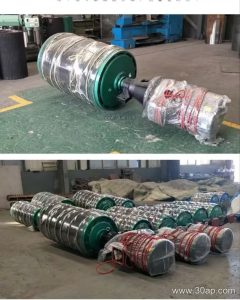
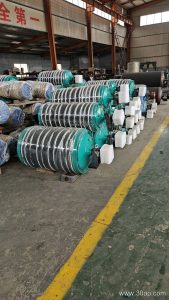
The idler works together with the conveyor pulley at the drive and tail ends, the conveyor bracket that holds the frame, and the belt itself. An idler does not pull the belt; it only supports and guides it. That distinction matters when a buyer is comparing parts, because a drive pulley, tail pulley, and bend pulley are separate components with separate duties and are never interchangeable with an idler.
Common Idler Types and Where They Sit
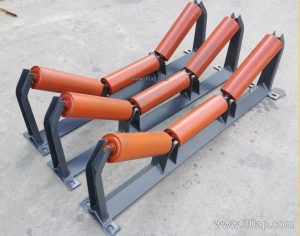
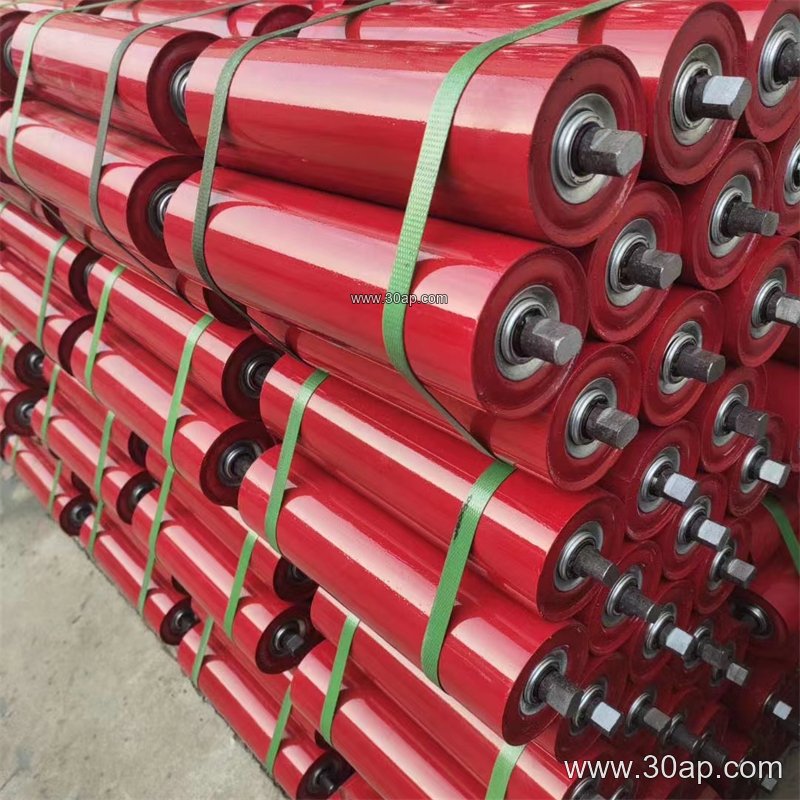
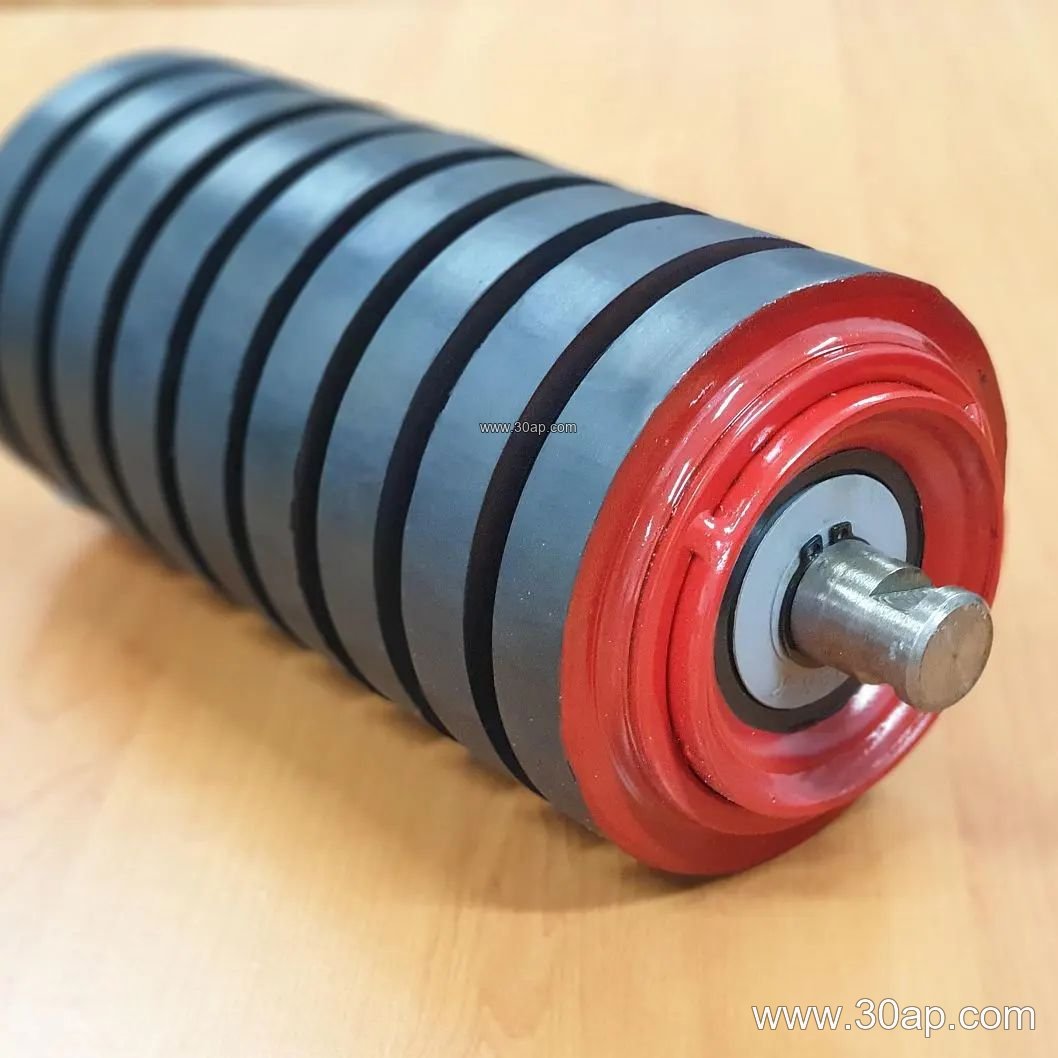
Most troughing idlers are built as single-roller, two-roll, or three-roll sets. A three-roll troughing set is common on high-capacity lines because it forms the belt into a trough and reduces spillage. Return-side rollers are often flat or V-shaped, and a V-return helps keep the belt centered. Impact idlers with rubber rings are used under loading points where rock drops onto the belt. Training idlers, including friction and tapered types, correct belt wander on long runs.
- Troughing idlers: carry side, usually three rolls with a 20, 30, 35, or 45 degree trough angle.
- Impact idlers: buffer zones below crushers and transfer chutes.
- Return idlers: flat or V-shaped, supporting the empty belt.
- Training idlers: used where belt misalignment is a recurring issue.
For a coal mining conveyor belt or a cement plant conveyor belt, the same basic roller may be fitted with different seals and finishes. A dusty limestone quarry and a wet wash plant put different demands on the bearing arrangement.
Roller Diameter, Belt Width, and Shaft Choices
Roller diameter and belt width are related but not locked together. A wider belt generally needs a larger roller and frame, yet several roller diameters can serve one belt width depending on load, speed, and idler spacing. Common roller diameters include 63, 76, 89, 102, 108, 127, 133, 159, 178, 194, and 219 mm. Belt widths range from B400 up to B2400, and the roller length changes with belt width, trough angle, and roll arrangement.
| Belt width | Typical three-roll troughing roll length (example) | Common roller diameters |
|---|---|---|
| B500 | about 200 mm | 63 to 89 mm |
| B650 | about 250 mm | 76 to 108 mm |
| B800 | about 315 mm | 89 to 133 mm |
| B1000 | about 380 mm | 102 to 159 mm |
| B1200 | about 465 mm | 108 to 178 mm |
| B1400 | about 530 mm | 127 to 194 mm |
| B1600 | about 600 mm | 133 to 219 mm |
| B1800 | about 670 mm | 159 to 219 mm |
| B2000 | about 750 mm | 178 to 219 mm |
Bearing sizes such as 6204, 6205, 6305, 6306, 6308, and 6310 appear across many idler designs. Do not assume that one bearing number belongs to one roller diameter; the housing and load rating determine the match. Shaft diameter should come from the idler manufacturer’s drawing, not from belt width alone.
Materials and Surface Forms
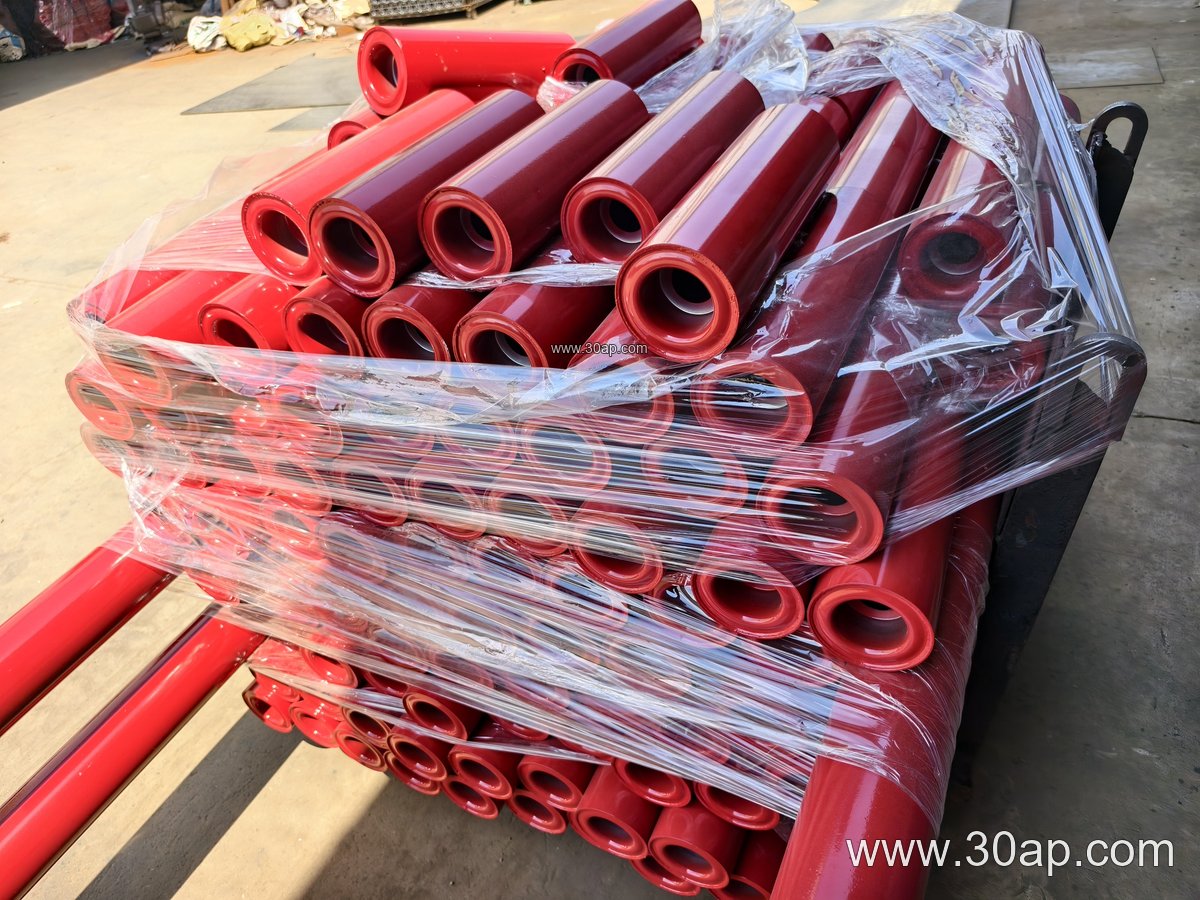
The roller shell is usually steel tube, with nylon, ceramic, or rubber rings available for special duties. Rubber rings suit impact zones and reduce noise. Ceramic covers can help in abrasive slurry areas, while nylon shells reduce weight. Seal design matters in a stone crushing plant or a power plant coal yard, where fine dust works into bearings quickly. Grease retention and labyrinth seals are worth asking about during selection.
The belt side of the system also affects idler life. A heavy-duty mining conveyor belt with a thick cover runs stably when idler spacing and roller alignment are correct. On a long overland run, an EP conveyor belt or steel cord conveyor belt may need closer idler spacing at transfer points than on the straight sections.
Buyer Checklist Before Ordering
Start with the conveyor layout: belt width, trough angle, roll arrangement, and the load at each station. Confirm the roller diameter, shell thickness, shaft size, bearing number, and seal type from the supplier drawing. Ask how the idler frame fits the existing conveyor bracket, because a new roller that does not match the frame creates downtime. For dusty or wet service, check the seal and grease arrangement rather than only the tube wall thickness.
Spare parts planning also deserves attention. Keeping a small set of troughing, return, and impact idlers on site helps a quarry or a coal handling plant avoid long stops. If the line uses a chevron conveyor belt or a corrugated sidewall belt, note that the idler set must still match the belt width and frame, and the cleat height may affect clearance at transfer points.
Finally, match the idler to the environment. A salt-laden port conveyor, a hot sinter line, and a cold-weather stockyard each call for different bearing protection and surface treatment. The idler is a small part of the conveyor, but its selection touches belt tracking, energy use, and maintenance frequency. For more on related conveyor components, see our notes on the conveyor idler roller and conveyor pulley range at baodingconveyor.com.