What a Conveyor Bend Pulley Does
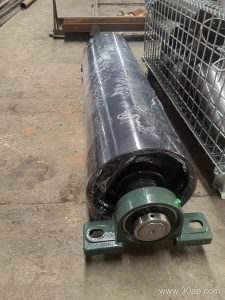
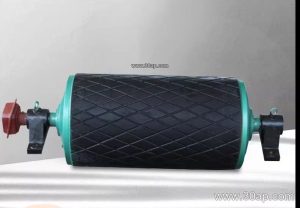
A conveyor bend pulley is the drum that changes the direction of the belt without driving it. In a typical bulk handling line, the belt leaves the head or discharge point and must be routed back to the tail, so a bend pulley redirects it around a corner or upward toward the take-up assembly. Because it does not transmit drive torque, it is often built lighter than a drive pulley, but it still carries significant belt tension and must be selected with care. In coal mining, cement plants, power plant coal yards and quarry lines, this redirecting drum keeps the return run orderly and prevents the belt from rubbing against structure.
People sometimes call the same component a redirect pulley, angle pulley or snub pulley. In this article the main subject is the conveyor bend pulley; a drive pulley and a tail pulley serve different functions and are not interchangeable with it. A tail pulley, for example, can also be a bend pulley in some layouts, but the two roles are usually specified separately.
Construction and Surface Options
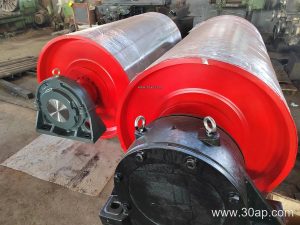
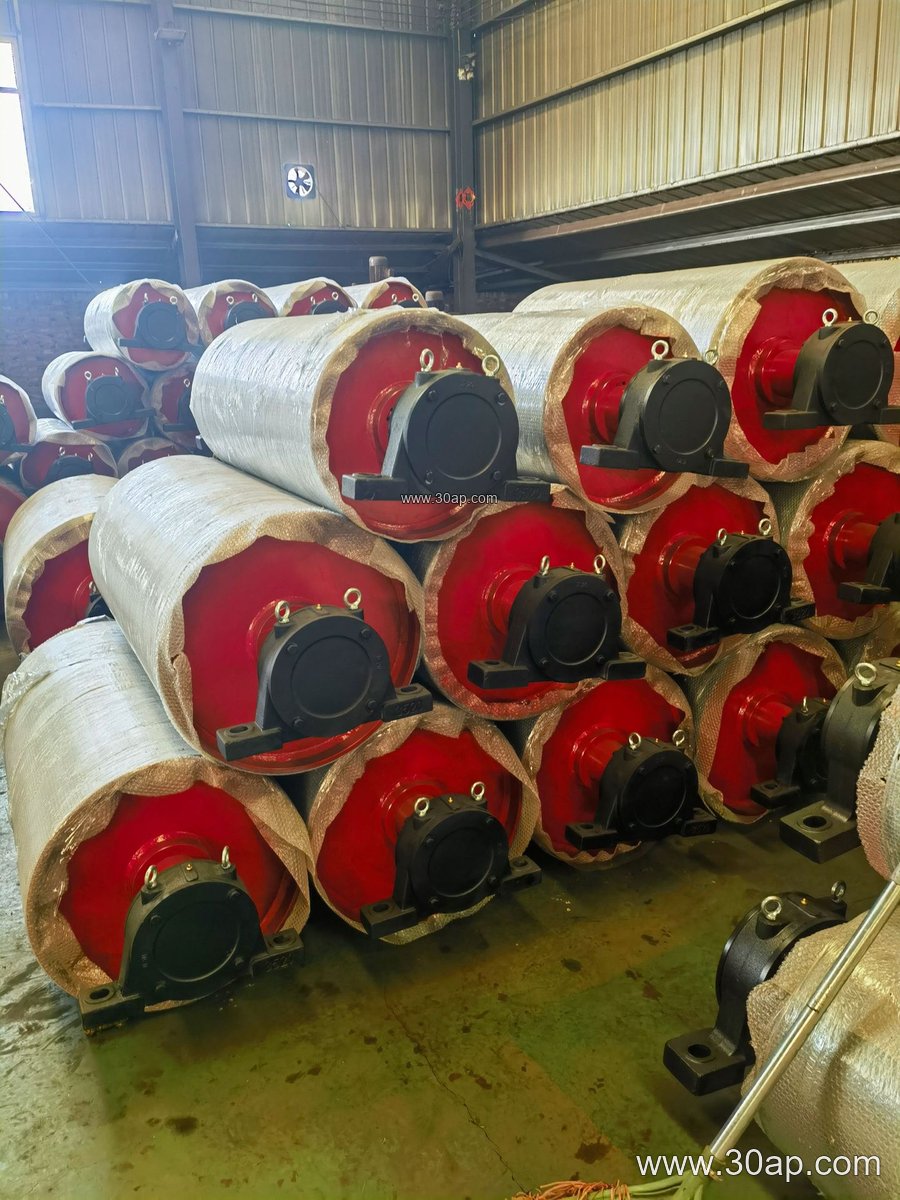
The body is commonly a welded steel cylinder with machined end discs and a through shaft, supported by bearing housings that bolt to a conveyor bracket. Larger diameters may be fabricated in sections for transport. The shaft is sized by torque and radial load rather than by belt width alone, so a B800 line and a B1200 line can use very different shaft diameters.
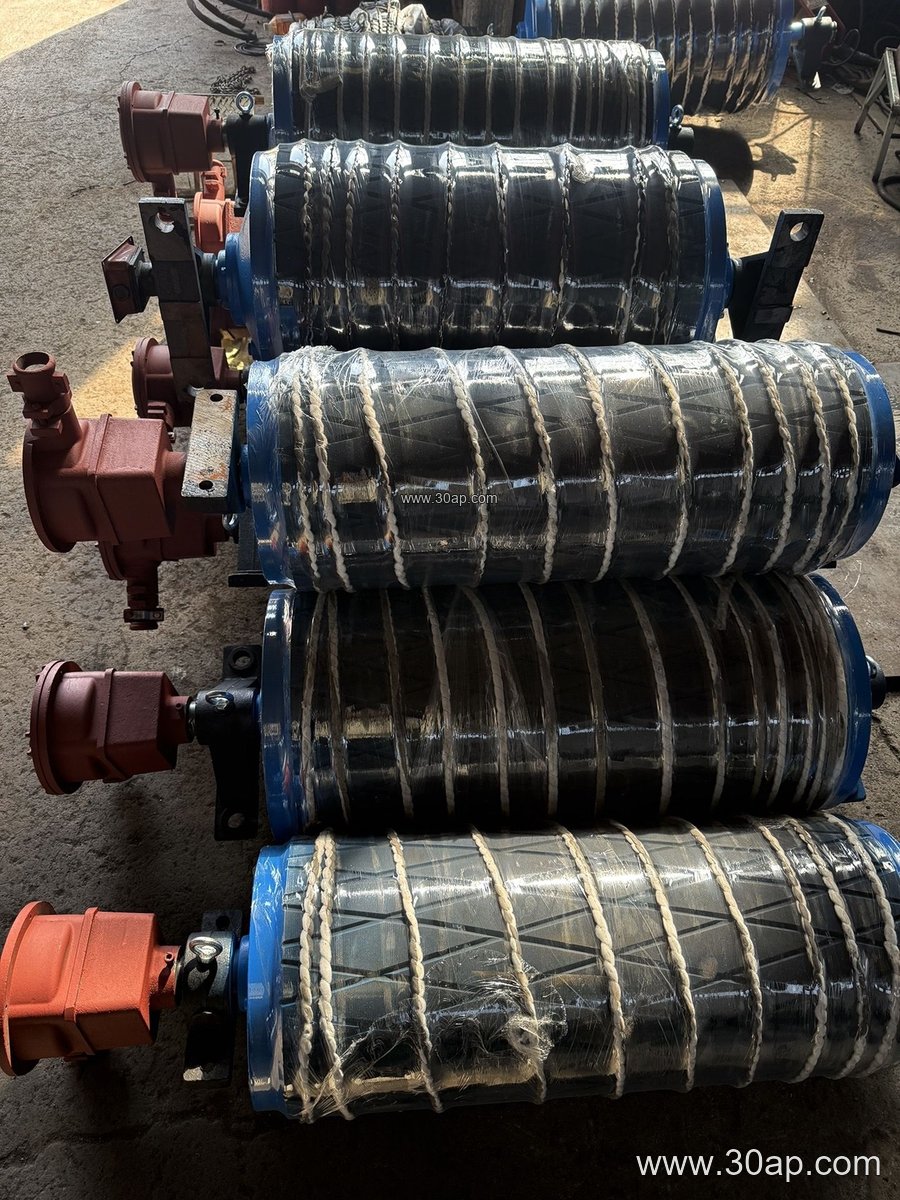
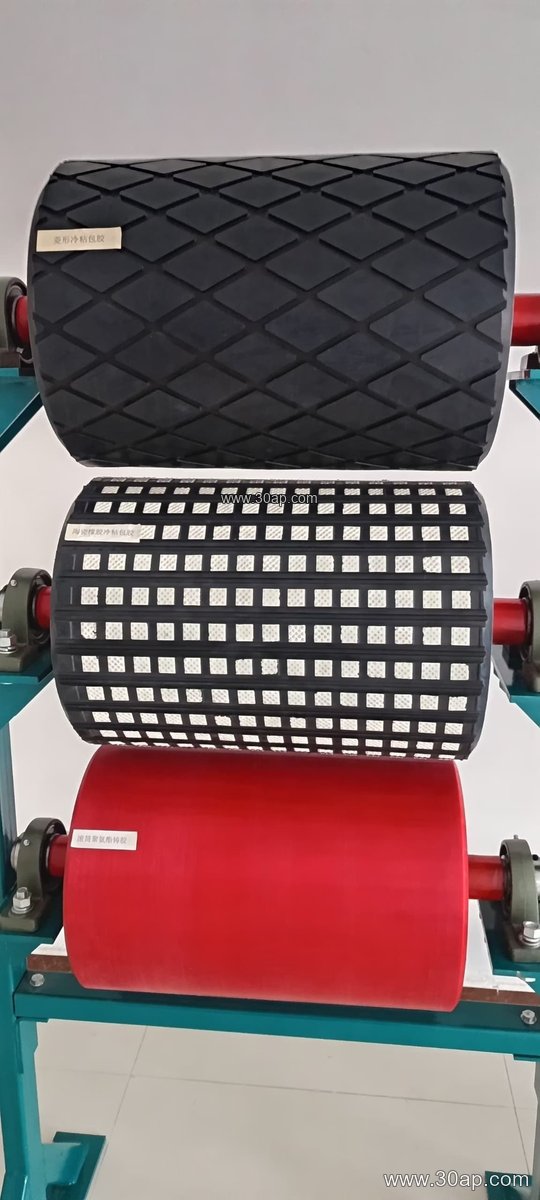
Surface treatment depends on contact conditions. Plain finish is common where the belt only needs gentle guidance. Rubber lagging in 8, 10, 12, 15 or 20 mm thickness improves grip and protects the drum shell, and diamond or herringbone patterns help shed moisture and fines. Ceramic lagging may be chosen where slip and wear are both concerns. A conveyor bend pulley handling a dusty return strand often benefits from a smooth, well-sealed face and easy-to-clean bearings.
Common Sizes and Reference Data
The following combinations are typical references, not fixed rules. Pulley face width is usually wider than the belt, and the diameter is chosen to suit the belt path, tension and available space.
- B500 belt with a face around 600 mm, often paired with Ø250 to Ø400 mm drums
- B650 belt with a face around 750 mm, commonly Ø315 to Ø500 mm
- B800 belt with a face around 950 mm, frequently Ø400 to Ø630 mm
- B1000 belt with a face around 1150 mm, often Ø500 to Ø800 mm
- B1200 belt with a face around 1400 mm, frequently Ø630 to Ø1000 mm
- B1400 belt with a face around 1600 mm, often Ø800 to Ø1250 mm
Representative designations such as B1200 × Ø1000 or B800 × Ø500 are convenient shorthand, but no single belt width locks a buyer into one diameter. Shaft diameters of Ø80, Ø100, Ø120 or Ø160 mm are common in medium and heavy duties, while larger lines may use Ø180 or Ø200 mm shafts. The final choice should come from the conveyor designer.
Where It Fits in the System
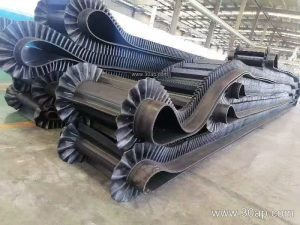
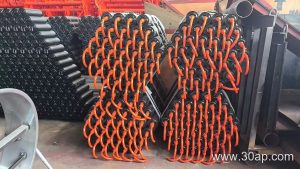
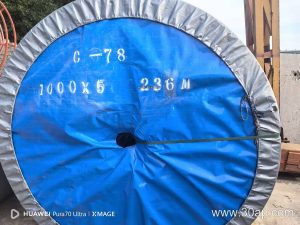
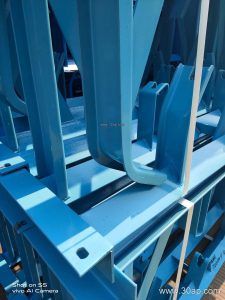
In a coal preparation plant, a bend pulley may sit near the take-up tower, guiding the return belt into a gravity tensioner. In an aggregate quarry, one or two redirect drums route the belt around a transfer house. The drum works together with the conveyor belt, idler rollers and conveyor brackets, so alignment and bearing condition matter as much as diameter. A misaligned bend pulley can cause edge wear on an EP conveyor belt or a steel cord conveyor belt and may lead to tracking problems along the whole line.
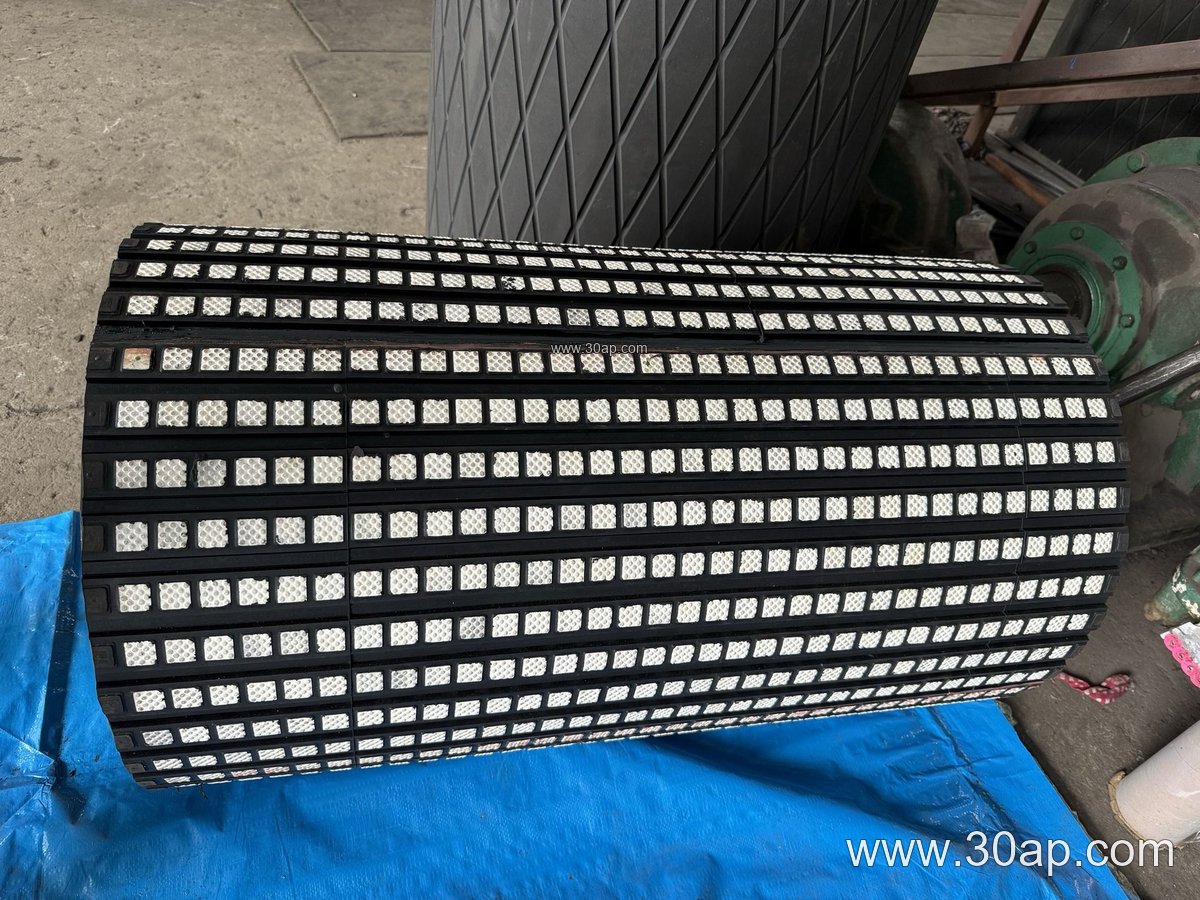
Where space is tight, a smaller-diameter drum saves room but increases belt bending stress. Where the belt is stiff, such as a thick heavy-duty mining conveyor belt or a high-strength steel cord belt, a larger diameter is generally preferred. An abrasion resistant conveyor belt used on sharp ore may also call for a protected drum face.
Buyer Checklist
- Confirm the belt width, belt type and expected tension before choosing diameter.
- State the mounting position and whether the drum rotates or is fixed.
- Choose lagging only where grip or shell protection is needed.
- Check bearing type, sealing and lubrication access.
- Verify shaft size against the actual load, not by belt width alone.
Spare parts planning should include bearings and lagging sheets, since these wear items are easier to replace than a complete drum. For buyers sourcing through a supplier site such as conveyor accessories, matching the bend pulley to the rest of the conveyor pulley set, the idler roller arrangement and the belt specification avoids costly rework.