What an 1800mm Conveyor Belt Is
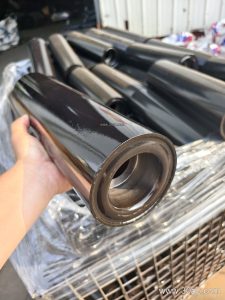
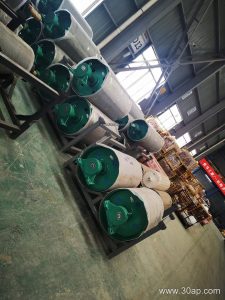
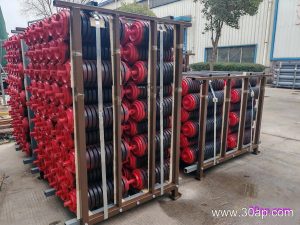
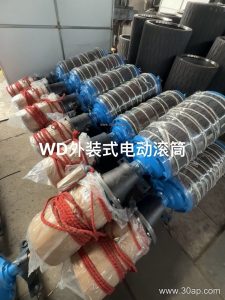
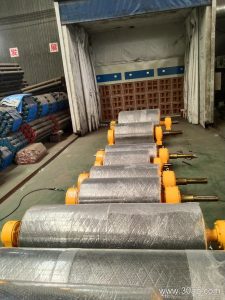
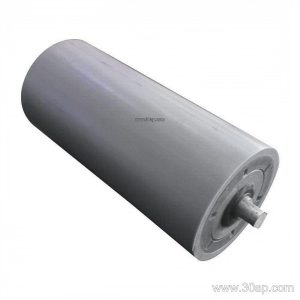
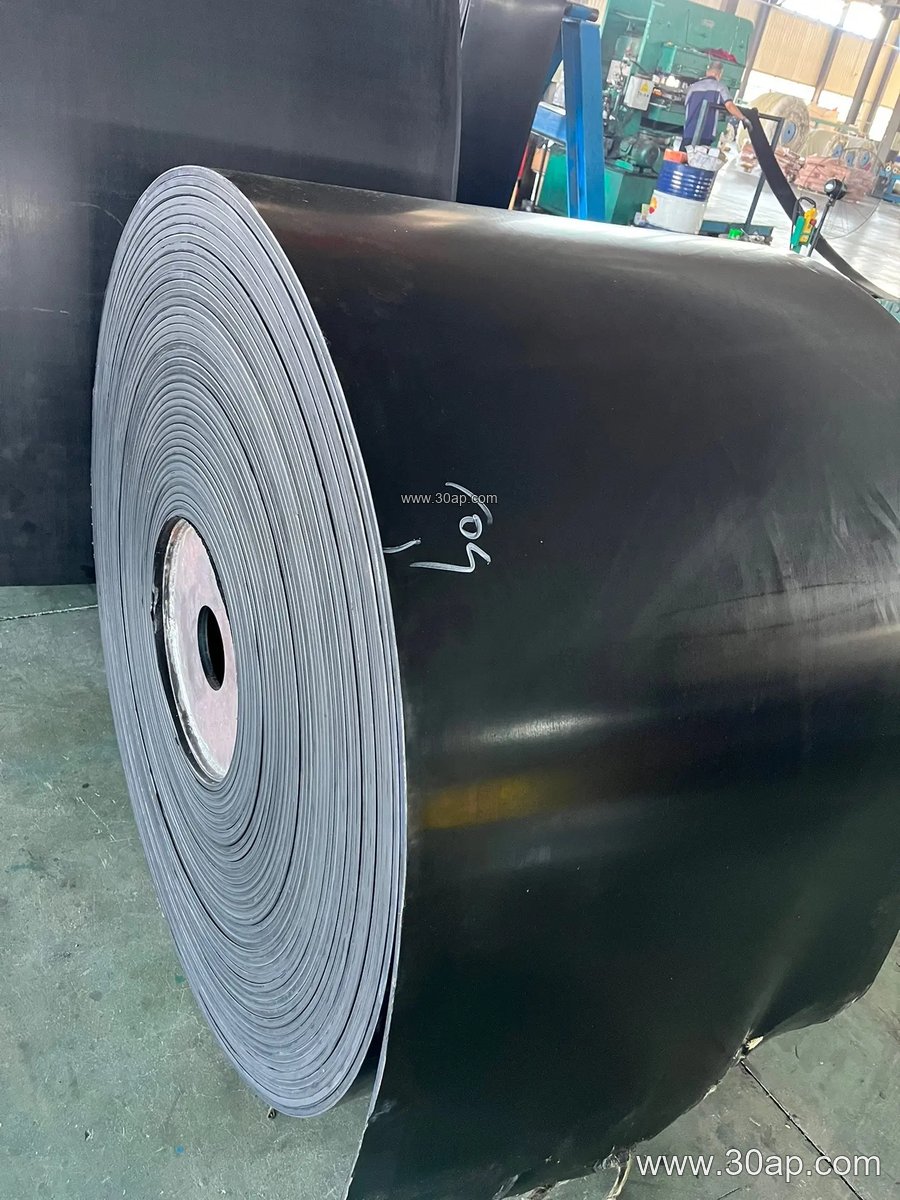
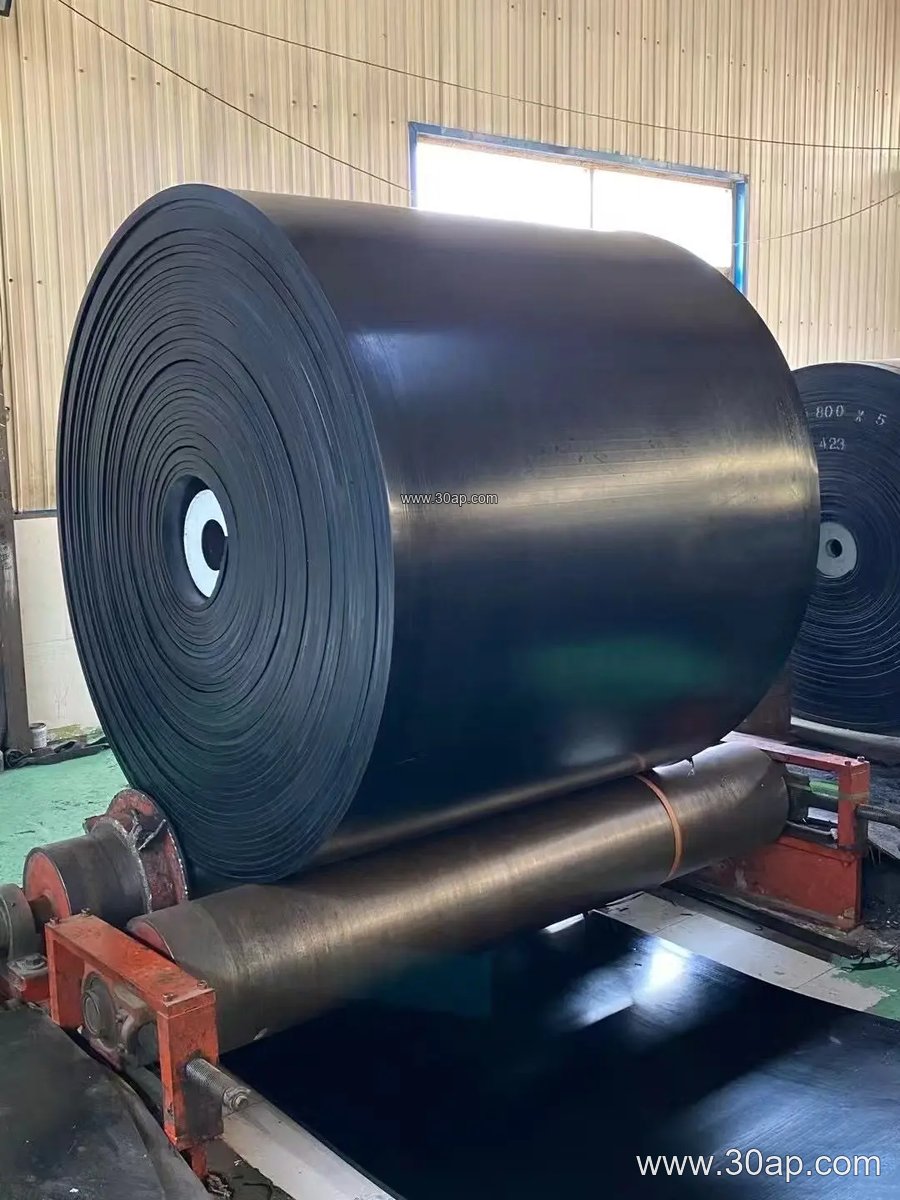
An 1800mm conveyor belt is a wide-format belt built to carry large volumes of bulk material across long distances in a single pass. At 1.8 metres across, it sits near the upper end of standard belt widths, which makes it a practical choice where a narrower belt would need to run faster or where multiple lines would otherwise be needed. In mining, coal preparation, cement plants, power stations, ports, and large sand and gravel yards, this width is often paired with heavy frames, robust idler roller sets, and generously sized conveyor pulley assemblies.
The belt is not a single product but a family. The same 1800mm width can be supplied as an EP conveyor belt, an NN conveyor belt, a steel cord conveyor belt, or a PVC/PVG belt, each with its own carcass and cover construction. Buyers should treat the width as one dimension among several.
Construction and Common Specifications
Most 1800mm belts use a fabric carcass or steel cord reinforcement. Fabric types are usually described by ply count and strength grade, while steel cord types are described by cord strength. Cover rubber is specified as top and bottom thickness, and the compound is chosen to suit the cargo.
| Parameter | Common Range | Notes |
|---|---|---|
| Belt width | 1800 mm | Fixed by the conveyor design |
| Carcass type | EP, NN, steel cord, PVC, PVG | Selected by load and duty |
| Strength grade | EP200 to EP2000; ST1000 to ST3150 | Reference values only |
| Ply count | 2 to 6 layers | Fabric core belts |
| Cover thickness | 3+1.5, 4+2, 5+2, 6+2, 8+3 mm | Top + bottom |
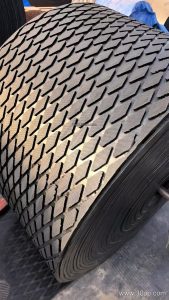
| Surface form | Smooth, chevron, corrugated sidewall, skirted | Depends on incline and containment |
An EP1000 1800mm conveyor belt is a typical heavy-duty fabric option for aggregate and ore duties, while an EP1250 1800mm belt may appear where higher tension capacity is needed. Steel cord grades such as ST1600 or ST2000 are common on long overland runs. These figures are reference points; actual selection depends on the conveyor profile, tonnage, and material.
Where This Width Fits
Wide belts are common in primary crushing circuits, stockyard feed lines, ship loading systems, and underground coal mining conveyors. A quarry conveyor belt at this width can handle run-of-mine rock, while a cement plant may use it for clinker or limestone. Power plants use wide belts for coal delivery, and steel plants for ore and coke. In each case the belt works alongside conveyor pulley units, idler roller stations, and conveyor bracket frames that must be sized for the extra width and weight.
Special constructions matter here. A heat resistant conveyor belt suits clinker and sinter, an abrasion resistant conveyor belt suits sharp rock, a flame retardant conveyor belt is often required in coal mining, and an oil resistant or cold resistant grade may be needed in specific plants. Chevron and corrugated sidewall forms help on inclines where a smooth belt would let material slide back.
Selection and Use Notes
- Match the carcass grade to the calculated tension, not to the belt width alone.
- Confirm cover thickness against lump size and drop height; impact zones may need extra support.
- Check pulley face width and idler roller spacing so the 1800mm belt is fully supported.
- Allow for splice type and take-up travel when ordering an endless conveyor belt.
- Store wide belts on proper stands to avoid edge damage before installation.
For anyone specifying a wide belt, the practical question is not only whether an 1800mm conveyor belt will fit, but whether the whole conveyor — pulleys, rollers, brackets, and structure — is designed for that width. Used that way, the belt becomes a dependable part of a high-capacity bulk material conveyor belt system in mining, cement, power, and aggregate operations.