What a Conveyor Welded Pulley Is
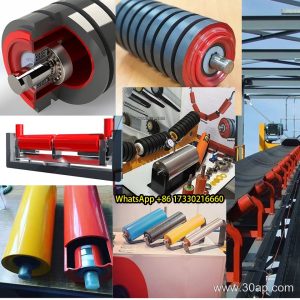
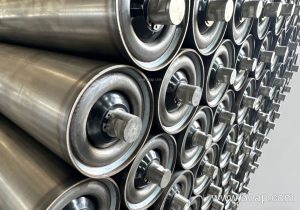
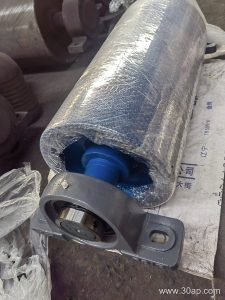
A conveyor welded pulley is a cylindrical drum built by welding a rolled shell to end discs and a shaft assembly, rather than by casting the whole body. In a belt conveyor it carries the belt, sets its path, and transfers the belt tension into the frame. The same product is also called a welded drum pulley, and both names describe the fabrication method: shell, discs, hub, and shaft joined by controlled welds, then machined so the running surface is true. It is a pulley, not an idler roller, and it should not be confused with drive, tail, or bend pulleys, which are positions in the conveyor rather than separate products.
Construction and Workshop Details
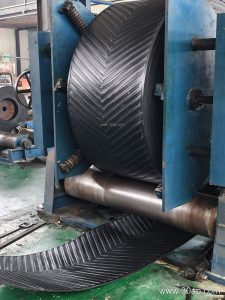
The shell is usually rolled from steel plate and welded to two end discs. A through shaft or stub shafts are fitted, and the welds around the hub and disc are the parts that decide fatigue life. After welding, the drum is machined and balanced, because an out-of-round shell will wear the belt edge and load the bearings unevenly. Surface finish is chosen for grip: plain, hot-vulcanized rubber, cold-bonded rubber, diamond grooving, herringbone grooving, or ceramic lagging, commonly 8 to 20 mm thick depending on duty.
Typical reference dimensions, to be confirmed against the actual design, include:
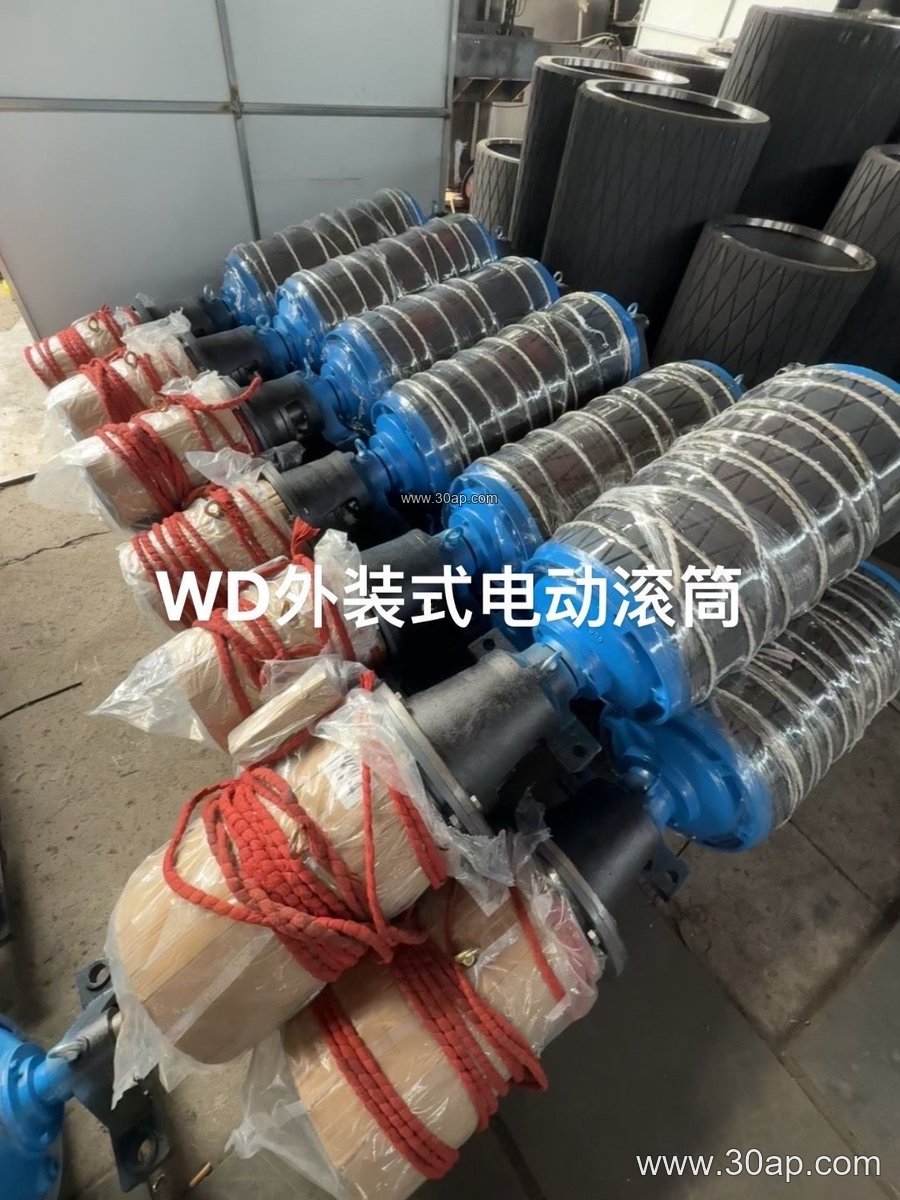
- Belt width range: B400 to B2400
- Drum diameter: Ø200, Ø250, Ø315, Ø400, Ø500, Ø630, Ø800, Ø1000, Ø1250
- Shaft diameter: Ø50, Ø60, Ø80, Ø100, Ø120, Ø140, Ø160, Ø200
- Face width usually slightly wider than the belt, for example B800 with about 950 mm face, B1200 with about 1400 mm
Shaft size follows torque and bearing load, not belt width alone, so B1200 × Ø1000 and B800 × Ø500 can both exist in different duty classes.
Where It Fits in a Conveyor
In a quarry or aggregate line, a welded pulley at the head end pulls a heavy-duty belt loaded with crushed rock. In a coal preparation plant or power station coal yard, flame retardant and anti-static belts run over similar drums, and the pulley surface may need rubber lagging to hold grip in wet conditions. In a cement plant, clinker dust and heat make shell thickness and lagging grade worth checking. Port bulk terminals and iron ore stockyards often use large diameters to reduce belt bending stress on high-strength steel cord belts.
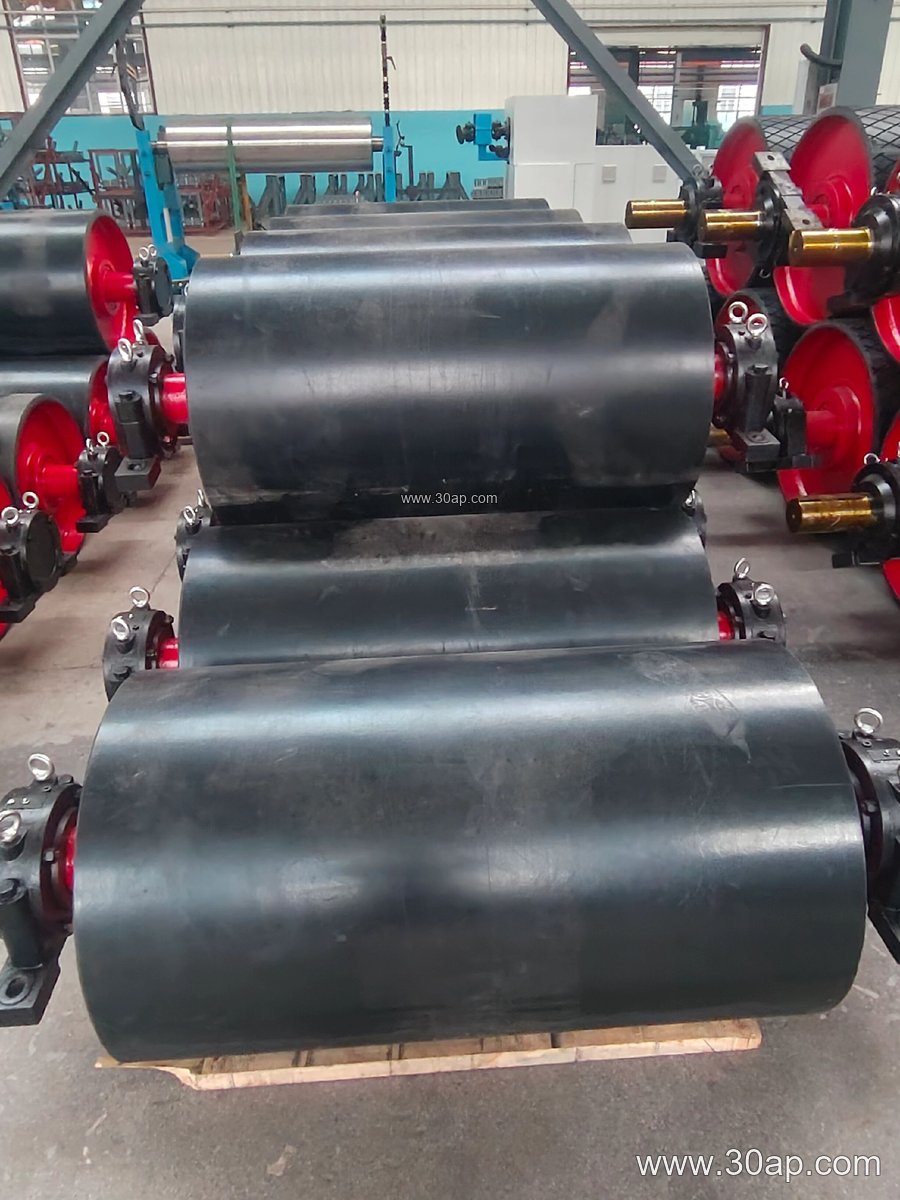
At the tail position the drum guides the return side and may carry a tensioner; a bend pulley changes direction without driving. The welded construction suits all of these because it can be built to the exact face width and diameter the layout needs. Matching conveyor brackets and frame mounts should be agreed at the same time as the shaft ends.
Selection Points for Buyers
Start with the belt: an EP conveyor belt, NN conveyor belt, or steel cord belt each bends differently. A thick, stiff steel cord belt prefers a larger drum diameter, while a fabric belt can run on a smaller one. Check the belt tension, the wrap angle, and the lagging friction demand before fixing the drum size. Then confirm the shaft, bearing type, and keyway against the actual load, and ask for weld inspection records and dynamic balance data.
Other practical checks include:
- Lagging type and thickness, plain or grooved, for the material and moisture level
- Shell plate thickness and weld preparation
- Corrosion protection for wash-down or coastal sites
- Whether a drive, tail, or bend pulley duty is intended, since each has different load direction
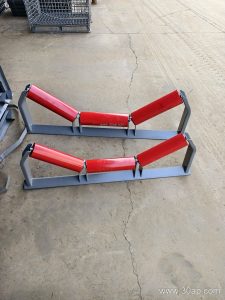
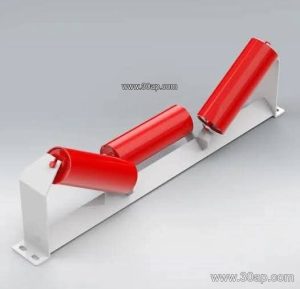
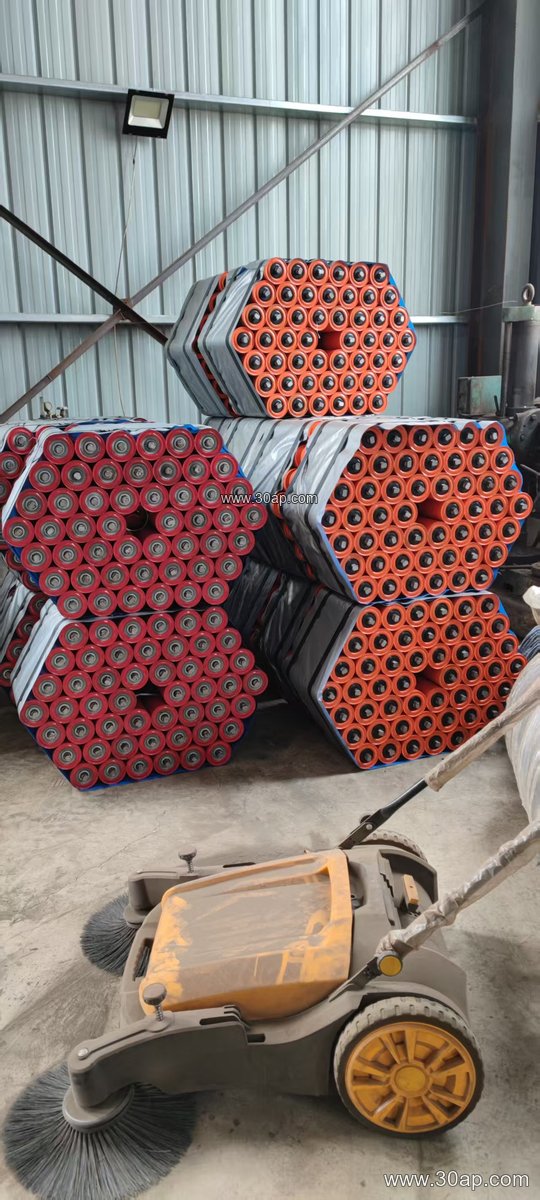
For wear parts, users often compare the pulley with the idler roller and conveyor bracket set on the same frame so that alignment and maintenance intervals stay consistent.
Maintenance and Long-Term Performance
Inspect lagging wear, belt tracking, and bearing temperature on a regular route. A welded drum that is tracking badly is often a sign of frame misalignment or a worn lagging edge, not a failed shell. Keep spare lagging sheets and fasteners matched to the original specification. For abrasive duties such as stone crushing or ore handling, a thicker rubber cover usually pays back faster than repeated re-lagging. For food or clean handling, a smooth plain surface may be preferred over grooving.
Buyers should treat catalogue diameters and face widths as reference ranges, not fixed rules, and confirm every dimension with the conveyor designer before ordering.