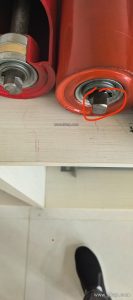
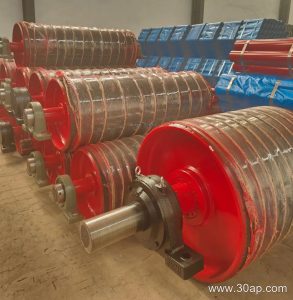
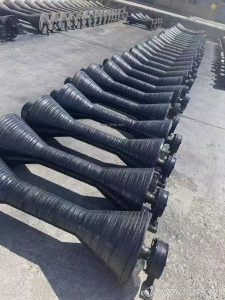
What a 315mm Diameter Conveyor Pulley Is
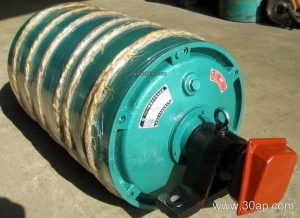
A 315mm diameter conveyor pulley is a mid-sized drum used to support and drive the conveyor belt in bulk handling systems. With an outside diameter of 315 mm, it sits between small snub pulleys and the larger heavy-duty drums found on mainline conveyors. Buyers often specify it as a Ø315 pulley or a 315 mm drum, and the same product may be described by its position in the conveyor, such as a drive pulley, tail pulley, or bend pulley. These position names are not interchangeable, because each one performs a different job and sees different loads.
The pulley works together with the conveyor belt, idler roller sets, and conveyor brackets to keep the belt tracking and tensioned. The shell rotates on a shaft carried by bearing housings, and the belt wraps around the drum surface. In a quarry or aggregate line, this size is common on medium-width belts where the pulley must handle abrasive stone without becoming oversized.
Construction and Surface Options
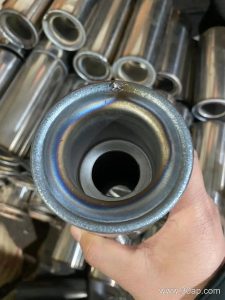
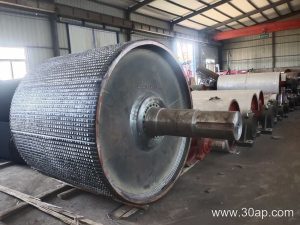
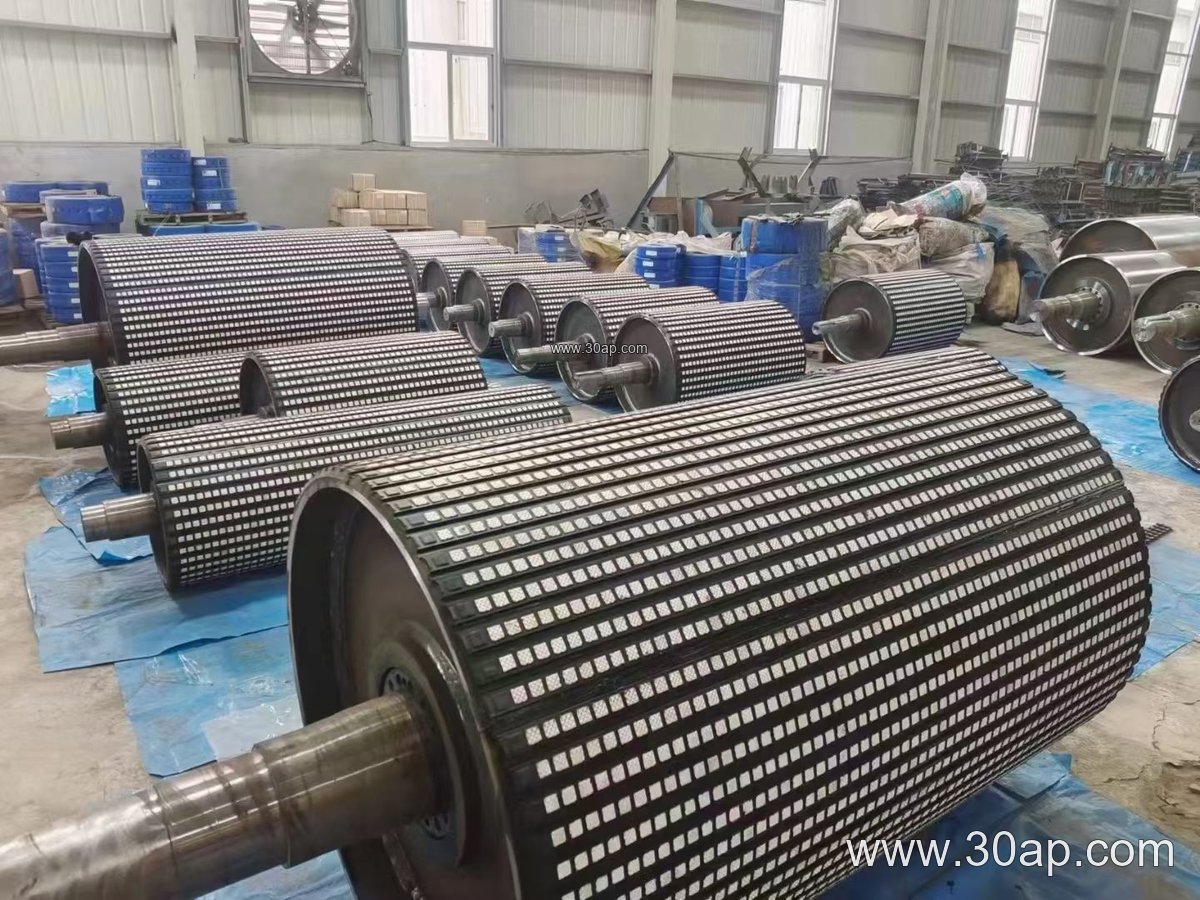
A 315mm diameter conveyor pulley is usually built from a rolled steel shell welded to end discs, with a through shaft or stub shafts. The shell face is often wider than the belt, and lagging is applied to improve grip and protect the shell. Common surface forms include plain, cast rubber, cold-bonded rubber, hot-vulcanized rubber, diamond lagging, and ceramic lagging. Lagging thickness is typically 8, 10, 12, 15, or 20 mm, chosen according to the duty.
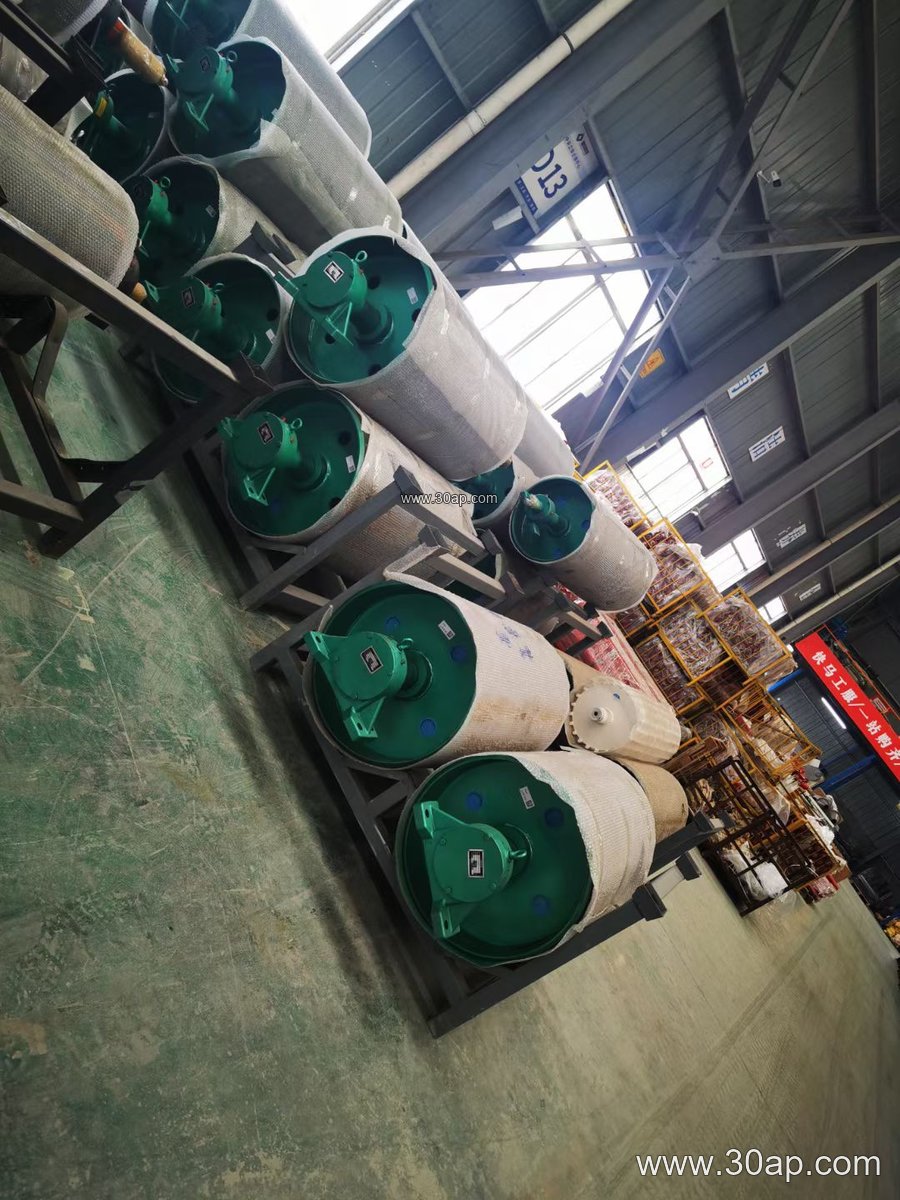
- Plain shell for light duty or where slip is not a concern
- Diamond or herringbone lagging for wet, muddy conditions
- Ceramic lagging for high-torque drive positions with abrasive material
- Rubber lagging to protect the belt and reduce wear on the shell
Bearing selection, shaft diameter, and welding quality matter more than the diameter alone. Shaft size is set by torque and radial load, not by belt width, so a Ø315 drum may use shafts from roughly Ø60 to Ø120 depending on the drive arrangement.
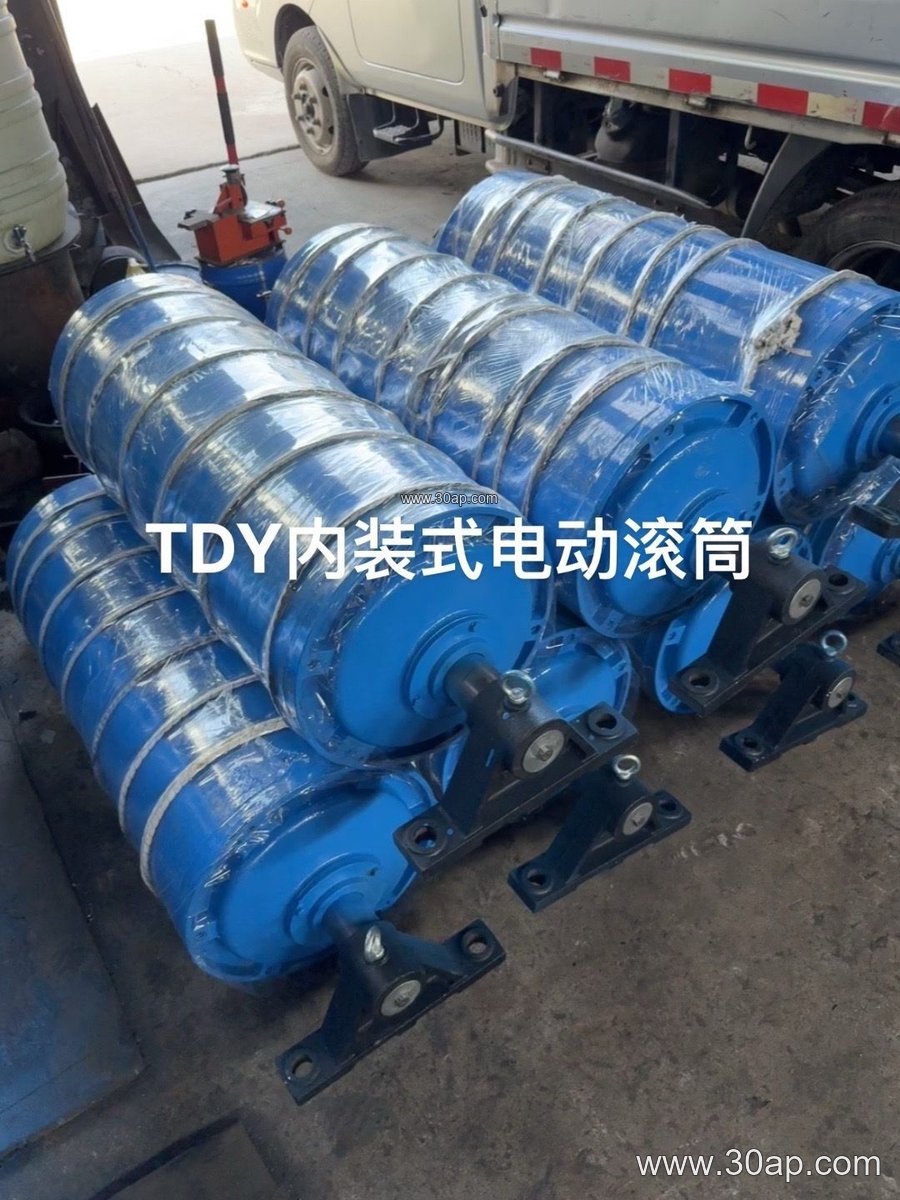
Where It Fits in a Conveyor
A 315mm diameter conveyor pulley appears in several positions. As a tail pulley at the loading end, it helps return the belt and maintain tension. As a bend pulley, it redirects the belt around structural obstacles. As a drive pulley on a short or medium conveyor, it transmits motion through friction between the lagged surface and the belt. In a coal handling plant or a cement plant, this size is often found on secondary belts rather than the main high-capacity line.
It is also used in sand and gravel plants, crushing and screening circuits, and power plant coal feed lines. On a pipe conveyor belt or a steeply inclined chevron conveyor belt, the pulley must match the belt path and the required wrap angle, so the position and lagging choice deserve early attention. For very abrasive ore, an abrasion resistant conveyor belt paired with a ceramic-lagged drum can extend service life. In underground mining, flame retardant conveyor belt and anti-static conveyor belt requirements may influence the surrounding equipment selection, though the pulley itself is selected mainly on load and grip.
Matching Belt Width and Pulley Size
Belt width and pulley diameter are related but not fixed pairs. A Ø315 pulley may be used with several belt widths, and the shell face is normally wider than the belt. The table below shows typical face width references, not mandatory combinations.
| Belt width | Typical pulley face width |
|---|---|
| B650 | about 750 mm |
| B800 | about 950 mm |
| B1000 | about 1150 mm |
| B1200 | about 1400 mm |
A B800 × Ø315 or B1000 × Ø315 arrangement is common in aggregate and cement service. Always confirm the actual belt width, belt type, and wrap angle with the conveyor designer before ordering.
Buyer Checklist
Before purchasing a 315mm diameter conveyor pulley, confirm the position in the conveyor, the belt width, the belt tension and torque, the lagging type and thickness, the shaft diameter, and the bearing housing style. Check whether the drum needs a keyed shaft, a hollow shaft, or a stub shaft for the take-up frame. Ask for the balancing grade if the pulley runs at higher speed. Also review the conveyor bracket dimensions so the bearing housings fit the frame without modification.
For related components, buyers often compare conveyor pulley options with idler roller specifications and with the belt construction, such as EP conveyor belt or steel cord conveyor belt. A matching specification sheet, dimension drawing, and lagging sample help avoid rework. Visit beltconveyorparts.com for pulley and belt reference information, and confirm final sizes against your own conveyor data.