What a Q235 Conveyor Bracket Does on the Line
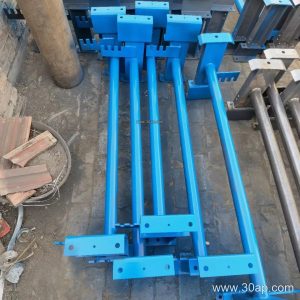
A Q235 conveyor bracket is the structural support that holds idler rollers in position under or over the belt. In practice, this mild-carbon steel bracket is the frame component that sets the trough angle, keeps roller spacing consistent, and transfers load from the belt into the conveyor stringer. Because Q235 steel offers a good balance of strength, weldability and cost, it is widely used for both fixed and adjustable bracket designs in bulk handling systems.
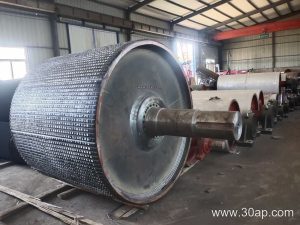
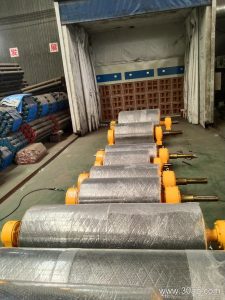
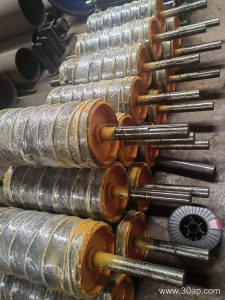
On a quarry conveyor line or a power plant coal yard, the bracket is rarely seen as a standalone item. It works together with the conveyor belt, the idler roller and the conveyor pulley to keep material moving in a stable path. A poorly aligned or under-designed bracket shows up quickly as belt edge wear, roller misalignment or spillage.
How the Bracket Is Built
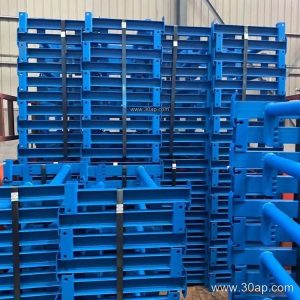
Most Q235 brackets are fabricated from angle steel, channel steel or folded steel plate. The common forms include:
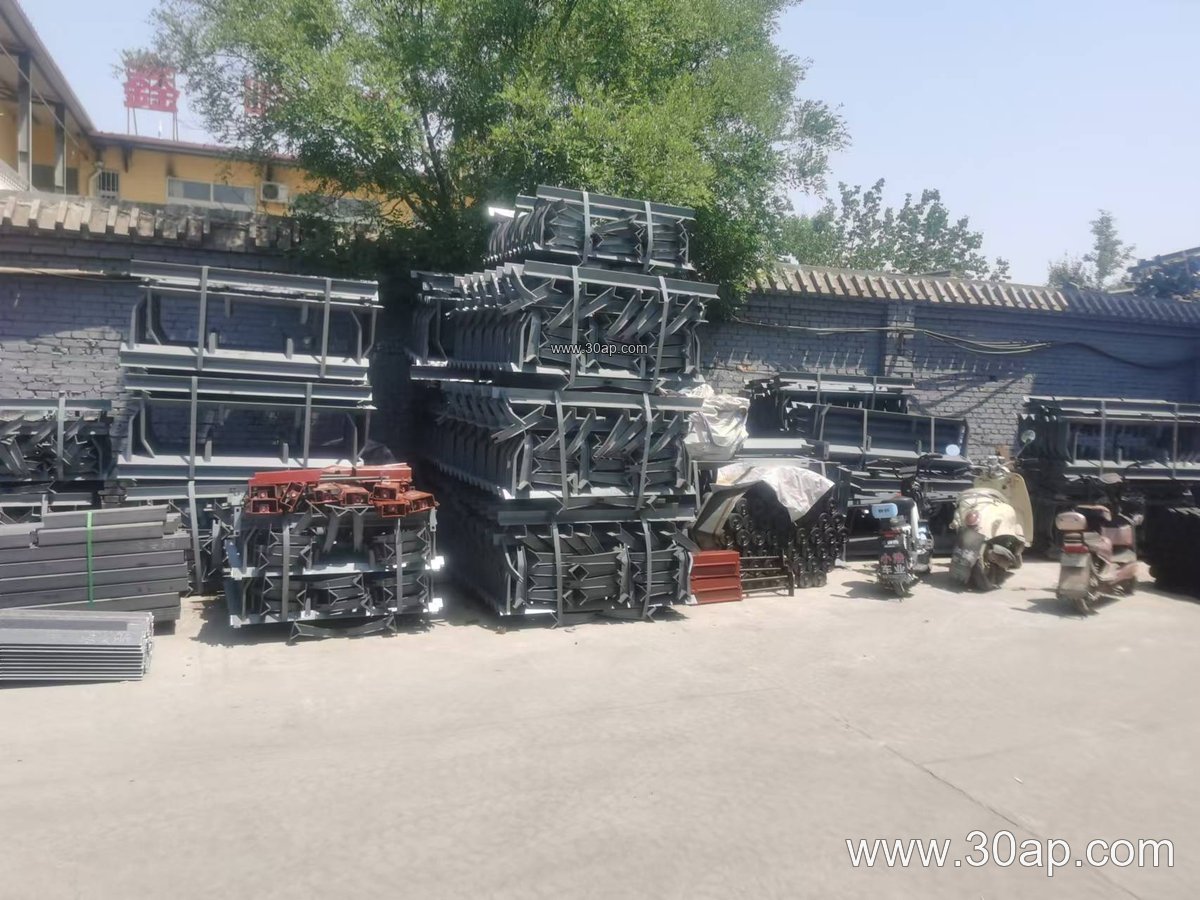
- Fixed trough brackets for standard three-roller idler sets
- Transition brackets near pulleys and chutes
- Return brackets and V-return brackets under the belt
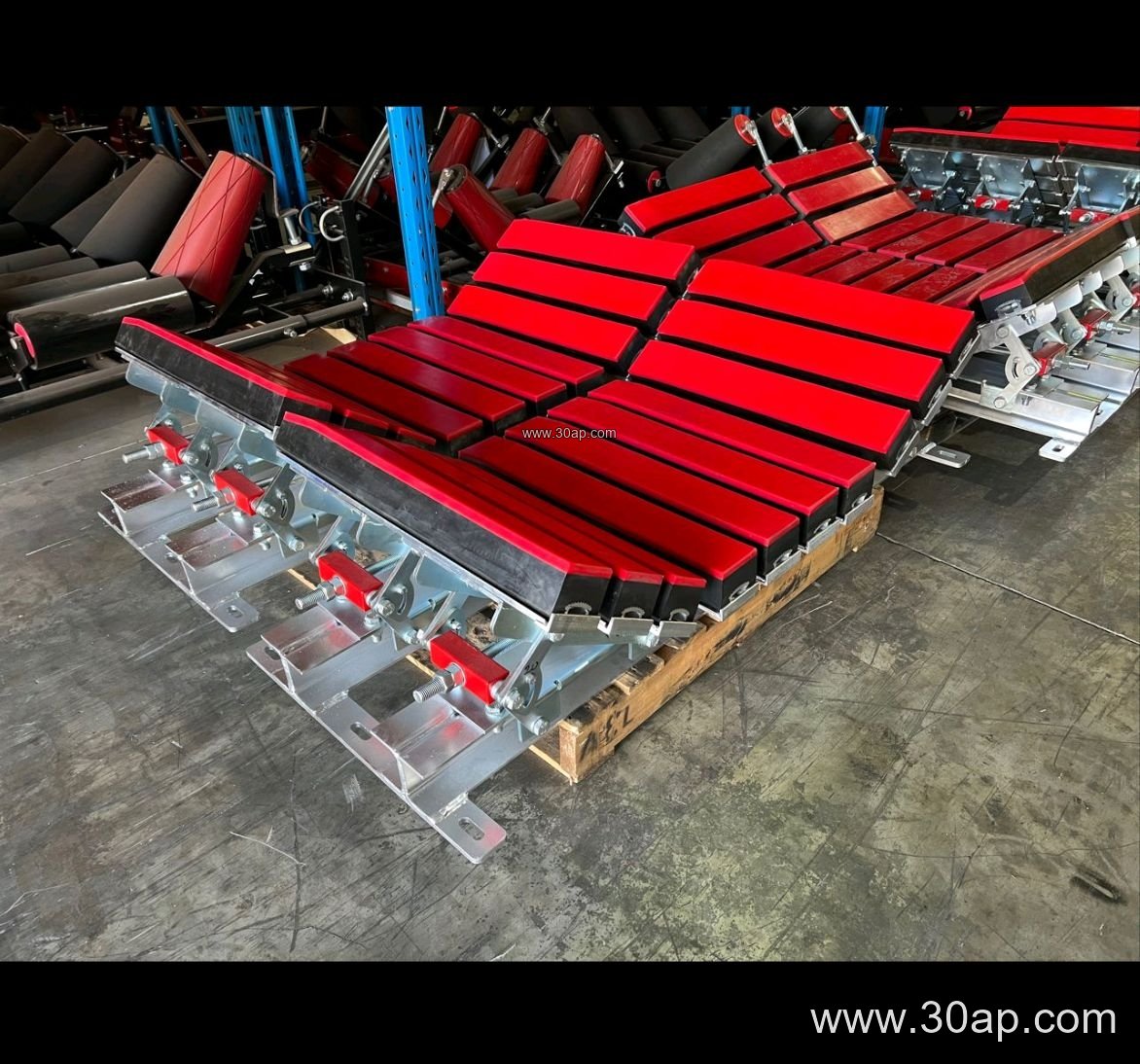
- Impact brackets with cushioning support at loading points
- Self-aligning and forward-leaning brackets for tracking control
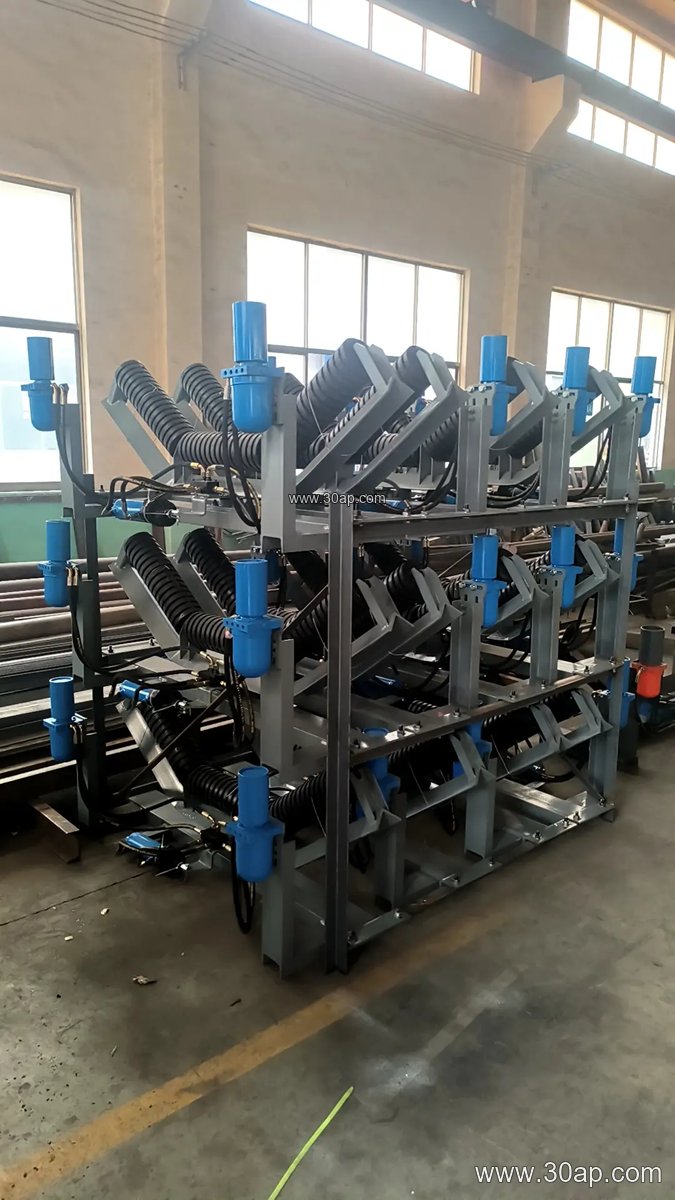
- Adjustable brackets that allow trough angle changes
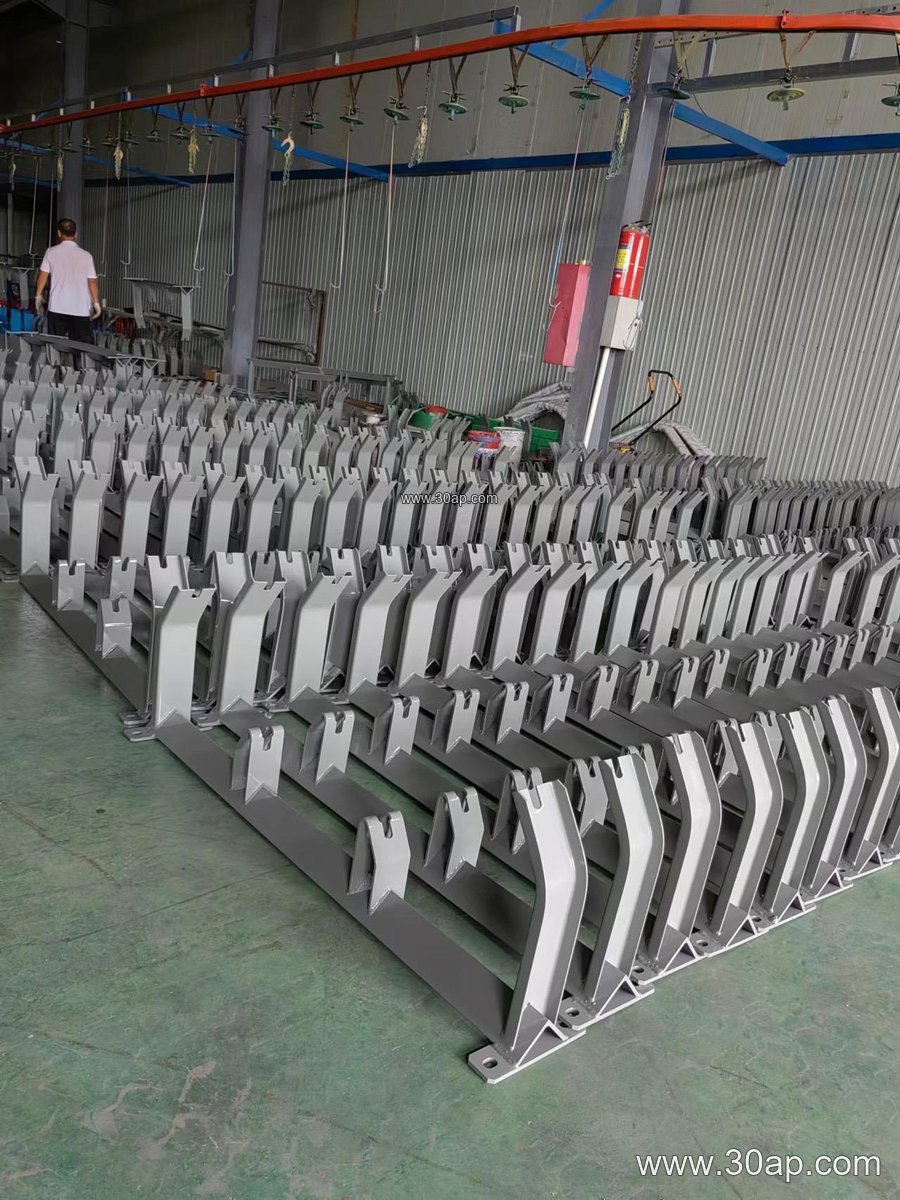
Welding quality, hole alignment and surface treatment matter more than the raw steel grade alone. A bracket with accurate mounting holes keeps the idler roller square to the belt, which reduces tracking correction work later. For dusty sites such as a cement plant or a limestone mine, a painted or galvanized finish helps limit corrosion.
Matching Belt Width, Trough Angle and Roller Diameter
Bracket selection is a design decision, not a single-size rule. Belt width, trough angle and roller diameter are chosen together with the conveyor layout. The table below shows common reference combinations; these are examples, not fixed pairings, and final values should follow the conveyor design.
| Reference | Belt Width | Trough Angle | Roller Diameter |
|---|---|---|---|
| Compact line | B650 | 30 degrees | Ø89 |
| General duty | B800 | 35 degrees | Ø108 |
| Medium duty | B1000 | 35 degrees | Ø133 |
| Heavy duty | B1200 | 45 degrees | Ø133 |
| Wide belt | B1400 | 45 degrees | Ø159 |
| Large handling | B1600 to B2000 | 35 to 45 degrees | Ø159 to Ø194 |
Adjustable brackets can usually be set among 20, 30, 35 and 45 degree trough angles. Forward-leaning brackets often use a tilt of about 1.5 to 2 degrees to help center the belt. Mounting hole spacing and crossbeam length vary with belt width and trough angle, so they should be confirmed against the drawing rather than assumed.
Where It Fits in the Plant
Two typical settings show the range. In a coal washing plant, flame retardant and anti-static belt grades are common, and the brackets under the loading zone need impact support plus reliable roller alignment. In a sand and gravel line feeding a crusher, abrasion resistant belt surfaces and heavy-duty brackets at the transfer point reduce downtime from misalignment and spillage. Similar logic applies in iron ore handling, steel plant sintering lines and port ship loading systems, where the bracket must suit the belt width and the roller load.
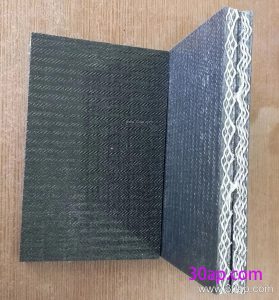
When specifying, check the belt type as well: an EP conveyor belt, a steel cord conveyor belt or a multi-ply fabric core belt each has its own stiffness and tracking behavior. A pipe conveyor belt or a corrugated sidewall belt also changes the bracket layout near the transition. The bracket and the rubber conveyor belt should be selected as one system, not separately.
Buyer Checklist
- Confirm belt width and trough angle before ordering; do not derive one from the other automatically.
- Match roller diameter to the actual idler roller and load, not to a catalog habit.
- Ask for the mounting hole drawing and crossbeam length for the specific bracket.
- State the environment: wash plant, cement plant, power plant coal yard or port, so the finish and steel thickness suit the site.
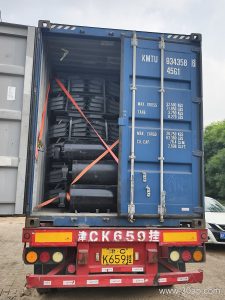
- Check weld quality and hole alignment on a sample before bulk delivery.
For a smooth line, pair the bracket with the right conveyor pulley and keep spare brackets and idler rollers on hand for the highest-wear loading points. More conveyor component references are available at www.beltconveyors.net, covering belt, idler and bracket selection topics.