What a Tail Pulley Assembly Does
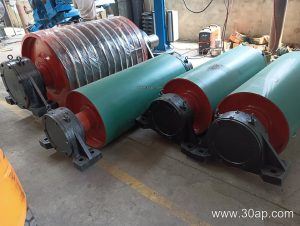
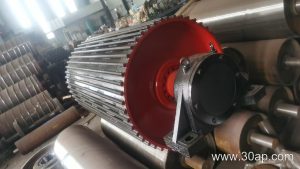
A tail pulley assembly is the return-end pulley group that supports and guides the conveyor belt at the loading or take-up end of a conveyor. Unlike the drive pulley that transmits power, the tail pulley usually rotates freely on its shaft and serves as a turning point for the belt. In many aggregate and quarry conveyor lines, the tail pulley also helps maintain belt alignment and tension when paired with a take-up system. The assembly typically includes the pulley shell, shaft, bearings, bearing housings, and a supporting frame or conveyor bracket that anchors the unit to the conveyor structure.
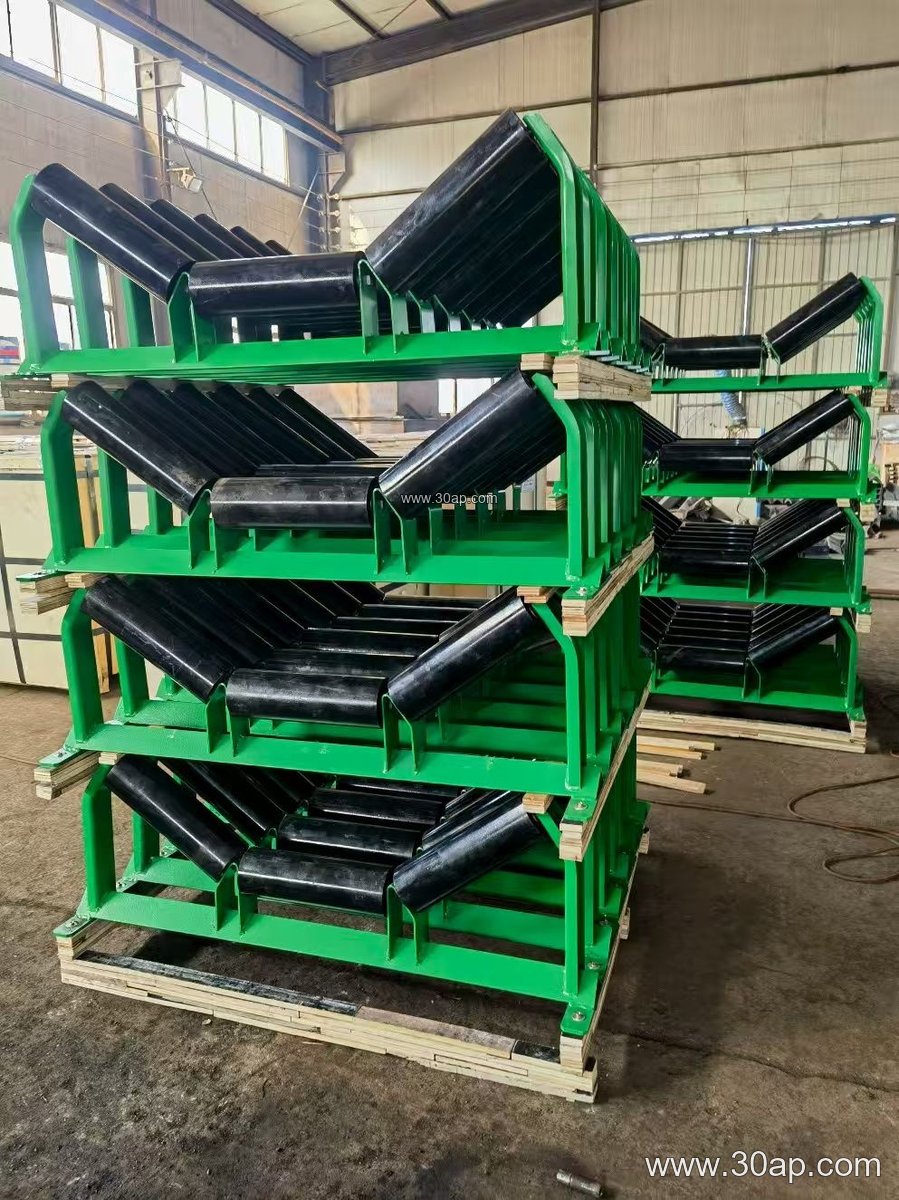
Construction and Key Components
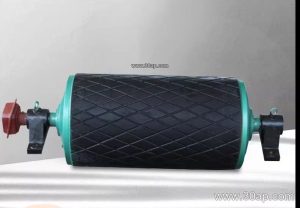
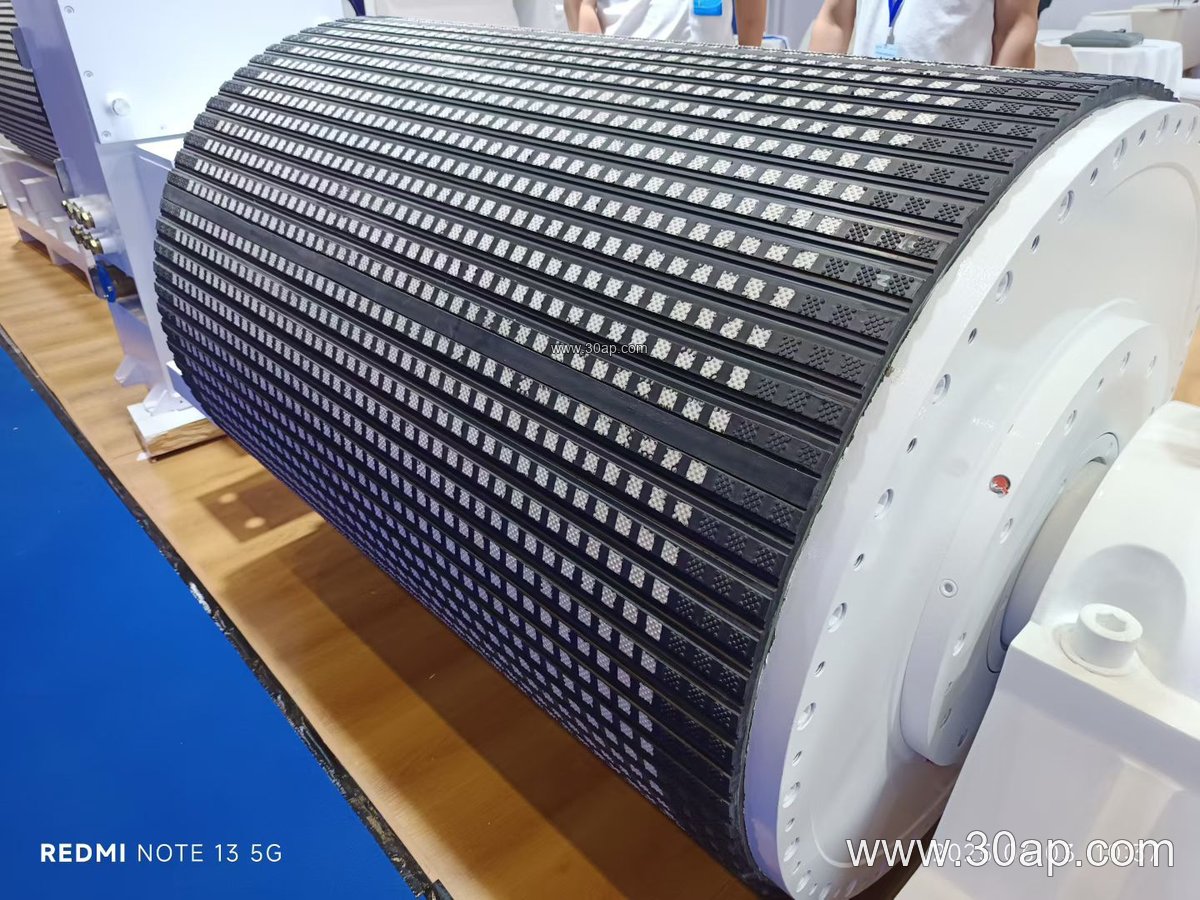
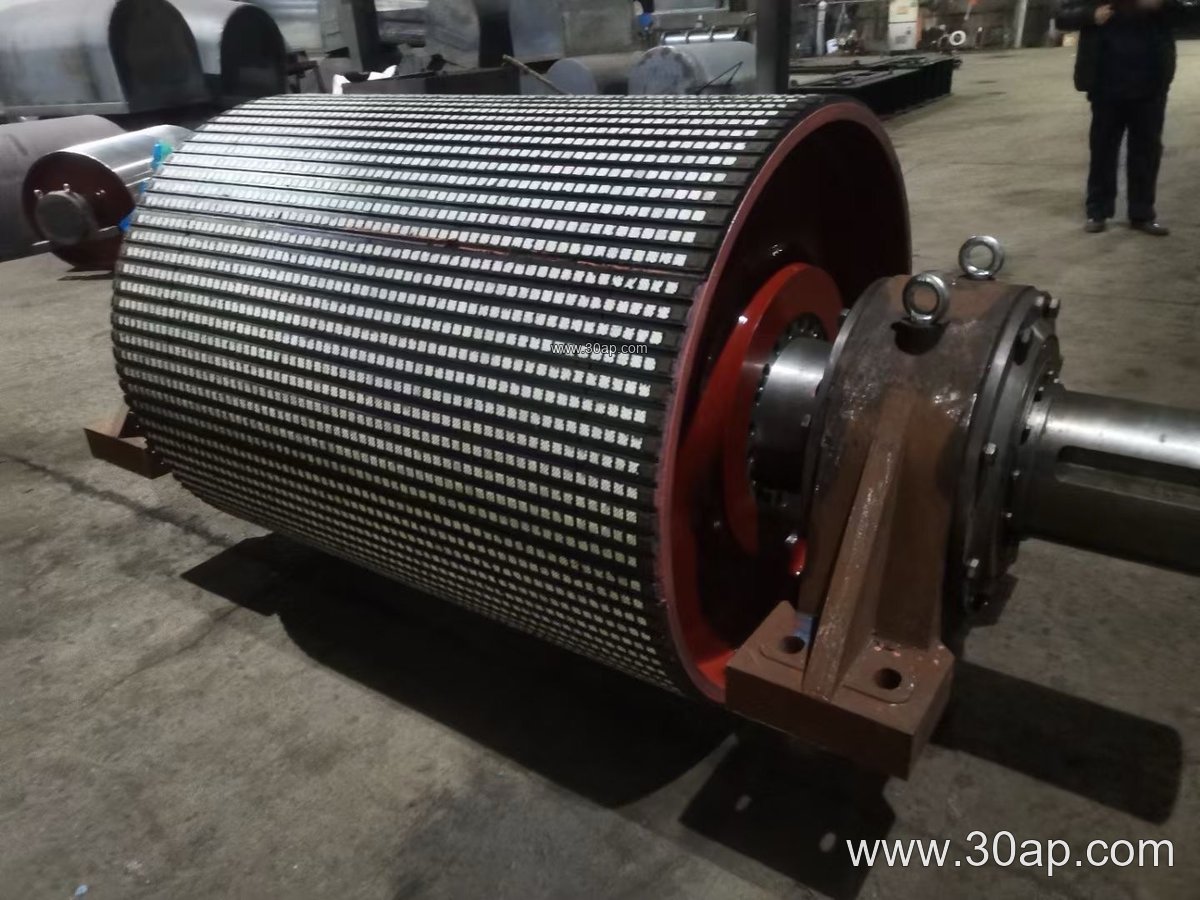
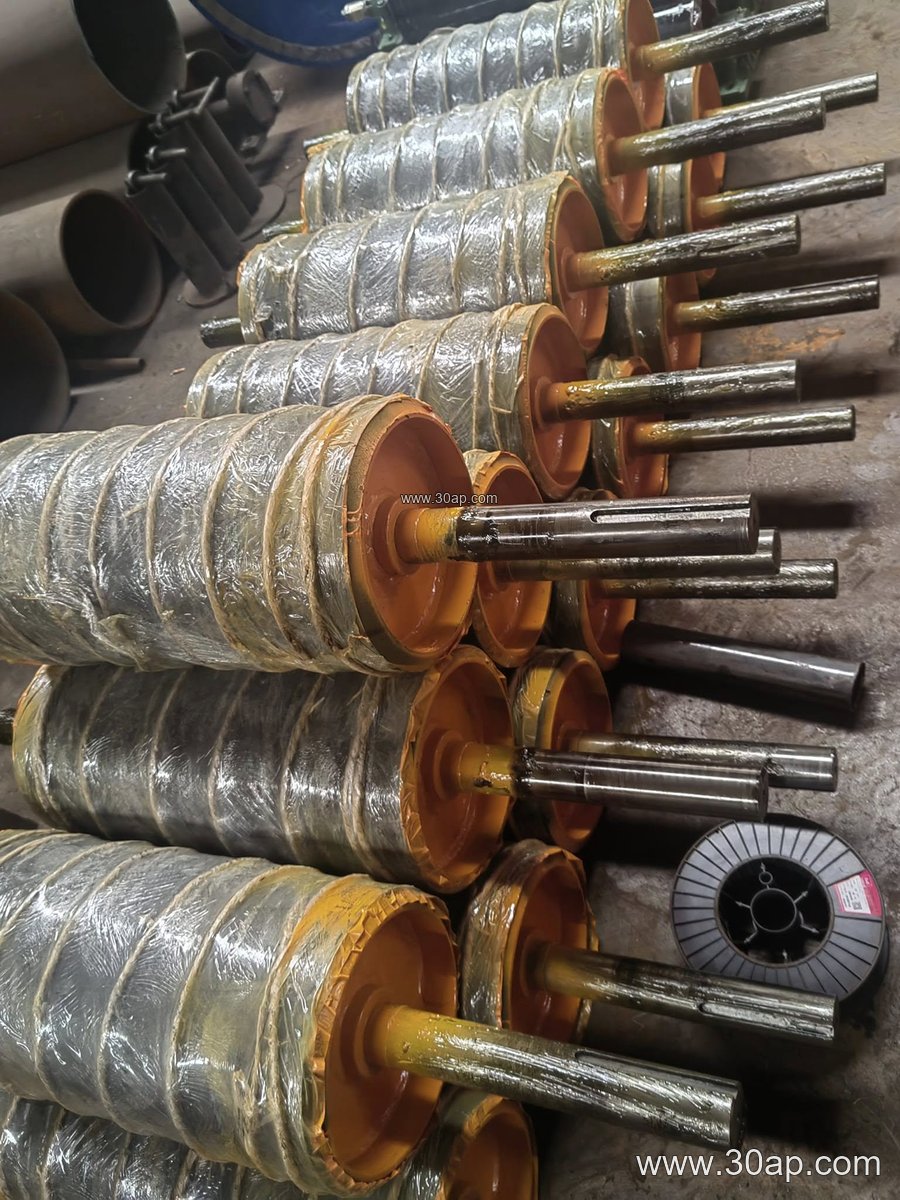
A typical tail pulley assembly is built around a welded steel drum with dished or flat end plates. The shaft is sized by torque and radial load rather than belt width alone; common shaft diameters include Ø80, Ø100, Ø120, and Ø140, but final selection depends on the conveyor design. Bearings are mounted in pillow block housings or flanged housings, and the whole unit sits in a fabricated frame that bolts to the conveyor stringers. Surface options for the tail pulley may include plain finish, rubber lagging, or ceramic lagging when extra grip or wear protection is needed. Lagging thickness is often 8 mm, 10 mm, or 12 mm, though heavier builds may use 15 mm or 20 mm. The pulley face width is usually slightly wider than the belt; for example, a B800 belt often runs on a pulley face around 950 mm, while a B1200 belt may use a face width near 1400 mm.
Where It Fits in the Conveyor Layout
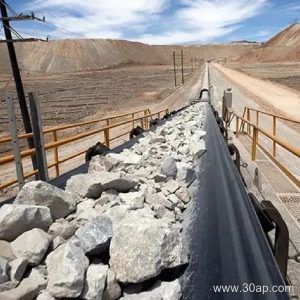
Tail pulley assemblies are found in a wide range of bulk material handling operations. In a limestone quarry or sand and gravel plant, the tail pulley sits at the feed end of a transfer conveyor, often working with a skirted conveyor belt to contain material at the loading point. In a coal washing plant or power plant coal yard, the tail pulley may be part of a conveyor that carries coal or refuse, and flame retardant conveyor belt grades are common in such environments. Cement plants use tail pulley assemblies on clinker and raw material conveyors, where heat resistant conveyor belt or abrasion resistant conveyor belt may be specified depending on the material temperature and wear severity. Port bulk terminals and iron ore handling facilities also rely on these assemblies on long overland conveyors, sometimes paired with steel cord conveyor belt for high tension applications.
Matching the Assembly to the Belt and Duty
Selecting a tail pulley assembly starts with the belt width, belt tension, and the load carried at the tail end. A B650 conveyor belt may use a pulley with a Ø400 or Ø500 diameter, while a B1000 belt could run on a Ø630 or Ø800 pulley. These are common reference combinations, not fixed rules; a B1200 × Ø1000 tail pulley assembly may be appropriate for one conveyor and a B1200 × Ø800 for another, depending on belt speed, take-up travel, and space limits. The bearing size and shaft diameter should be confirmed by the conveyor designer, since a Ø50 shaft is not automatically suitable for every B500 belt, and a Ø160 shaft is not mandatory for every B1400 belt. For abrasive bulk materials such as crushed stone or ore, a rubber-lagged or ceramic-lagged tail pulley can reduce shell wear and improve belt tracking. In dusty or wet conditions, sealed bearing housings and corrosion-resistant finishes help extend service life.
Buyer Checklist for Tail Pulley Assemblies
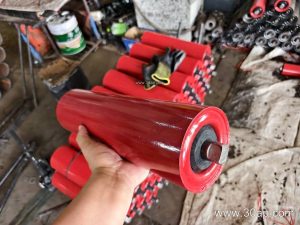
Before ordering, confirm the belt width, pulley diameter, face width, shaft diameter, bearing type, and mounting dimensions. Check whether the assembly requires a fixed bearing or a self-aligning bearing arrangement, and whether the frame is designed for a specific conveyor bracket pattern. Ask for the lagging type and thickness if the tail pulley will run in wet or abrasive service. For food or clean handling, a smooth plain pulley may be preferred, while heavy-duty mining conveyor belt systems may call for thicker lagging and reinforced end plates. Also verify the take-up method and the available space at the tail end, because a larger pulley diameter can affect belt path and tension travel. Finally, confirm that the tail pulley assembly is balanced and true-running, as an out-of-balance pulley can cause belt misalignment and premature wear on the conveyor belt and idler roller components along the line.