What a High-Strength Idler Is
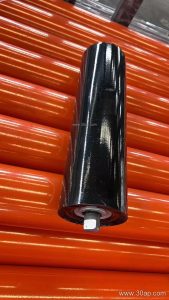
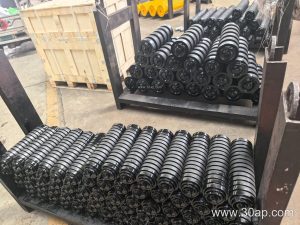
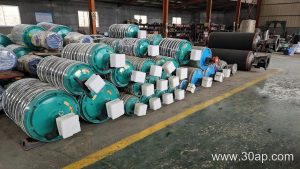
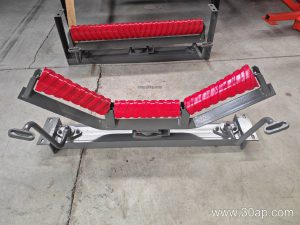
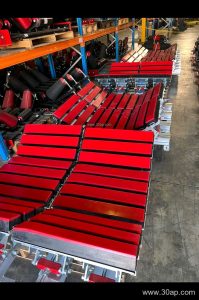
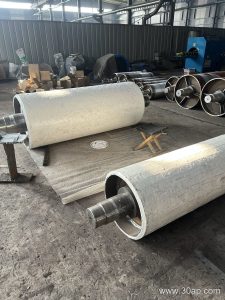
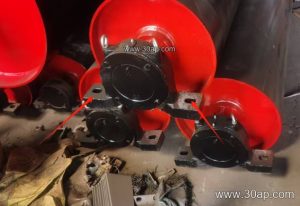
A high-strength idler is a heavy-duty conveyor idler roller built to carry high belt tensions and heavy material loads without premature wear or deflection. In a conveyor system, the idler roller supports the belt and material along the carrying and return runs. The high-strength version uses thicker shell walls, reinforced bearing housings, and heavy-duty seals to handle the stress found in primary crushing circuits, stockyard conveyors, and long overland lines. While a drive pulley, tail pulley, and bend pulley transmit power and change belt direction, the high-strength idler is a purely supporting component, and the two groups are not interchangeable.
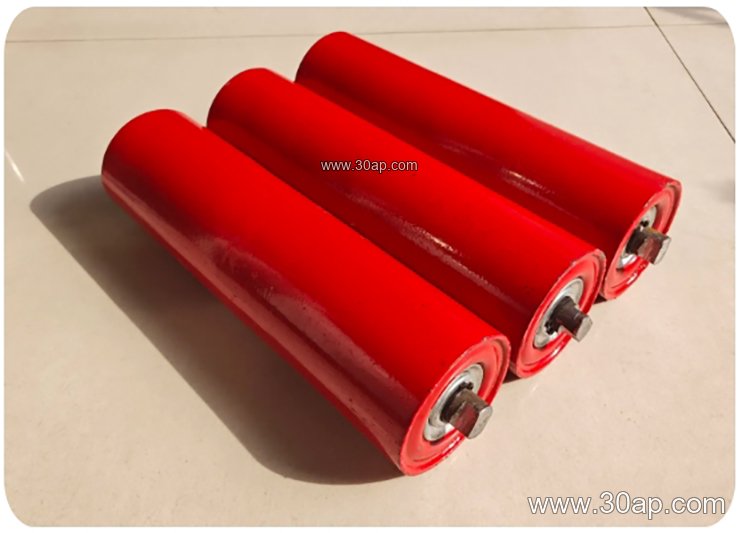
Construction Details
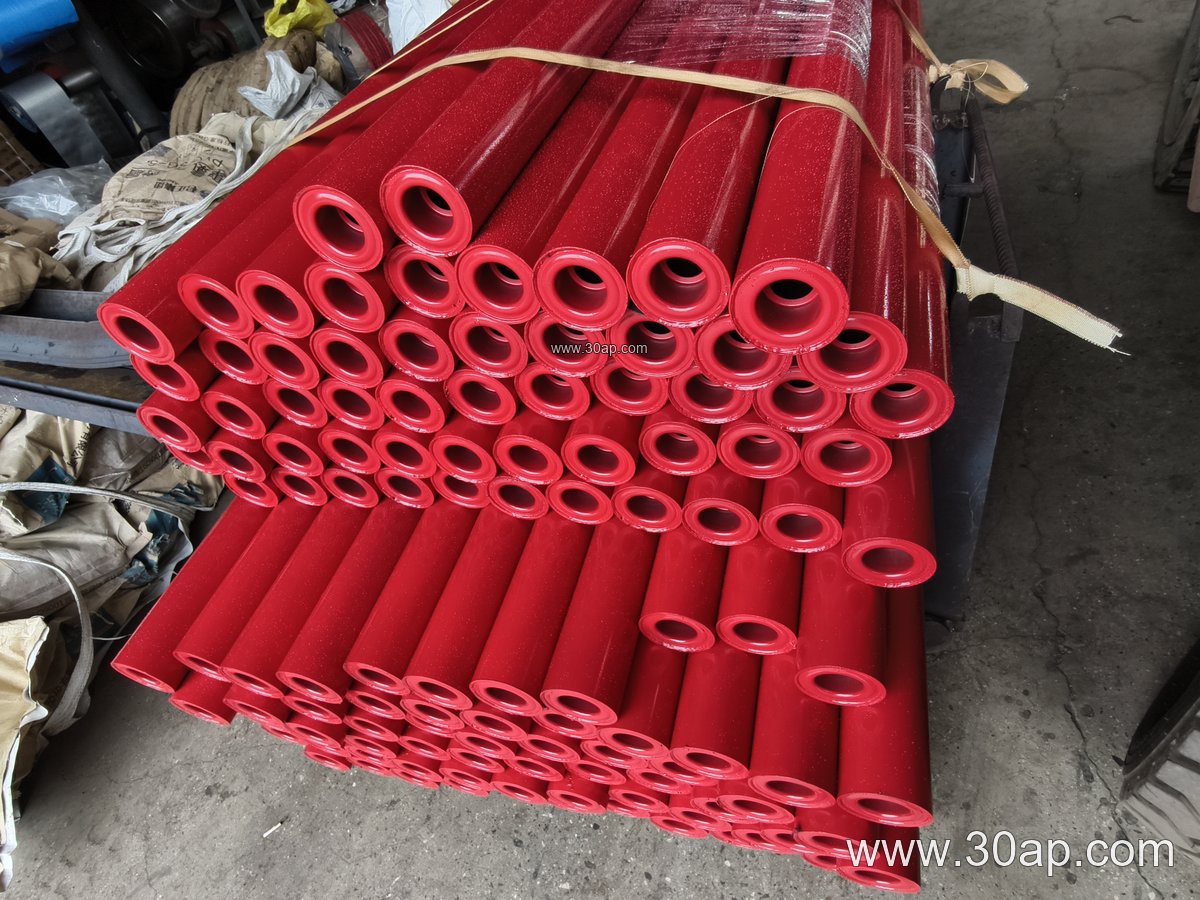
The roller body is usually made from steel tube selected for straightness and wall thickness. Bearing seats are machined to hold deep-groove ball bearings, often sizes such as 6205, 6305, or 6308 depending on shaft and load requirements. Sealing is the critical feature: a multi-labyrinth seal with a dust lip keeps fines out of the bearing cavity, which matters when handling abrasive ore or coal. The roller surface may be plain steel, nylon-coated, or fitted with rubber rings for impact absorption. A high-strength idler often uses a larger shaft and thicker end discs to resist bending under high belt tension.
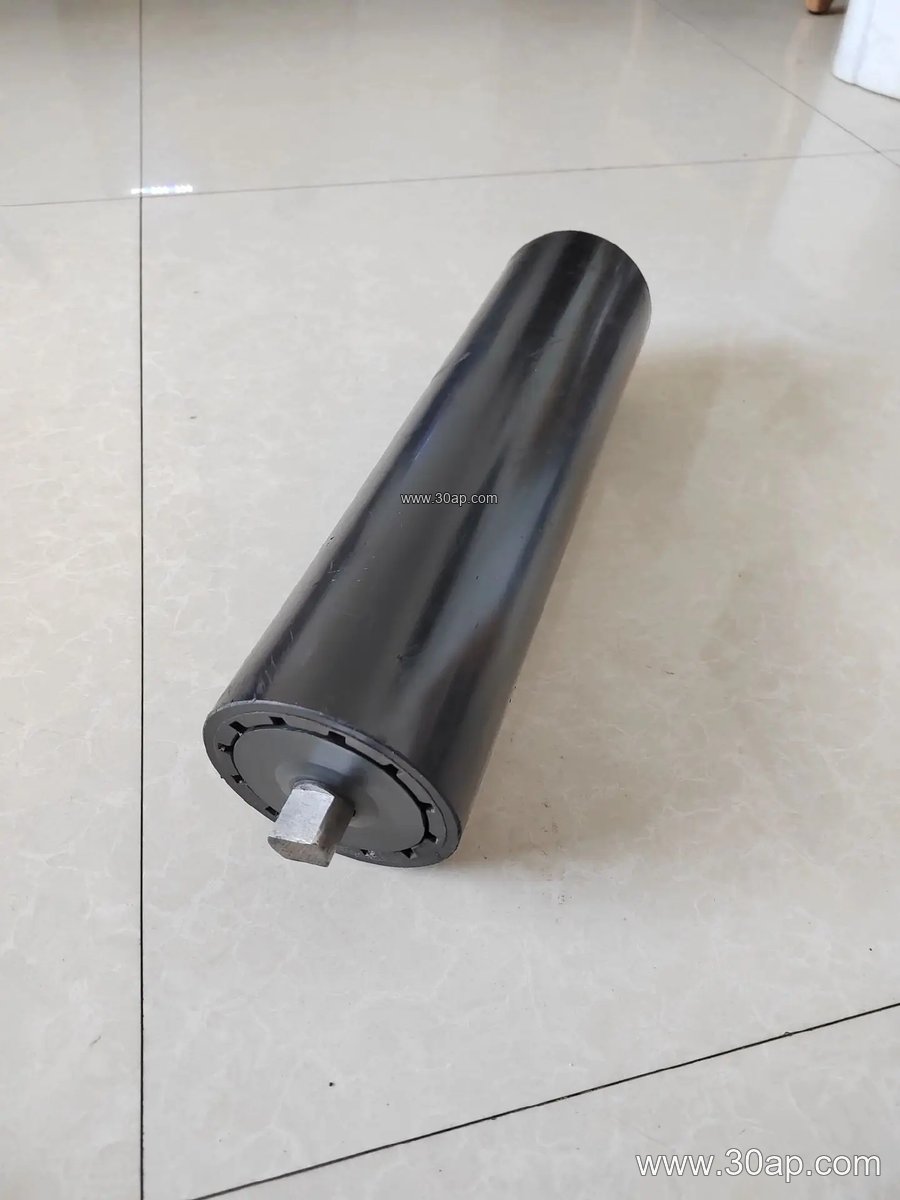
Where They Fit in a Conveyor
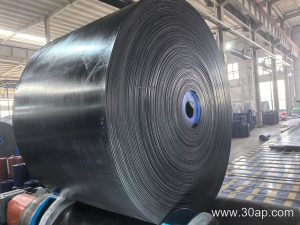
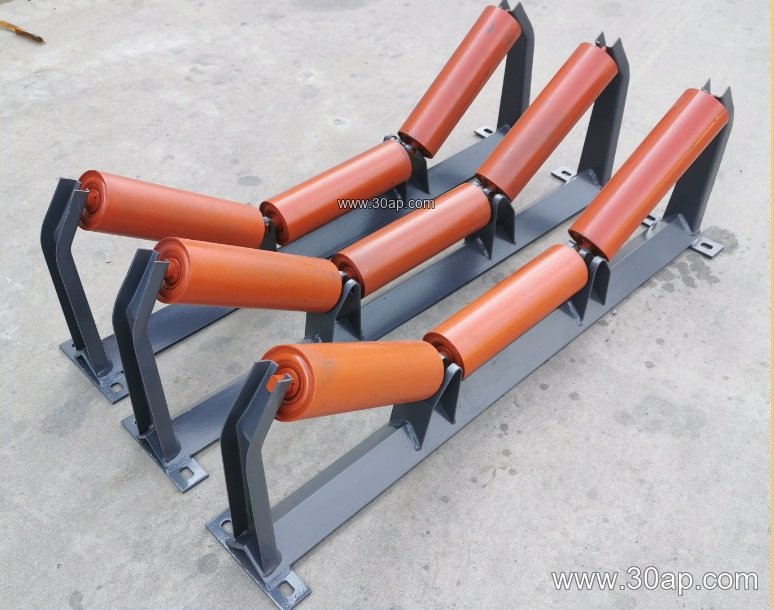
These idlers are common in the carrying run of a heavy-duty mining conveyor belt, where lump size and tonnage are high. A three-roll troughing set with 35-degree trough angle is typical for bulk material. On the return side, a V-shaped return idler or a flat return roller may also be specified in a high-strength design. In a coal mining conveyor belt system, flame retardant conveyor belt and anti-static conveyor belt are often paired with robust idlers to reduce fire risk. Similarly, a cement plant conveyor belt handling clinker or limestone needs impact-resistant idlers at transfer points. A quarry conveyor belt or aggregate conveyor belt line typically uses high-strength troughing idlers under the loading zone.
Common Sizes and Configurations
Idler diameter and belt width are selected together, but there is no fixed one-to-one rule. The following table gives typical reference values, not mandatory combinations.
| Belt Width | Typical Idler Diameter | Troughing Roll Length (example) | Common Bearing |
|---|---|---|---|
| B500 | Ø76–Ø89 | 200 mm | 6204/6205 |
| B650 | Ø89–Ø108 | 250 mm | 6205/6305 |
| B800 | Ø89–Ø133 | 315 mm | 6305/6306 |
| B1000 | Ø108–Ø159 | 380 mm | 6306/6308 |
| B1200 | Ø133–Ø178 | 465 mm | 6308/6310 |
| B1400 | Ø133–Ø194 | 530 mm | 6308/6310 |
| B1600 | Ø159–Ø219 | 600 mm | 6310 |
| B1800 | Ø159–Ø219 | 670 mm | 6310 |
| B2000 | Ø178–Ø219 | 750 mm | 6310 |
For a high-strength idler, a larger diameter is often chosen to reduce rotational speed and bearing load. Roll length changes with belt width and trough angle, so side rollers and center rollers can differ. A 20-degree trough angle gives a flatter profile, while 45 degrees suits very free-flowing material. A 1.5 to 2 degree forward tilt is sometimes used on training idlers to help center the belt, but this is a separate adjustment from the main trough angle.
Buyer Checklist
- Confirm the actual belt width and trough angle before selecting roll length.
- Check the load rating and shaft size for the conveyor bracket and frame.
- Ask about seal type and bearing clearance for dusty or wet conditions.
- Match the roller surface to the material: rubber rings for impact zones, plain steel for general carrying.
- For coal or underground use, verify that the complete conveyor system uses flame retardant conveyor belt and anti-static conveyor belt as required.
- Consider a high-strength idler with reinforced end discs where belt tension is high or where a steel cord conveyor belt is used.
Whether the line handles iron ore, copper ore, or cement clinker, the idler roller should be chosen as part of the whole conveyor design, alongside the conveyor pulley, conveyor bracket, and belt specification. A properly sized high-strength idler helps maintain belt alignment, reduce downtime, and protect the conveyor belt over a long service life.