What Is an EP1250 1800mm Conveyor Belt?
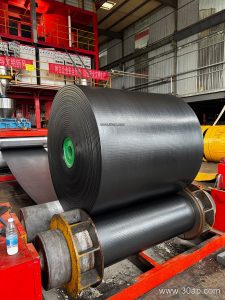
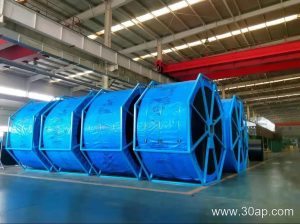
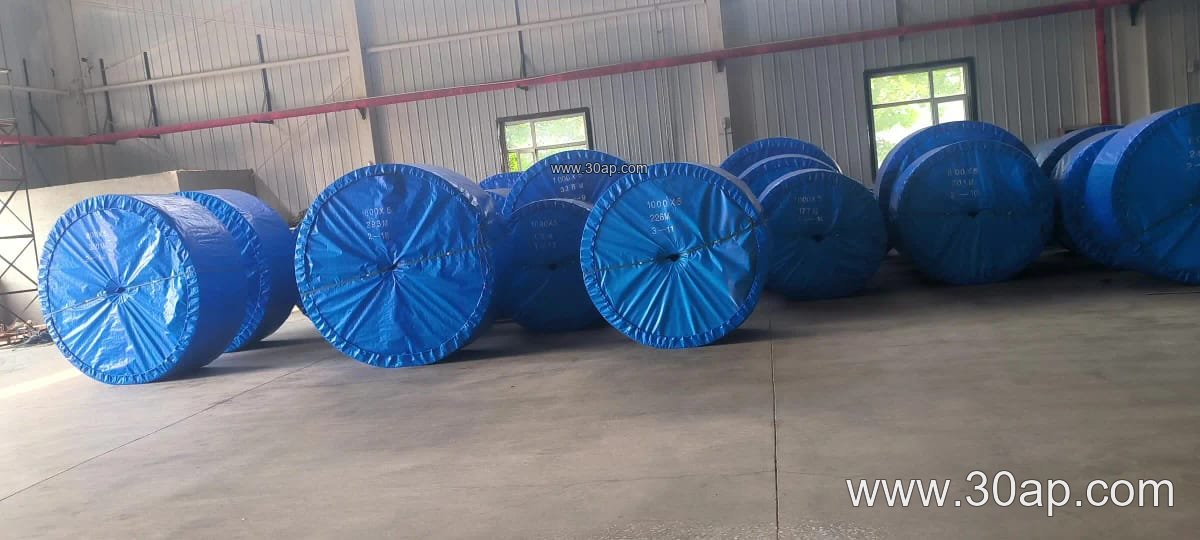
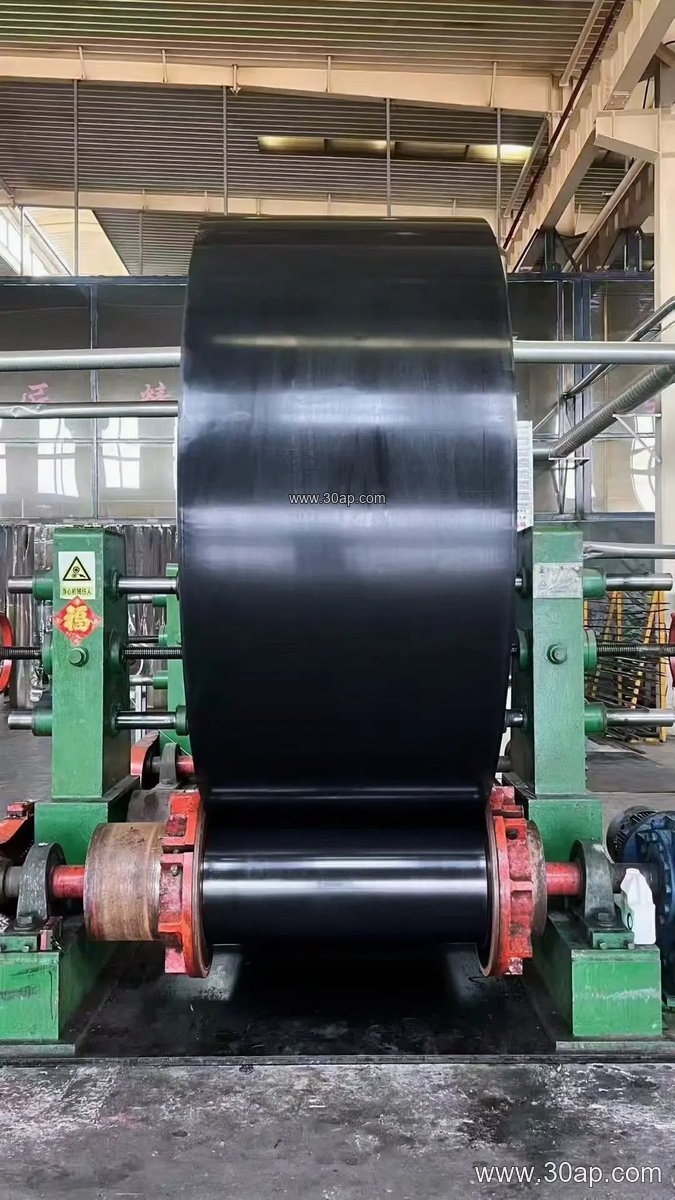
The EP1250 1800mm conveyor belt is a heavy-duty fabric-core belt built for high-capacity conveying systems. The “EP” stands for polyester warp and nylon weft, a construction that balances low elongation with excellent flexibility. The number 1250 indicates the belt’s nominal tensile strength in newtons per millimeter of width, placing it among the stronger fabric-core options. The 1800mm dimension refers to the belt width, a size commonly chosen for main haulage lines in mining, cement, and port operations where large volumes of bulk material must move efficiently. This belt is often referred to as an EP1250 1800mm wide conveyor belt or simply an EP1250 belt at 1800mm width.
Construction and Key Components
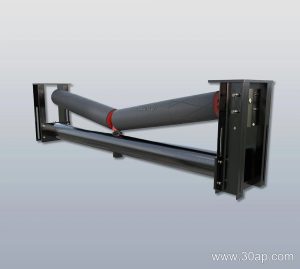
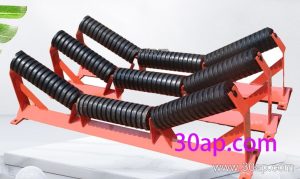
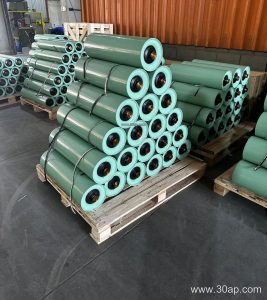
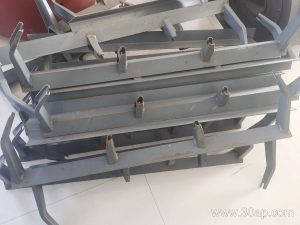
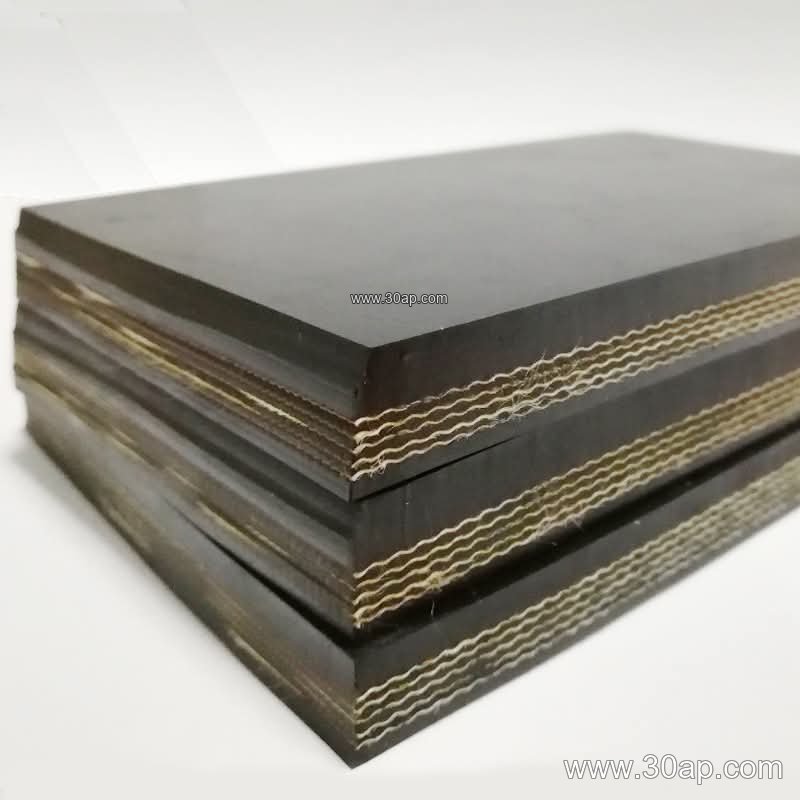
An EP1250 1800mm conveyor belt typically consists of multiple plies of EP fabric embedded in rubber. The number of plies is usually selected according to the required strength and the pulley diameters in the conveyor system. Cover rubber grades vary: abrasion-resistant compounds for handling crushed stone or ore, heat-resistant grades for cement clinker or sinter, and flame-retardant versions for coal mining and underground applications. The belt edges may be cut or molded, and the surface can be smooth or feature patterns such as chevron or corrugated sidewalls when special load retention is needed. In a complete conveyor, the belt runs over idler rollers, wraps around drive and tail pulleys, and is supported by conveyor brackets and frames. These components must be matched to the belt’s tension and load characteristics.
Typical Applications Across Industries
The EP1250 1800mm conveyor belt is frequently found in heavy industries that demand reliable, high-volume transport. In mining—both open-pit and underground—it conveys ore, coal, and waste rock. Coal mining operations often require flame-retardant and anti-static properties, making a flame retardant conveyor belt essential. Cement plants use it to move limestone, clinker, and additives, sometimes specifying a heat resistant conveyor belt for hot materials. Power plants rely on it for coal and ash handling. Quarries and aggregate plants employ abrasion resistant conveyor belts to withstand sharp, abrasive stone. Ports and ship loading facilities use wide belts like this for fast transfer of bulk cargo. Other industries include steel plants, sand making plants, and recycling facilities.
Specifications and Selection Considerations
When specifying an EP1250 1800mm conveyor belt, several parameters need attention. The table below outlines common reference values, but actual requirements should be confirmed with the conveyor design.
| Parameter | Common Range / Options |
|---|---|
| Belt width | 1800 mm |
| Tensile strength (EP grade) | EP1250 (1250 N/mm) |
| Number of plies | Usually 3 to 5, depending on design |
| Cover rubber thickness | Top 4–8 mm, bottom 2–3 mm (e.g., 6+2, 8+3) |
| Cover rubber type | Abrasion resistant, heat resistant, flame retardant, oil resistant, etc. |
| Belt edge | Cut or molded |
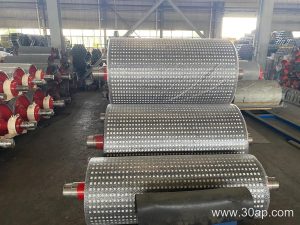
Buyers should also consider the pulley diameters—drive, tail, and bend pulleys—as they affect belt training and fatigue life. The belt width alone does not dictate a specific shaft diameter; the entire conveyor design must be evaluated. Idler roller spacing and trough angle influence load support and belt sag. For high-impact loading points, impact idlers or cushion rollers may be recommended. Environmental conditions such as temperature, oil exposure, or fire risk will determine the cover compound. A cold resistant conveyor belt may be needed in freezing climates, while an oil resistant conveyor belt suits grain or recycling facilities.
Maintenance and Operational Notes
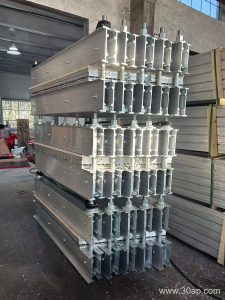
Proper maintenance extends the service life of any conveyor belt, including the EP1250 1800mm size. Regular inspection of idler rollers for seizure or wear prevents belt damage. Pulley lagging should be checked for wear and replaced when necessary to maintain traction. Belt tracking should be monitored, especially on long conveyors with many transition points. Cleaning systems such as scrapers help remove carryback material, reducing buildup on pulleys and idlers. Storage also matters: belts should be kept in a dry, shaded area and not folded sharply. When splicing, use the correct splice method for the belt construction—either mechanical fasteners or vulcanized splice—and follow the belt manufacturer’s recommendations.
Buyer’s Checklist
- Confirm the required tensile grade (EP1250 or higher if surge loads are expected).
- Specify cover rubber type and thickness for the material being conveyed.
- Check compatibility with existing pulley diameters and idler roller spacing.
- Consider flame retardant and anti-static requirements for underground or coal applications.
- Verify belt width against the conveyor frame and loading chute dimensions.
- Discuss splicing method and availability of splicing materials.
For more information on conveyor belts, idler rollers, and pulleys, please visit our website at www.example.com/conveyor-belt. Our team can help you select the right belt for your mining, cement, or power plant application.