What a High-Strength Idler Is
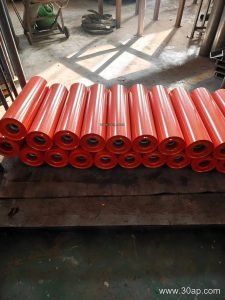
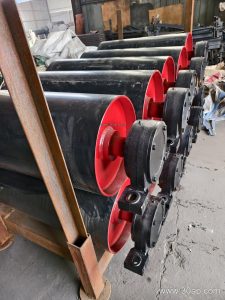
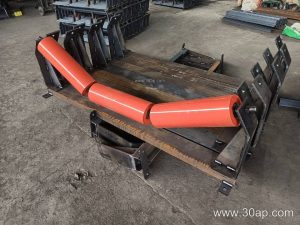
A high-strength idler is a heavy-duty conveyor roller built to carry high belt tensions and heavy material loads without premature failure. Unlike a standard idler roller, this component uses thicker wall tubing, reinforced bearing housings, and advanced sealing to withstand constant shock and abrasion. In quarry and aggregate lines, where rock and ore hammer the belt, the high-strength idler keeps the conveyor belt tracking smoothly and extends service intervals. You will also find it in cement plants and power plant coal handling, where dust and continuous operation test every roller.
Construction and Key Components
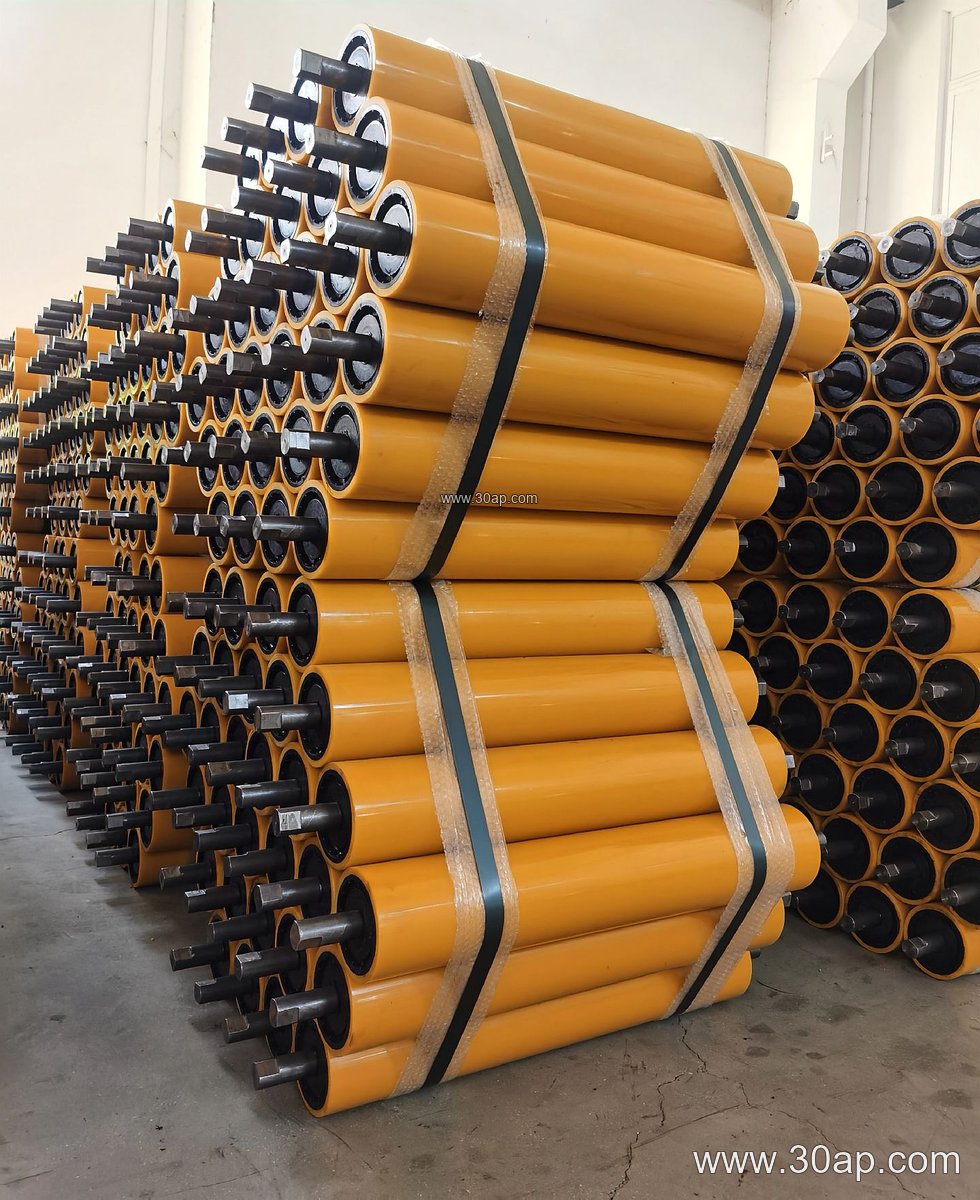
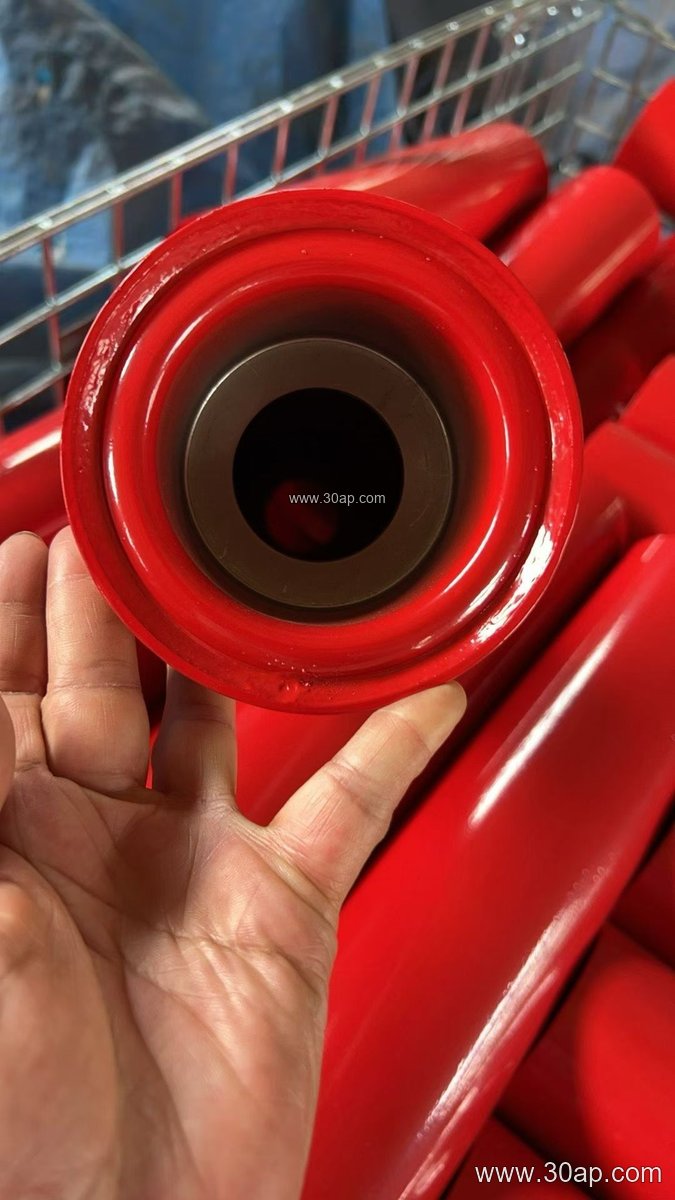
The high-strength idler typically starts with a precision steel tube, often with a thicker wall than general-purpose rollers. Bearing seats are machined for a tight fit, and the shaft is sized to match the load without overbuilding. Common bearing numbers include 6205, 6305, 6306, and 6308, but the correct match depends on the idler diameter and load rating, not a fixed rule. Sealing is critical: a multi-labyrinth seal or contact seal keeps fines out, which matters in stone crushing and screening circuits. The roller surface may be plain steel, nylon, or rubber-disc for impact absorption. For high-strength idlers, the shell and end caps are often welded or press-fitted with extra reinforcement to resist bending under heavy belt pull.
Common Diameters and Belt Widths
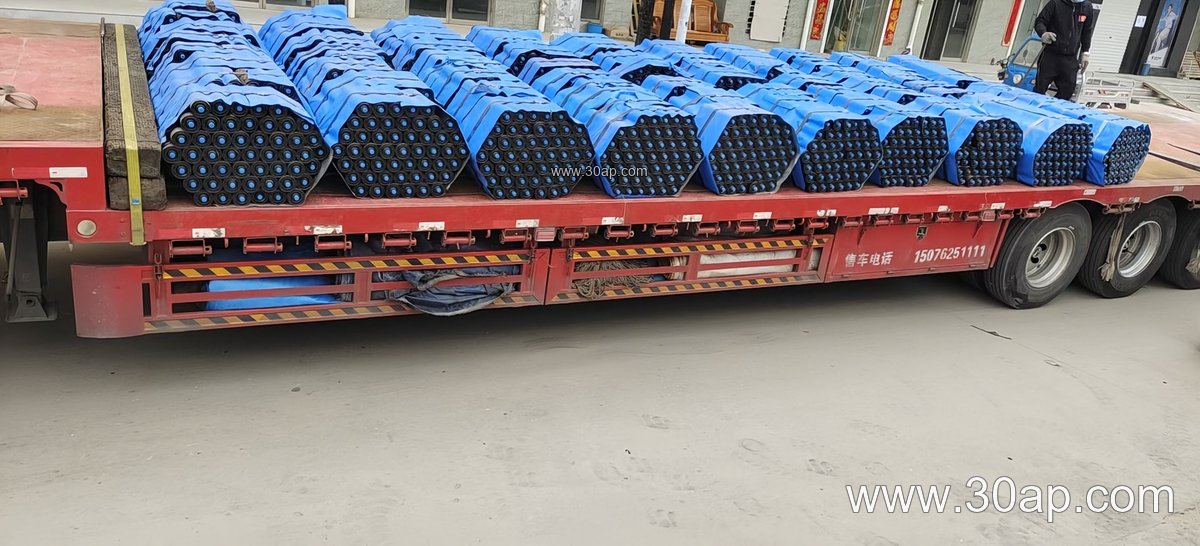
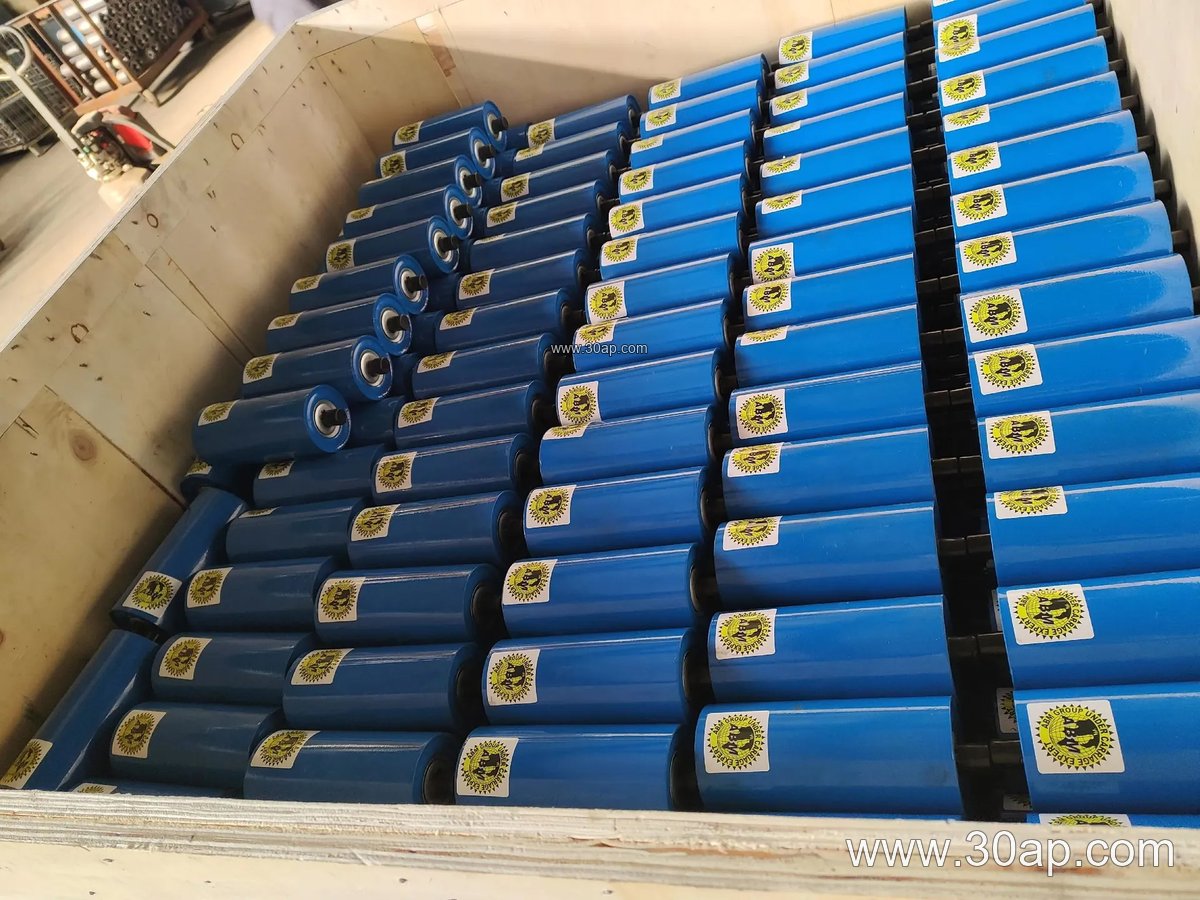
High-strength idlers are available in a range of diameters to suit different belt widths and trough angles. The table below shows typical reference values; actual selection depends on belt tension, load, and conveyor design.
| Idler Diameter (mm) | Typical Belt Width Range (mm) | Common Bearing Example |
|---|---|---|
| Ø89 | B500–B800 | 6204 / 6205 |
| Ø102 | B650–B1000 | 6205 / 6305 |
| Ø108 | B800–B1200 | 6305 / 6306 |
| Ø127 | B1000–B1400 | 6306 / 6308 |
| Ø133 | B1200–B1600 | 6308 |
| Ø159 | B1400–B1800 | 6308 / 6310 |
| Ø178 | B1600–B2000 | 6310 |
| Ø194 | B1800–B2200 | 6310 |
| Ø219 | B2000–B2400 | 6310 |
These are common examples only. A high-strength idler with a 127 mm diameter might use a 6306 bearing in one design and a 6308 in another, depending on the manufacturer’s load calculation. Never assume a fixed shaft diameter from belt width alone.
Where High-Strength Idlers Are Used
In a limestone quarry, a high-strength idler on the main haulage conveyor supports a thick abrasion resistant conveyor belt carrying run-of-mine rock. The roller must resist impact and misalignment without seizing. In a coal washing plant, a flame retardant conveyor belt runs over high-strength idlers that tolerate wet fines and occasional surge loads. You will also see them on overland conveyors at ports and steel plants, especially where a steel cord conveyor belt carries heavy ore. For a pipe conveyor belt or a corrugated sidewall conveyor belt, the idler design may differ, but the high-strength requirement remains for the load-bearing positions.
Selection and Maintenance Notes
When choosing a high-strength idler, match the roller diameter and bearing to the actual belt tension and material lump size. A three-roll troughing set with 35-degree trough angle is common in bulk material handling, but 20-degree or 45-degree sets appear in specific layouts. Roller length varies with belt width and trough form—for example, a B1000 belt might use a 380 mm roller in a three-roll set, while a B1400 uses about 530 mm. These are not fixed pairings. Check that the idler frame and conveyor bracket are compatible, and confirm the shaft end type. During maintenance, listen for noisy bearings and check for shell wear. Replacing a worn high-strength idler early prevents damage to the conveyor belt and avoids unscheduled downtime. For harsh conditions, specify a high abrasion resistant conveyor belt alongside the idlers to get a balanced wear life.