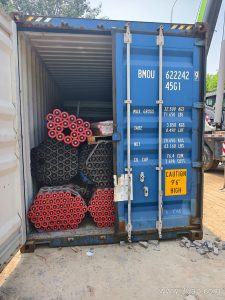
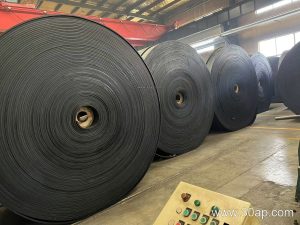
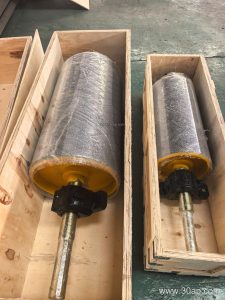
What the EP500 Conveyor Belt Is
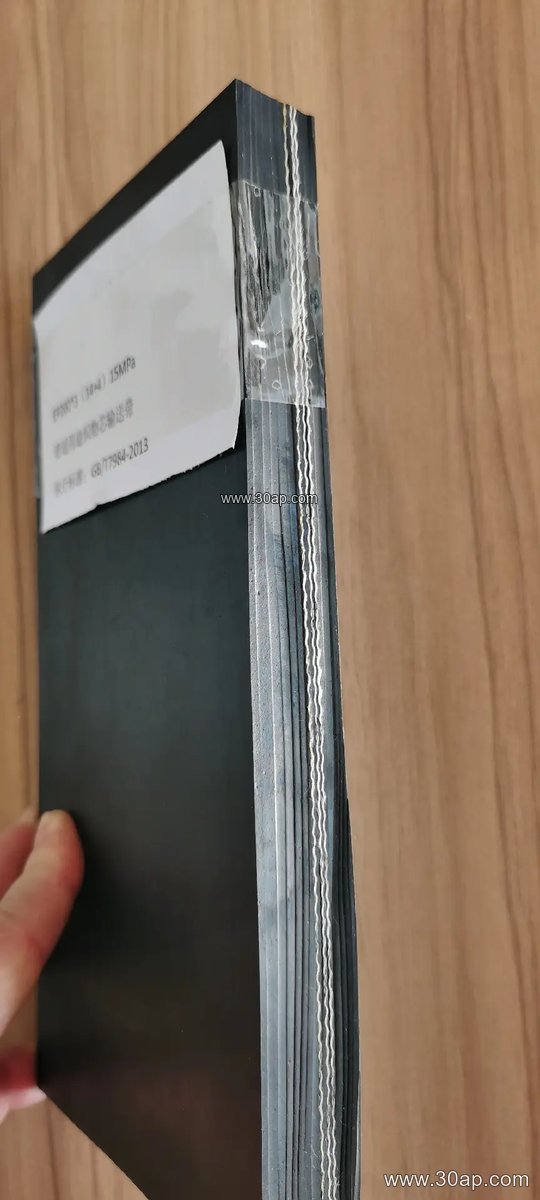
An EP500 Conveyor Belt is a fabric-core rubber belt built around polyester-polyamide (EP) plies with a nominal tensile strength of 500 N/mm per ply. It sits in the mid-to-upper range of the EP family, above common EP200 and EP315 constructions and below the heaviest EP630 or EP800 builds. Buyers often refer to the same product as an EP500 rubber conveyor belt, an EP fabric core conveyor belt, or simply an EP belt; these are equivalent names for the same article, not different product classes.
The EP carcass combines low elongation with good resistance to fatigue, which suits long runs and repetitive starting loads. For abrasive or hot duties, the cover compound matters as much as the ply rating, and mills can supply the belt with abrasion resistant, heat resistant, or flame retardant covers while keeping the EP500 core.
Construction and Typical Specifications
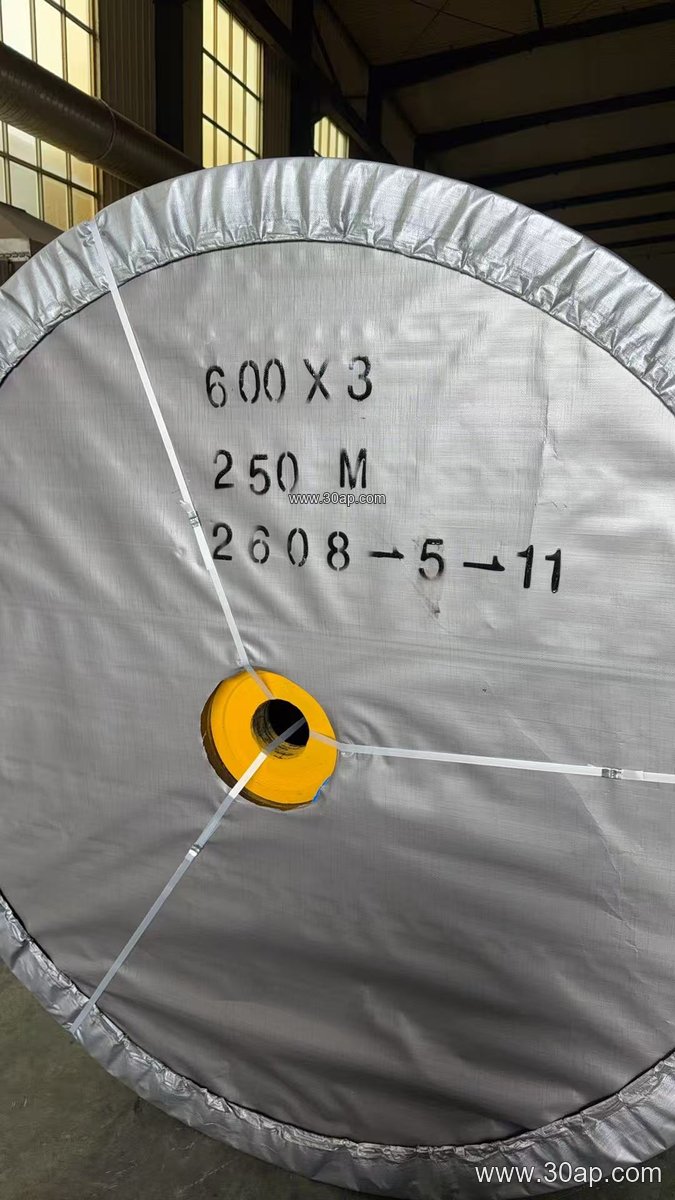
A standard build uses two to six EP plies, with the ply count selected by the conveyor designer rather than fixed by the strength grade alone. Covers are usually quoted as top plus bottom thickness, for example 5+2 mm or 6+2 mm for medium abrasive rock and 8+3 mm for sharp, lumpy feed. Edge construction, skim coats, and breaker fabric are agreed at order stage.
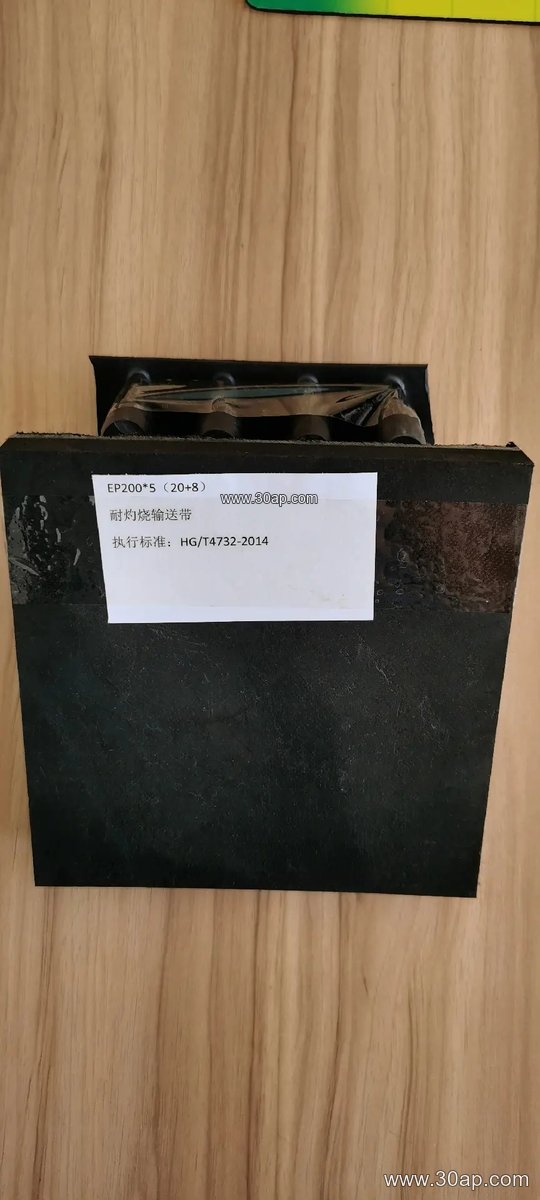
- Strength grade: EP500 (also written EP500/3, EP500/4, EP500/5 depending on ply count)
- Common widths: B500, B650, B800, B1000, B1200, B1400, B1600, B1800, B2000
- Cover combinations: 3+1.5, 4+2, 5+2, 6+2, 8+3 mm
- Carcass: 2 to 6 EP plies, occasionally more for special duties
- Options: chevron profile, corrugated sidewall, skirted edges, anti-static, cold resistant compounds
These values are reference data. Actual thickness, ply count, and cover grade are set by the application and should be confirmed against the manufacturer’s data sheet before ordering.
Where It Fits on the Conveyor
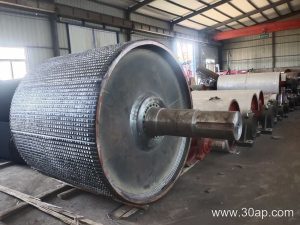
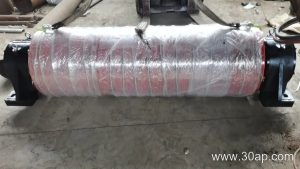
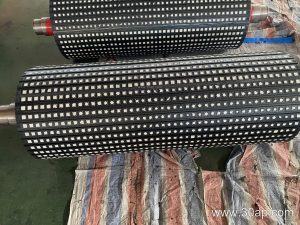
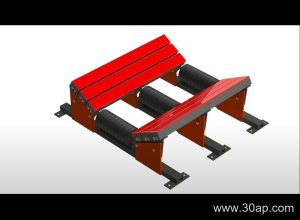
The belt is only one part of the line. It runs over a drive pulley at the head, a tail pulley at the loading end, and bend pulleys where the route changes direction; these three pulley duties are distinct and not interchangeable. Troughed idler rollers support the carrying side, return rollers hold the empty strand, and conveyor brackets fix the frames to the structure. Matching belt tension to pulley diameter and shaft size is a design calculation, so a given belt width never locks in one pulley size.
Typical service includes:
- Coal mining conveyor lines and underground coal mining conveyor belts where flame retardant grades are specified
- Cement plant, power plant, and steel plant bulk material handling
- Quarry conveyor belts, aggregate conveyor belts, and crusher conveyor belts feeding screens
- Sand making plant and stone crushing lines with abrasive, damp feed
- Port conveyor belts and ship loading systems moving ore or grain
- Iron ore, copper ore, and gold mining conveyor duties requiring a high strength conveyor belt
Where material is sticky or the incline is steep, a chevron conveyor belt or corrugated sidewall belt may be a better fit than a flat EP500 belt, but those are separate constructions and should not be treated as substitutes for the plain EP carcass.
Selection Notes for Buyers
Start with the duty: tonnage per hour, lump size, material temperature, moisture, and whether the belt must be fire resistant or anti-static. Then check the conveyor’s take-up travel, because EP belts stretch less than NN belts of the same rating but still need adequate take-up. Confirm pulley diameters and shaft sizes with the conveyor designer, and verify that the drive pulley has enough wrap and lagging for the calculated tension.
For heavy-duty mining conveyor belts, ask for the cover’s abrasion and cut resistance data rather than relying on the EP500 label alone. For dusty coal or grain, specify anti-static and flame retardant properties. For cold climates, a cold resistant cover avoids cracking at start-up. Heat resistant and oil resistant options exist, but each changes the compound and should be quoted explicitly.
Installation and Maintenance
Square the belt on the frame before tensioning, check that idler rollers turn freely, and align the tail pulley with the drive pulley. Splicing method affects life: vulcanized endless splices are common for long, high-tension runs, while mechanical fasteners suit shorter or temporary lines. Track belt edge wear, cover gouges, and splice condition during routine inspections. A belt that keeps training to one side often signals a misaligned conveyor bracket, a seized idler roller, or uneven loading rather than a fault in the EP500 fabric itself.
Store spare belting on a dry, flat surface away from sunlight and ozone sources, and rotate stock so older rolls are used first. When replacing, match the new belt’s ply count, cover thickness, and width to the original specification unless the conveyor design has been recalculated.