What an Extra-Wide Conveyor Belt Is
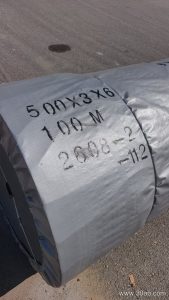
An extra-wide conveyor belt is a heavy-duty belting product built with a large overall width, typically from around 1800 mm up to 2000 mm or more, depending on the application and the conveyor design. In bulk handling terms it belongs to the wider family of wide conveyor belts, but the extra-wide formats are chosen where a single line must move very large tonnages or handle bulky, awkward loads without spillage. These belts are common in mines, coal preparation plants, cement works, power stations, ports, and large sand and gravel yards.
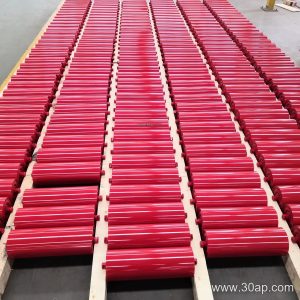
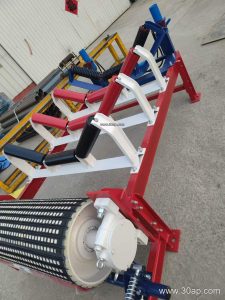
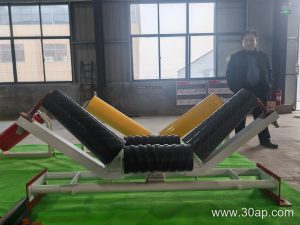
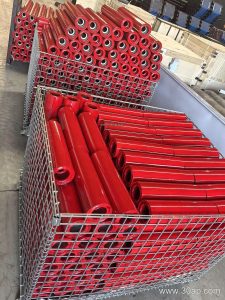
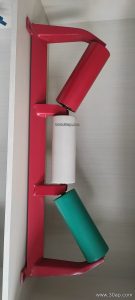
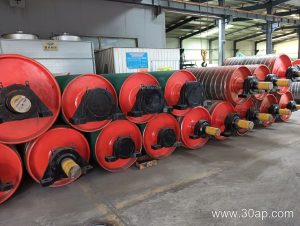
Because the belt carries more material per metre, the whole conveyor structure has to be matched to it. The idler roller frames, conveyor pulley diameters, and conveyor bracket spacing all need to support the added load and keep the belt tracking correctly. A wide belt is not simply a scaled-up narrow belt; its construction, splices, and support system are engineered together.
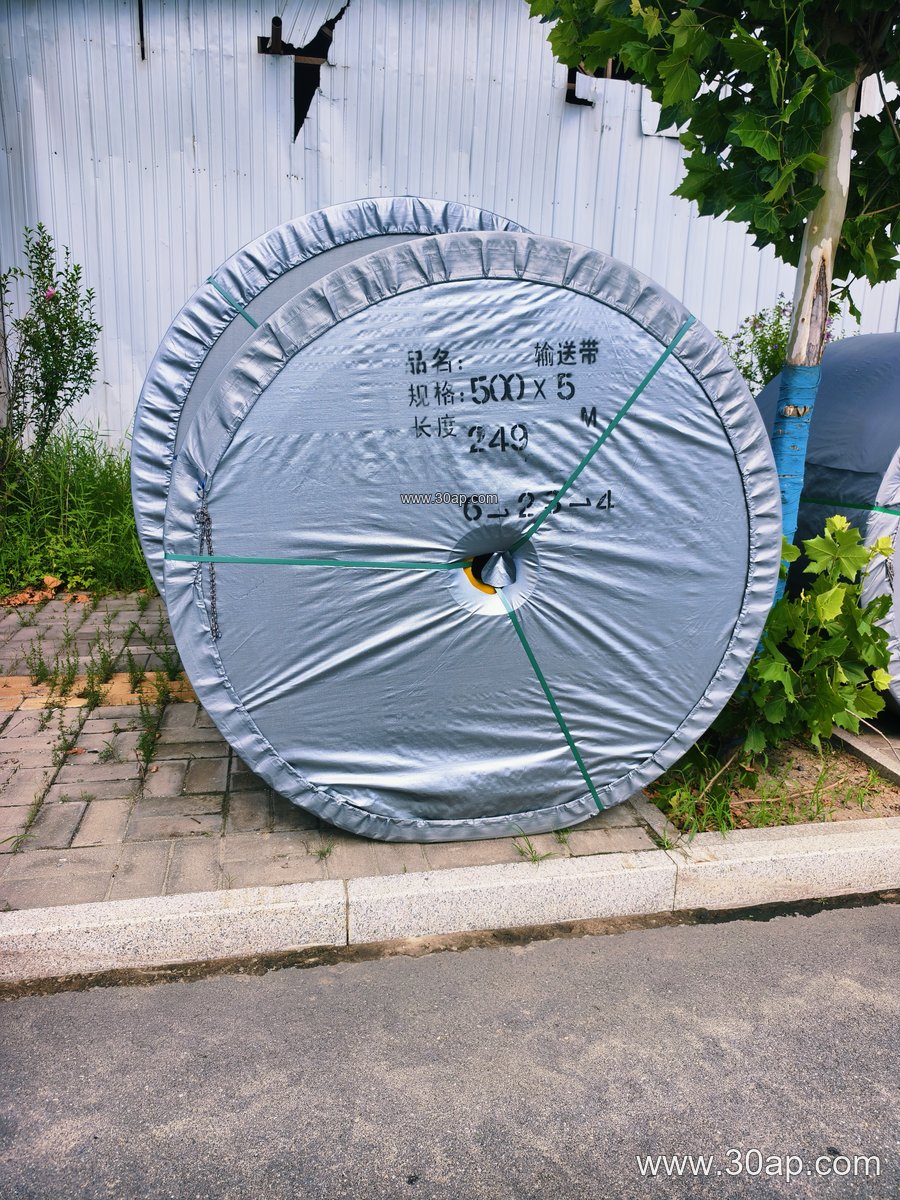
Construction and Common Specifications
The carcass can be fabric-based or steel cord, and the choice depends on the duty. Fabric Core Conveyor Belt designs such as EP Conveyor Belt and NN Conveyor Belt are widely used in extra-wide formats because they are flexible and easy to splice on site. For very long runs and high tension, a Steel Cord Conveyor Belt is often preferred. Cover grades are selected to suit the cargo: Abrasion Resistant Conveyor Belt for crushed rock and ore, Heat Resistant Conveyor Belt for cement clinker and sinter, Flame Retardant Conveyor Belt for coal handling, and Oil Resistant Conveyor Belt for oily feedstock.
Typical reference data for wide belting is shown below. These are common ranges, not fixed rules, and final values should be confirmed with the belt designer.
| Parameter | Common reference range |
|---|---|
| Belt width | B1800, B2000, and wider on request |
| Fabric strength grades | EP200 to EP2000, NN100 to NN400 |
| Steel cord grades | ST1000 to ST3150 |
| Cover thickness | 6+2 mm, 8+3 mm, and heavier |
| Carcass plies | Usually 2 to 6 layers for fabric cores |
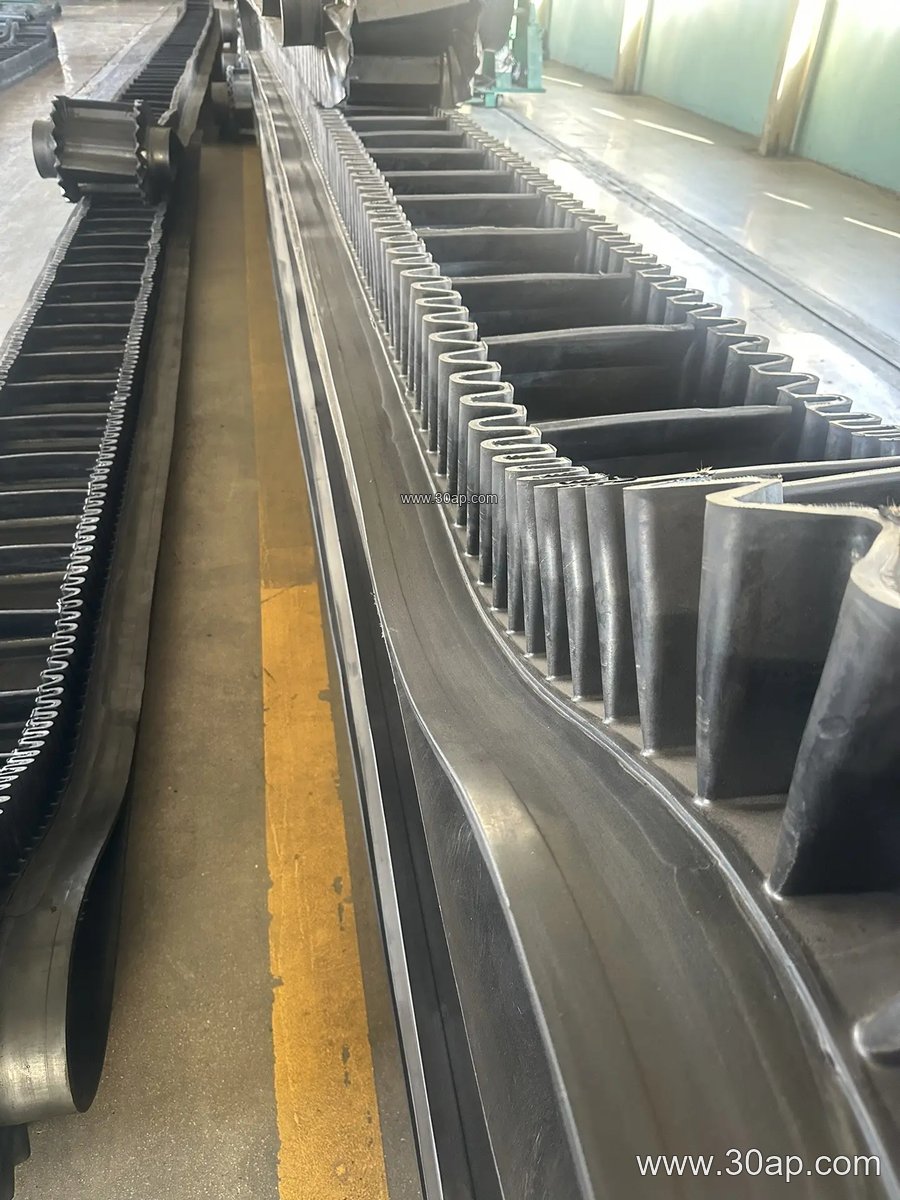
Surface forms matter too. A Chevron Conveyor Belt or a Corrugated Sidewall Conveyor Belt can be supplied in wide formats when the incline is steep or the material must be contained at the edges. Skirted Conveyor Belt designs are another option where spillage control is critical.
Where Extra-Wide Belting Is Used
The main users are operations that move bulk material in volume. In a coal mining conveyor belt system, a wide flame retardant belt feeds a main trunk line from the mine or the stockyard. In a cement plant, extra-wide belting carries limestone from the crusher and clinker to the silo. Power plants use it for coal and ash, while port and ship loading conveyors rely on wide belts to load vessels quickly. Quarry and aggregate operations also use them after primary crushing, where the rock is coarse and the throughput is high.
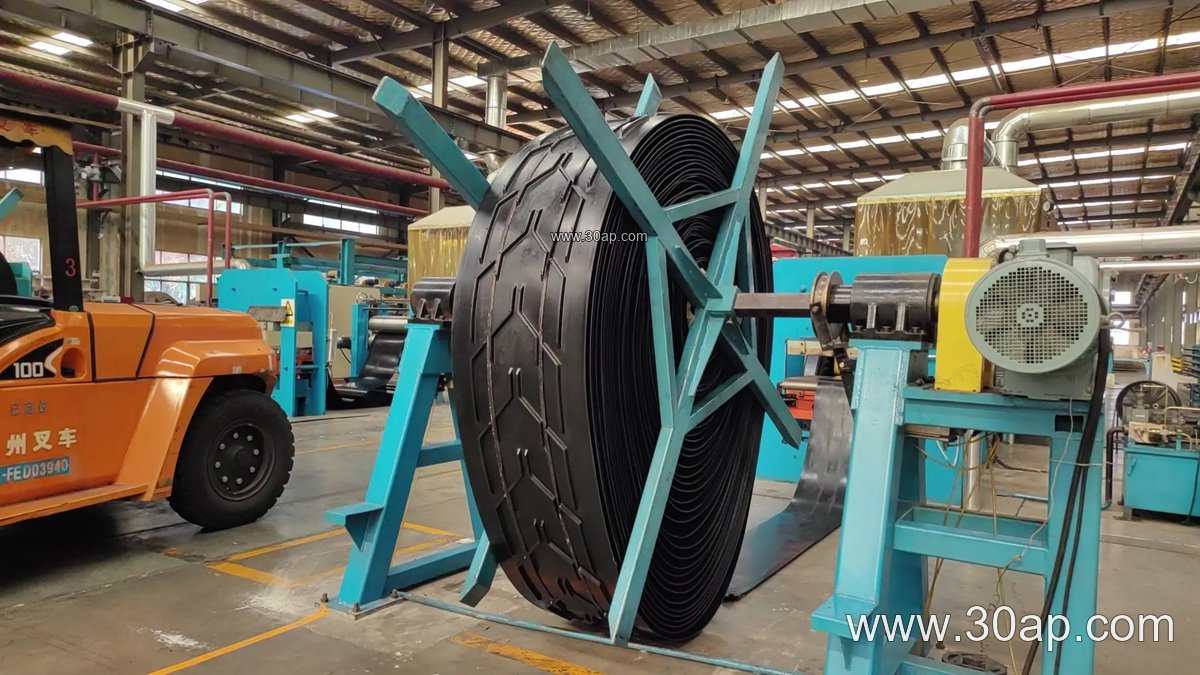
Other industries include steel plants handling ore and coke, recycling lines sorting mixed waste, and construction sites moving sand and stone. In each case the extra width reduces the number of parallel lines needed and lowers the transfer points, which cuts dust and maintenance.
Buyer Checklist
- Confirm the required belt width, strength grade, and cover thickness against the actual conveyor design, not a catalogue default.
- Match the belt to the material: abrasive rock, hot clinker, oily scrap, or coal each call for a different cover compound.
- Check that the idler roller and conveyor pulley sizes suit the wider belt and the tension it carries.
- Plan the splice method early; wide belts need proper equipment and trained crews.
- Ask about tracking, edge protection, and skirt or sidewall options if the route has curves or inclines.
- Review the conveyor bracket and frame layout so the wider belt is fully supported.
Installation and Maintenance Notes
A wide belt is less forgiving of misalignment, so commissioning should include careful pulley alignment and idler adjustment. Keep the belt clean and check the edges for damage, since edge tears spread quickly on high-capacity lines. Store spare belting flat and away from sunlight, and keep a record of the splice positions for future inspections. For more information on matching belting with rollers and pulleys, visit conveyoridlerpro.com and review the range of conveyor belt and conveyor pulley options for mining and bulk handling.