What a Conveyor Return Idler Does
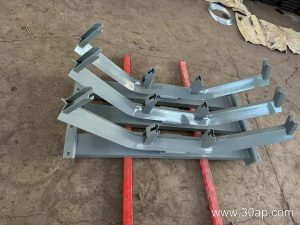
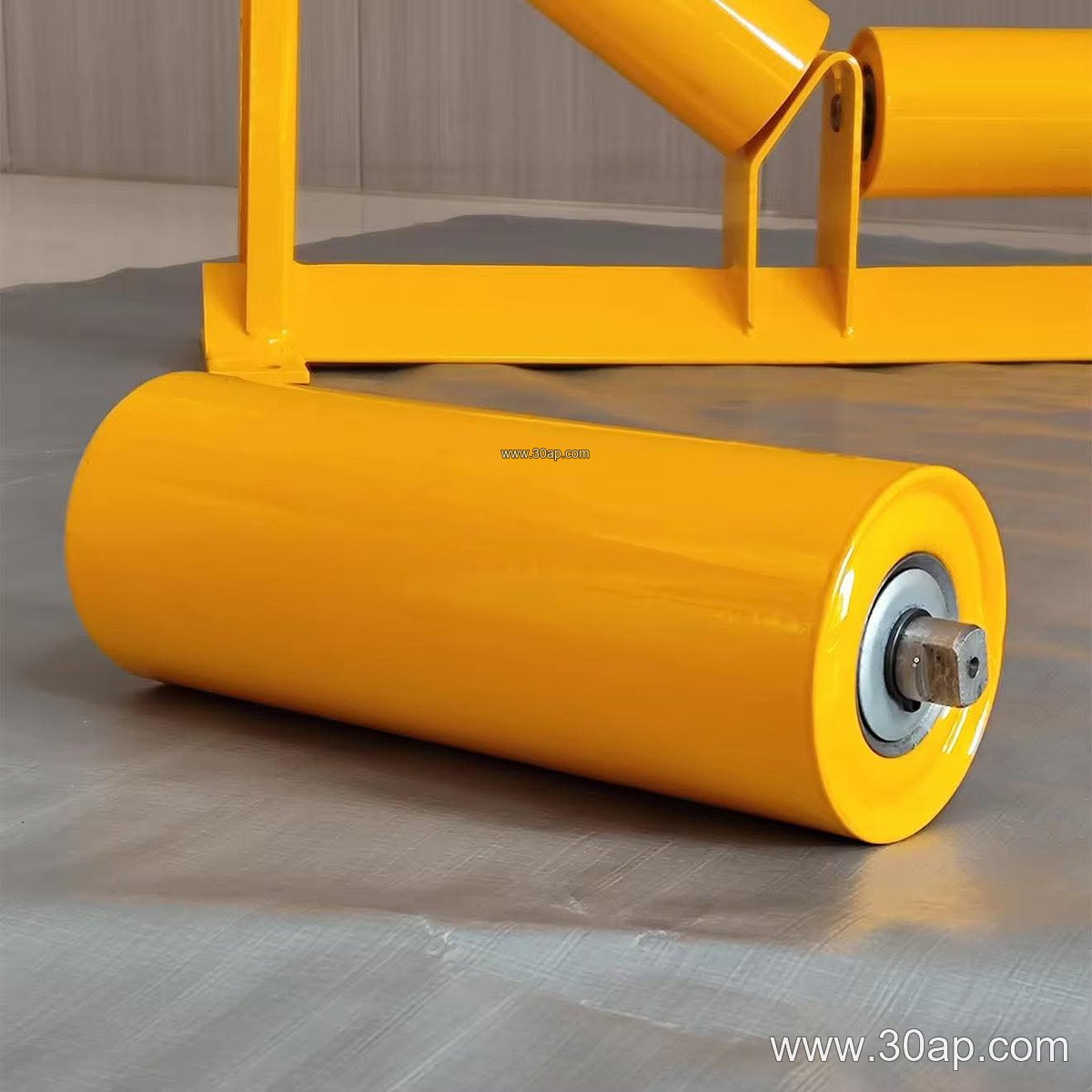
The conveyor return idler, often called a return roller or flat return idler, supports the empty side of the conveyor belt on its way back to the tail pulley. Unlike carrying idlers that shape the loaded belt into a trough, this component typically presents a flat or slightly V-shaped profile. In a quarry or a coal handling system, the return idler keeps the belt from sagging between pulleys, reduces drag, and helps maintain proper belt tracking. It works alongside the conveyor pulley, conveyor bracket, and the belt itself, but its role is distinct from drive, tail, or bend pulleys, which are not interchangeable with it.
Construction Details That Matter
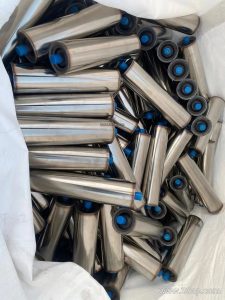
A typical return idler consists of a steel tube shell, bearing housings, a shaft, and sealing arrangements. The shell may be plain steel, nylon-coated, or covered with rubber rings for specific duties. Bearing sizes such as 6204, 6205, 6305, 6306, 6308, and 6310 are common, and the choice depends on load and speed rather than a fixed match to one roller diameter. Roller diameters often include Ø63, Ø76, Ø89, Ø102, Ø108, Ø127, Ø133, Ø159, Ø178, Ø194, and Ø219 mm. Sealing is critical in dusty environments like a cement plant or an iron ore yard, where fine particles can shorten bearing life. The shaft ends usually fit into a conveyor bracket or frame, and the overall roller length is determined by belt width, trough angle, and idler arrangement.
Where Return Idlers Are Used
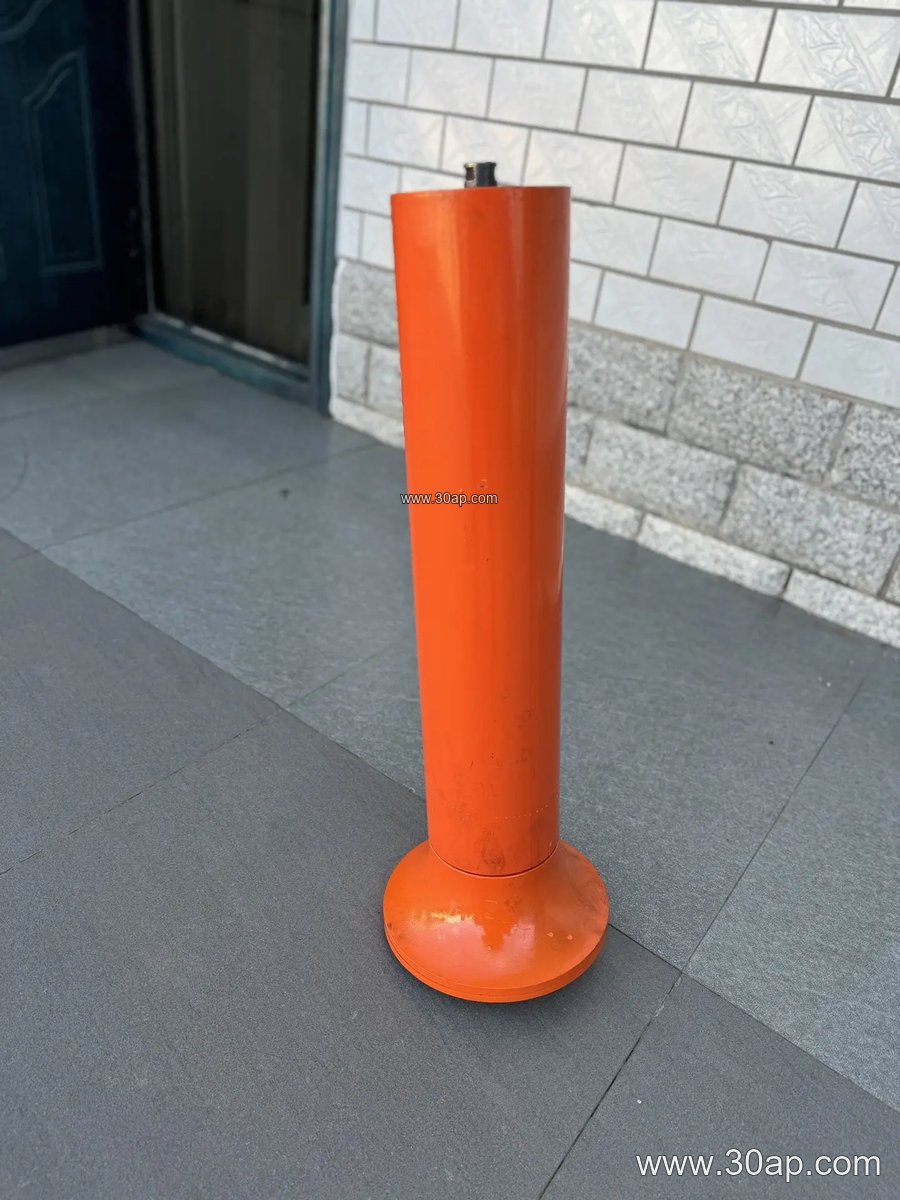
These idlers appear in almost every bulk material handling line. In a limestone mine, they support the belt on the return strand after the head pulley. In a power plant coal yard, they help keep the belt aligned before it reaches the tail pulley. The same component is found in aggregate plants, crusher discharge conveyors, and ship loading systems. While the return idler is the main subject here, it is worth noting that a V-type return idler is sometimes chosen for better belt training on the empty side, but that is a different subtype used for comparison only. The return idler itself remains a flat or slightly troughed roller assembly.
Matching Roller Diameter and Belt Width
There is no universal rule that a given belt width must use one specific roller diameter. Instead, engineers consider belt speed, load, and the space available. For reference, common belt widths include B400, B500, B650, B800, B1000, B1200, B1400, B1600, B1800, B2000, B2200, and B2400. A return idler for a 1200mm wide conveyor belt might use a Ø127 or Ø133 mm roller, but the final choice is a design decision. The table below shows typical examples, not mandatory pairings.
| Belt Width (B) | Common Return Idler Diameter (Ø) | Typical Bearing Size |
|---|---|---|
| B500 | Ø76, Ø89 | 6204, 6205 |
| B650 | Ø89, Ø102 | 6205, 6305 |
| B800 | Ø102, Ø108 | 6305, 6306 |
| B1000 | Ø108, Ø127 | 6306, 6308 |
| B1200 | Ø127, Ø133 | 6308, 6310 |
| B1400 | Ø133, Ø159 | 6308, 6310 |
| B1600 | Ø159, Ø178 | 6310 |
| B1800 | Ø178, Ø194 | 6310 |
| B2000 | Ø194, Ø219 | 6310 |
Roller length also varies with belt width and idler type. For a three-roll troughing set, common roller lengths might be about 200 mm for B500, 250 mm for B650, 315 mm for B800, 380 mm for B1000, 465 mm for B1200, 530 mm for B1400, 600 mm for B1600, 670 mm for B1800, and 750 mm for B2000. These are examples only; side rollers and center rollers can differ, and the return idler length is usually based on the belt width and frame design.
Buyer Checklist for Return Idlers
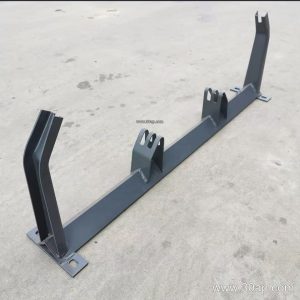
When specifying a conveyor return idler, consider the belt width, the expected load, and the environment. In a dusty coal mining conveyor system, sealed bearings and wear-resistant shells are beneficial. In a food or chemical plant, the roller surface may need to be non-marking or corrosion-resistant. Check that the shaft diameter fits the existing conveyor bracket, and confirm the roller length matches the frame. Also think about maintenance: idlers that are easy to replace reduce downtime. The return idler should be selected together with the conveyor belt specification. For instance, a heavy-duty mining conveyor belt like an EP200 or ST1600 may require robust return idlers with larger bearings. A flame retardant conveyor belt used underground may need return idlers that do not generate static electricity. Always consult the conveyor designer for the final match, as belt width alone does not dictate a single pulley diameter or shaft size.