What a Coal Conveyor Belt Does
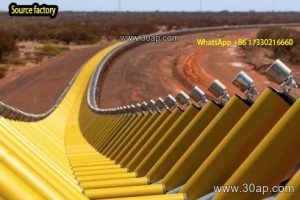
A coal conveyor belt is the load-carrying element of a continuous bulk handling system. It moves crushed or raw coal from a stockpile, bunker, or mine face to screens, crushers, boilers, or loading points. In a coal mining conveyor belt installation, the belt runs over idler rollers, wraps around a head or drive pulley, returns through a tail pulley, and is kept aligned by bend pulleys and conveyor brackets along the structure. The belt is not a simple strip of rubber — it is a composite engineered around the duty, the lump size, the incline, and the environment.
Construction of the Belt
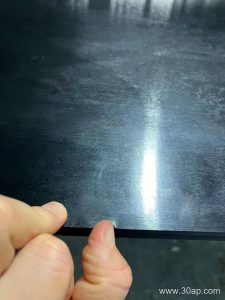
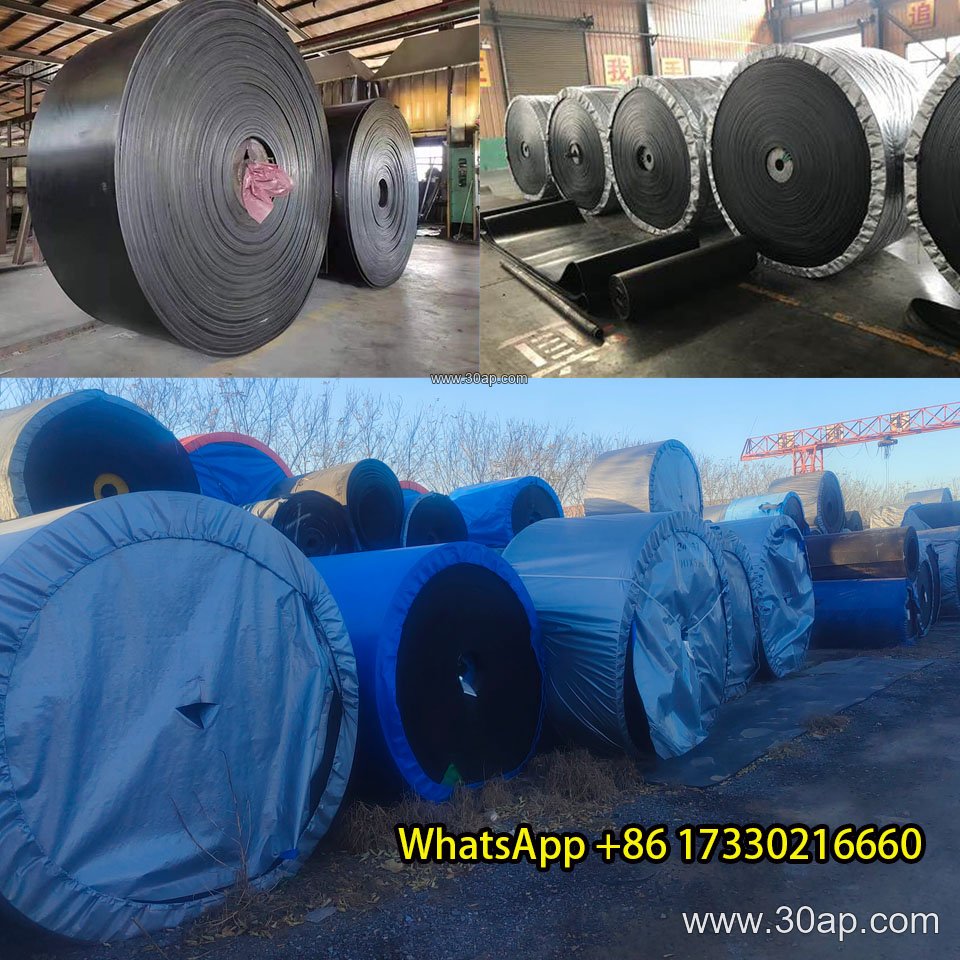
Most coal belts are fabric-cored or steel-cord reinforced. The carcass provides tensile strength and resistance to impact, while the top and bottom covers protect it from abrasion, moisture, and heat. A typical specification combines cover thickness with carcass layers. Common cover gauges include 3+1.5 mm, 4+2 mm, 5+2 mm, 6+2 mm, and 8+3 mm, with 2 to 6 plies in fabric constructions. The correct choice depends on lump size, drop height, and the amount of fines in the coal stream.
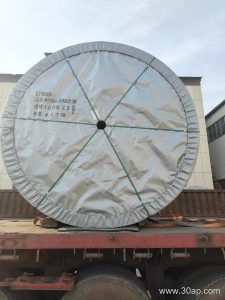
For long overland or high-tonnage lines, a Steel Cord Conveyor Belt is often used because it offers high tensile strength with fewer splices. For medium-duty yard and plant conveyors, an EP Conveyor Belt or NN Conveyor Belt is common. A Fabric Core Conveyor Belt remains a practical option where flexibility around small pulleys matters. In underground coal mining, flame retardant and anti-static properties are usually required, so PVC and PVG constructions are frequently specified.
Common Types and Where They Fit
- Flame Retardant Conveyor Belt and Fire Resistant Conveyor Belt — used in underground coal mining conveyor belt systems and enclosed transfer houses.
- Abrasion Resistant Conveyor Belt — suits coal with hard rock inclusions and high drop points.
- Heat Resistant Conveyor Belt — relevant near boiler feed areas or where coal has residual heat.
- Oil Resistant Conveyor Belt — useful where lubricants or oily coal are present.
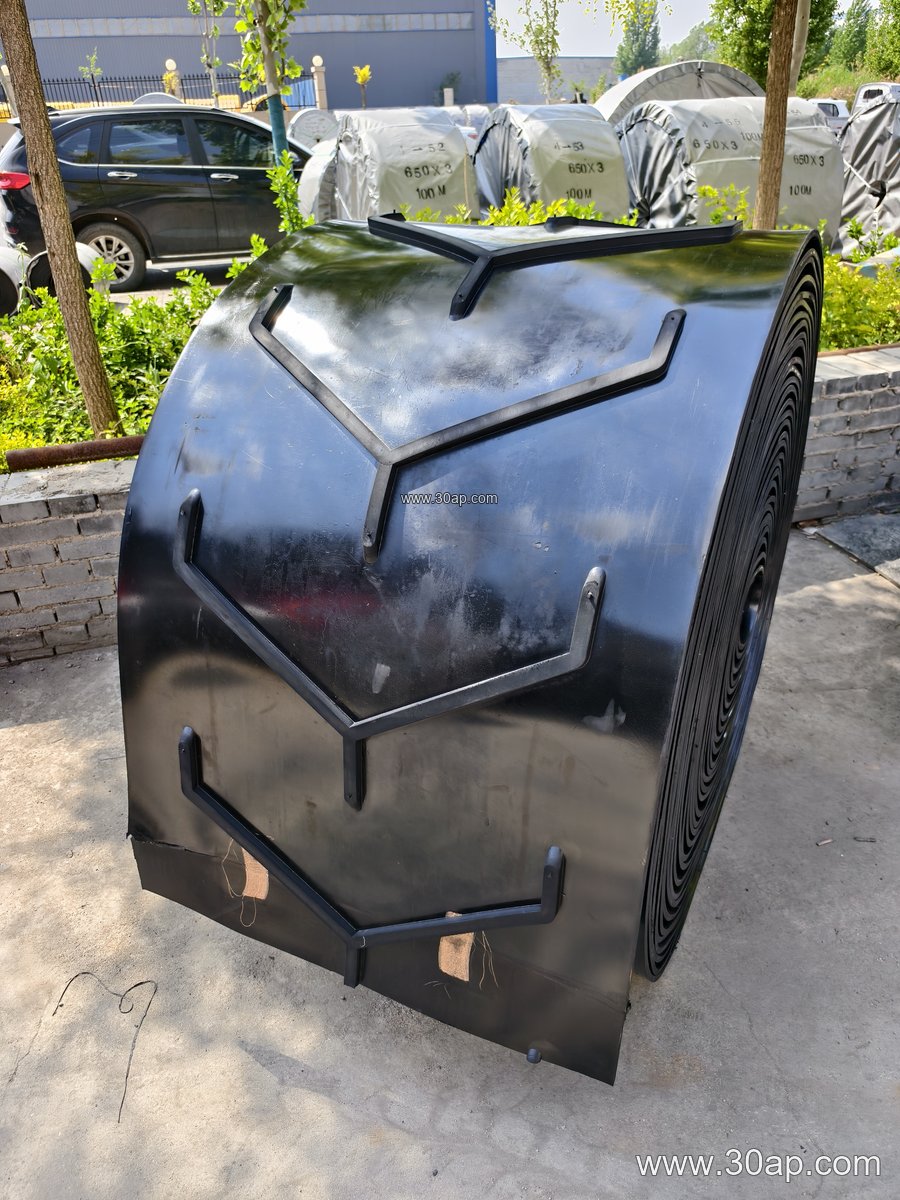
- Chevron Conveyor Belt and Corrugated Sidewall Conveyor Belt — for steep inclines and confined spaces.
- Pipe Conveyor Belt — for dust control and curved routes in ports and power plants.
These are alternatives for specific duties, not replacements for the main coal-handling belt. The drive pulley, tail pulley, and bend pulley each have a distinct role and are never interchangeable.
Widths and Strength Grades
Belt width is matched to the tonnage and lump size, not to a single pulley diameter. Reference widths include B500, B650, B800, B1000, B1200, B1400, B1600, B1800, and B2000. Fabric strength grades often run from EP200 through EP1600, while steel cord grades such as ST1000 to ST3150 appear on long-haul lines. The table below gives an indicative view; final values are confirmed by design.
Typical Reference Data
These figures are reference ranges only. Actual selection depends on conveyor design, coal characteristics, and site conditions.
Belt Width and Strength
| Parameter | Common Reference Range |
|---|---|
| Belt width | B500 to B2000 (500 mm to 2000 mm) |
| EP strength grade | EP200, EP315, EP400, EP500, EP630, EP800, EP1000, EP1250, EP1600 |
| Steel cord grade | ST1000, ST1250, ST1600, ST2000, ST2500, ST3150 |
| Cover thickness | 3+1.5 mm, 4+2 mm, 5+2 mm, 6+2 mm, 8+3 mm |
| Carcass plies | 2 to 6 layers (fabric) |
Related Components
| Component | Role |
|---|---|
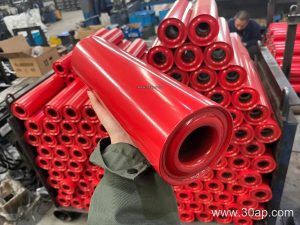
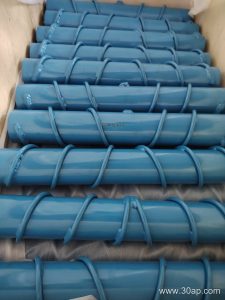
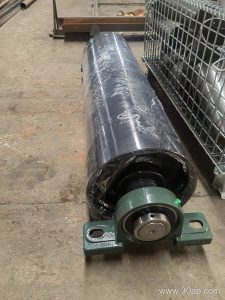
| Idler roller | Supports the belt and coal load along the run |
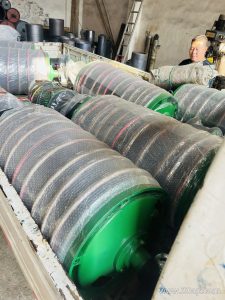
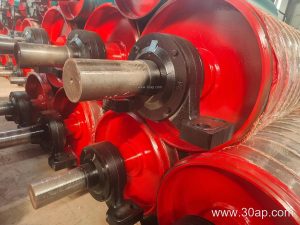
| Drive pulley | Transmits motion to the belt |
| Tail pulley | Returns the belt at the loading end |
| Bend pulley | Changes belt direction in the return run |
| Conveyor bracket | Fixes idlers and pulleys to the frame |
Buyer Checklist
Before ordering, confirm the coal type, lump size, moisture, and operating temperature. State the conveyor length, incline, and throughput so the strength grade and cover can be matched. For underground work, specify flame retardant and anti-static requirements clearly. Ask how the belt will be spliced — an Endless Conveyor Belt may be preferred on critical lines to reduce joint failure. Check that the pulley diameters and idler roller spacing suit the belt flexibility, and confirm that conveyor brackets and frames align with the chosen widths. Spare belt, splice kits, and inspection intervals should be planned from the start.
For more on matching belts with idlers and pulleys, visit belt-conveyor.example.com and review the coal handling section.