What the EP800 Conveyor Belt Is
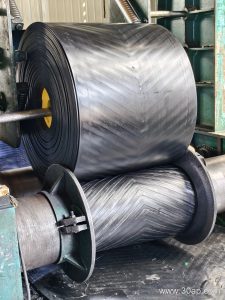
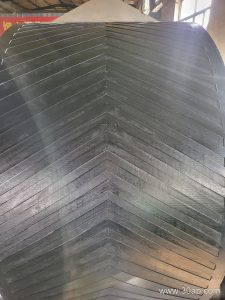
The EP800 Conveyor Belt is a fabric-core rubber belt built around polyester warp and polyamide weft plies. The “800” refers to the nominal tensile strength of the carcass, usually expressed in newtons per millimetre of belt width, so this is a mid-to-high strength grade rather than an entry-level belt. In practice, an EP800 rubber conveyor belt is chosen where a single flight is long, the tonnage is steady, or the belt must resist stretch without jumping to a steel cord design.
Because the carcass is a fabric core, the belt tolerates tight transitions, small pulleys and reasonable impact loads better than a rigid cord construction. That combination is why plants in mining, cement, power generation, quarries and port handling often keep EP800 as a working specification for main haulage and yard conveyors.
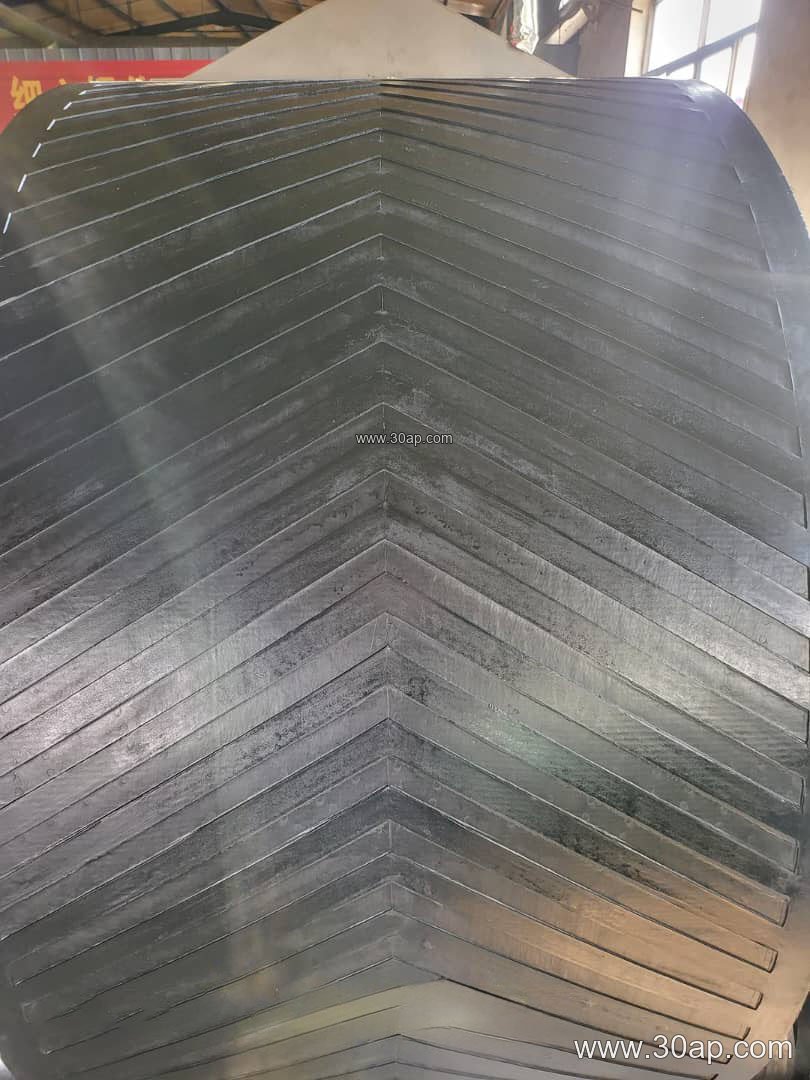
Construction and the Parts Around It
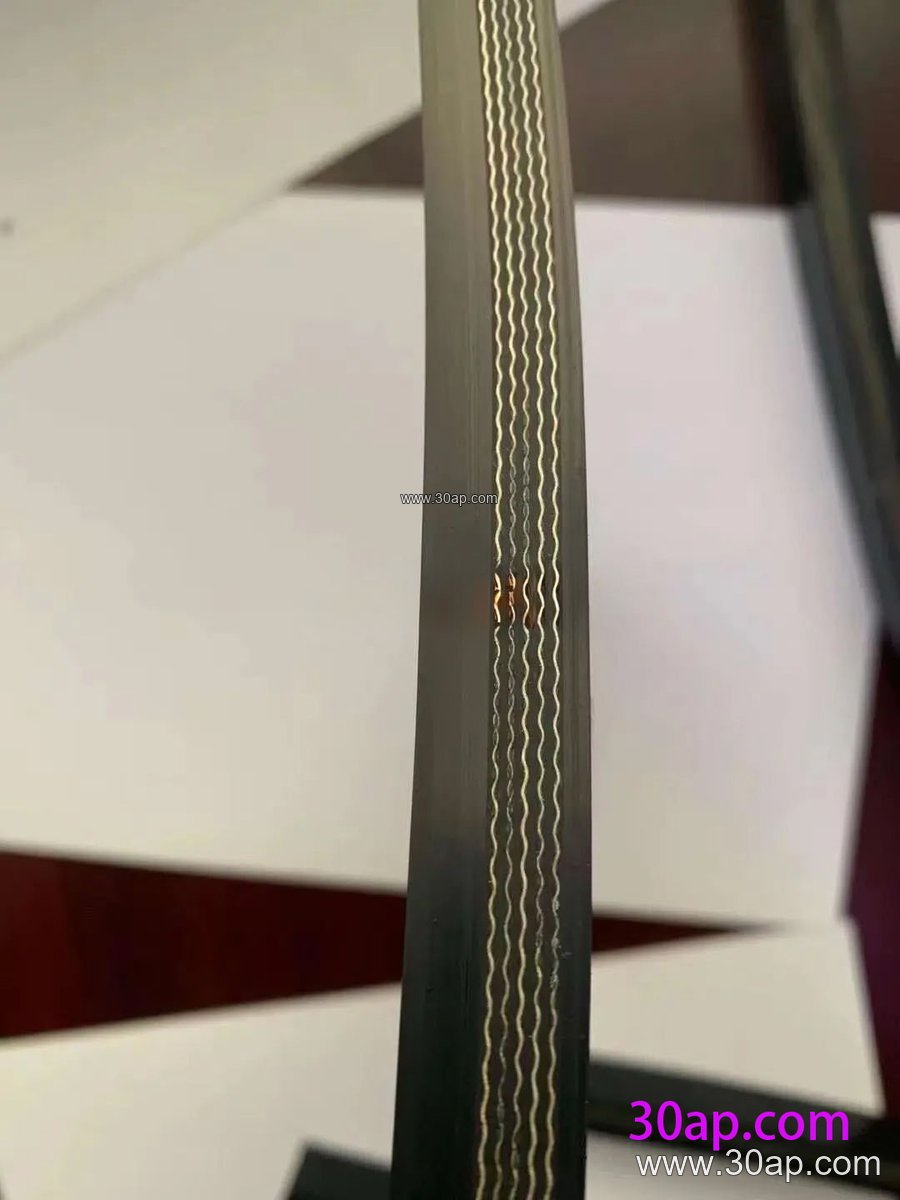
The belt is a sandwich of three elements: top cover, fabric plies, and bottom cover. Covers are usually made from natural and synthetic rubber compounds, with grades selected for abrasion, heat, oil, flame resistance or static dissipation. The plies are bonded under heat and pressure, and the number of plies is chosen together with the strength grade.
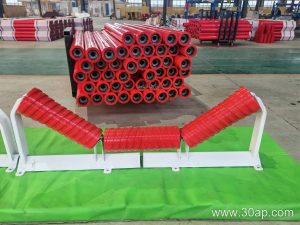
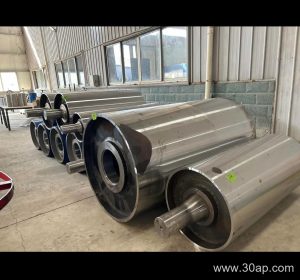
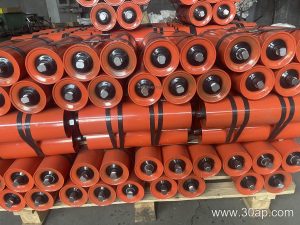
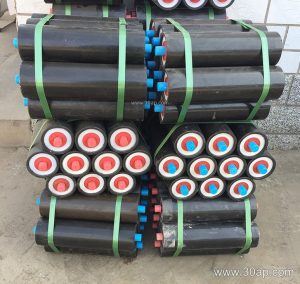
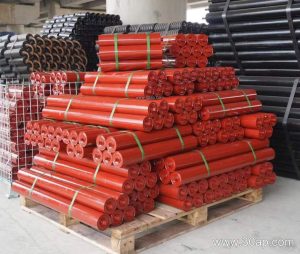
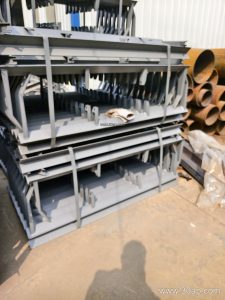
A belt never works alone. The conveyor pulley at the head drives the belt; the tail pulley returns it; bend pulleys and take-up pulleys set the path and tension. Idler roller sets support the loaded strand and give the belt its trough shape, while the conveyor bracket holds those idlers in line. Misalignment between belt, pulleys and idlers is one of the most common causes of edge wear, so the whole assembly should be reviewed when a new belt is specified.
Typical Specification Range
Values below are common reference points. Actual figures depend on the manufacturer and project design.
- Strength grade: EP800 as the subject; other grades in the same family include EP630, EP1000 and EP1250
- Belt width: B650, B800, B1000, B1200, B1400 and wider are common
- Cover thickness: 4+2 mm, 5+2 mm and 6+2 mm are frequent choices for heavy duty work
- Carcass: usually 2 to 6 plies, depending on strength and pulley diameters
Two widths are often compared on the same plant: a 1000mm conveyor belt on a transfer line and a 1200mm wide conveyor belt on the main incline. Neither width fixes a pulley diameter by itself; shaft size, pulley face width and tension all come from the conveyor calculation.
Where EP800 Fits in Real Installations
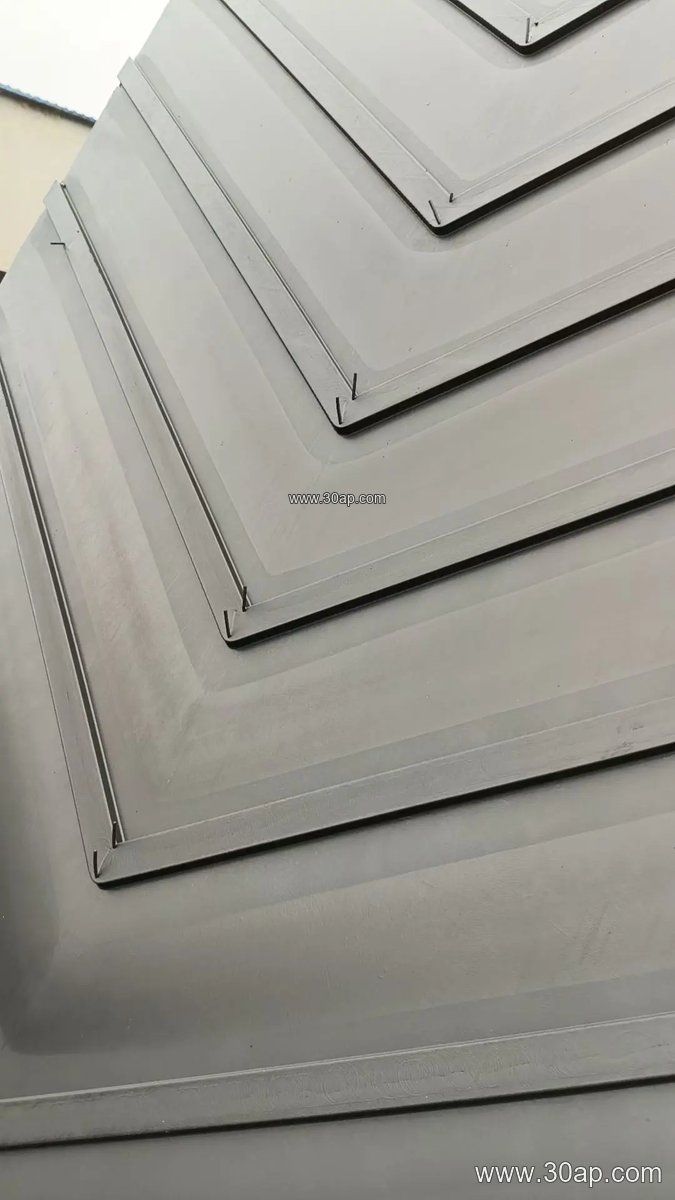
The grade suits bulk material conveyor belts moving crushed rock, clinker, coal, ore and aggregate. A quarry conveyor belt handling screened stone, a crusher conveyor belt receiving primary feed, and a cement plant conveyor belt carrying clinker all sit within its normal range. Power plant coal handling and port ship loading conveyors are also common homes for this specification, where a heavy-duty conveyor belt must run for long shifts.
Where conditions change, the same carcass can carry different cover compounds. Heat resistant conveyor belt grades serve clinker and sinter lines; flame retardant conveyor belt and fire resistant conveyor belt grades are used in coal mining conveyor belt and underground coal mining conveyor belt duties; abrasion resistant conveyor belt covers protect against sharp rock. For wet, oily or dusty environments, oil resistant and anti-static options are worth discussing with the supplier.
In long overland or steeply inclined routes, designers sometimes weigh EP800 against a steel cord conveyor belt for very high tension, or against an NN conveyor belt where impact absorption matters more than low stretch. Both are comparisons, not substitutes for the EP design in this article.
Selection and Maintenance Notes for Buyers
Start with the duty: material, lump size, throughput, incline, pulley diameters and ambient temperature. A fabric core conveyor belt of EP800 grade needs pulley diameters large enough for its ply count, so confirm the recommended minimum before ordering. Check that covers match the environment, and confirm whether the splice will be vulcanised or mechanical, since splice strength depends on carcass quality.
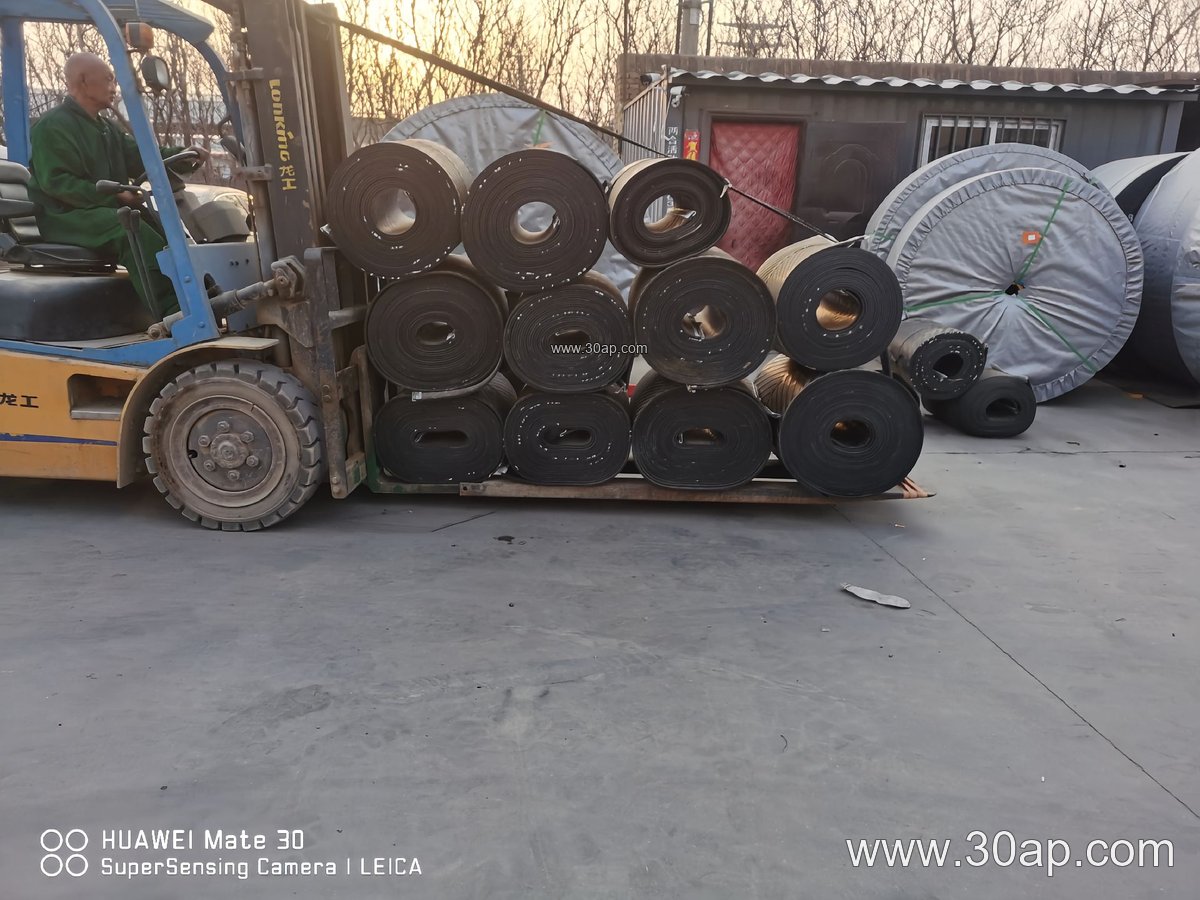
On site, keep idler roller sets turning freely, check pulley lagging for wear, and watch for material build-up on return rolls that can train the belt off-centre. Belt storage matters too: rolls should stand upright on a clean surface, away from sunlight and ozone sources, and be spliced soon after delivery when possible. Finally, keep a record of the belt width, ply count, cover thickness and strength grade on the machine so that the next replacement matches the original design intent.