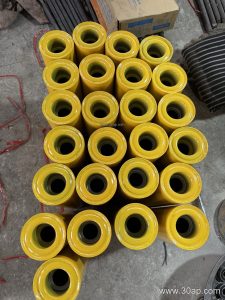
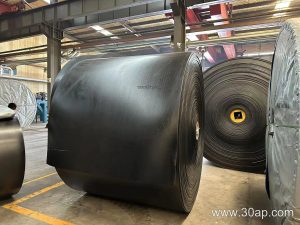
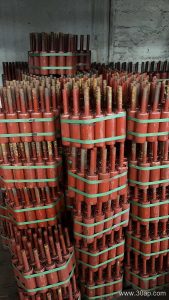
What a Heavy-Duty Conveyor Pulley Does
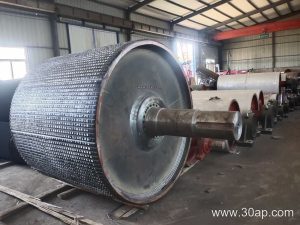
In a belt conveyor system, the heavy-duty conveyor pulley is the drum that drives or redirects the belt. It is not just a rotating cylinder; it is the component that transfers torque, maintains belt tension, and absorbs the load of the material being carried. Whether you are moving crushed stone at a quarry, coal in a wash plant, or clinker in a cement works, the pulley must be built to match the duty.
This pulley is often referred to as a heavy-duty conveyor drum or a heavy-duty belt pulley. These terms describe the same product: a robust, large-diameter pulley designed for high tension and abrasive environments. Drive, tail, and bend pulleys are different positions in the conveyor and are not interchangeable, so selection must start with the pulley’s role.
Construction and Key Components
A heavy-duty conveyor pulley typically consists of a steel shell, end discs, a shaft, and bearing housings. The shell may be machined from seamless tube or rolled and welded, depending on diameter and load. Surface preparation is critical: most pulleys receive lagging to improve grip and protect the shell. Common lagging types include plain rubber, diamond pattern, herringbone, and ceramic. Lagging thickness often ranges from 8 mm to 20 mm, with 10 mm and 12 mm being common for general duty.
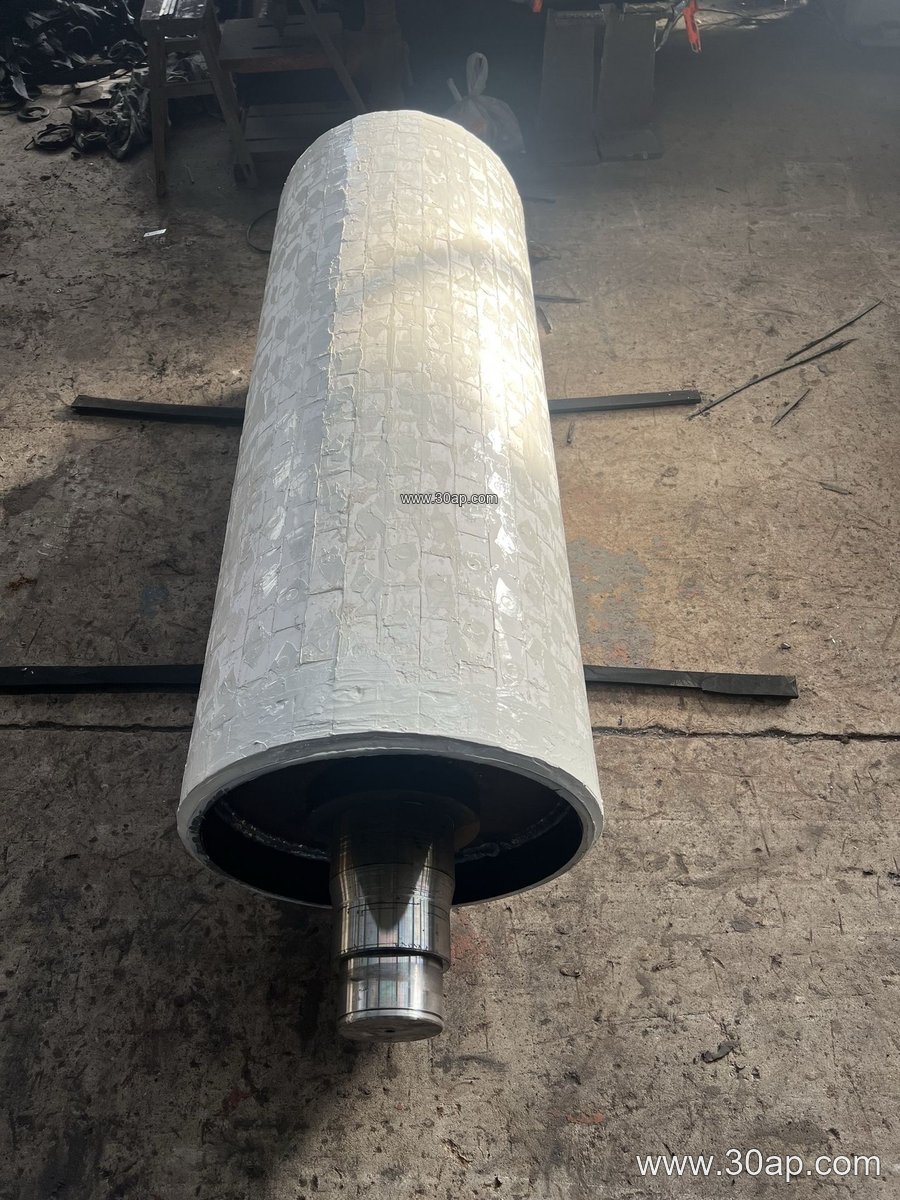
The shaft is sized by torque and bending load, not by belt width alone. Typical shaft diameters might be Ø100, Ø120, Ø140, or larger—each value is determined by the specific conveyor design. Bearings are selected for the radial and axial loads the pulley will see. Proper sealing keeps dust out, which is especially important in coal mining and aggregate operations.
Where It Is Used
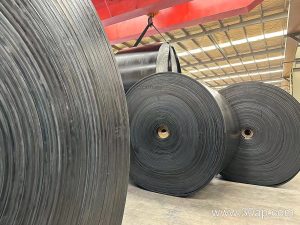
Heavy-duty conveyor pulleys appear in primary crushing circuits, stockyard conveyors, and long overland systems. In a quarry, the head pulley often drives a 1200 mm wide conveyor belt carrying blasted rock. In a coal preparation plant, flame retardant conveyor belts run over pulleys that must resist fines and moisture. Power plants use them on coal handling lines, while ports rely on large pulleys for ship loading conveyors. Each environment brings its own challenges, from abrasion to heat.
Matching Pulley to Belt and Load
Pulley diameter and face width are chosen together with the belt width and the required tension. For reference, a B800 belt might use a pulley face width around 950 mm, and a B1200 belt around 1400 mm. However, a given belt width does not dictate a single pulley diameter; a B800 conveyor could use Ø500 for a short tail pulley or Ø800 for a high-tension drive pulley. The table below shows common reference combinations, but final sizing must come from the conveyor designer.
| Belt Width | Typical Pulley Face Width | Possible Diameter Range (reference) |
|---|---|---|
| B650 | ≈750 mm | Ø400 – Ø630 |
| B800 | ≈950 mm | Ø500 – Ø800 |
| B1000 | ≈1150 mm | Ø630 – Ø1000 |
| B1200 | ≈1400 mm | Ø800 – Ø1250 |
| B1400 | ≈1600 mm | Ø1000 – Ø1400 |
Surface form also matters. A drive pulley needs enough friction to transmit torque without slip; diamond or ceramic lagging is often used. A bend pulley may be plain or lightly lagged. For abrasive conditions, consider a high abrasion resistant conveyor belt in combination with suitable lagging to protect both belt and pulley. In coal mines, a flame retardant conveyor belt and anti-static properties are often required, and the pulley lagging should be compatible with those belt characteristics.
Buyer Checklist
- Confirm the pulley’s position: drive, tail, bend, or take-up. Each has different load and friction requirements.
- Check shaft diameter and bearing size against the calculated torque and radial load—never guess from belt width.
- Specify lagging type and thickness based on grip needed and material abrasiveness. For wet or oily conditions, consider oil resistant conveyor belt and appropriate lagging.
- Verify pulley face width exceeds belt width to allow for misalignment.
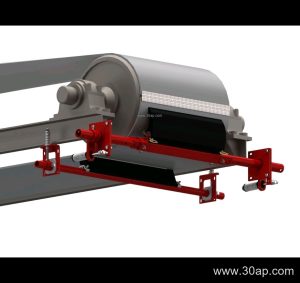
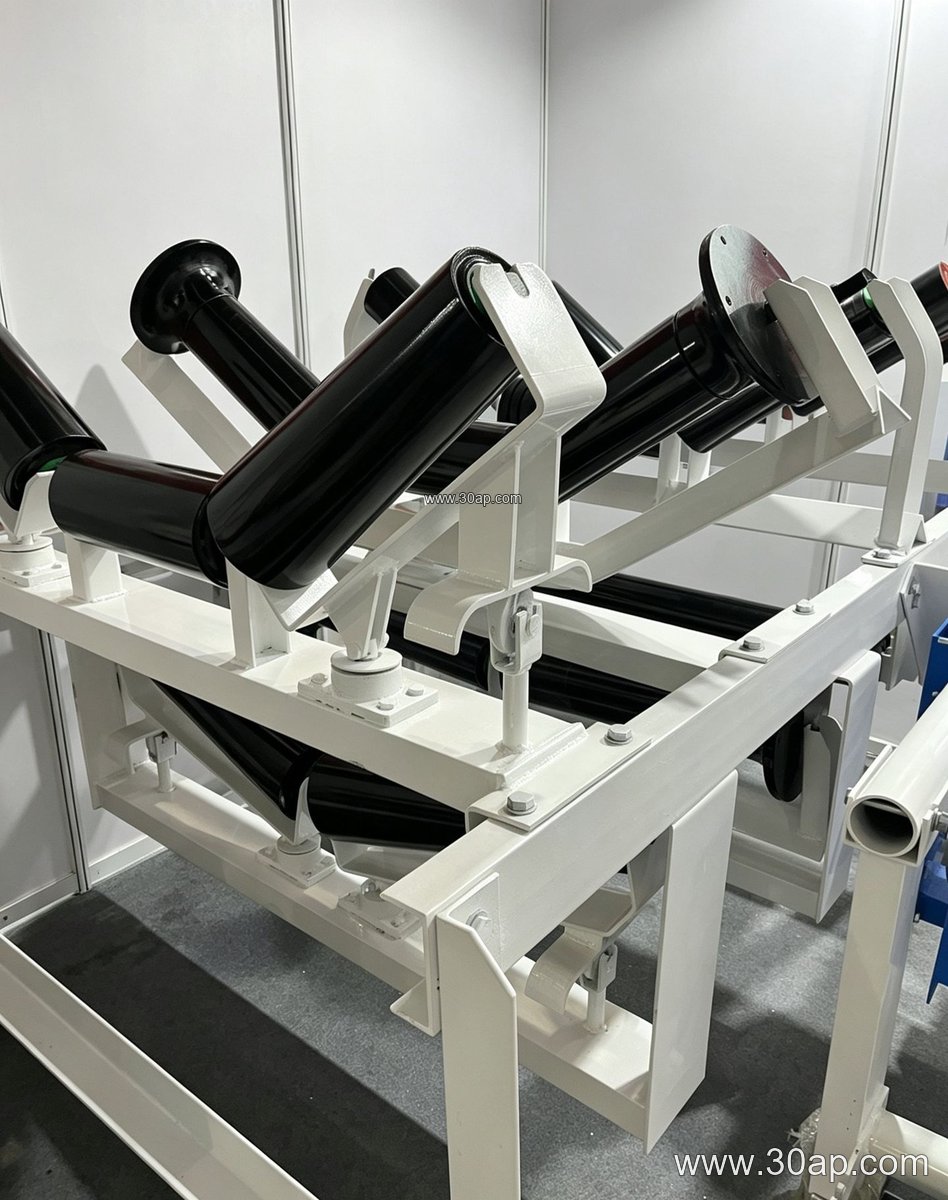
- Review the conveyor bracket and idler roller layout to ensure proper belt training and support.
- For extreme cold, a cold resistant conveyor belt may be used, and pulley materials should be suitable for low temperatures.
Whether the application is an underground coal mining conveyor belt system or a quarry conveyor belt line, the heavy-duty conveyor pulley is a long-term investment. Take time to match it to the belt, the load, and the environment. For more information on conveyor pulleys and related components, visit our site at www.example.com/conveyor-pulley or explore our range of conveyor belt and idler roller solutions.