What a Plain Lagged Pulley Is and Where It Fits
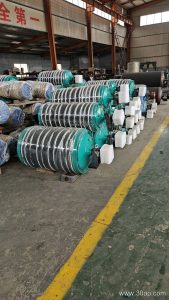
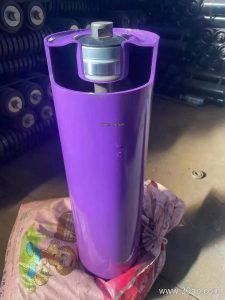
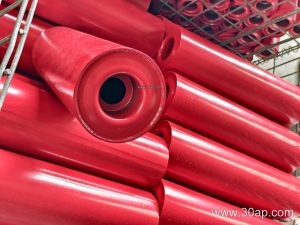
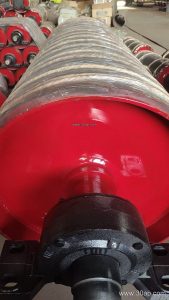
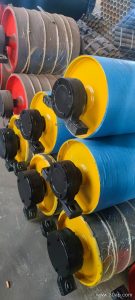
A plain lagged pulley is a conveyor pulley whose cylindrical shell is covered with a smooth rubber or polymer layer, without grooves or patterns. This smooth lagging improves friction between the pulley face and the conveyor belt, helping to transmit drive torque with less slip. It is also known as a smooth lagged pulley or flat lagged pulley. In a conveyor system, this pulley often serves as a drive pulley, tail pulley, or bend pulley, but it is not interchangeable with those terms—each position has its own design requirements. The plain lagged pulley is particularly useful in dusty or wet conditions where standard bare steel may lose grip.
Typical industries include aggregate plants, cement works, and coal handling facilities. For example, a quarry conveyor belt system may use a plain lagged pulley at the drive station to maintain tension on an abrasion resistant conveyor belt. Because the lagging is smooth, material buildup is less likely to become trapped in grooves, which can be an advantage when handling sticky or fine materials.
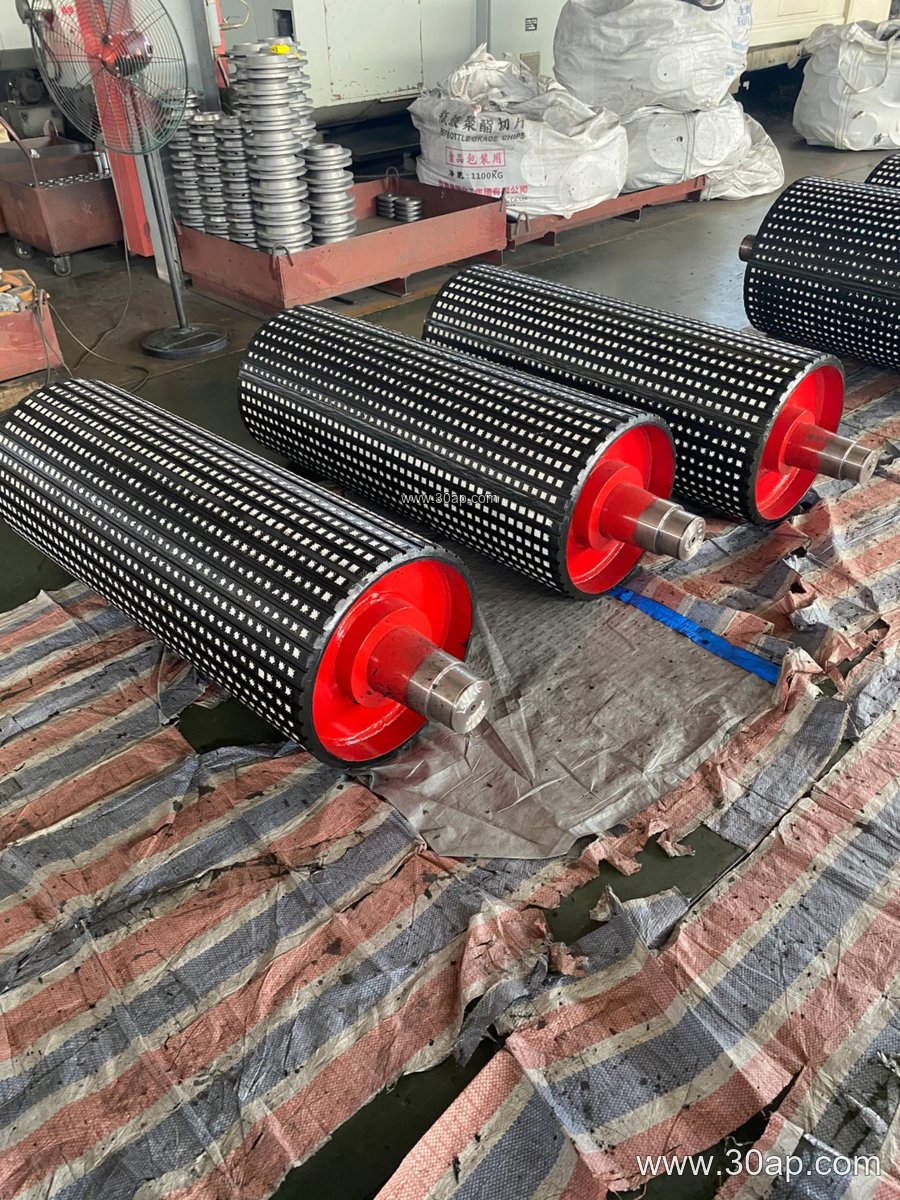
Construction and Surface Options
The base pulley consists of a cylindrical shell, end discs, and a shaft. The lagging is applied as a continuous layer, usually 8 to 20 mm thick, and can be bonded by cold vulcanization, hot vulcanization, or casting. While plain lagging is the focus here, other surface forms such as diamond lagging or ceramic lagging are available for different grip requirements; they are not replacements for the plain type but alternatives for specific conditions.
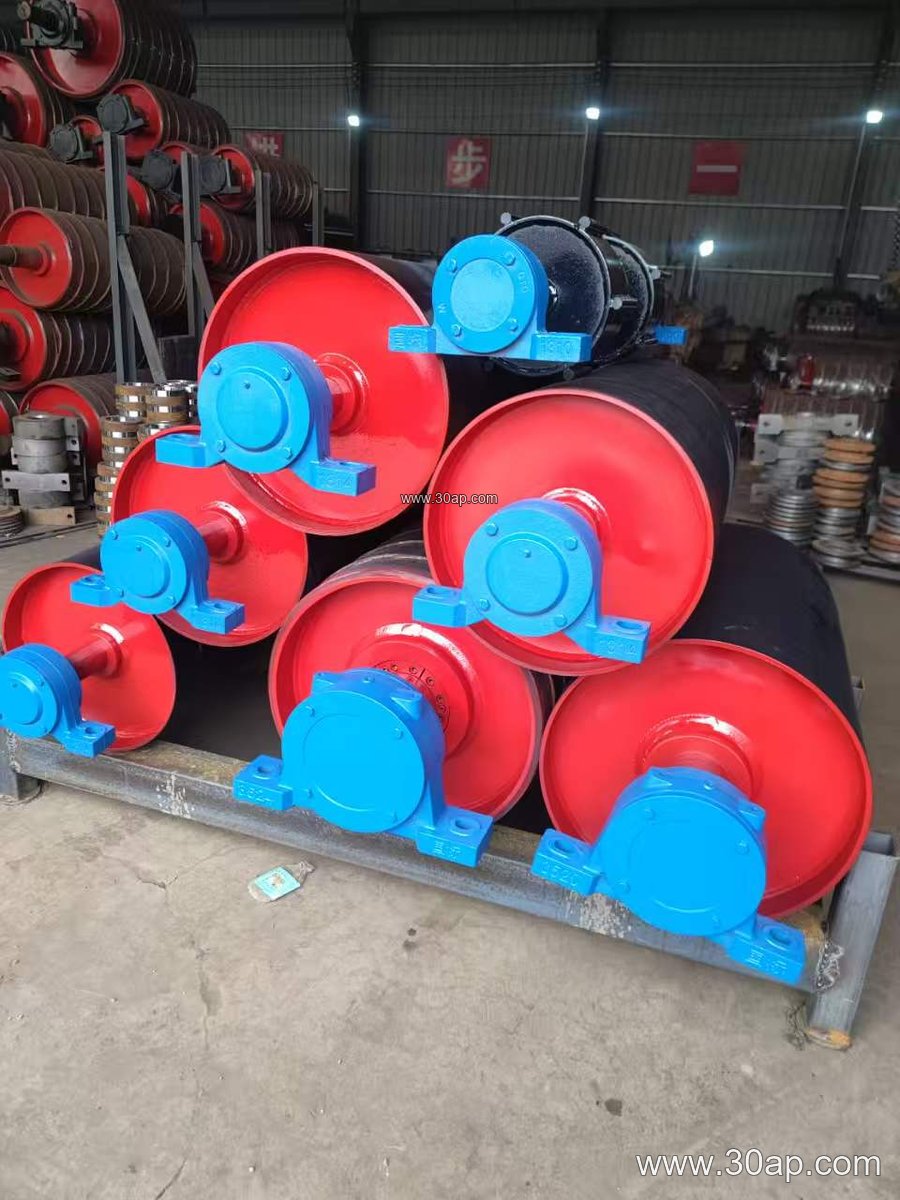
Common pulley diameters range from Ø200 to Ø1800 mm, and face widths are usually wider than the belt. For instance, a B800 belt often pairs with a pulley face width around 950 mm, and a B1200 belt with about 1400 mm. These are reference values, not fixed rules. Shaft diameters are determined by torque and load, with common sizes from Ø50 to Ø200 mm; they should never be selected based solely on belt width.
Key Parameters at a Glance
The following table lists typical reference data for plain lagged pulleys. Actual dimensions depend on conveyor design and load calculations.
| Parameter | Common Range / Example |
|---|---|
| Belt width (B) | B400 to B2400 |
| Pulley diameter (Ø) | Ø200, Ø315, Ø500, Ø800, Ø1000, Ø1250, Ø1400, Ø1600, Ø1800 |
| Face width | Usually belt width + 100 to 200 mm (e.g., B800 ≈ 950 mm; B1200 ≈ 1400 mm) |
| Lagging thickness | 8, 10, 12, 15, 20 mm |
| Shaft diameter | Ø50, Ø60, Ø80, Ø100, Ø120, Ø140, Ø160, Ø180, Ø200 (by torque) |
| Lagging type | Plain rubber, smooth polymer |
Note that a B1400 belt might use a Ø800 pulley in one conveyor and a Ø1000 pulley in another, depending on belt tension and space. No single combination is mandatory.
Applications and Equipment Matching
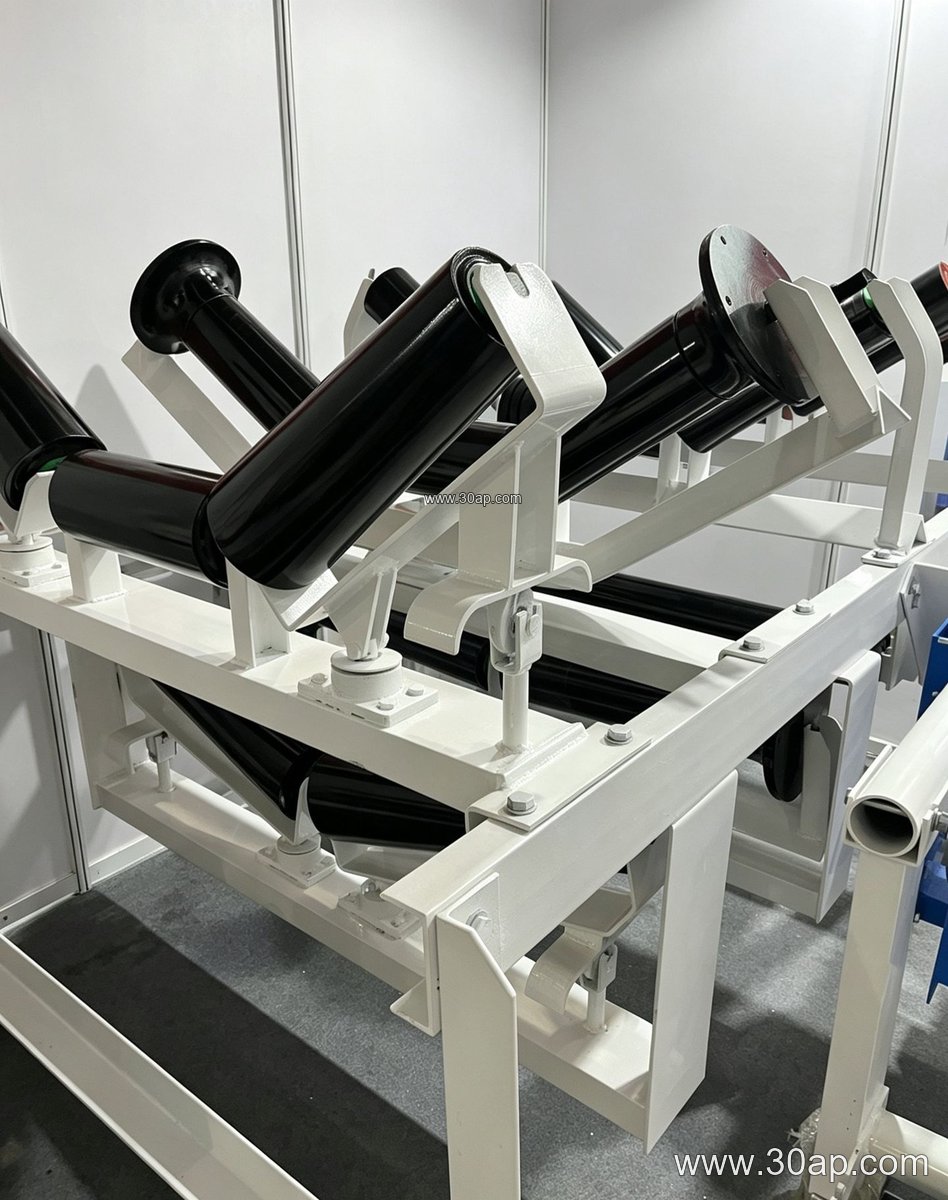
Plain lagged pulleys are found in stone crushing lines, sand and gravel plants, and port bulk handling. They work well with fabric core conveyor belts such as EP conveyor belt or NN conveyor belt, and also with steel cord conveyor belt in heavier duty setups. In a coal mining conveyor belt system, a flame retardant conveyor belt may be used alongside a plain lagged pulley to reduce slip while maintaining safety. The pulley should be aligned with the conveyor bracket and idler roller to ensure smooth belt tracking.
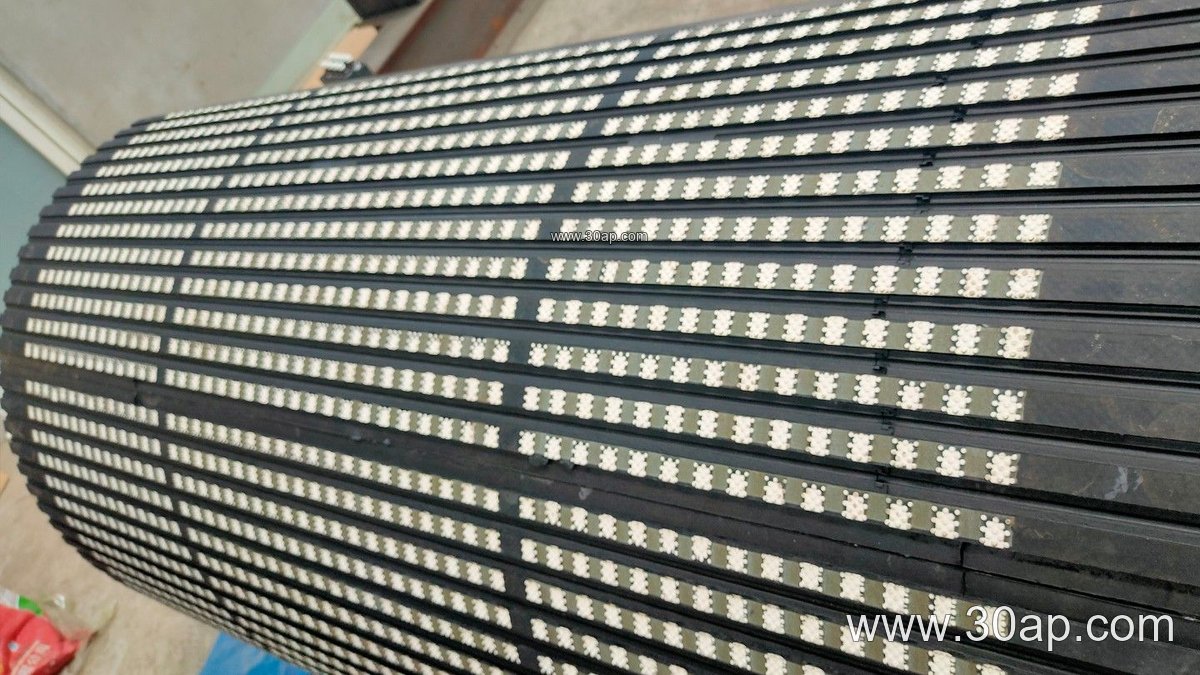
When selecting a plain lagged pulley, consider the belt type, load, and environment. For high abrasion conditions, an abrasion resistant conveyor belt combined with a plain lagged pulley can extend service life. In cold climates, a cold resistant conveyor belt may be paired with a pulley that has appropriate lagging flexibility. Always verify shaft size and bearing capacity with the pulley manufacturer.
Buyer Checklist
- Confirm belt width and pulley face width to avoid edge loading.
- Specify lagging thickness and hardness based on grip and wear needs.
- Provide actual torque and radial load for shaft diameter calculation.
- Check compatibility with conveyor bracket and idler roller spacing.
- For underground mining, ensure flame retardant conveyor belt and pulley components meet site requirements.
Whether you are upgrading a drive pulley in a cement plant or specifying a tail pulley for a quarry conveyor belt, the plain lagged pulley offers a straightforward, effective solution for friction-driven conveyors. For more information on related components such as conveyor pulley, idler roller, and conveyor bracket, consult our technical team.