What a Large Pulley Is and Where It Fits
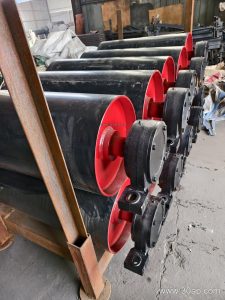
A large pulley is a heavy-duty conveyor pulley with a substantial drum diameter, typically used at key transfer points in bulk material handling. In a quarry, limestone mine, or aggregate line, you will often see one at the head drive position where the conveyor belt wraps around and discharges material. These pulleys are also common in coal washing plants and power plant coal handling systems, where reliability under continuous load matters. Unlike an idler roller that supports the belt along its run, a large pulley transmits power or changes belt direction. It is a core component alongside the conveyor belt and conveyor bracket that keeps the system running.
Construction and Surface Options
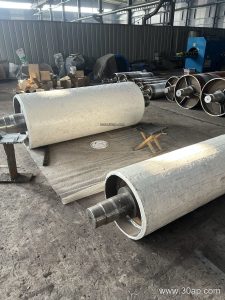
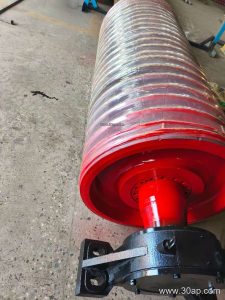
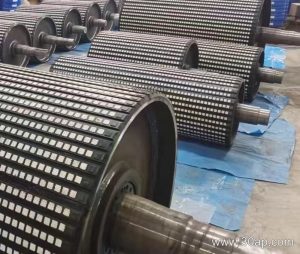
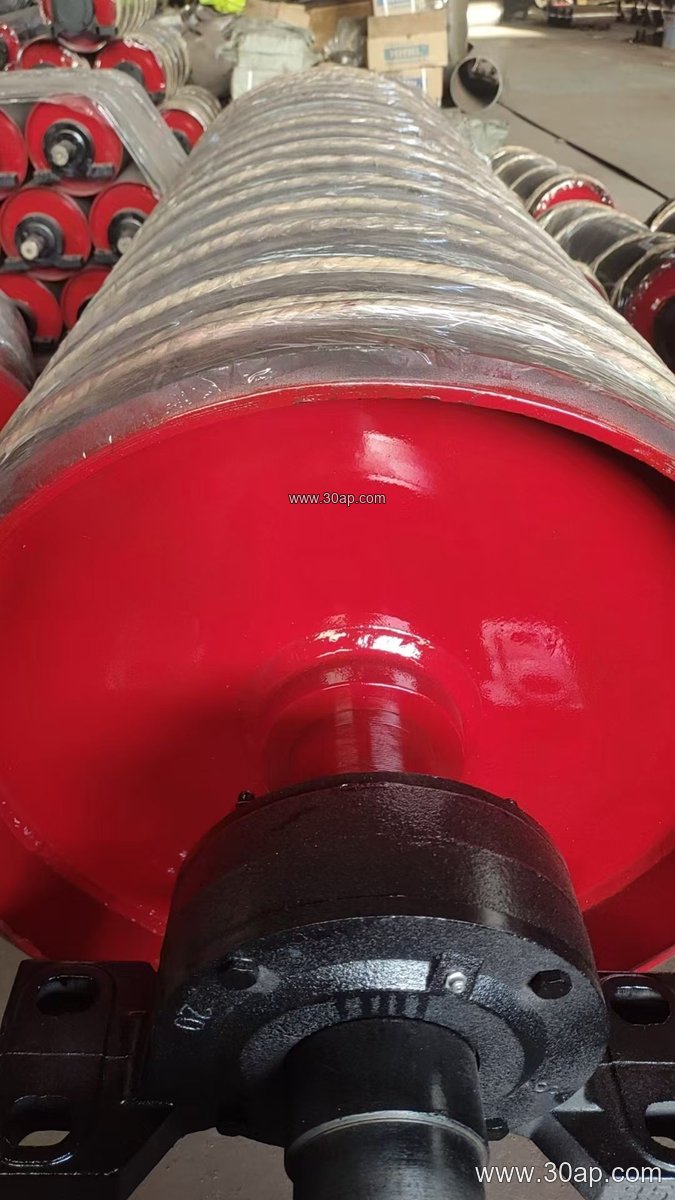
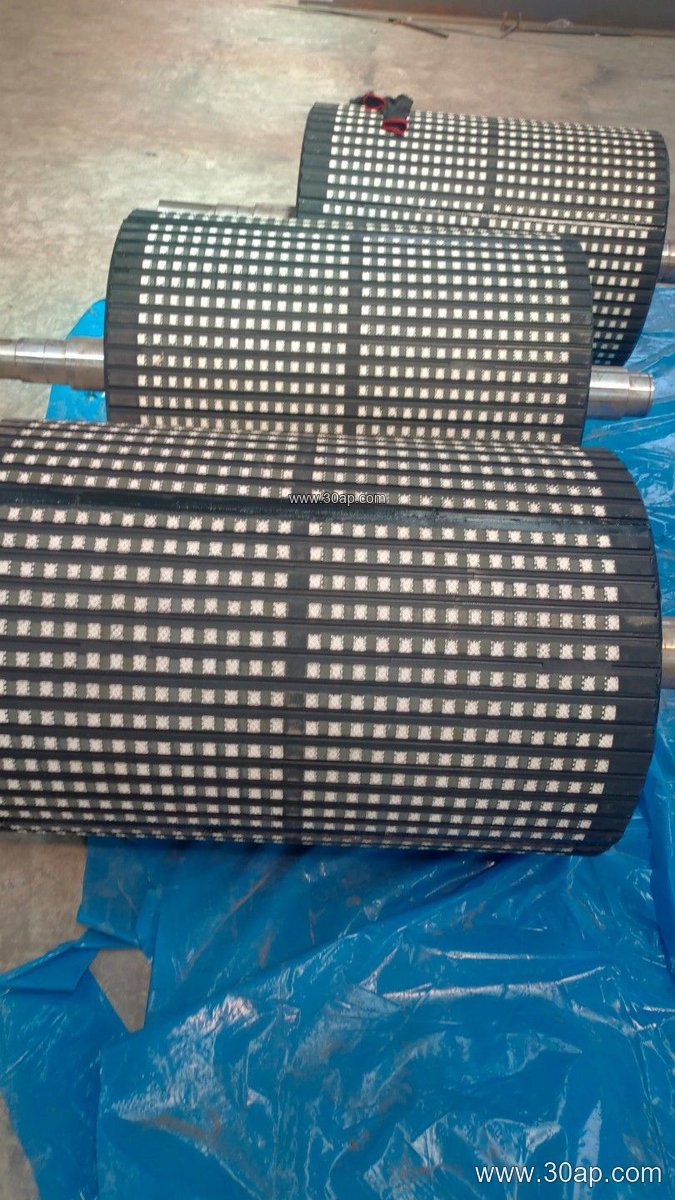
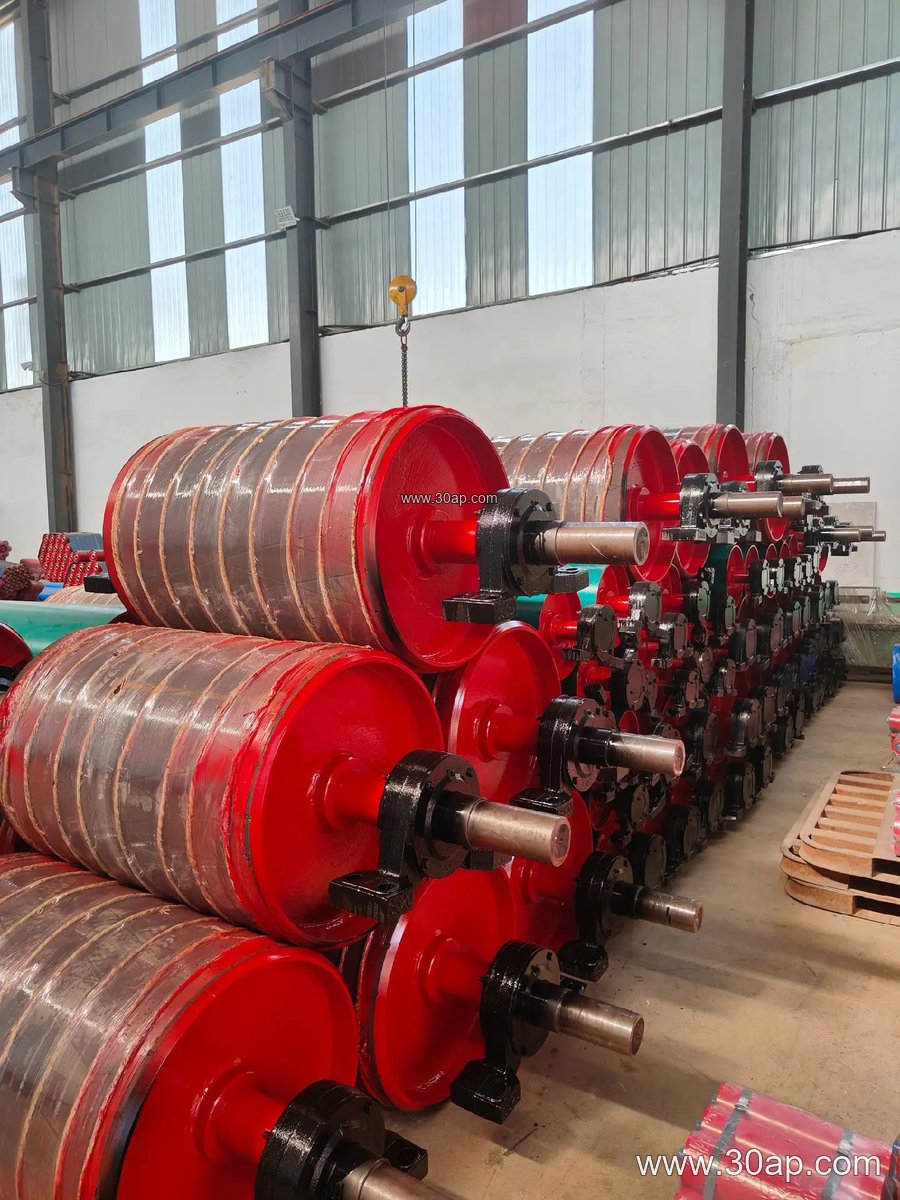
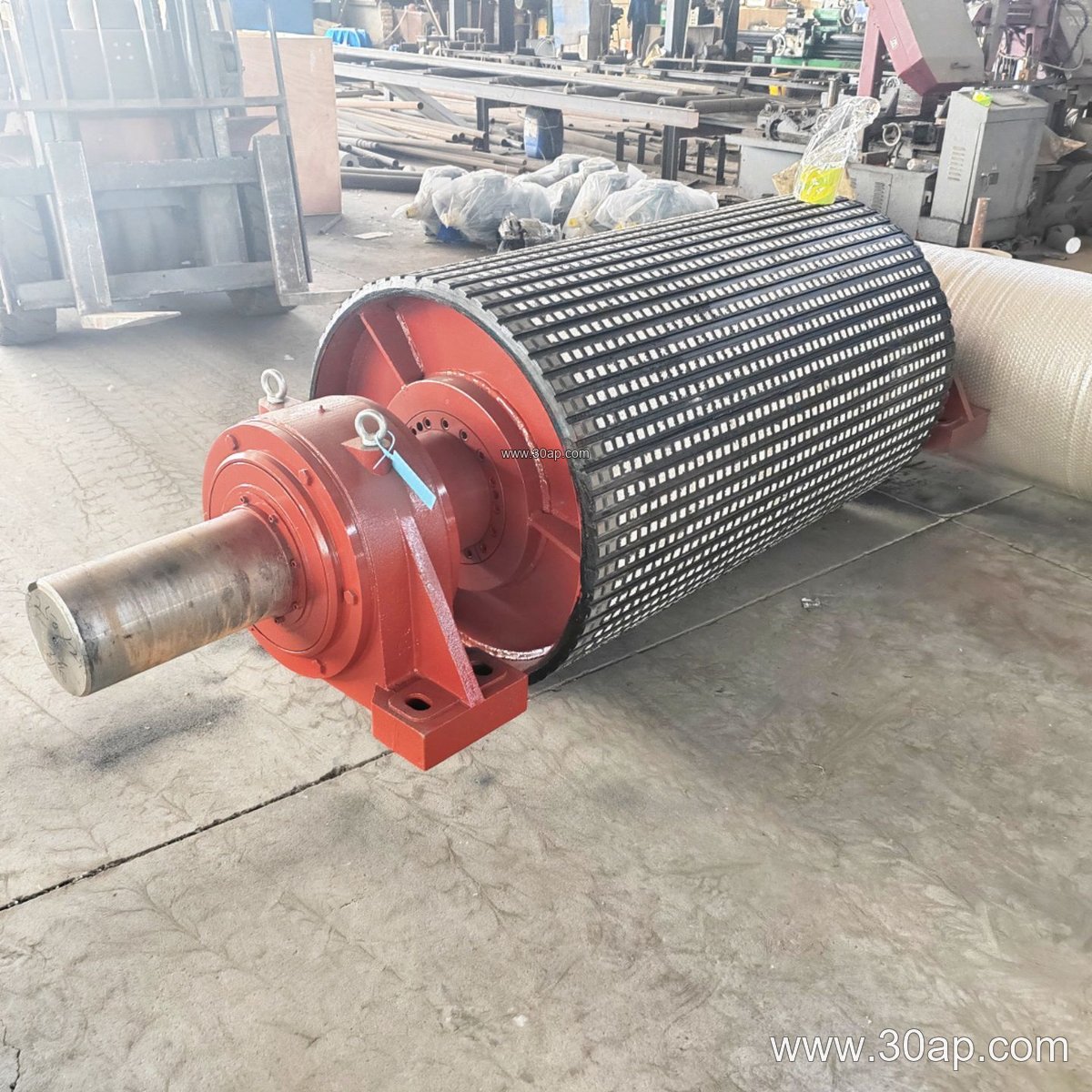
A large pulley usually consists of a cylindrical shell, two end discs, a shaft, and a hub connection. The shell may be seamless steel tube or rolled plate, machined for balance. Surface treatment is a critical choice. Plain finish suits low-tension applications, while rubber lagging improves grip and protects the belt. Common lagging types include diamond grooved, herringbone, and ceramic embedded surfaces. Lagging thickness often ranges from 8 mm to 20 mm depending on duty. For a large pulley in a drive position, hot vulcanized rubber lagging is frequently specified to resist slip and wear. The shaft diameter is determined by torque and load, not by belt width alone, so a B1200 pulley might use a Ø100 mm or larger shaft depending on the drive design.
Typical Applications Across Industries
In the mining sector, large pulleys handle abrasive ore and rock. A copper ore or iron ore conveyor often uses a heavy-duty pulley with thick lagging to withstand sharp edges. In cement plants, clinker and raw meal conveyors rely on pulleys that resist heat and dust. Power plants use them in coal handling systems where flame retardant conveyor belt is common. Sand and gravel operations pair large pulleys with abrasion resistant conveyor belt to move aggregate efficiently. Port bulk terminals use large pulleys on ship loading conveyors, where high tension and long spans demand robust construction. Each application places different demands on the pulley, so the selection process should start with the material and operating environment.
Key Specifications to Consider
When specifying a large pulley, several parameters matter. The table below shows common reference values, but actual dimensions should always be confirmed by design calculations.
| Parameter | Common Range / Example |
|---|---|
| Belt width (B) | B400 to B2400 |
| Pulley diameter (Ø) | Ø200 to Ø1800 |
| Shell face width | Usually wider than belt, e.g., B800 ~ 950 mm |
| Lagging thickness | 8, 10, 12, 15, 20 mm |
| Shaft diameter | Ø50 to Ø200 (by torque/load) |
| Surface form | Plain, rubber lagging, ceramic lagging, diamond groove |
Examples like B1200 × Ø1000 or B1400 × Ø800 illustrate typical combinations, but no single belt width locks you into one diameter. The pulley diameter should be chosen based on belt tension, wrap angle, and the required service life of the conveyor belt. For high-strength applications, such as those using steel cord conveyor belt, larger diameters help reduce bending stress.
Matching the Pulley to the Conveyor Belt
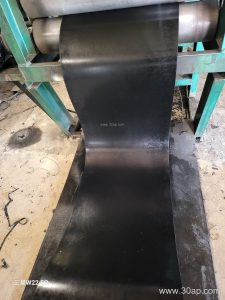
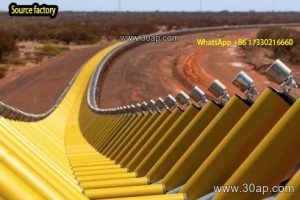
The interaction between the large pulley and the conveyor belt is crucial. A pulley that is too small for a thick, stiff belt can cause ply separation or premature wear. For EP conveyor belt or NN conveyor belt with multiple plies, a larger diameter improves flex life. In contrast, a pipe conveyor belt or corrugated sidewall conveyor belt may need special pulley profiles. Always share the belt specification, including tension rating and cover thickness, with the pulley supplier. The conveyor bracket and take-up system also affect how the pulley performs, so consider the whole conveyor layout.
Buyer Checklist and Maintenance Notes
- Confirm the actual belt width and tension to select a suitable pulley diameter and shaft size.
- Choose lagging based on material: abrasive rock favors ceramic or thick rubber; oily materials may need oil resistant rubber.
- Check balancing grade and runout for high-speed applications.
- Plan for regular inspection of lagging wear and shaft alignment.
- Ensure the pulley is compatible with the conveyor bracket and take-up arrangement.
In summary, a large pulley is a robust, application-specific component. Whether you are upgrading a quarry line or specifying a new coal handling system, focus on the duty requirements rather than a single size. For more information on related components like conveyor belt, idler roller, and conveyor pulley, consult your engineering team. Visit example.com/conveyor-pulley for additional resources.