What a Friction Idler Does on a Conveyor
A friction idler is a self-aligning idler roller that uses the friction between the rotating roller and the conveyor belt to correct belt misalignment. Unlike a standard carrying idler, which only supports the belt, a friction idler is mounted in a way that allows it to pivot slightly. When the belt drifts to one side, the friction force on that side increases, causing the idler to angle itself and guide the belt back toward the center. This makes the friction idler a simple but effective component for keeping a conveyor belt running true, especially on long or curved sections where tracking problems are common.
Construction and Key Components
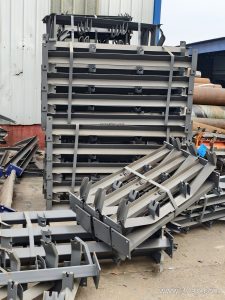
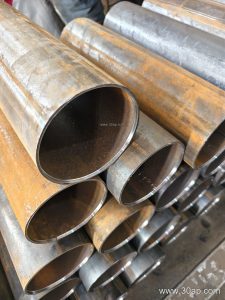
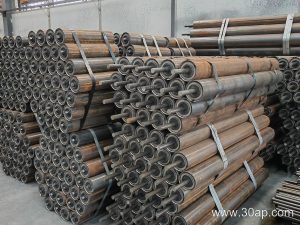
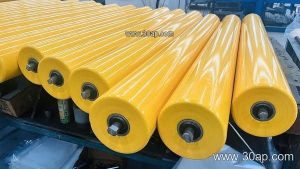
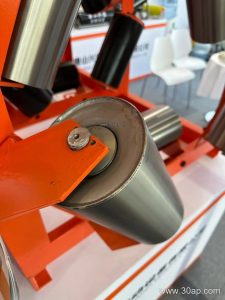
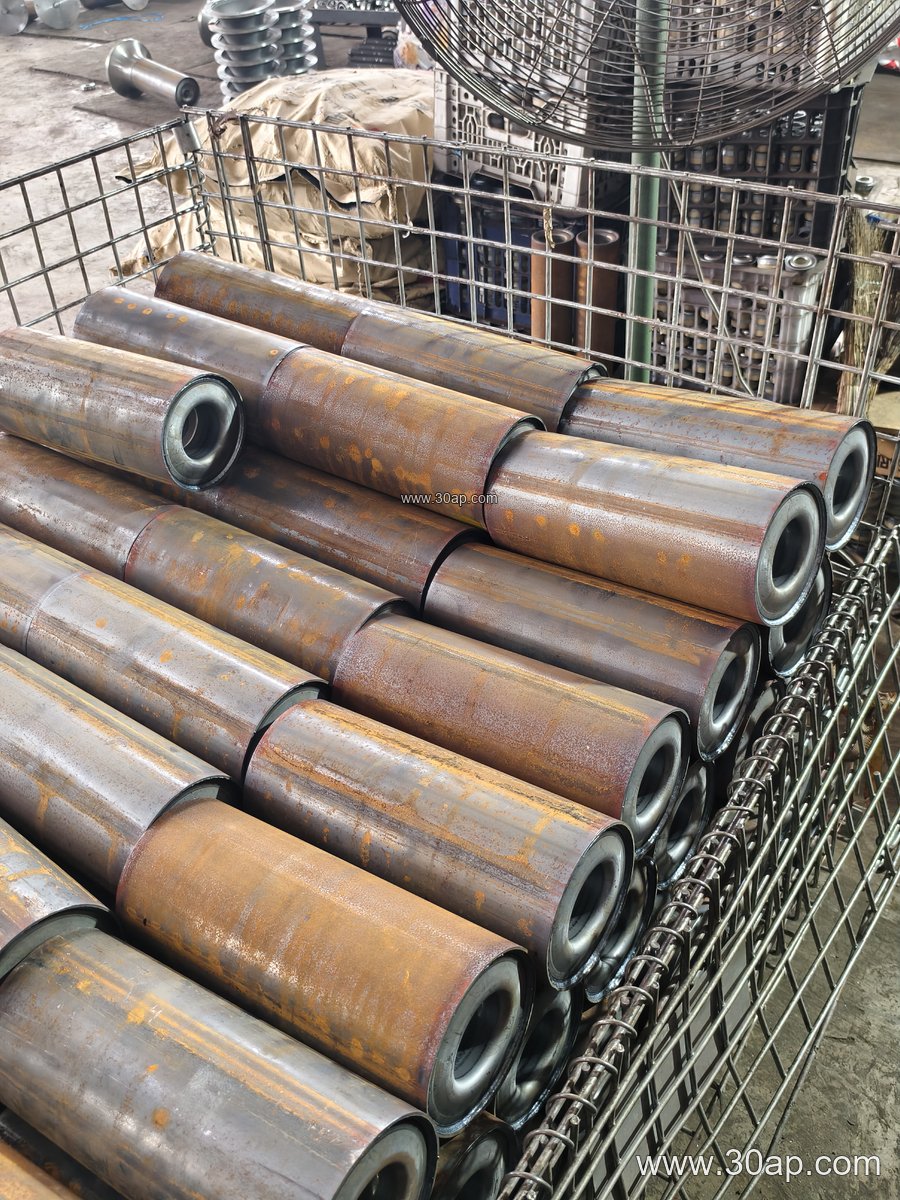
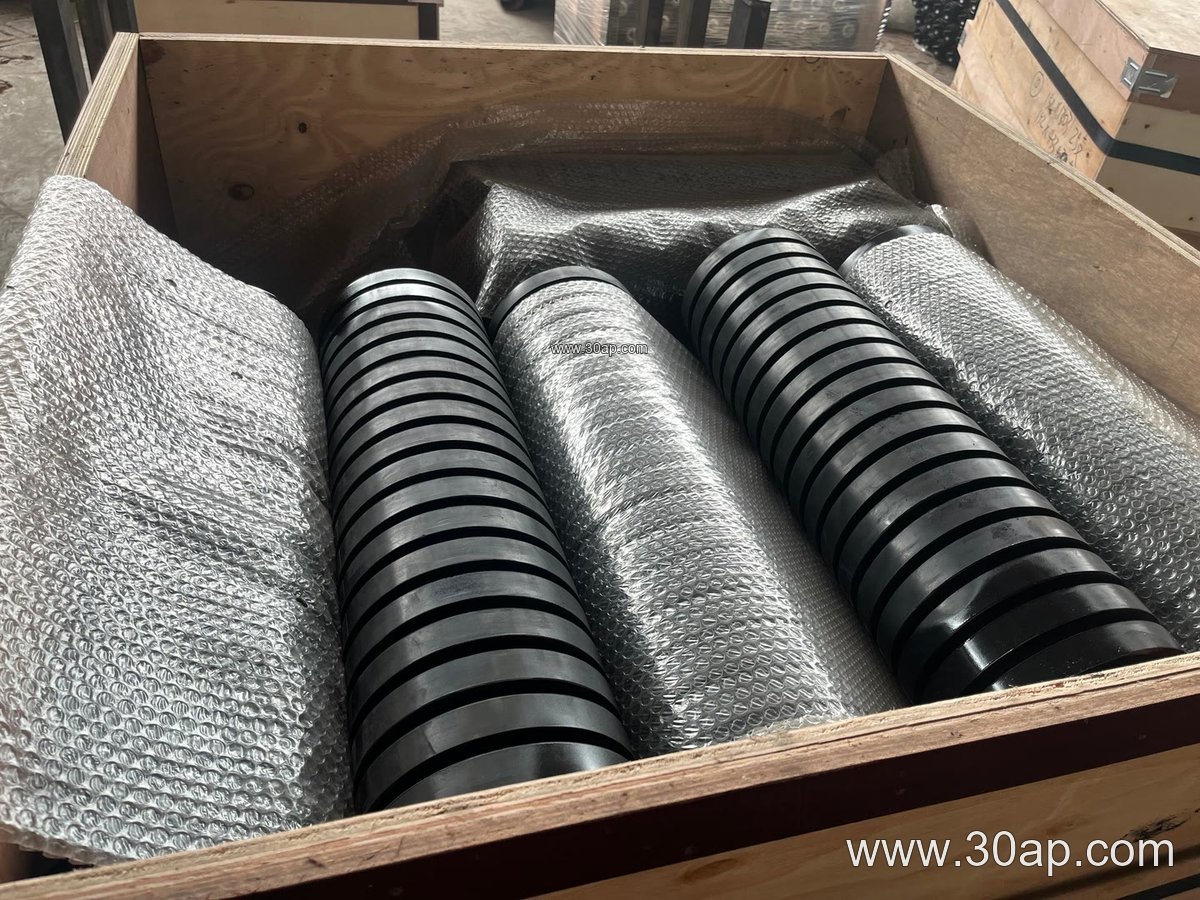
The friction idler is built around a sturdy steel tube or pipe that forms the roller body. The surface may be plain steel, or it may be covered with a rubber lagging or ceramic tile to increase friction and wear resistance. Inside, the roller runs on sealed ball bearings, commonly sizes such as 6204, 6205, 6305, or 6306, depending on the load and shaft diameter. A fixed shaft passes through the roller, and the ends are supported by bearing housings that fit into a conveyor bracket. The bracket is designed to allow a limited degree of rotation or swivel, which is the key to the self-aligning action. The friction idler is usually part of a larger idler set, but its mounting differs from a plain carrying idler because it must be able to move.
Where Friction Idlers Are Used
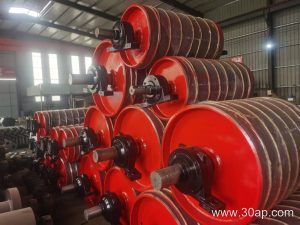
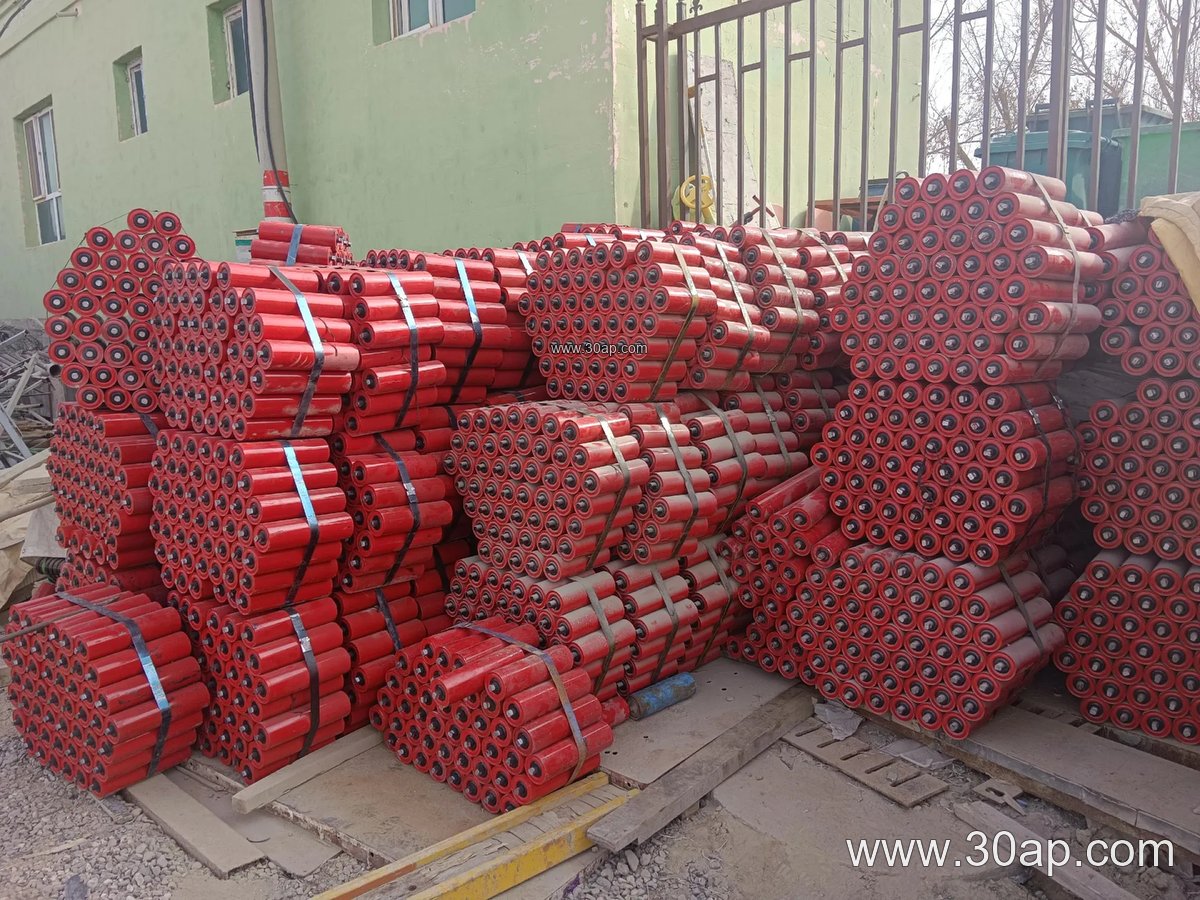
Friction idlers are found in many bulk material handling operations. In a quarry or sand and gravel plant, they help keep the belt centered on the head and tail sections, reducing spillage and edge damage. In a coal mining operation, they are often used on underground or surface belts to maintain alignment through curves and transfer points. Cement plants use them on clinker and raw material conveyors, while power plants rely on them for coal handling lines. They are also common in iron ore and copper ore processing, where long overland conveyors need reliable tracking. The friction idler works with the conveyor belt, conveyor pulley, and conveyor bracket to form a stable system, and it is especially useful where the belt is wide or the load is heavy.
Compatibility with Belt Types and Sizes
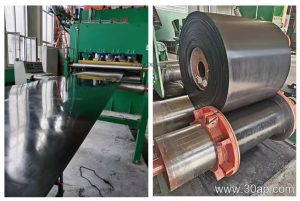
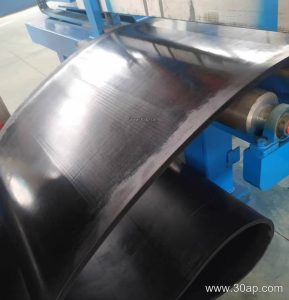
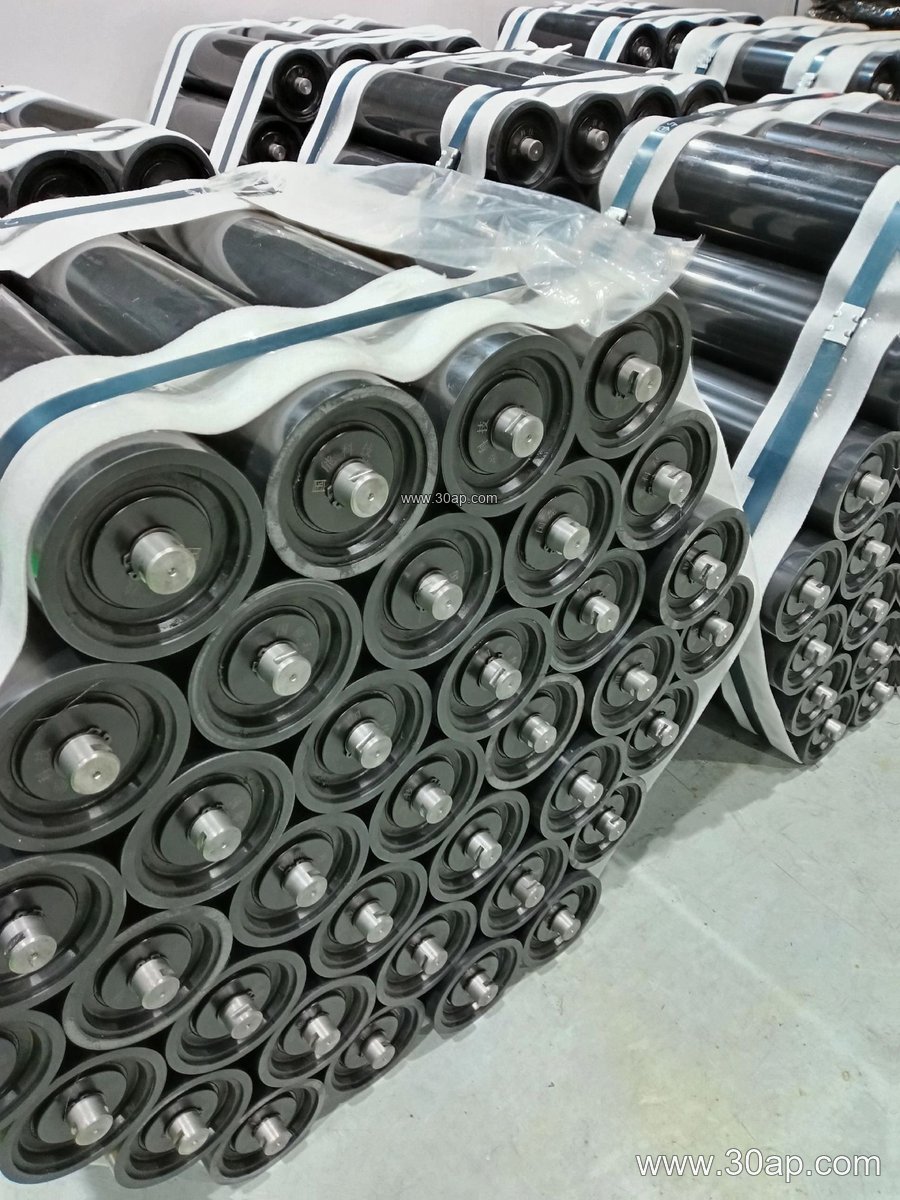
The friction idler does not impose strict limits on belt width, but it must be selected to match the belt and the conveyor structure. Common belt widths include B500, B650, B800, B1000, B1200, and B1400, and the idler length should be chosen according to the belt width and trough angle. The roller diameter may be Ø63, Ø76, Ø89, Ø102, Ø108, Ø127, or larger, depending on the load and speed. The friction idler can be used with various conveyor belts, such as EP conveyor belt, NN conveyor belt, steel cord conveyor belt, and heat resistant conveyor belt. It also works alongside a rubber conveyor belt or a flame retardant conveyor belt in mining and power plant applications. When selecting a friction idler, consider the belt speed, the material being conveyed, and the environmental conditions, but avoid assuming that one size fits every conveyor.
Selection and Maintenance Tips
Buyers should pay attention to the bearing type and sealing arrangement, because dust and moisture are the main enemies of idler life. A well-sealed bearing housing with effective labyrinth seals will last longer in dusty conditions such as a crusher or screening plant. The roller surface should be chosen based on the application: plain steel for general use, rubber lagging for higher friction and impact resistance, or ceramic for extreme wear. The mounting bracket must be compatible with the conveyor frame, and the swivel mechanism should move freely without excessive play. Regular inspection of the friction idler for belt tracking, noise, and temperature is recommended. If the idler does not rotate smoothly or the belt continues to misalign, the idler may need replacement or the bracket may need adjustment.
Typical Reference Data for Friction Idlers
The following table gives common examples of roller diameters and belt widths, but these are not fixed combinations. Actual selection depends on the conveyor design and load requirements.
| Parameter | Common Options |
|---|---|
| Roller diameter | Ø63, Ø76, Ø89, Ø102, Ø108, Ø127, Ø133, Ø159 |
| Belt width | B400, B500, B650, B800, B1000, B1200, B1400, B1600 |
| Bearing size | 6204, 6205, 6305, 6306, 6308 |
| Roller surface | Steel, rubber lagging, ceramic |
| Trough angle | 20°, 30°, 35°, 45° |
For more information on friction idlers and related conveyor components, please visit our website at www.example.com/friction-idler. We also supply conveyor belt, idler roller, and conveyor pulley to match your system.