What an Iron Ore Conveyor Belt Has to Handle
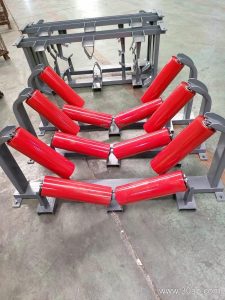
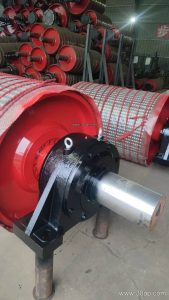
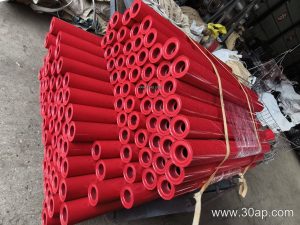
An iron ore conveyor belt is the load-carrying element in a bulk handling line that moves crushed ore, pellets, sinter feed, or screened fines between stockpiles, crushers, screens, and ship loaders. Compared with a general-purpose belt, the duty is rarely gentle. Iron ore is dense, angular, and often damp or dusty, so the belt must resist cutting, gouging, and abrasion while keeping a stable tracking path on long inclined routes. In a mine, a quarry, or a port terminal, an ore conveyor belt is usually part of a wider system that includes idler rollers, conveyor pulleys, and conveyor brackets, and each of those parts influences how the belt performs.
The working environment also matters. A steel plant or power plant may run belts in hot, dusty conditions, while a coastal port adds humidity and salt air. Underground or enclosed transfer stations may call for flame retardant grades. Because of this, buyers often specify a heavy-duty mining conveyor belt rather than a light fabric belt, and they match the cover compound and carcass to the actual ore condition.
Construction of the Belt
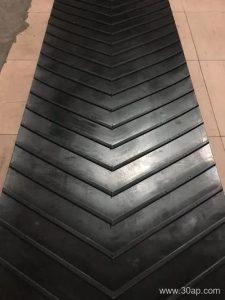
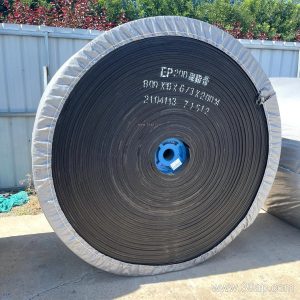
Most iron ore duties are met by one of two carcass families. A steel cord conveyor belt uses parallel steel wires as the tension member and suits long, high-capacity lines where low elongation is important. A fabric core conveyor belt, including EP conveyor belt and NN conveyor belt constructions, uses woven plies and is common on shorter or more flexible routes. In both cases the rubber cover protects the carcass, with the top cover taking the impact and the bottom cover running against the idlers.
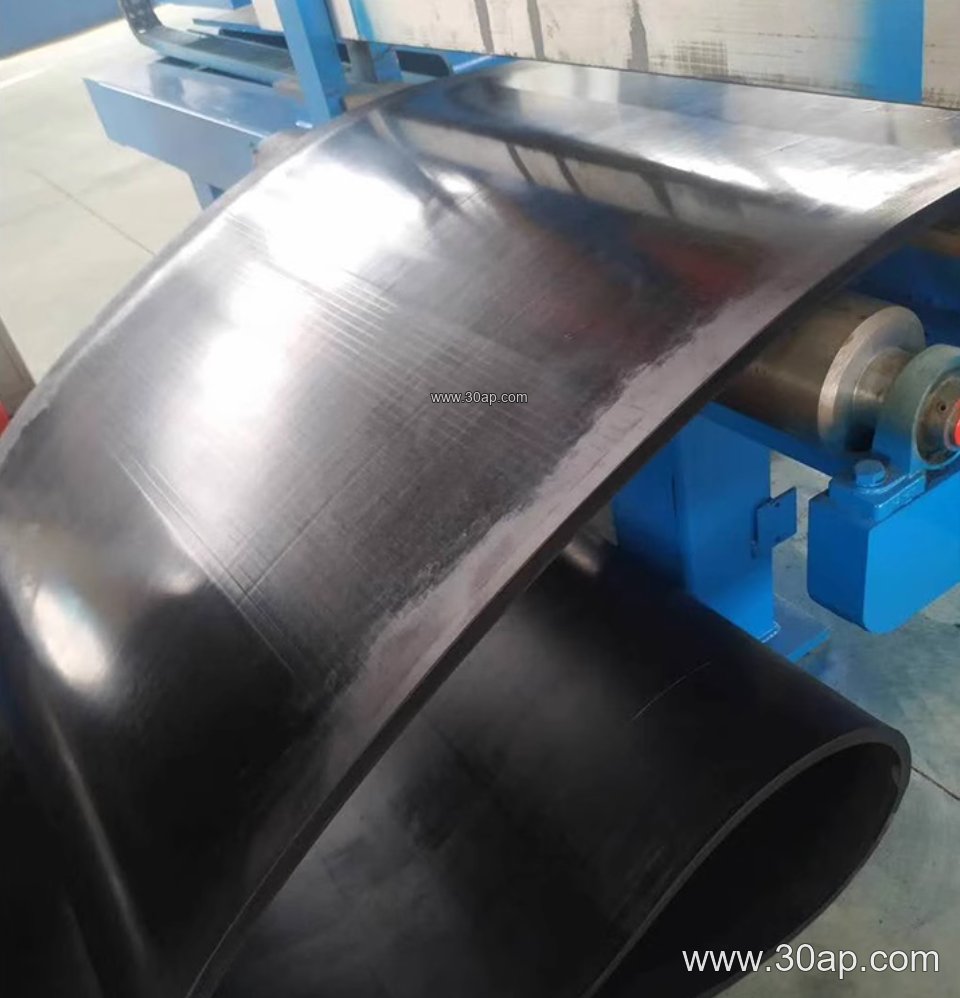
Cover thickness is a practical starting point. Common combinations include 4+2 mm, 5+2 mm, 6+2 mm, and 8+3 mm, and the number of fabric plies usually ranges from two to six depending on the required strength. An abrasion resistant conveyor belt with a thicker top cover is often chosen for crusher discharge points, while a heat resistant conveyor belt may be needed near sinter or pellet handling. For dusty, potentially explosive atmospheres, anti-static and flame retardant properties are worth discussing with the supplier.
Common Strength and Width References
The table below shows typical reference values, not a fixed catalogue. Final selection is by design, based on tonnage, incline, lump size, and pulley arrangement.
| Parameter | Reference Examples |
|---|---|
| Fabric carcass strength | EP200, EP315, EP400, EP500, EP630, EP800, EP1000, EP1250, EP1600, EP2000 |
| Steel cord strength | ST1000, ST1250, ST1600, ST2000 |
| Belt width | B500, B650, B800, B1000, B1200, B1400, B1600, B1800, B2000 |
| Top and bottom cover | 3+1.5, 4+2, 5+2, 6+2, 8+3 mm |
| Fabric plies | 2 to 6 layers, typically |
Width and strength are independent choices. A 1200 mm wide belt can be paired with different carcass grades, and no single belt width dictates one pulley diameter. Shaft size and pulley geometry should come from the conveyor design, not from the belt width alone.
Where It Fits in the Plant
Iron ore handling appears across mining, steel, cement, and port operations. A primary crusher discharge often uses an abrasion resistant belt with impact support, while a long overland route may prefer steel cord construction for tension efficiency. In a coal mining conveyor belt line, flame retardant grades are common, and the same logic applies to enclosed ore transfer houses where fire risk is a concern. A quarry conveyor belt or aggregate conveyor belt handling mixed rock may share specifications with ore duty, but the buyer should confirm lump size and drop height before assuming they are equal.
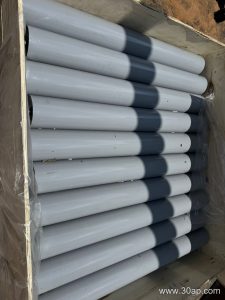
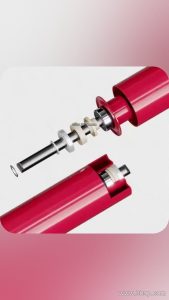
Ancillary equipment deserves attention too. Idler rollers should be sized for the ore load and spaced to avoid sag, and a conveyor pulley at the drive and tail should be matched to the belt tension. Conveyor brackets hold the idlers and frames in alignment, and poor alignment is a frequent cause of edge wear.
Buyer Checklist
- Describe the ore: lump size, moisture, temperature, and whether it is pellets, fines, or run-of-mine.
- State the conveyor layout: centers, lift, trough angle, and drive position.
- Confirm the carcass type and strength class, plus cover thickness for top and bottom.
- Ask about splice method, since a steel cord belt and a fabric belt are joined differently.
- Match special properties such as flame retardant, anti-static, oil resistant, or cold resistant to the site.
- Check that idler rollers, conveyor pulleys, and conveyor brackets are specified as a system with the belt.
For a reliable ore conveyor belt, the practical rule is to buy for the worst condition the line will see, not the average. A well-matched abrasion resistant conveyor belt with the right carcass, correct covers, and aligned components will usually outlast a cheaper belt chosen on width alone.