What an Anti-Misalignment Idler Does
An anti-misalignment idler is a self-correcting roller assembly that senses and counteracts belt drift before it becomes a problem. Unlike a standard carrying idler that simply supports the belt, this idler is built to actively guide it. In quarries and aggregate lines, a misaligned belt can spill material, damage the edge, and force unplanned downtime. The anti-misalignment idler addresses that by using angled rollers or a pivoting frame that nudges the belt back toward the center line as soon as tracking begins to wander.
This component is sometimes called a self-aligning idler or training idler. Those names describe the same function: keeping the conveyor belt centered without manual adjustment. It is not a drive pulley, tail pulley, or bend pulley, and it should never be used in place of those components. The anti-misalignment idler works purely as a tracking aid along the carrying or return side of the conveyor.
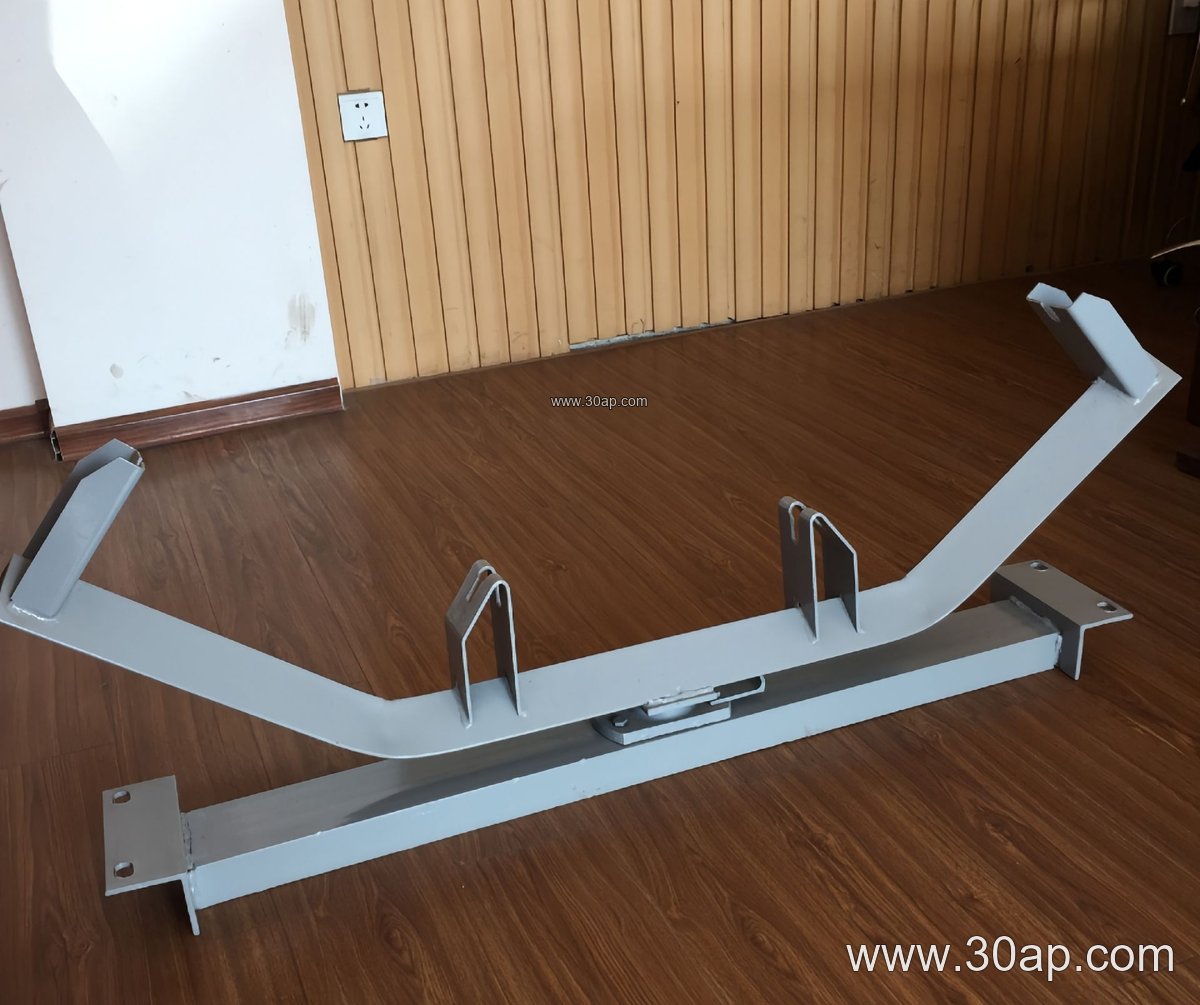
Construction and Working Principle
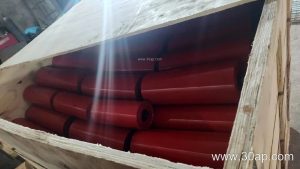
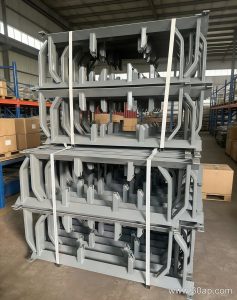
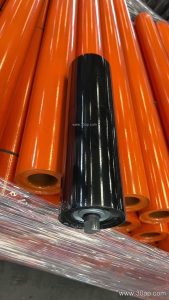
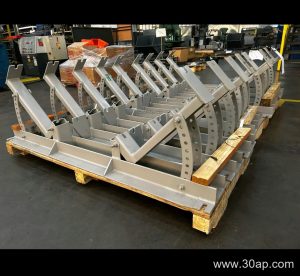
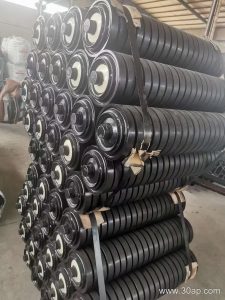
The typical design uses two or three rollers mounted on a frame that can rotate slightly around a vertical pivot. When the belt edges contact a guide roller, the frame turns, and the skewed rollers create a small lateral force that steers the belt back. Common roller diameters for this type include Ø89, Ø108, Ø127, and Ø133, though the exact size depends on belt width and load. Roller surfaces may be steel, nylon, or rubber-covered; rubber lagging is often chosen where dust and fines are present.
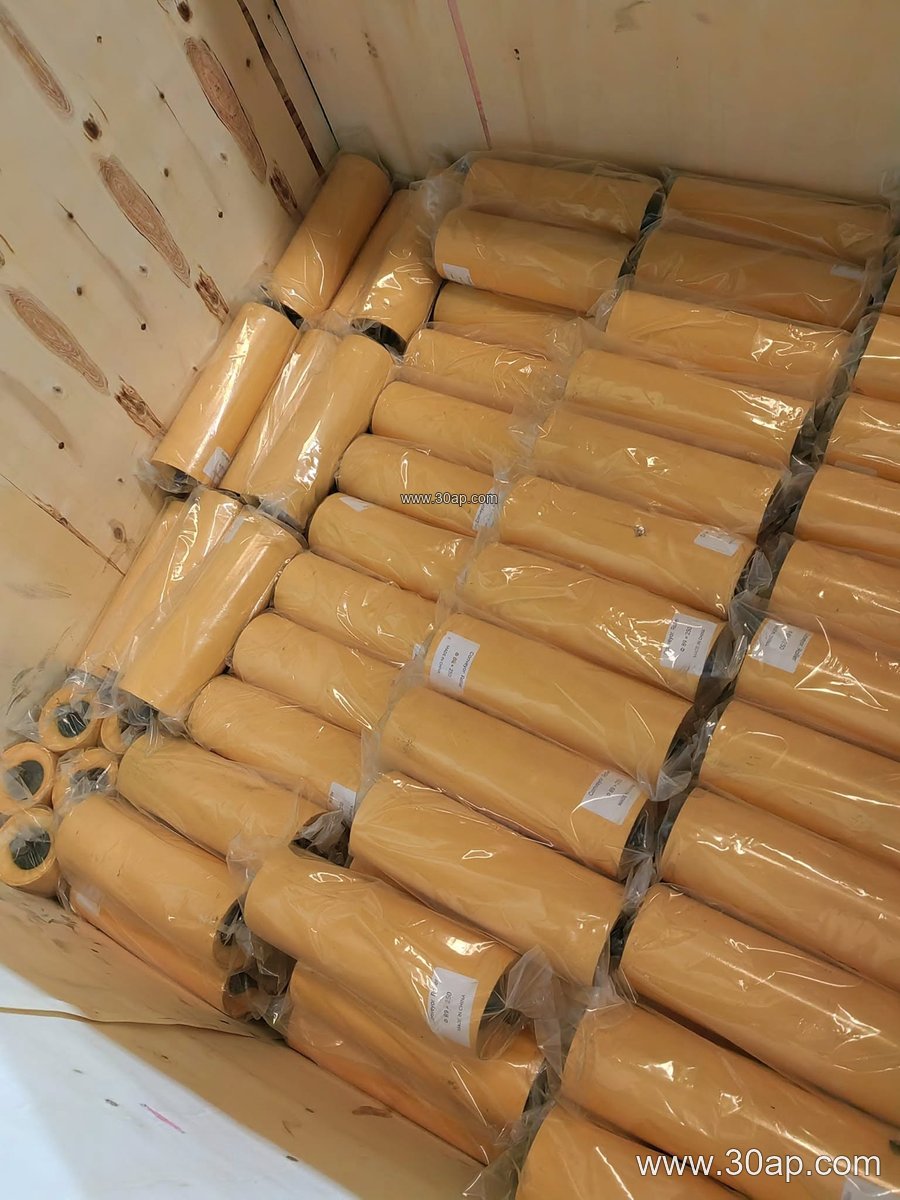
Bearings such as 6204, 6205, or 6305 are frequently used, but no single bearing is tied to one roller diameter. The frame is usually bolted to the conveyor bracket, and the pivot must remain free of buildup. A stiff or seized pivot defeats the purpose of the idler, so periodic inspection matters.
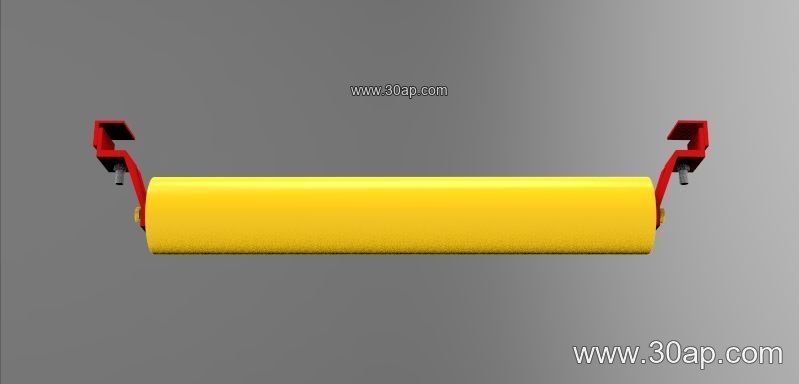
Where It Fits on the Conveyor
Anti-misalignment idlers are most effective on the return strand and on long carrying sections where belt wander is common. In a coal mining conveyor or a cement plant, they are often placed after a load point, before a transfer chute, or just ahead of the tail pulley. On a quarry conveyor belt carrying crushed stone, a pair of these idlers can prevent edge damage that would otherwise shorten the life of an EP conveyor belt or a steel cord conveyor belt.
They are not a substitute for proper pulley alignment. If the drive pulley, tail pulley, or bend pulley is out of square, an anti-misalignment idler can only compensate so much. Correct installation of the conveyor frame and pulleys remains the first line of defense.
Common Sizes and Configurations
Buyers will encounter anti-misalignment idlers in two-roller and three-roller arrangements. Belt widths from B500 to B2000 are common, and roller lengths vary with belt width, trough angle, and frame type. The table below gives typical reference ranges; final dimensions should be confirmed with the supplier and the conveyor design.
| Belt Width | Typical Roller Diameter | Common Trough Angle | Typical Bearing |
|---|---|---|---|
| B500–B650 | Ø89–Ø108 | 20°–30° | 6204–6205 |
| B800–B1000 | Ø108–Ø127 | 30°–35° | 6205–6305 |
| B1200–B1400 | Ø127–Ø133 | 35°–45° | 6305–6306 |
| B1600–B2000 | Ø133–Ø159 | 35°–45° | 6306–6308 |
These are reference values, not fixed pairings. A wider belt does not automatically require a specific shaft diameter, and one belt width can be served by more than one pulley or idler size. The anti-misalignment idler should be selected together with the conveyor bracket and the overall idler set.
Buyer Checklist
- Confirm the belt width and the existing idler diameter before ordering.
- Check whether the application is on the carrying side or return side; return-side units often use a V-return or flat arrangement nearby.
- Ask about the pivot design and seal protection, especially in dusty cement or coal handling service.
- Verify that the frame fits the conveyor bracket bolt pattern.
- Consider the belt type: a heavy-duty mining conveyor belt or a flame retardant conveyor belt may call for a more robust idler frame.
An anti-misalignment idler is a small investment compared with the cost of a damaged belt. Used correctly and maintained alongside the conveyor pulley and idler roller set, it helps keep material moving in mines, power plants, and aggregate operations without constant manual tracking.