What a Vertical Idler Bracket Does
A vertical idler bracket is the mounting component that holds idler rollers in a vertical or near-vertical orientation where a conveyor line changes elevation or where the belt path must be guided through a tight transition. Instead of supporting the belt from underneath in the usual trough, this bracket positions the idler roller so it contacts the belt edge or face at a steep angle, helping the belt stay seated as it climbs or descends between transfer points. In a quarry conveyor or a cement plant clinker line, these brackets often appear near incline sections, silo feeds, and compact transfer towers where floor space is limited.
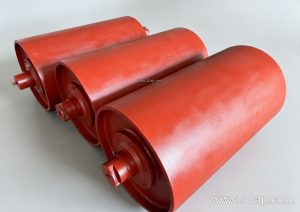
The bracket works together with the conveyor belt, the idler roller it carries, and the surrounding conveyor bracket framework. Its job is alignment and support, not drive. Drive pulleys, tail pulleys, and bend pulleys remain separate components with their own mounting arrangements, and a vertical idler bracket is never a substitute for any of them.
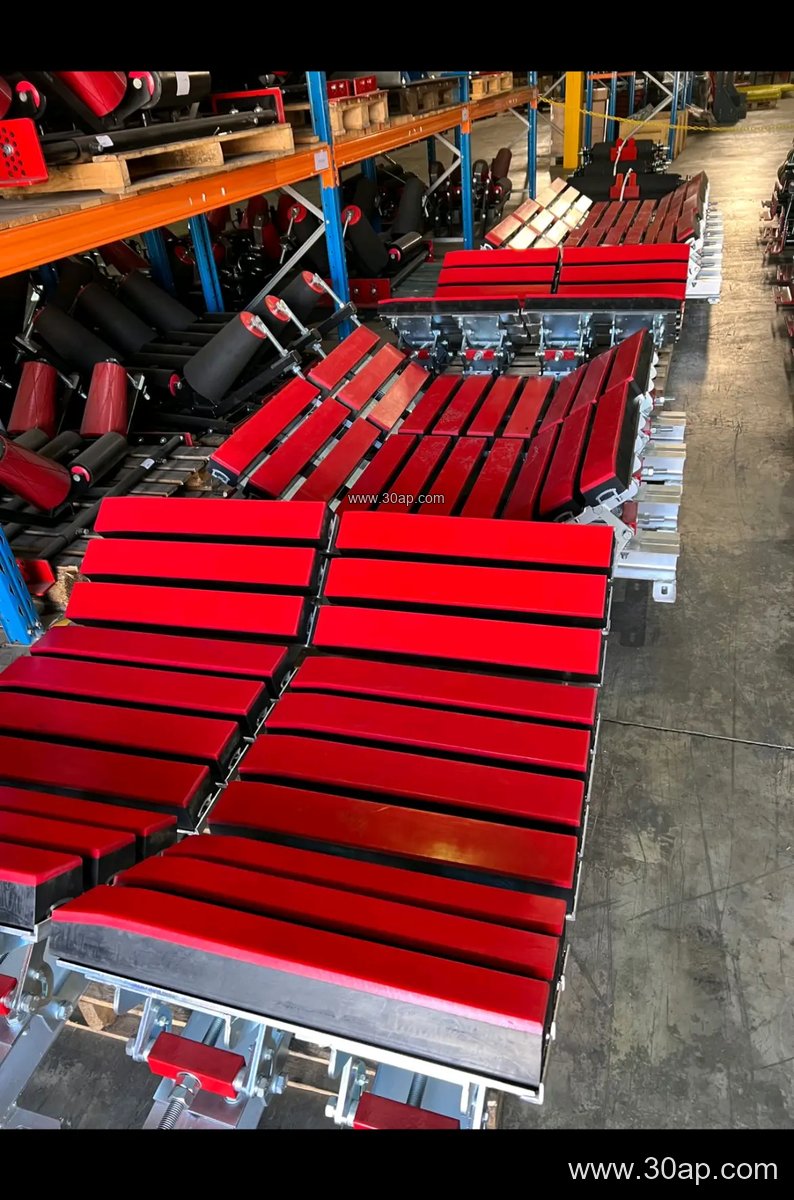
Construction and Mounting Details
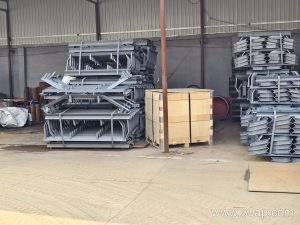
Most vertical idler brackets are fabricated from angle steel, channel steel, or folded steel plate, then drilled or slotted to match the idler shaft and the main frame. A typical unit includes a base plate, a vertical riser, and a mounting pad or slot that accepts the idler shaft. Slotted holes or shim plates allow fine adjustment during installation so the roller face sits square to the belt path.
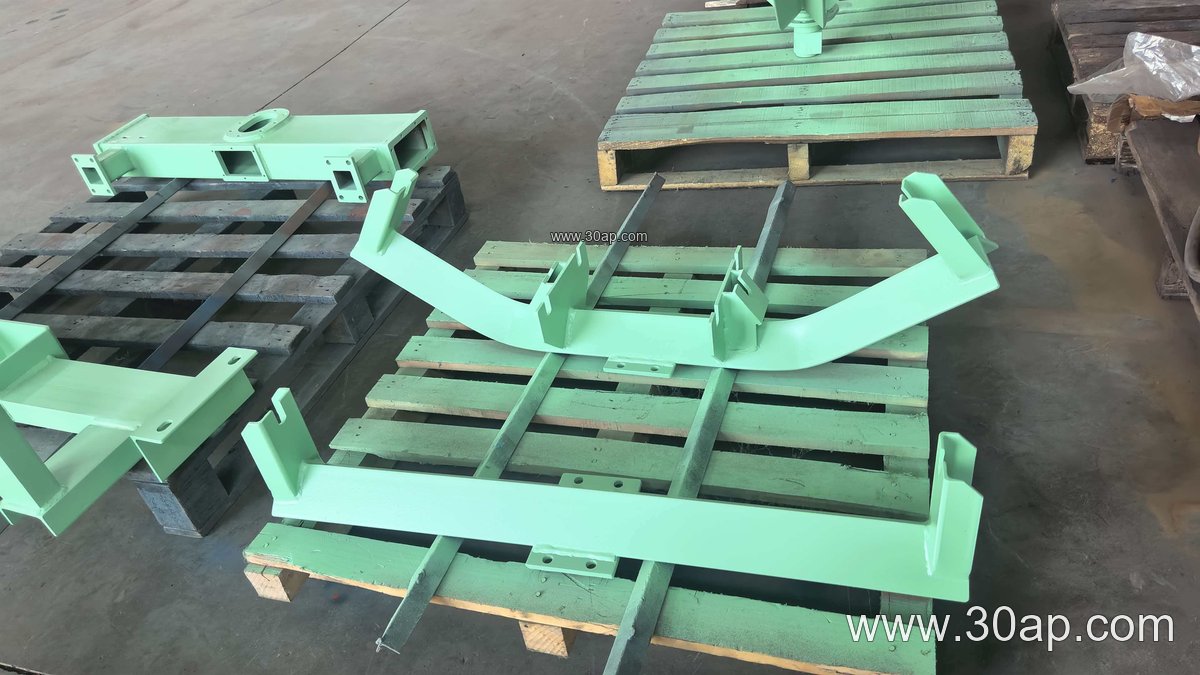
- Base and riser are usually welded, with bolt holes sized to the frame rather than to the belt.
- Adjustable versions let maintenance crews correct roller position after belt tracking shifts.
- Fixed versions are simpler and are common where the transition geometry is already proven.
Because the bracket sits close to the belt edge, buyers should confirm that the roller diameter, shaft end shape, and mounting hole spacing match the existing frame. Hole spacing and crossbeam length vary with belt width and trough angle, so they should be treated as design values, not fixed numbers.
Where Vertical Idler Brackets Fit in a Conveyor
These brackets are most useful in plants where the belt must turn upward quickly. In a limestone mine or aggregate line, a vertical idler bracket can guide the belt through a short incline before the material reaches a screen. In a power plant coal handling system, similar brackets help control belt position at the junction between a horizontal run and a steep lift. They also appear in tunnel spoil removal and fertilizer handling where layout space is tight.
Selection usually starts with belt width, trough angle, and roller diameter. A B800 frame with a 35 degree trough and Ø108 rollers is a common combination, while a B1200 line with 45 degree troughing may use Ø133 rollers. A B650 conveyor with 30 degree troughing often runs Ø89 idlers. These are reference examples, not mandatory matches. Belt width alone does not fix the roller diameter, and one belt width can suit more than one bracket and roller combination.
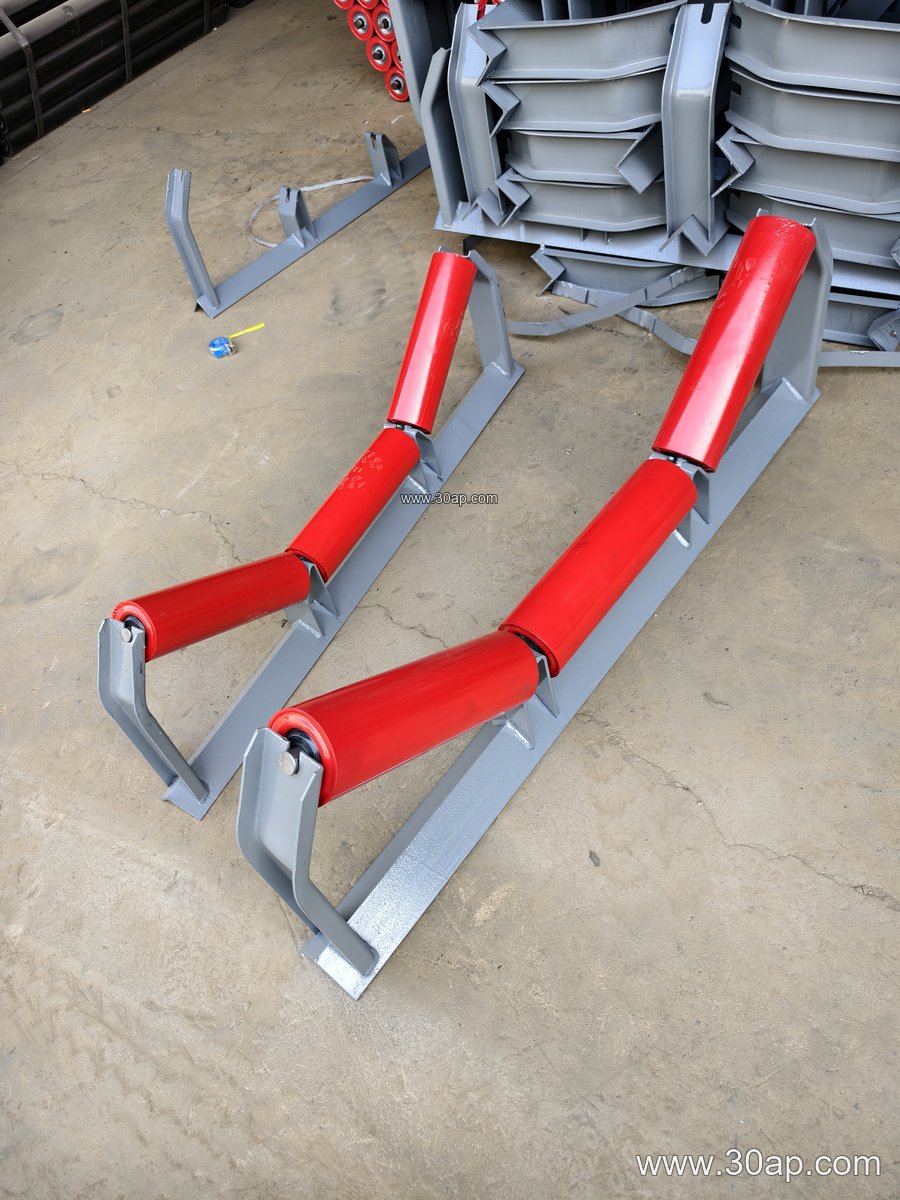
| Parameter | Typical Reference Range |
|---|---|
| Belt width | B500 to B2200 |
| Trough angle | 20, 30, 35, 45 degrees |
| Idler diameter | Ø89, Ø108, Ø133, Ø159, Ø194 |
| Material | Angle steel, channel steel, folded plate |
| Adjustment | Fixed or adjustable slot design |
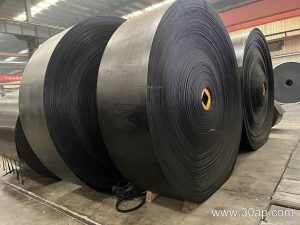
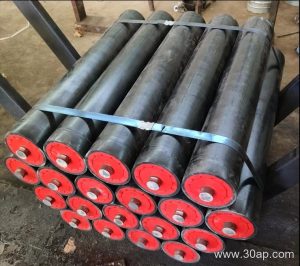
For high-abrasion duties, such as an iron ore or copper ore transfer, the bracket should be paired with a wear-resistant roller and a rugged conveyor belt. A heavy-duty mining conveyor belt or an abrasion resistant conveyor belt reduces the chance of edge damage when the belt is guided at a steep angle. In coal mining, a flame retardant conveyor belt or fire resistant conveyor belt is often specified alongside the bracket and roller set.
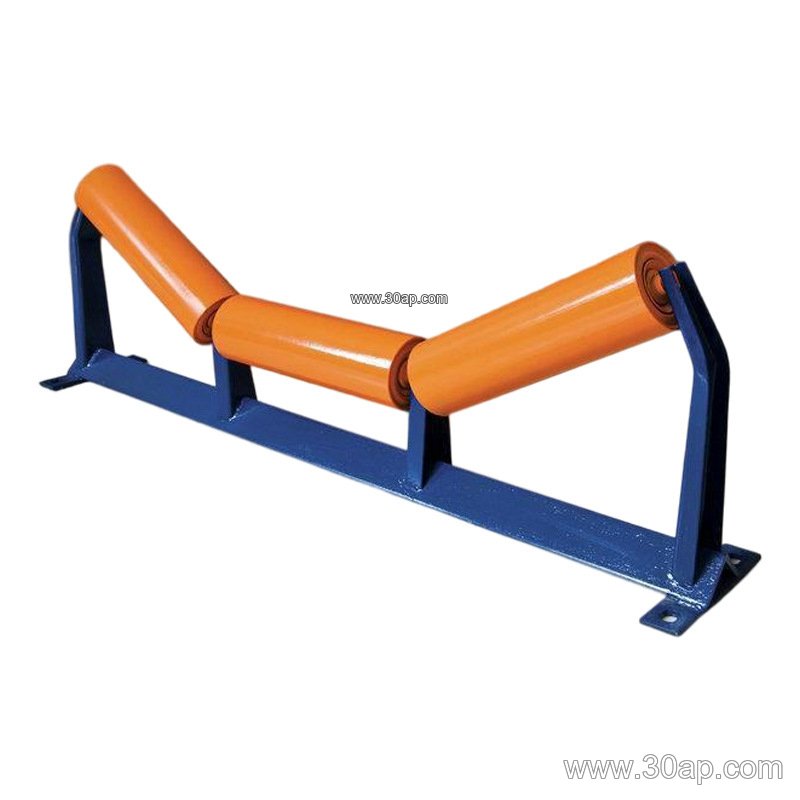
Buyer Checklist Before Ordering
Start with the frame drawing. Confirm the belt width, the required trough angle, the idler shaft diameter, and the mounting hole pattern. Ask whether the bracket is fixed or adjustable, since an adjustable vertical idler bracket costs more but simplifies belt tracking later. Check the steel thickness and finish against the site conditions; a wash plant or port terminal may need a heavier galvanized or painted bracket than a dry sand plant.
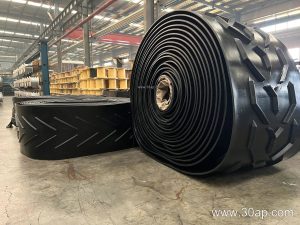
Also confirm how the bracket interacts with neighboring components. It should not interfere with the return run, the conveyor pulley, or the skirt rubber. If the belt carries a corrugated sidewall or chevron profile, the roller and bracket spacing must clear the cleat height. For a pipe conveyor belt or an endless conveyor belt, the transition geometry is different, so the bracket should be specified from the actual layout rather than from a standard table.
Finally, keep spare brackets and rollers on hand for the steep sections, where misalignment shows up first. A small stock of the correct vertical bracket and idler roller keeps a quarry, cement plant, or coal yard running through the next belt tracking adjustment.