What Is a High Abrasion Resistant Conveyor Belt
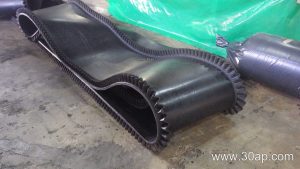
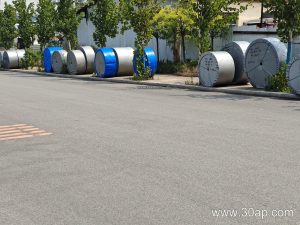
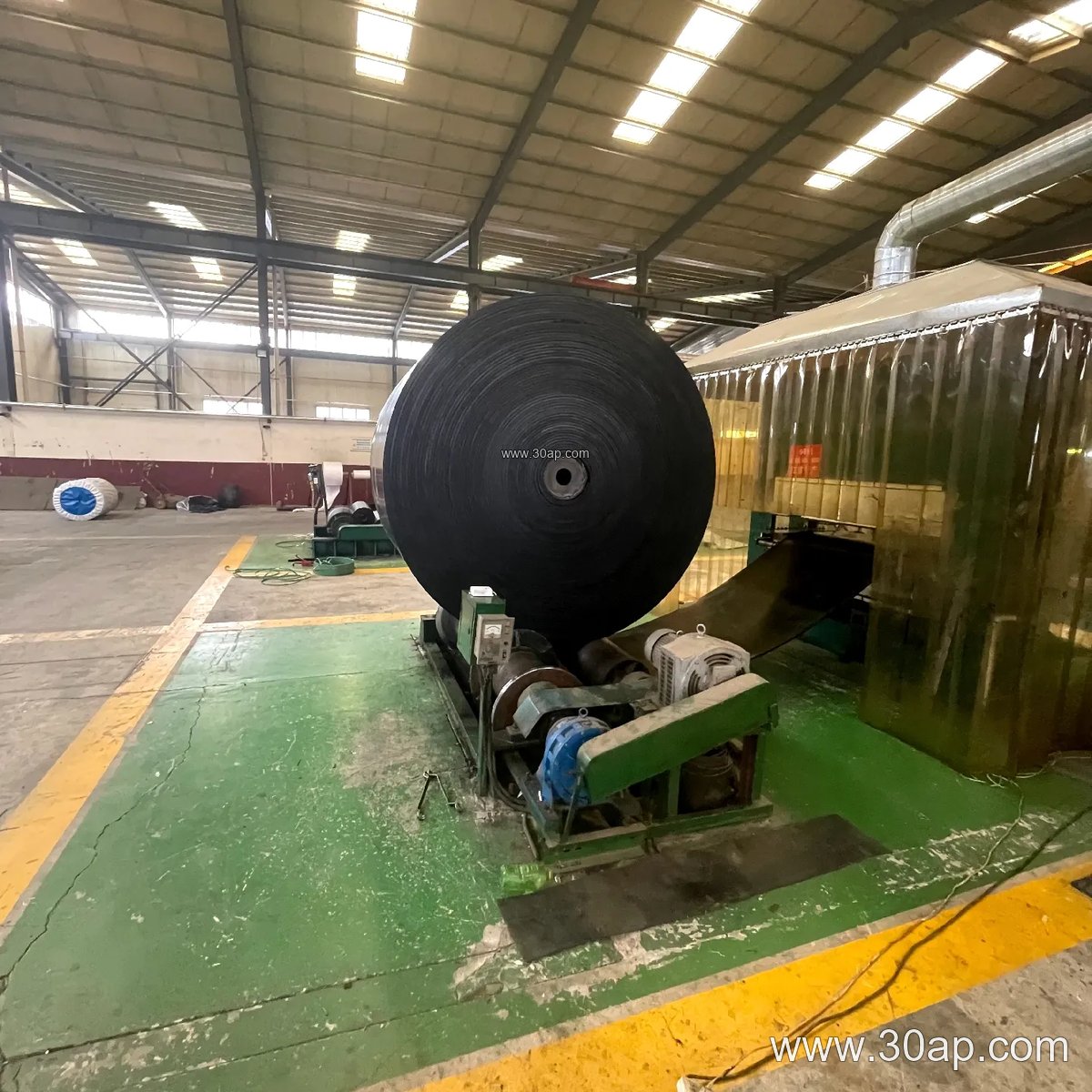
A high abrasion resistant conveyor belt is a heavy-duty rubber conveyor belt engineered to withstand the wear caused by sharp, hard, and abrasive materials such as crushed rock, ore, clinker, and gravel. This belt is often referred to as an abrasion resistant conveyor belt, and its primary role is to protect the conveyor system from premature failure in aggressive environments. Unlike standard belts, the cover compound of a high abrasion resistant conveyor belt is formulated to resist cutting, gouging, and surface wear, extending service life in mining, quarrying, cement, and power plant applications.
Construction and Material Options
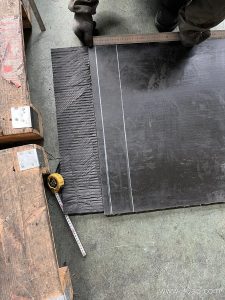
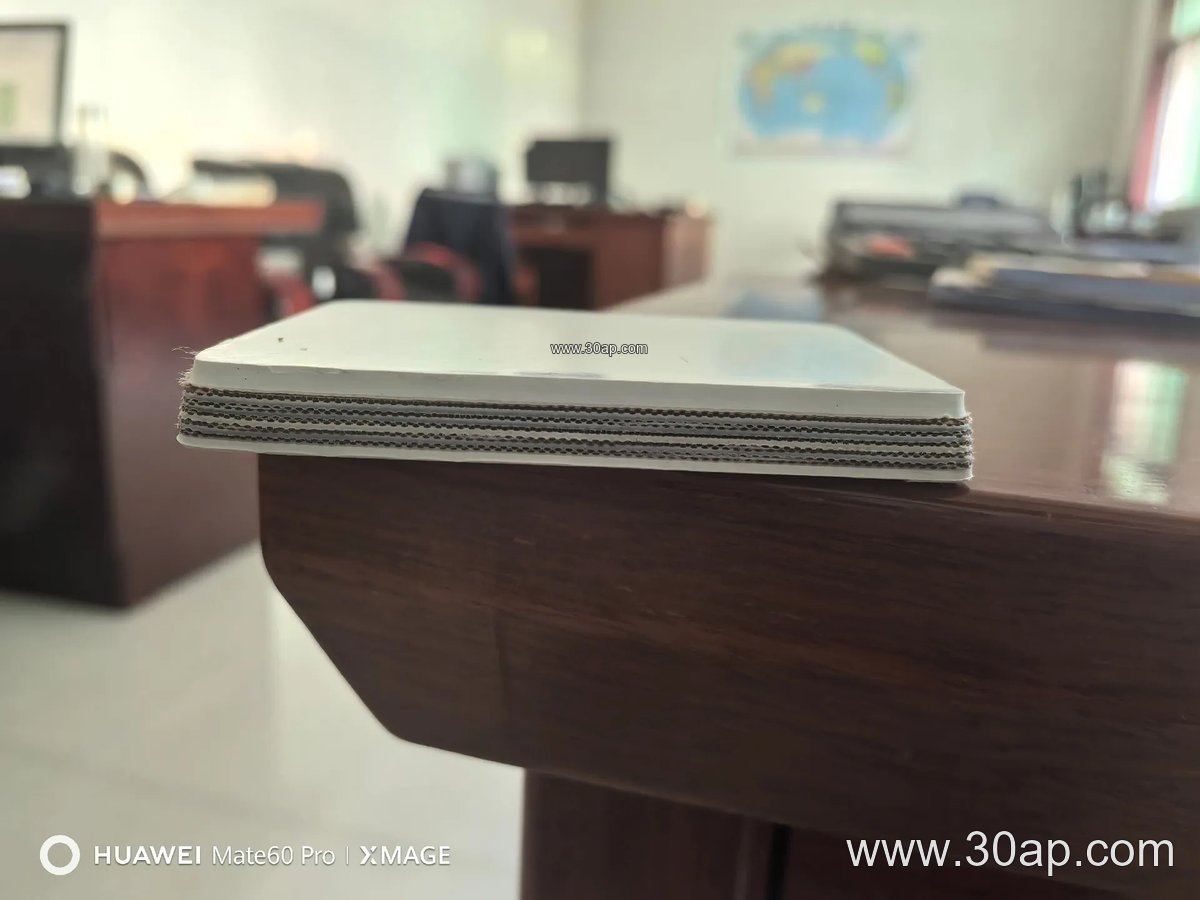
The belt typically consists of a fabric core or steel cord carcass covered with high-quality rubber. Common carcass types include EP conveyor belt (polyester-nylon) and NN conveyor belt (nylon-nylon), both available in multi-ply fabric core conveyor belt constructions. For extremely demanding loads, a steel cord conveyor belt may be used. The cover rubber is the key component for abrasion resistance; it is usually thicker and harder than standard covers. Typical cover thicknesses for high abrasion resistant belts range from 4+2 mm to 8+3 mm, with fabric plies from 2 to 6 layers depending on the required strength. Strength grades for EP belts often include EP200, EP400, EP630, EP800, EP1000, and EP1250, while steel cord belts may be rated ST1000 to ST3150. These values are indicative and should be confirmed with the manufacturer for each specific application.
Where High Abrasion Resistant Belts Are Used
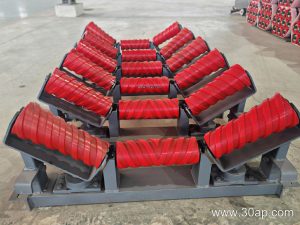
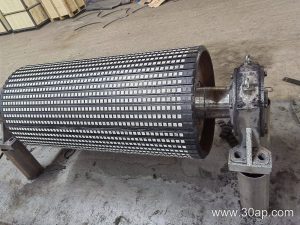
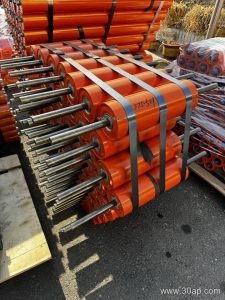
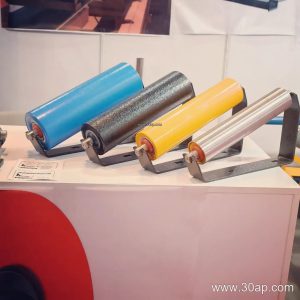
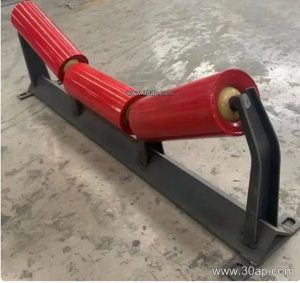
These belts are widely applied in industries where materials are sharp and heavy. In the mining sector, they handle run-of-mine ore, coal, and waste rock on primary and secondary conveyors. Quarries and aggregate plants use them to transport crushed stone, sand, and gravel. Cement plants rely on them for clinker and limestone handling, while power plants use them for coal and ash. Other applications include steel plants, port loading facilities, and recycling plants. In these settings, the belt works alongside conveyor pulleys, idler rollers, and conveyor brackets to maintain a continuous flow of bulk materials. The high abrasion resistant cover reduces downtime caused by belt punctures and surface wear, which is especially beneficial in primary crushing circuits and transfer points with high impact.
Key Specifications and Selection Factors
When selecting a high abrasion resistant conveyor belt, several parameters must be considered. Belt width is a primary factor, with common widths including 500 mm, 650 mm, 800 mm, 1000 mm, 1200 mm, 1400 mm, 1600 mm, 1800 mm, and 2000 mm. The belt width should match the conveyor system design and the lump size of the material. The carcass type and strength grade determine the belt’s tensile capacity; for example, an EP1000 belt with a 1200 mm width might be suitable for a medium-duty mining conveyor, while a steel cord belt may be required for long overland conveyors. Cover thickness and rubber quality directly affect abrasion resistance; thicker covers are preferred for high-impact points. Additionally, consider the operating environment: heat resistant, flame retardant, oil resistant, and cold resistant variants are available for specific conditions. It is important to note that belt width does not dictate pulley diameter; the conveyor pulley, drive pulley, and tail pulley are sized based on belt tension and load, not width alone.
Maintenance and Operational Tips
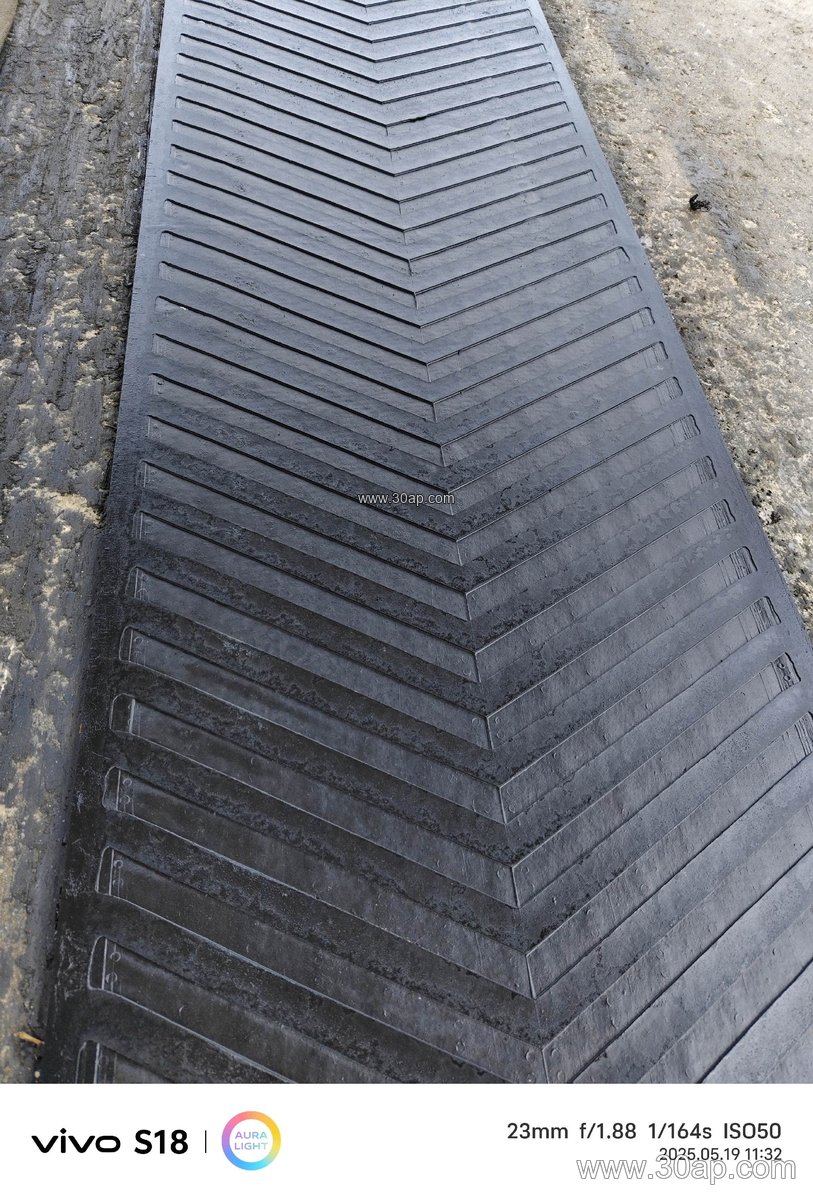
To maximize the service life of a high abrasion resistant conveyor belt, regular inspection and maintenance are essential. Check for signs of wear, cuts, and edge damage, especially at loading and transfer points. Ensure that idler rollers rotate freely and that conveyor pulleys are properly aligned to prevent belt misalignment and excessive wear. Keep the belt tension correct; too tight or too loose can cause premature failure. Clean the belt and components regularly to avoid material buildup that can lead to abrasion. In industries such as coal mining and cement production, where dust and fines are prevalent, consider using belt cleaners and skirt rubber to minimize spillage. Proper training of operators and maintenance staff also contributes to longer belt life.
Buyer Checklist
Before purchasing a high abrasion resistant conveyor belt, gather the following information: material type and lump size, required belt width, troughing angle, operating temperature, and any special requirements such as flame resistance or oil resistance. Confirm the carcass type (EP, NN, or steel cord) and strength grade with the supplier. Ask for the cover rubber specification, including abrasion resistance index if available, and ensure the belt meets the relevant safety and quality standards for your industry. Remember that no single belt width or strength grade fits every conveyor; the selection should be based on a thorough analysis of the application. For reliable performance, source belts from reputable manufacturers who can provide technical support and documentation.