What a Chemical Resistant Conveyor Belt Is
A Chemical Resistant Conveyor Belt is a rubber or rubber-covered fabric belt engineered to keep its strength and surface integrity when the carried material or the surrounding air contains acids, alkalis, salts, solvents, or other reactive substances. Rather than one universal compound, the family covers several formulations, and the correct choice depends on which chemical family, concentration, and temperature the belt will actually meet. In practice the same product is often ordered as a chemical resistant rubber conveyor belt or an acid resistant conveyor belt, depending on the duty description used by the plant.
Because chemical attack rarely comes alone, this belt often has to combine resistance with other properties. A fertilizer handling line may need both chemical resistance and abrasion resistance, while a plating workshop may care more about splash contact than about sharp edges. Buyers should state both the chemical exposure and the mechanical duty, not just the chemical name.
Construction and Compound Choices
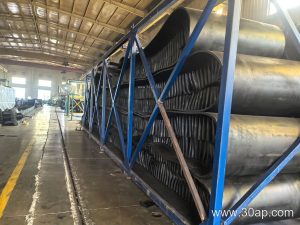
The structure follows the familiar fabric-core layout. A typical build uses multiple plies of EP or NN fabric, a protective top cover, a thinner bottom cover, and edge protection. The compound is where chemical resistance is created: the polymer base, the curing system, and the fillers are selected so the cover resists swelling, hardening, cracking, or softening.
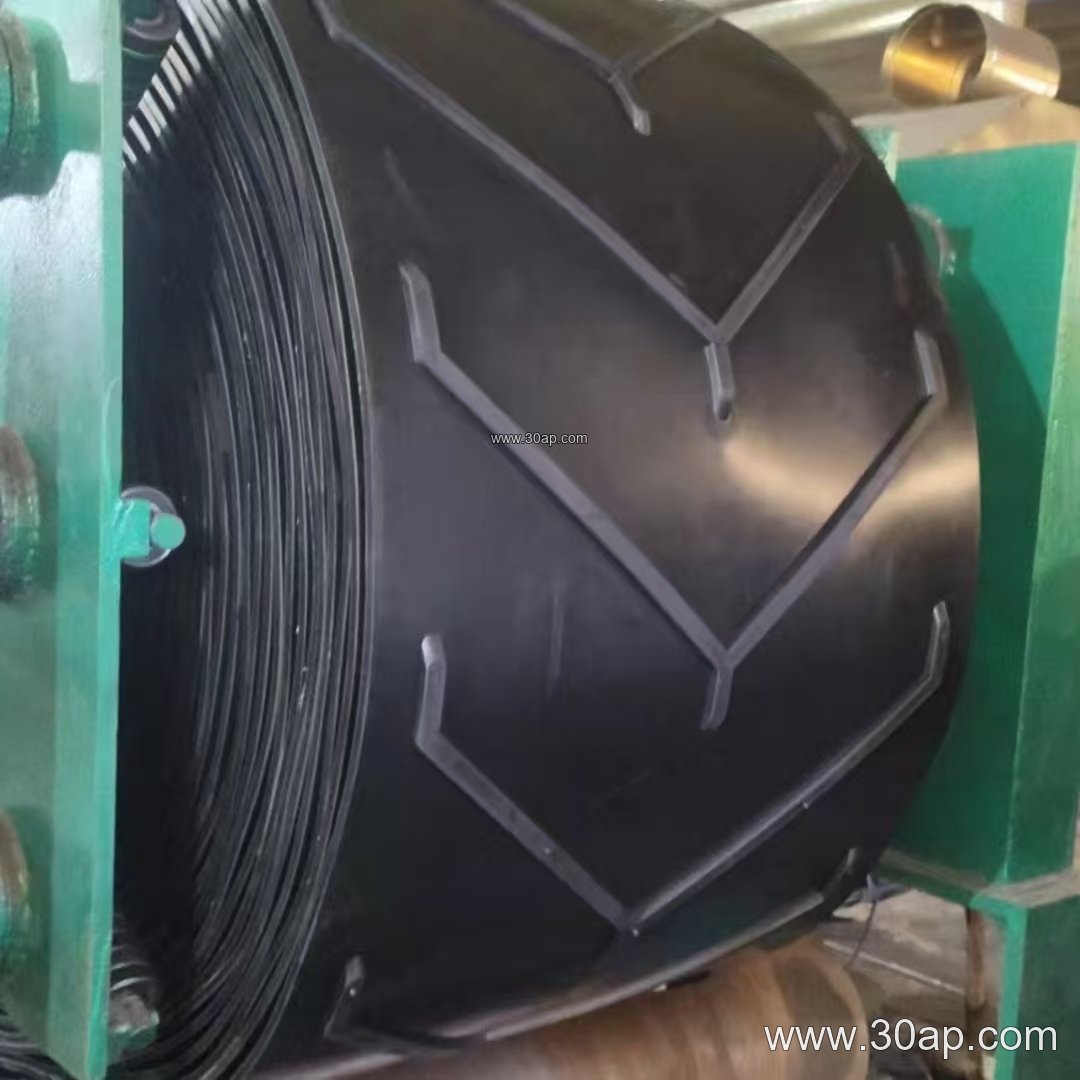
- Carcass: EP Conveyor Belt plies are common for general chemical duty; NN Conveyor Belt plies are used where higher elongation and flexibility help.
- Cover: usually a rubber cover with a compound tuned to the chemical family; cover thickness often follows the mechanical load as much as the chemistry.
- Edges: cut edges or molded edges, chosen to suit the risk of wicking and the pulley arrangement.
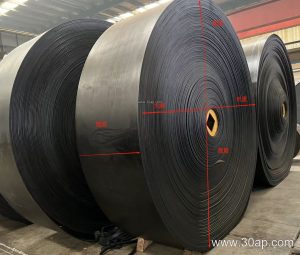
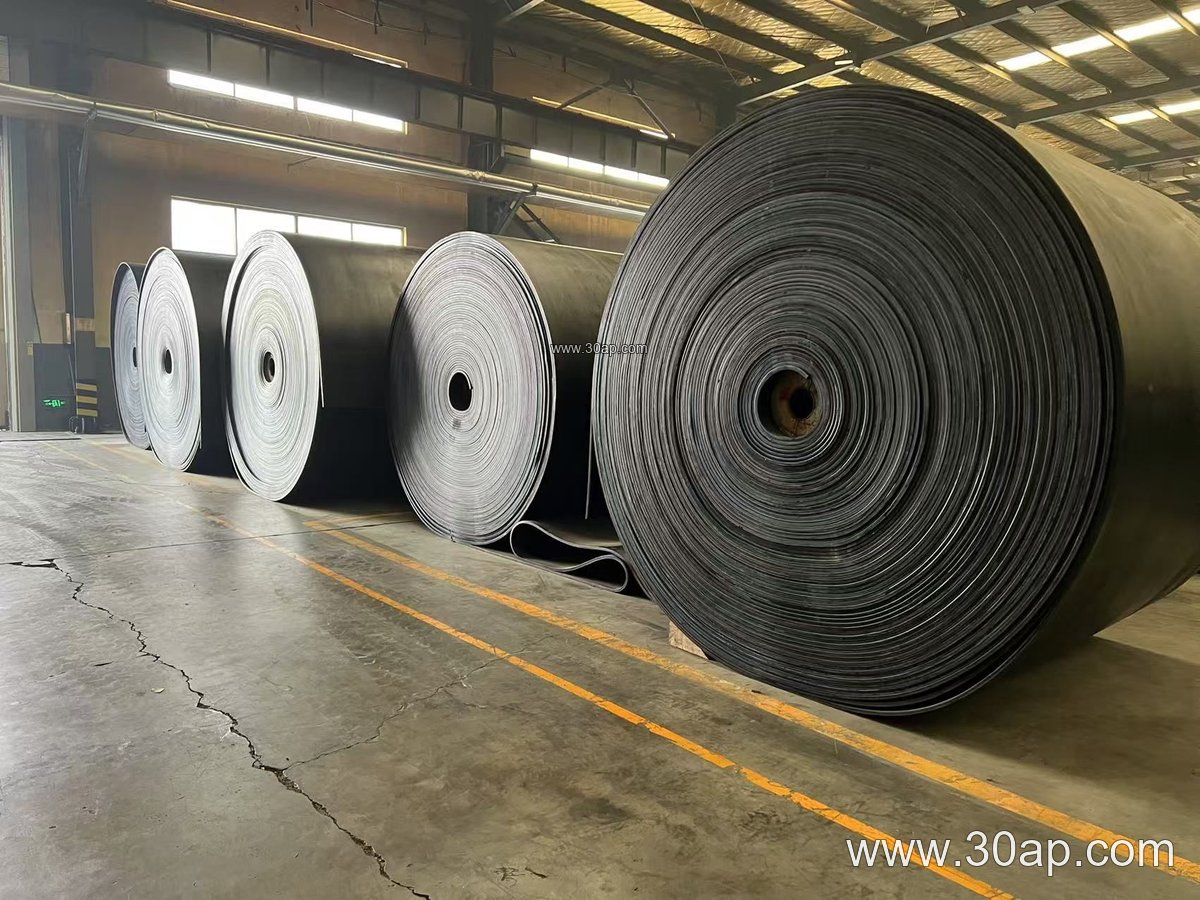
Reference values used in planning often include strength grades such as EP200, EP315, EP400, EP630, EP1000, and EP1250, with common cover combinations of 3+1.5, 4+2, 5+2, 6+2, and 8+3 mm. These are typical references, not fixed requirements; the final construction is set by design.
Where These Belts Are Used
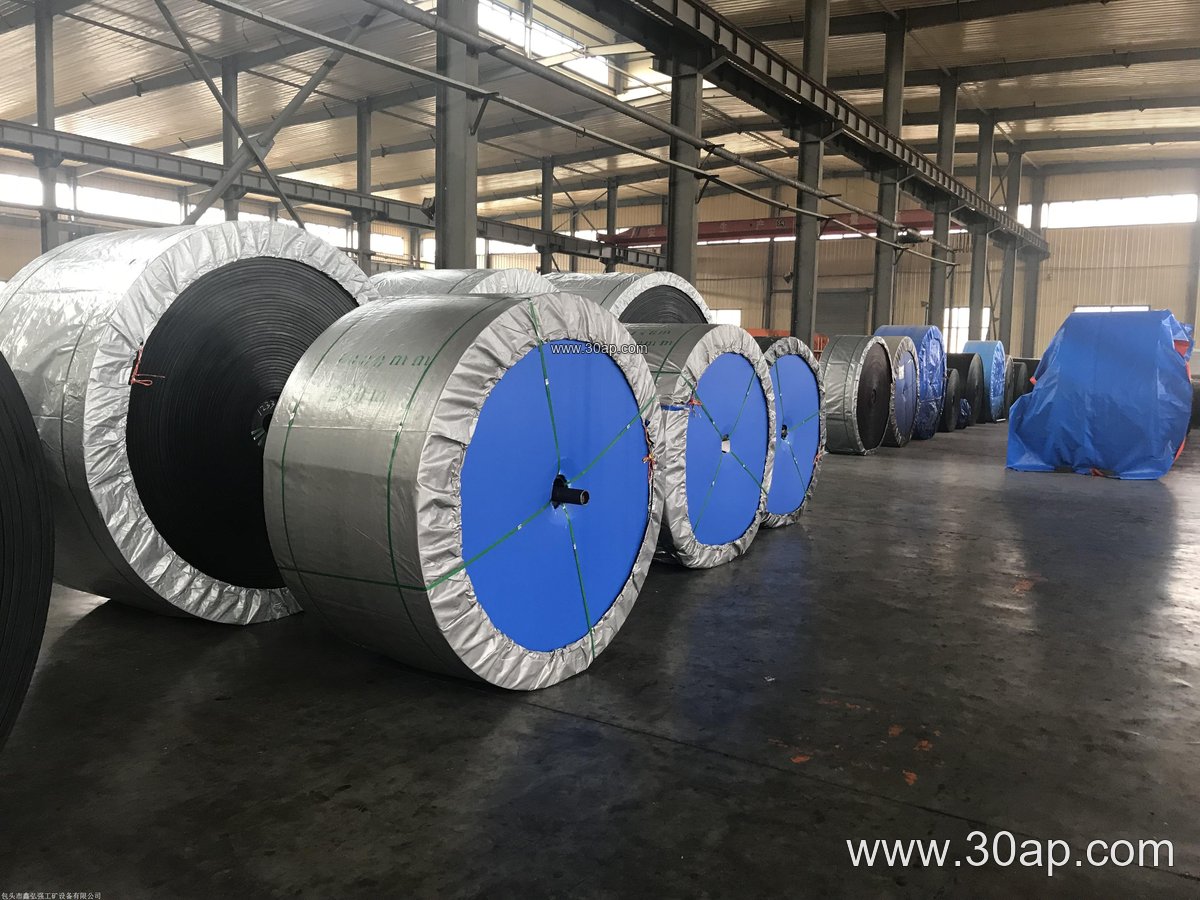
Chemical duty appears across many industries. In a cement plant, alkaline dust and moisture can shorten belt life if the compound is unsuitable. In a power plant, coal and limestone handling may involve mildly corrosive water and fines. Fertilizer plants, salt processing, pulp and paper mills, and metal treatment lines are more obvious users. Mining operations that encounter acidic mine water sometimes specify an acid resistant conveyor belt rather than a standard abrasion resistant belt.
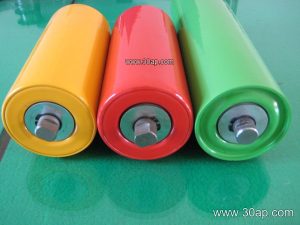
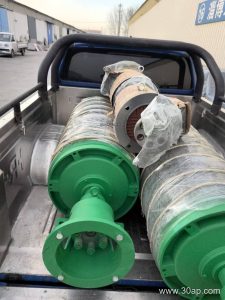
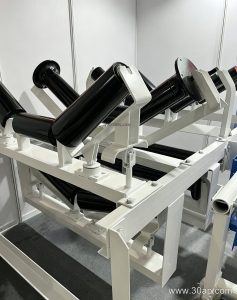
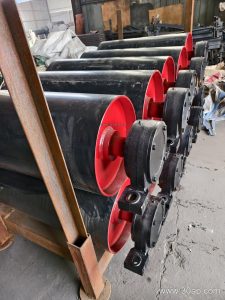
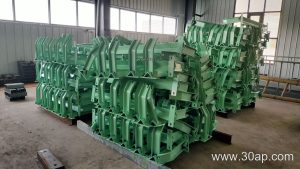
In these installations the belt works with conveyor pulleys, idler rollers, and conveyor brackets, and the whole system matters. A corrosive environment attacks frames and rollers as well, so a belt that lasts longer than its supporting equipment offers limited benefit. Where the plant already uses a flame retardant conveyor belt or an oil resistant conveyor belt on adjacent lines, keep the chemical belt’s compound separate from those duties unless a compound has been confirmed for both.
Specification Notes Before Ordering
Width and strength should be matched to the conveyor design, not copied from another line. Common belt widths include B500, B650, B800, B1000, B1200, B1400, B1600, and B1800, and wider belts are built to order. A 1200mm wide belt and a 1500mm wide belt can run on the same conveyor concept with different pulley and idler layouts; belt width alone does not define shaft size or pulley diameter. Those values come from the conveyor designer.
| Parameter | Typical reference | Note |
|---|---|---|
| Strength grade | EP200 to EP1250 | higher grades for heavier loads |
| Ply count | 2 to 6 plies | fabric core construction |
| Cover thickness | 3+1.5 to 8+3 mm | set by duty and chemistry |
| Belt width | B500 to B1800 common | wider sizes by design |
For a chemical resistant conveyor belt, the buyer should provide the chemical name, concentration, contact type (continuous immersion, splash, vapor), temperature range, and any cleaning chemicals used. Also confirm whether the belt needs anti-static properties, fire resistance, or food contact approval, because those requirements restrict compound options.
Installation and Care
Correct tracking protects the cover and edges. Check that the drive pulley, tail pulley, and bend pulleys are aligned, and keep idler rollers turning freely so material does not build up and trap corrosive residue. Wash-down should use the cleaning agents the compound was selected for; aggressive solvents can damage a belt that handles acids well. Store spare rolls away from sunlight, ozone sources, and pooled chemicals.
Inspect covers for swelling, cracking, or hardening at regular intervals. Early cover damage is the usual warning sign, and a small repair is cheaper than replacing a full belt. When a line handles both abrasive rock and chemical splash, consider whether a dedicated abrasion resistant conveyor belt on the dry section and a chemical grade on the wet section gives better overall service than one compromise compound.