What a 2400mm Conveyor Belt Is
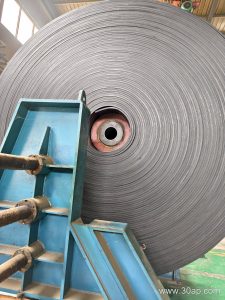
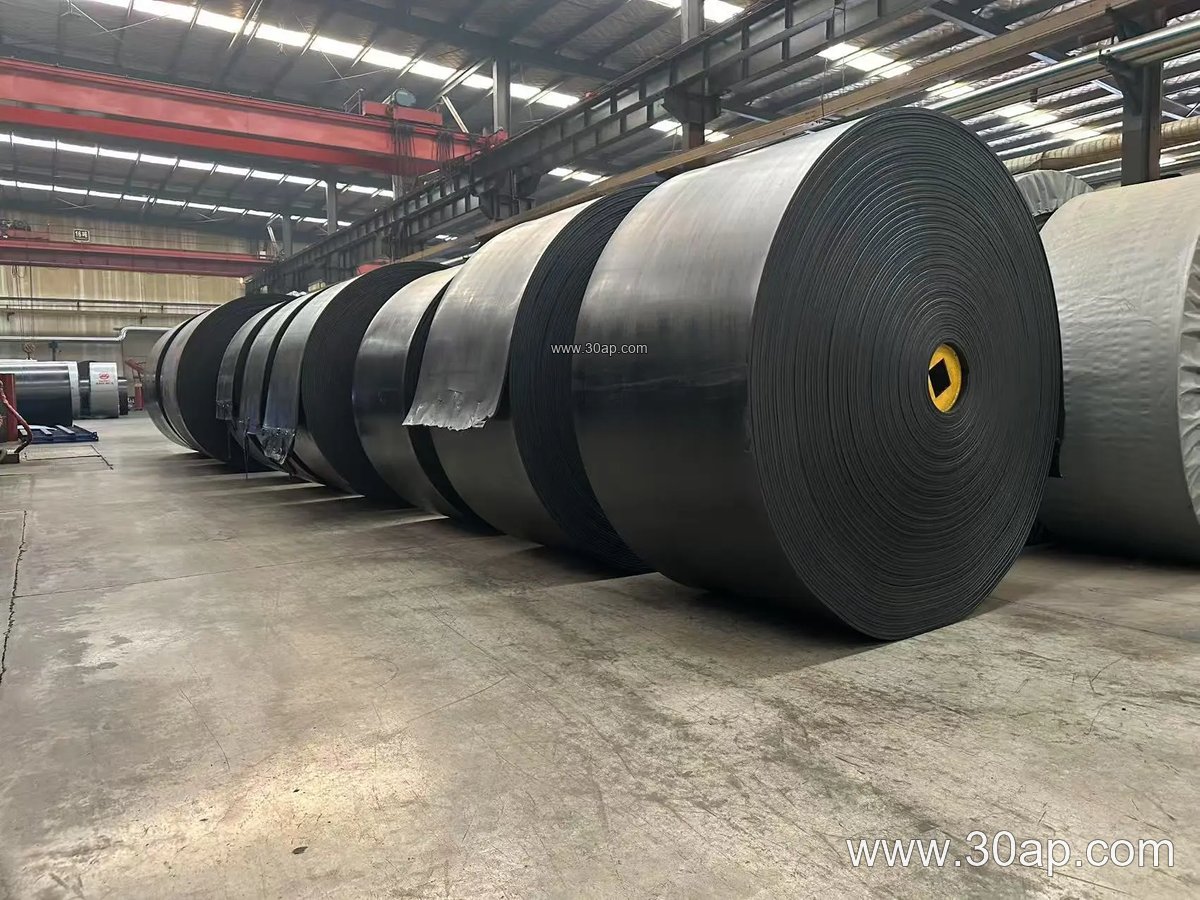
A 2400mm conveyor belt is an extra-wide belt designed for high-volume material transport. The 2400mm figure refers to the belt width, which is among the widest standard sizes in bulk handling. This width allows a single conveyor line to carry large tonnages without excessive belt speed, making it a practical choice for primary crushing circuits, port loading, and large stockyard systems. In the industry, it is also called a 2400mm wide conveyor belt or simply a 2.4-meter belt. It is not a substitute for narrower belts where space or capacity is limited; rather, it serves applications where wide, flat carrying surfaces are beneficial.
Construction and Material Options
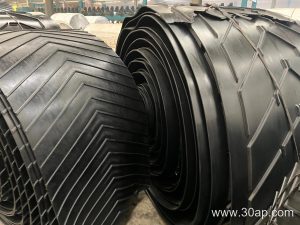
The construction of a 2400mm conveyor belt follows the same principles as other fabric or steel-cord belts, but the wider carcass demands careful design to maintain tracking and load support. Common carcass types include EP (polyester-nylon) and NN (nylon-nylon) fabric cores, as well as steel cord constructions for very high tension applications. Rubber covers are selected based on the material being conveyed: abrasion resistant for rock and ore, heat resistant for cement clinker or sinter, oil resistant for recycled materials, and flame retardant for coal mining and underground operations. For specialized needs, chevron or corrugated sidewall forms can be produced in this width, though the plain flat belt remains the most common.
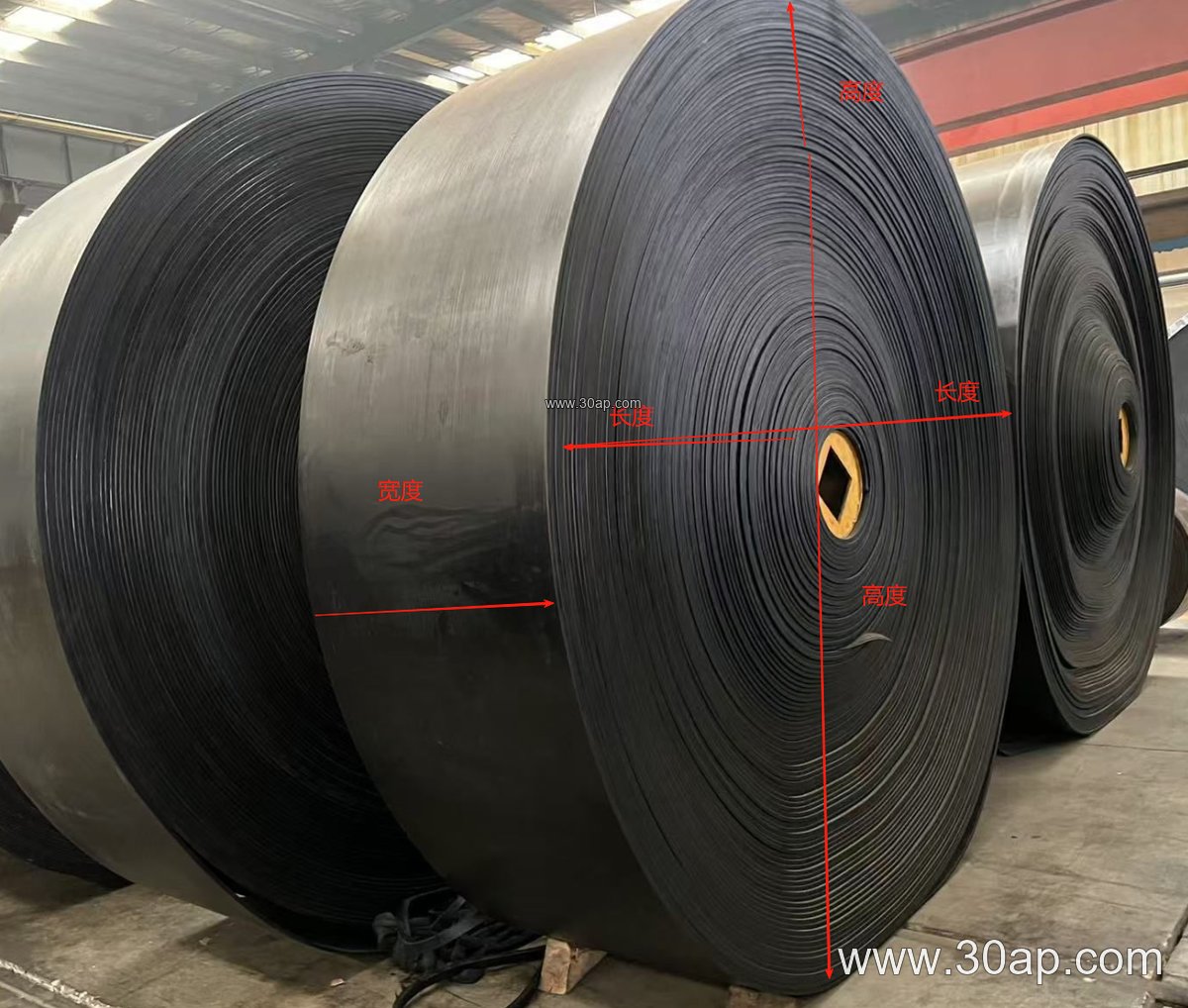
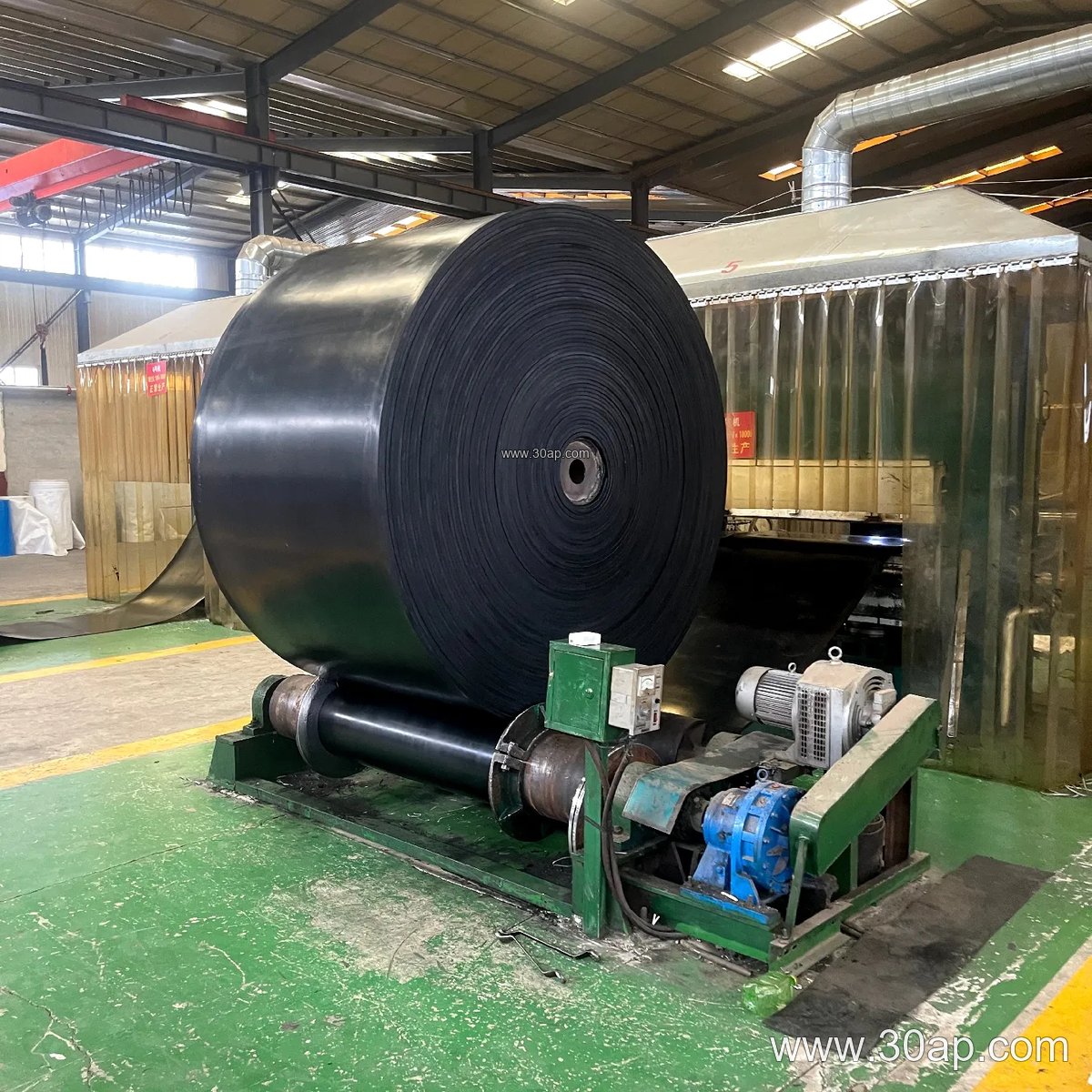
Typical strength grades for fabric belts in this width might include EP400, EP630, EP800, or EP1000, with 3 to 6 plies. Steel cord belts such as ST1250 or ST1600 may be used where tension is higher. Cover thickness often ranges from 4+2 mm to 8+3 mm. These values are indicative and should be confirmed with the manufacturer based on the actual conveyor design.
Where It Is Used
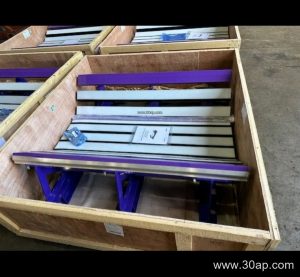
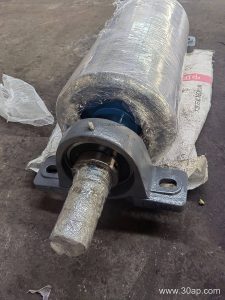
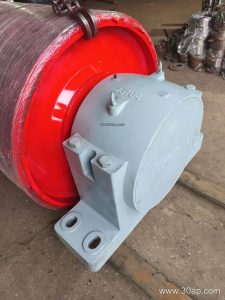
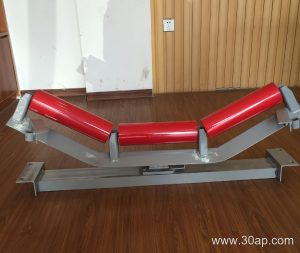
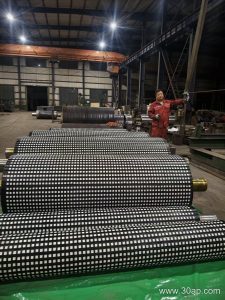
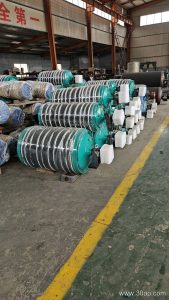
You will find 2400mm conveyor belts in mines, coal preparation plants, cement works, power stations, and large quarries. In the mining sector, they handle run-of-mine ore and waste rock. At ports, they load ships with coal, iron ore, or aggregates. Cement plants use them for clinker and limestone transport. The width suits transfer points where a wide, stable belt reduces spillage and improves throughput. A 2400mm belt often works alongside conveyor pulleys, idler rollers, and conveyor brackets that are sized for the load. The belt itself is only one part of the system; matching it with the right conveyor pulley and idler roller set is essential for reliable operation.
Specifications and Selection Notes
When specifying a 2400mm conveyor belt, buyers should consider:
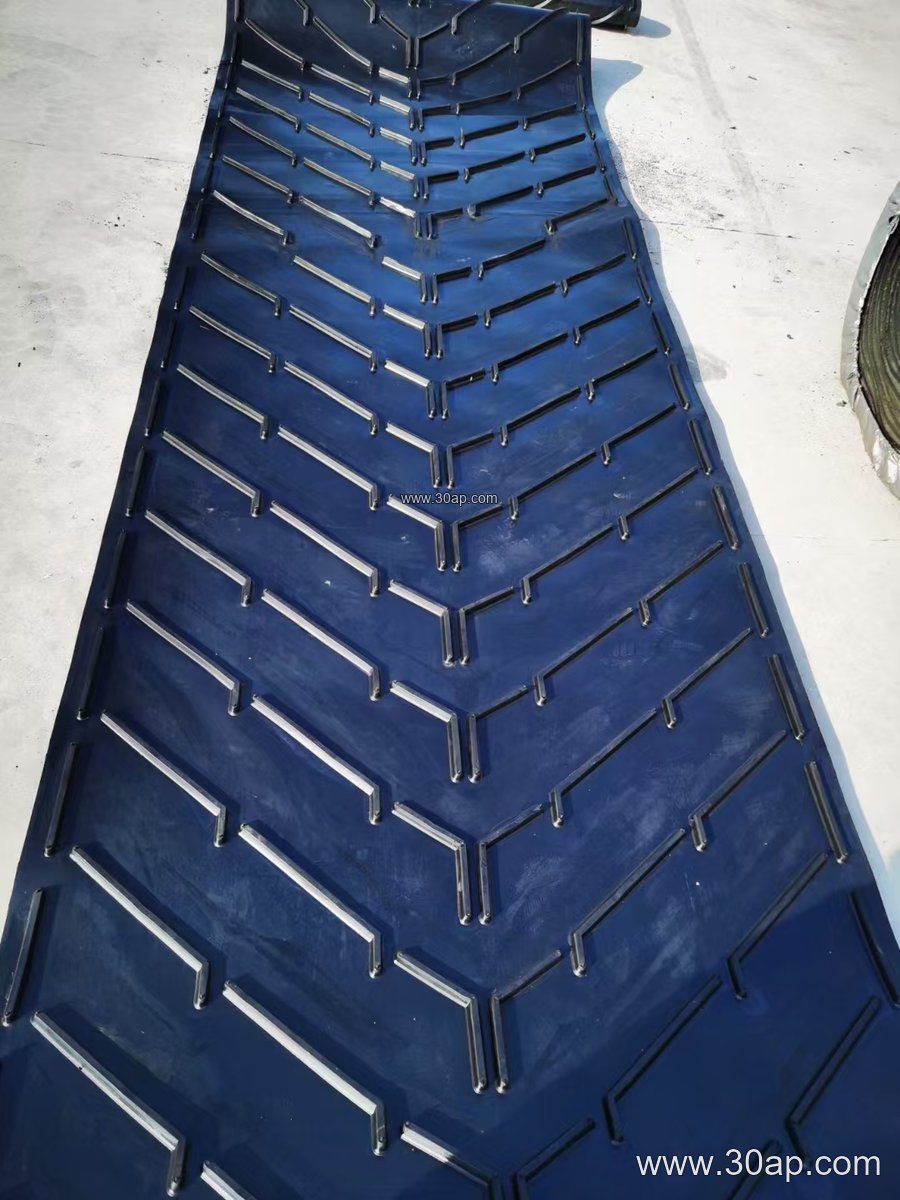
- Belt type: EP, NN, steel cord, or specialty (chevron, sidewall).
- Strength: EP200 to EP2000 or ST grades, depending on tension.
- Cover grade: abrasion, heat, oil, flame, cold, or acid resistance.
- Cover thickness: typically 4+2, 5+2, 6+2, or 8+3 mm.
- Number of plies: 2 to 6 for fabric cores.
Note that belt width does not dictate a single pulley diameter; the pulley size is determined by the belt tension and carcass flexibility. A 2400mm belt can be used with various drive, tail, and bend pulleys as long as the system is engineered correctly. Also, a wider belt requires more careful support from idler rollers to prevent sagging and mistracking.
Buyer Checklist
Before ordering a 2400mm conveyor belt, confirm the material to be conveyed, the required strength, and the environmental conditions. Ask for the belt’s full specification, including carcass type, cover compound, and edge construction. Ensure that the conveyor pulley and idler roller arrangement is suitable for the extra width. For harsh environments such as underground coal mining, specify flame retardant and anti-static properties. For high-abrasion rock, choose a high abrasion resistant cover. Remember that a 2400mm belt is a significant investment; proper selection and maintenance will extend its service life.
For more information on wide belts and associated components, visit our site at www.example.com/conveyor-belt or www.example.com/2400mm-conveyor-belt. Our team can help you match the right belt to your conveyor pulley and idler roller needs.