What a Chemical Resistant Conveyor Belt Is
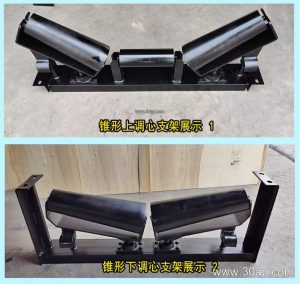
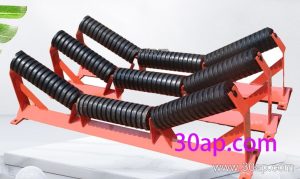
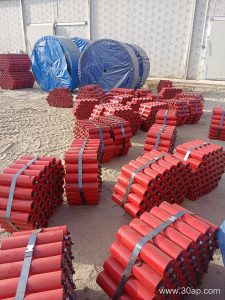
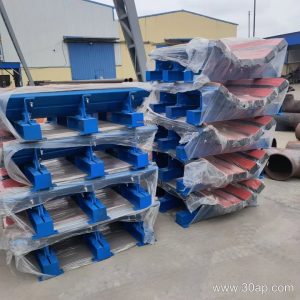
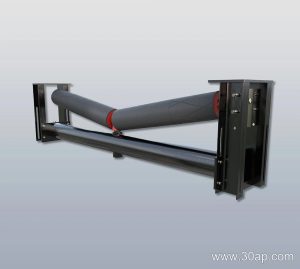
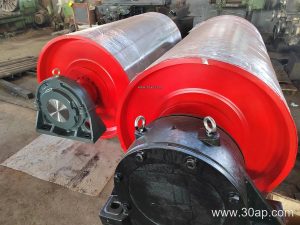
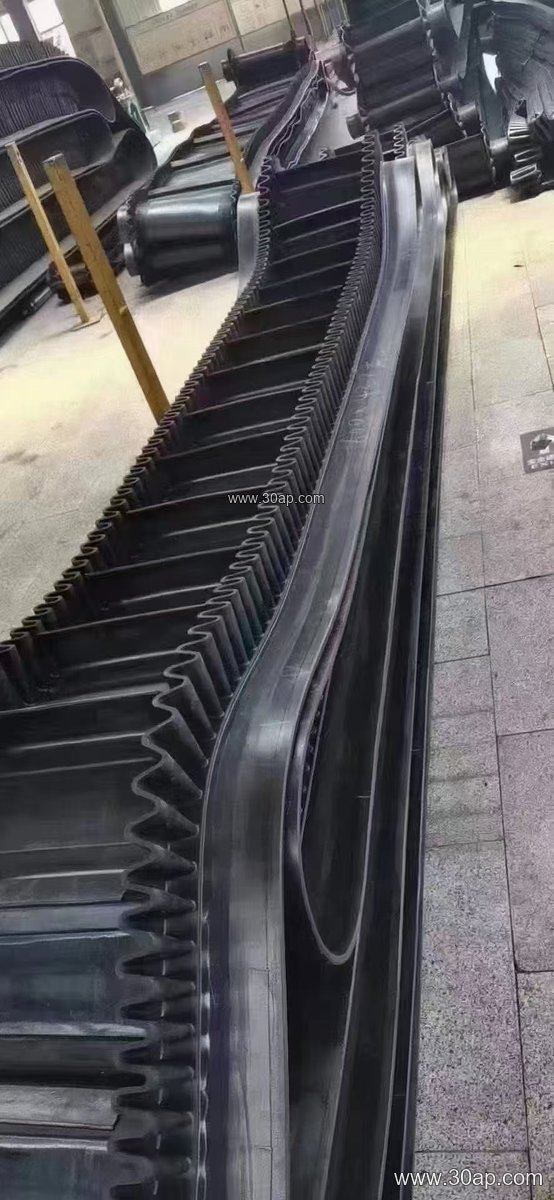
A chemical resistant conveyor belt is a fabric- or steel-reinforced rubber belt built to carry materials that would attack an ordinary belt surface. Instead of standard abrasion-focused rubber, the cover compound is selected to resist acids, alkalis, salts, fertilizers, and other aggressive substances, while the carcass keeps the belt tracking and tensioned over the conveyor structure. In plants where spillage is routine, the belt is often paired with a conveyor pulley, idler roller, and conveyor bracket that are themselves protected against corrosion.
The same product is also described as an acid and alkali resistant conveyor belt, or simply a chemical resistant rubber belt. Those names refer to the same article; they are not separate product families.
How the Belt Is Built
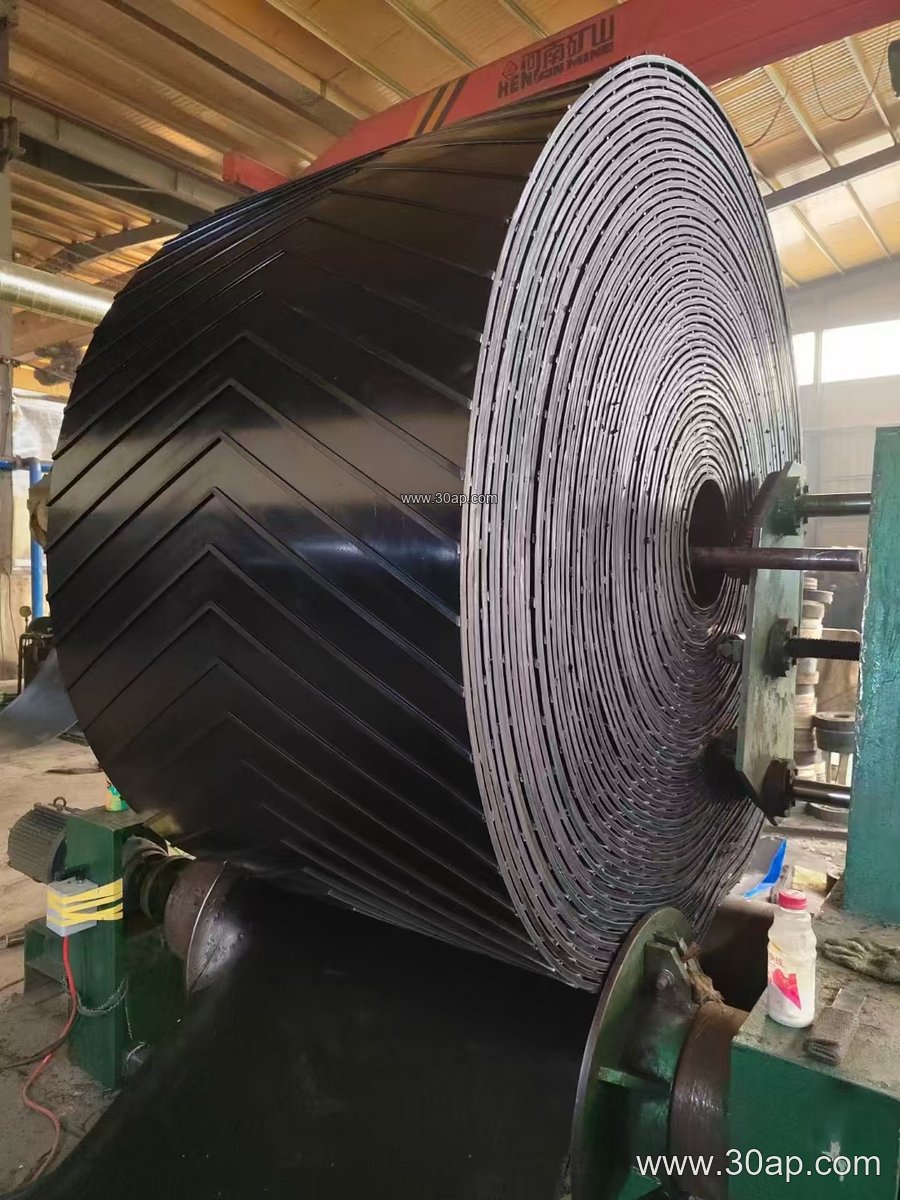
Construction follows the familiar layered pattern of heavy industrial belting, with two parts doing different jobs.
- Cover rubber: Top and bottom covers are formulated for chemical exposure. Thickness is usually quoted as a pair, such as 3+1.5 mm, 4+2 mm, 5+2 mm, or 6+2 mm, where the first figure is the carrying cover and the second the pulley side.
- Carcass: EP (polyester-cotton) or NN (nylon) fabric plies are common, usually 2 to 6 layers depending on load. For very long runs and high tensions, a steel cord carcass may be chosen instead.
Edge quality matters as much as the compound. Cut edges should be sealed so liquid cannot wick into the fabric plies, and splices need a cover repair that matches the chemical duty. On a fertilizer plant conveyor, a poorly sealed splice often fails before the cover itself does.
Typical Duty Points and Industries
Chemical attack rarely arrives alone. It usually comes with moisture, abrasion, and sometimes heat, so selection balances several risks at once.
- Fertilizer and chemical plants: prills, granules, and slurries containing ammonium, phosphate, or potash compounds.
- Mining and ore processing: acidic or alkaline slurries, flotation residues, and wet ore where a Mining Conveyor Belt must tolerate both abrasion and chemical attack.
- Power plants and cement works: limestone, gypsum, and flue-gas treatment residues that can be moist and mildly corrosive.
- Sand and aggregate yards: washed stone and sand carrying residual treatment chemicals.
- Recycling and port terminals: mixed bulk cargo where residue composition changes from load to load.
Where the load is also hot, a Heat Resistant Conveyor Belt grade may be needed; where oil is present, an Oil Resistant Conveyor Belt compound is the better starting point. A Flame Retardant Conveyor Belt is specified for enclosed or underground installations where fire risk is a concern.
Common Reference Specifications
The figures below are typical reference values, not fixed supply promises. Actual belt design depends on the conveyor layout, load, and site conditions.
| Item | Common reference values |
|---|---|
| Fabric carcass grades | EP200, EP315, EP400, EP500, EP630, EP800, EP1000, EP1250 |
| Steel cord grades (long runs) | ST1000, ST1250, ST1600, ST2000 |
| Belt width | B500, B650, B800, B1000, B1200, B1400, B1600, B1800, B2000 |
| Cover thickness | 3+1.5 mm, 4+2 mm, 5+2 mm, 6+2 mm, 8+3 mm |
| Ply count | Usually 2 to 6 fabric layers |
Width and pulley size are matched by conveyor design, not by a fixed rule. A 1200mm wide belt may run over different pulley diameters on different conveyors, so the drive, tail, and bend pulleys should be confirmed separately from the belt width.
What Buyers Should Check
Start with the chemistry. Ask which substances contact the belt, at what concentration, and whether they are wet or dry. A belt that performs well on dry granules may swell or soften when the same material arrives as a slurry.
Then confirm the mechanical side: belt width, carcass grade, cover thickness, and splice method. Check that the conveyor pulley lagging, idler roller shells, and frame coatings are compatible with the same chemicals. On a quarry or crusher line, a chemically resistant belt with a weak edge seal will still fail early.
Finally, plan maintenance. Store spare belt away from sunlight and ozone sources, inspect covers for cracking and swelling, and keep spillage cleaned from return idlers. For more detail on matching belts to rollers and pulleys, see www.example-conveyorbelt.com and www.example-conveyorbelt.com/tuogun. A belt chosen for the chemical duty, with the right carcass and a sound splice, will outlast a general-purpose belt in these environments.