What a Belt Conveyor Idler Frame Does
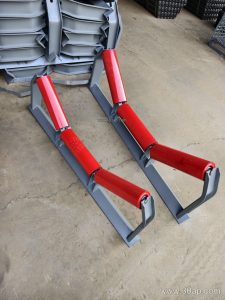
A belt conveyor idler frame is the structural support that holds idler rollers in the correct position under and along the conveyor belt. Often called a roller bracket or idler support frame, this component keeps the belt profile stable, guides the belt path, and transfers the load from the belt and material into the conveyor stringer. In a quarry or a cement plant, a well-matched idler frame helps maintain smooth belt travel and reduces unnecessary wear on both the belt and the rollers.
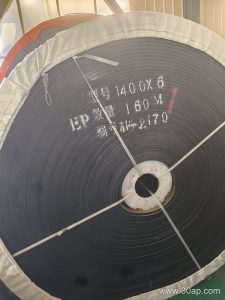
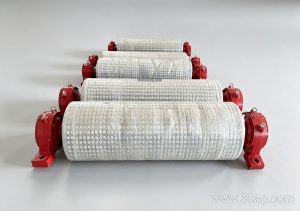
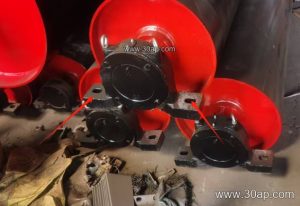
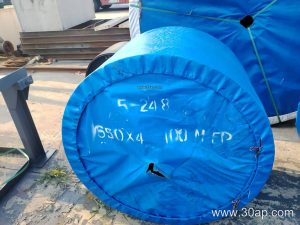
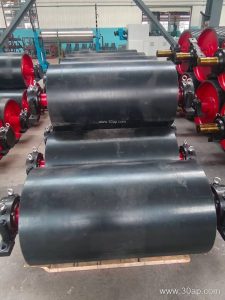
The frame is not a standalone item; it works together with the conveyor belt, idler roller, and conveyor pulley to keep the system running. For example, a heavy-duty mining conveyor belt moving iron ore needs frames that can handle impact and misalignment, while a food grade conveyor belt line may require frames with smooth surfaces and easy cleaning. The idler frame itself does not determine belt tension or drive power, but its alignment and rigidity have a direct effect on belt tracking and roller life.
Construction and Common Forms
Most idler frames are fabricated from angle steel, channel steel, or folded steel plate. The choice of material and thickness depends on the load, belt width, and environment. In a coal mining conveyor belt system, frames are often powder-coated or galvanized to resist moisture and dust, while in a power plant coal handling line, frames may be designed for easy roller replacement to reduce maintenance downtime.
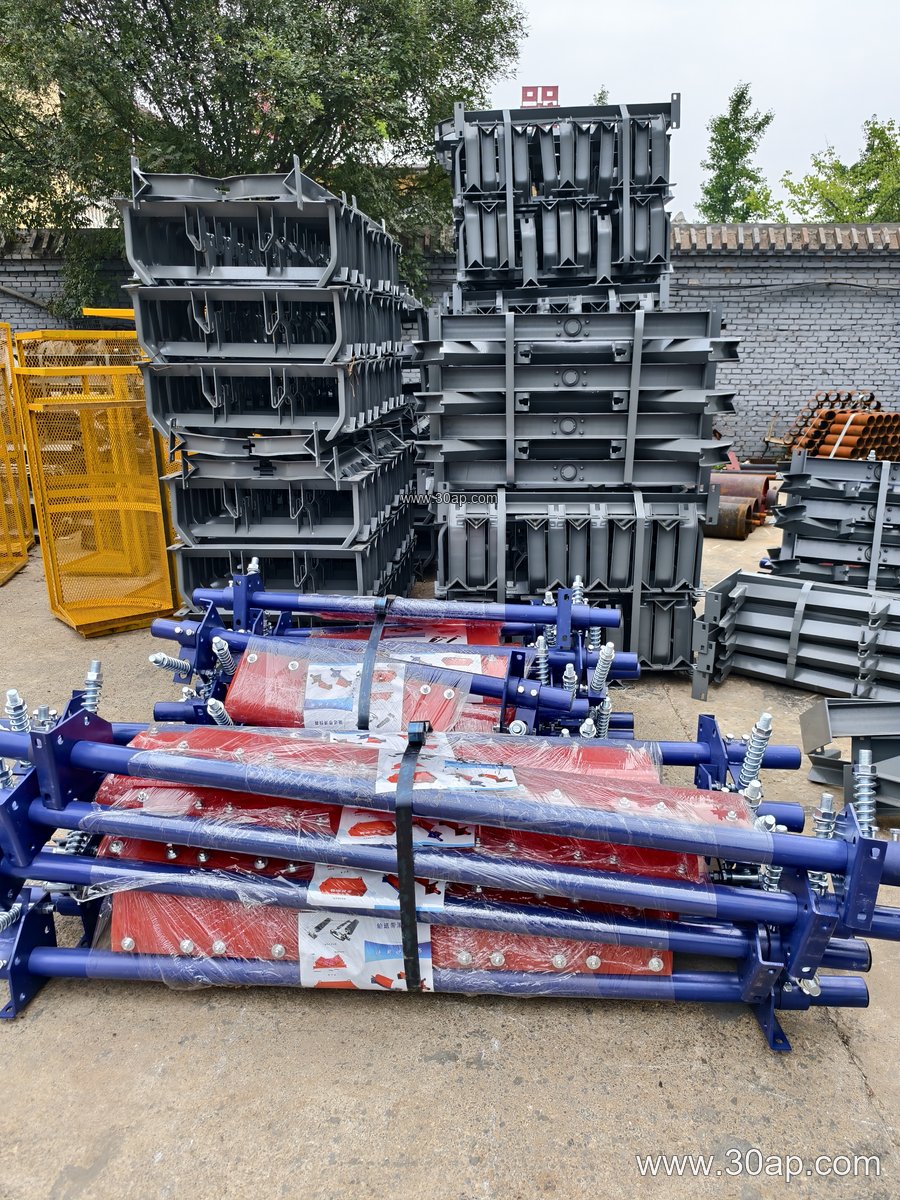
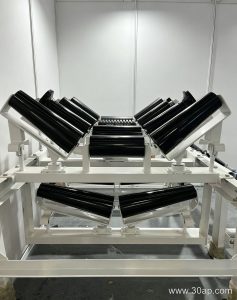
Common types include troughing idler frames, return frames, impact frames, self-aligning frames, and adjustable frames. A troughing frame holds three rollers at a trough angle, typically 20, 30, 35, or 45 degrees. An adjustable frame allows the trough angle to be changed within a range, which can be useful when a conveyor handles different materials or when belt training needs fine-tuning. Return frames support the belt on the return side and may be flat or V-shaped. Impact frames are placed at loading points to absorb the shock of falling material, often used under a crusher conveyor belt or at a transfer chute.
Matching Frame to Belt Width and Roller Diameter
The frame size is usually selected according to the conveyor belt width and the idler roller diameter. Common belt widths include B500, B650, B800, B1000, B1200, B1400, B1600, B1800, B2000, B2200. Roller diameters often range from Ø89 to Ø194. There is no single rule that one belt width must match one roller diameter or one trough angle. For instance, a B800 frame might be used with Ø108 rollers and a 35-degree trough angle in a sand and gravel plant, while a B1200 frame could use Ø133 rollers and a 45-degree trough angle in a limestone mine. The final combination should be confirmed by the conveyor design, belt speed, material lump size, and load.
Installation hole spacing and beam length vary with belt width and trough angle, so these dimensions are usually determined by the frame manufacturer based on the specific application. Buyers should provide the belt width, roller diameter, trough angle, and mounting requirements when requesting a quote.
Where Idler Frames Are Used
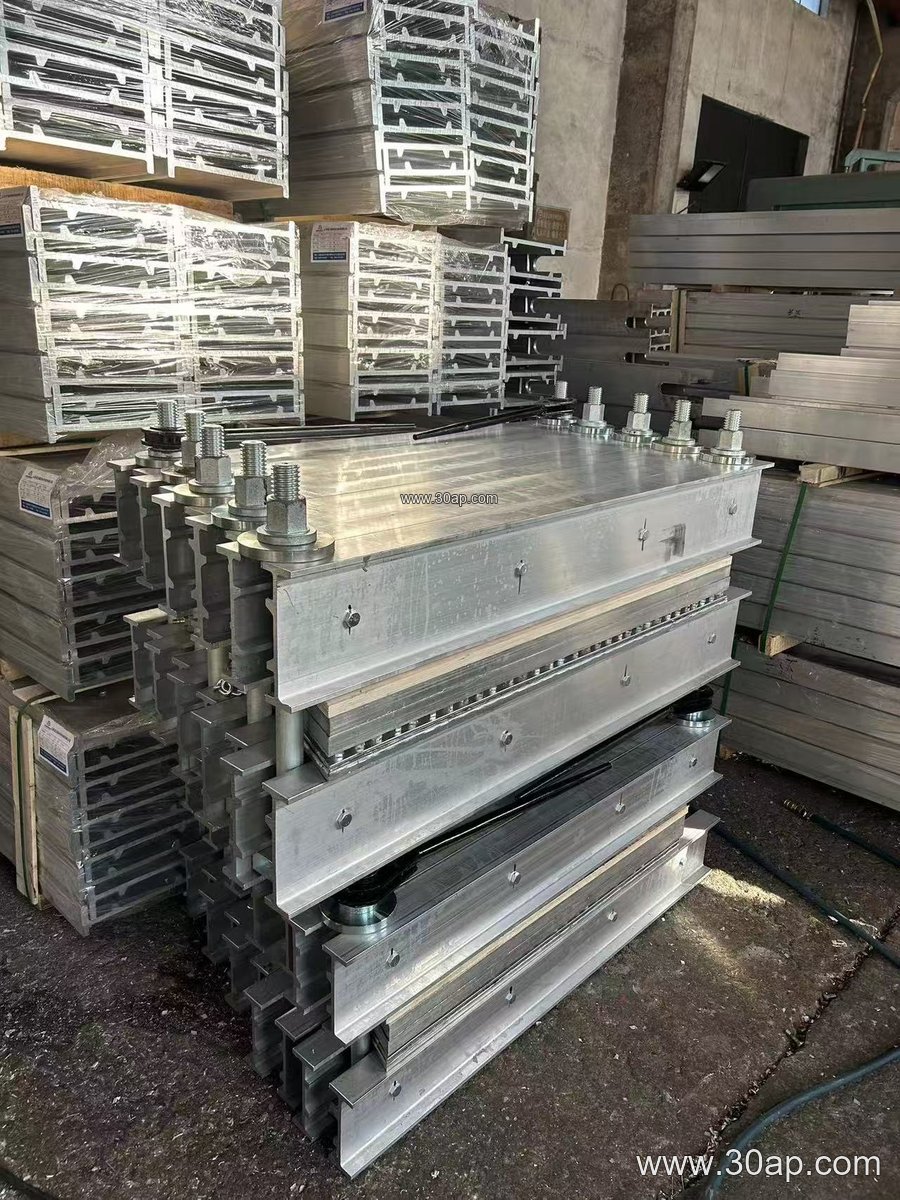
Idler frames appear in almost every bulk material handling system. In a stone crushing plant, they support the conveyor belt that carries crushed rock from the crusher to the screen. In a coal washing plant, flame retardant conveyor belt and anti-static conveyor belt are often used together with sturdy frames that resist dust and moisture. In a port ship loading facility, wide conveyor belts such as 1800mm or 2000mm may require heavy-duty frames with precise alignment to keep the belt centered during high-capacity loading.
Other common locations include cement plants, steel plants, fertilizer plants, and grain silos. In each case, the idler frame should be selected to suit the local conditions, such as corrosion, temperature, or impact. For high-temperature materials, a heat resistant conveyor belt may be used, and the frame should be positioned to avoid excessive heat exposure. For oily materials, an oil resistant conveyor belt may be paired with frames that allow easy cleaning.
Buyer Checklist
- Confirm the conveyor belt width and the idler roller diameter before choosing a frame.
- Decide the trough angle: fixed or adjustable, depending on material and belt training needs.
- Check the mounting dimensions and hole spacing against the conveyor stringer.
- Consider the environment: dust, moisture, temperature, and impact.
- Ask for the material and surface treatment of the frame, such as painting or galvanizing.
- For replacement, provide the existing frame drawing or measure the mounting holes accurately.
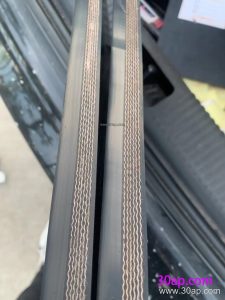
A practical review of the idler frame together with the conveyor belt, pulley, and roller selection helps avoid tracking problems and premature wear. Whether the line handles EP conveyor belt, steel cord conveyor belt, or a chevron conveyor belt, the frame should be treated as part of the whole conveyor system rather than an isolated accessory. For more information on idler frames and related conveyor components, visit www.beltconveyoridler.com or www.conveyoridlerframe.com.