What an Idler Bearing Does on a Conveyor
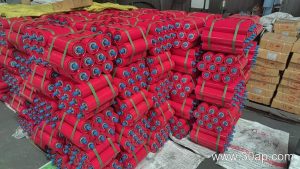
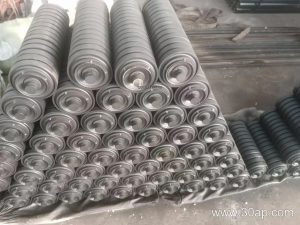
An idler bearing is the rolling element inside an idler roller that lets the shell spin freely under a moving conveyor belt. In a typical troughed carrying idler, two or three rollers support the belt and its load; each roller contains a bearing at each end, usually seated in a sealed housing. The bearing carries radial load from the belt and material, while the seal keeps out dust, grit, and moisture. In a quarry or aggregate line, a failed bearing can stop a whole transfer point, so the choice of bearing and its protection matters as much as the roller shell itself.
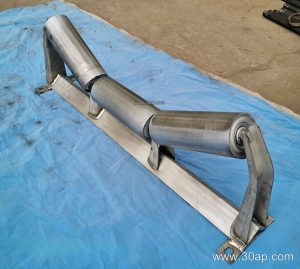
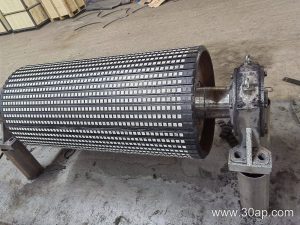
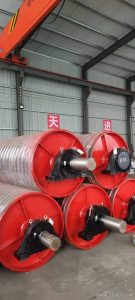
The bearing is not a standalone part on the conveyor frame. It fits into the idler roller end, which is mounted on a shaft and fixed to the conveyor bracket. Together with the conveyor pulley at the drive and tail ends, the idler bearing helps maintain belt alignment and reduces friction along the carrying and return runs.
How the Bearing Is Built and Protected
Most conveyor idler bearings are single-row deep groove ball bearings. Common metric sizes include 6204, 6205, 6305, 6306, 6308, and 6310, but the bearing size is matched to the roller diameter and load, not to belt width alone. A small roller may use a 6204 or 6205, while a larger return roller in a heavy-duty mining conveyor might use a 6308 or 6310. The bearing is typically press-fitted into a stamped or machined housing, with a labyrinth seal, felt seal, or contact lip seal on the outboard side.
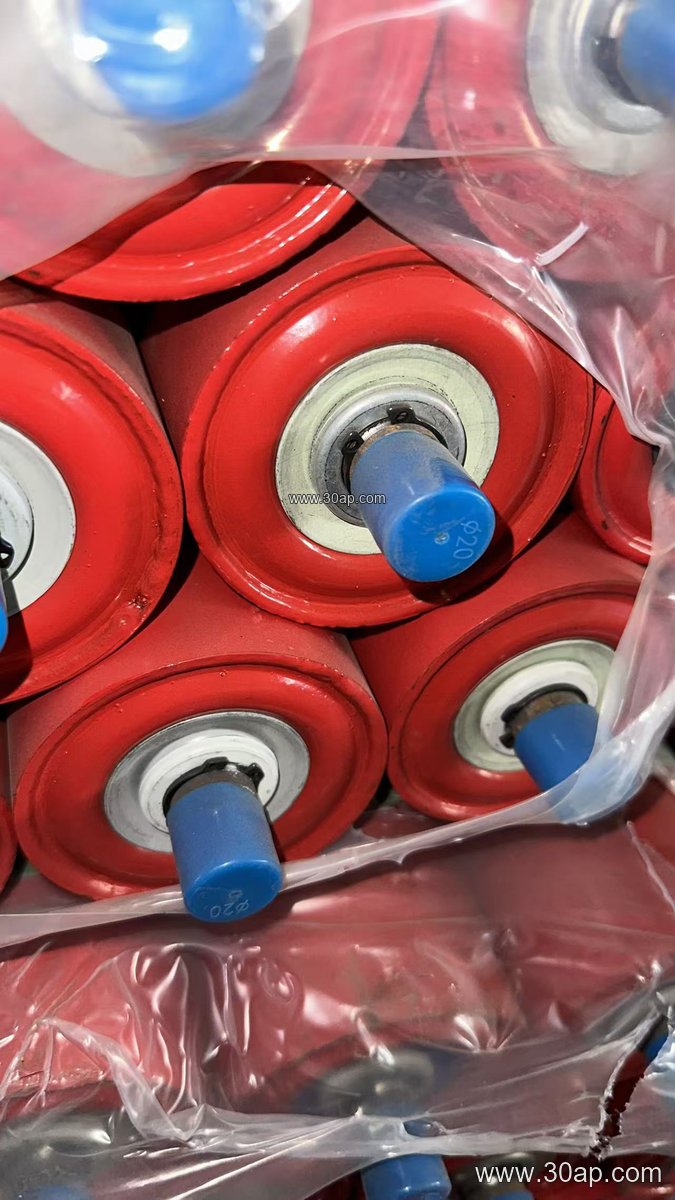
Sealing is the weak point in dusty service. In a cement plant or coal handling system, fine particles can penetrate a poor seal and mix with grease, causing rapid wear. Many idler rollers use a multi-stage labyrinth seal and a grease-filled cavity to create a barrier. Some designs add a nylon or rubber outer cap for extra protection. The bearing itself may be greased for life or fitted with a grease nipple for relubrication, depending on the roller type and duty.
Where Idler Bearings Are Used
Idler bearings appear wherever a conveyor belt runs over rollers. In a sand and gravel plant, carrying idlers on the troughing side support the belt under crushed stone, while return idlers hold the empty belt on the lower run. In a power plant coal yard, idler bearings must tolerate coal dust and occasional washdown. In a limestone mine or iron ore operation, impact idlers under a crusher discharge absorb shock loads, and their bearings see higher peak forces than standard carrying idlers.
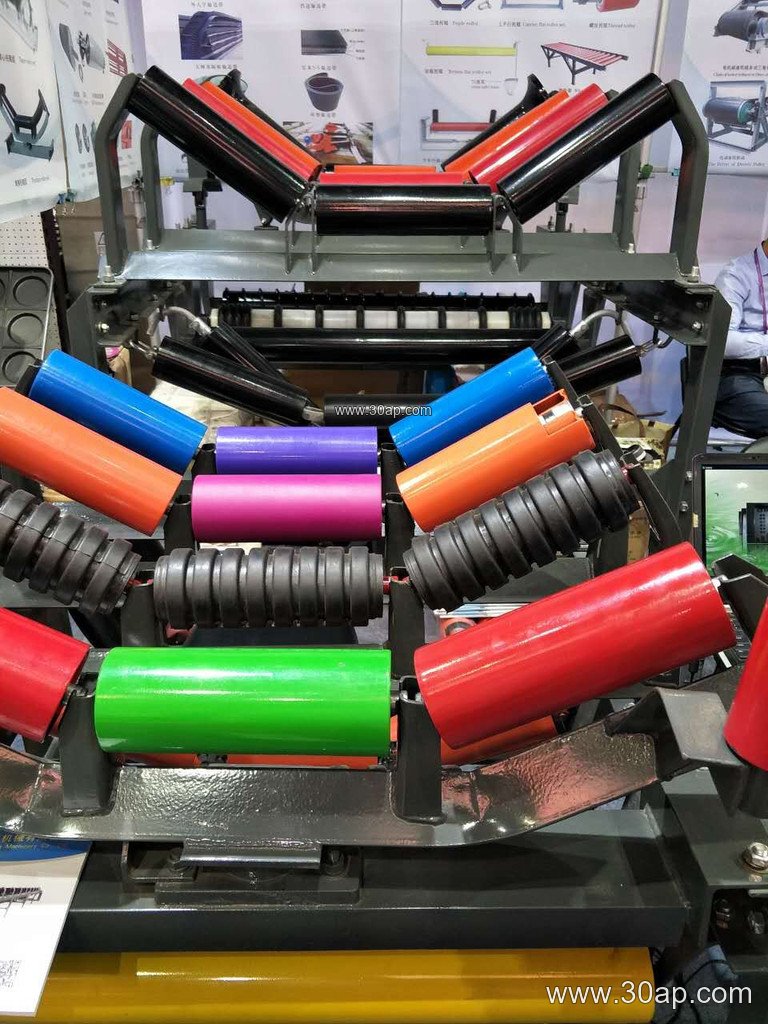
The same bearing technology appears in different roller types. A V-type return roller, a spiral roller, and a training idler all rely on internal bearings to rotate. The bearing does not change the roller’s function, but its seal and load rating must suit the application. A self-aligning idler used to correct belt drift may see side loads, so the bearing housing and seal need to handle slight misalignment without losing grease.
Common Bearing and Roller Combinations
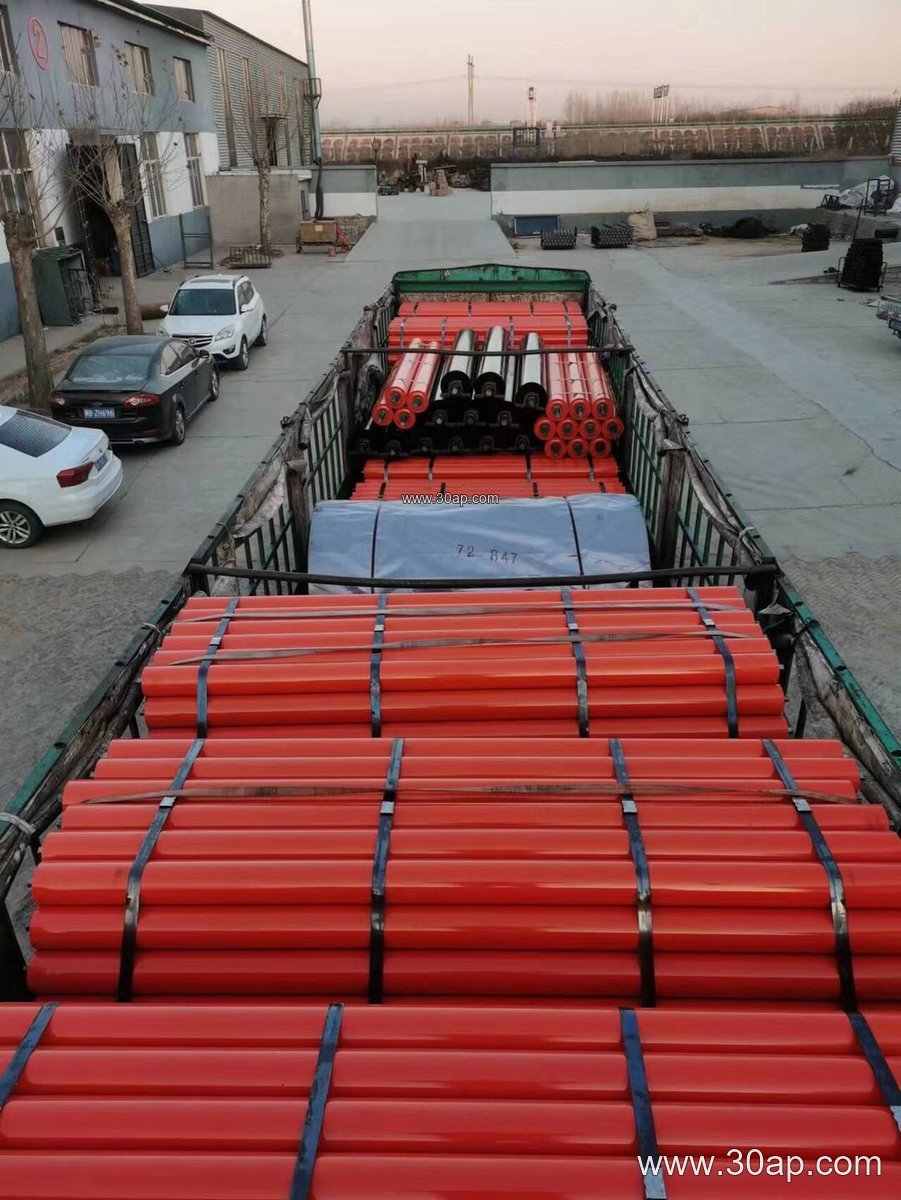
The table below shows typical examples, not fixed rules. Roller length varies with belt width, trough angle, and idler arrangement. For a three-roll troughing set, common roller lengths are roughly 200 mm for B500, 250 mm for B650, 315 mm for B800, 380 mm for B1000, 465 mm for B1200, 530 mm for B1400, 600 mm for B1600, 670 mm for B1800, and 750 mm for B2000. Side rollers and center rollers can differ.
| Roller diameter | Common bearing example | Typical belt width range | Typical application |
|---|---|---|---|
| Ø63 mm | 6204 | B500–B800 | Light carrying idler, small aggregate line |
| Ø76 mm | 6205 | B650–B1000 | General carrying idler, cement plant |
| Ø89 mm | 6205 or 6305 | B800–B1200 | Troughing idler, quarry conveyor |
| Ø108 mm | 6305 or 6306 | B1000–B1400 | Return idler, coal handling |
| Ø133 mm | 6306 or 6308 | B1200–B1600 | Heavy carrying idler, iron ore |
| Ø159 mm | 6308 or 6310 | B1400–B1800 | Impact idler, crusher discharge |
| Ø178 mm | 6310 | B1600–B2000 | Heavy-duty return roller, port conveyor |
| Ø194 mm | 6310 | B1800–B2200 | High-load carrying idler, mining conveyor |
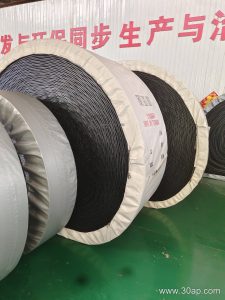
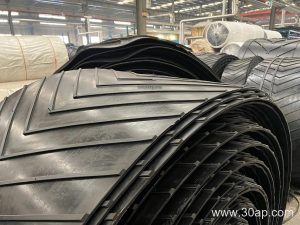
For wider belts, such as 1200mm, 1400mm, or 1800mm, the idler bearing load increases with the weight of the belt and material. A steel cord conveyor belt is heavier than a fabric core belt of the same width, so the idler bearings on a steel cord system may need a higher load rating. The same applies when a heavy-duty mining conveyor belt carries coarse ore at high tonnage. Bearing selection should follow the actual radial load and shaft diameter, not a simple rule based on belt width.
What Buyers Should Check
When specifying idler bearings, start with the roller diameter and shaft size, then confirm the bearing series and seal type. Ask for the bearing clearance and grease fill, especially for cold or hot environments. In a cold climate, a low-temperature grease helps prevent startup drag; in a sinter plant or cement kiln area, heat-resistant grease and a suitable seal are important. For dusty service, a labyrinth seal with a grease barrier is often preferred over a simple contact seal.
Check that the bearing housing is concentric with the roller shell, because eccentricity causes vibration and premature seal failure. Also confirm that the idler roller end cap is firmly seated and that the bearing rotates smoothly by hand. A poorly seated bearing can overheat even if the bearing itself is a quality part. For replacement, match the bearing number and seal design to the original roller, or consult the conveyor bracket drawing to confirm shaft and housing dimensions.
Finally, consider the maintenance plan. Some operators relubricate idler bearings on a schedule, while others use sealed-for-life rollers and replace them when they fail. In a coal mining conveyor or underground mining conveyor, fire-resistant and anti-static properties of the belt are critical, but the idler bearing still needs a robust seal against coal dust. Keeping spare rollers with the correct bearing size on hand reduces downtime when a bearing seizes.