What a Sand and Gravel Plant Conveyor Pulley Does
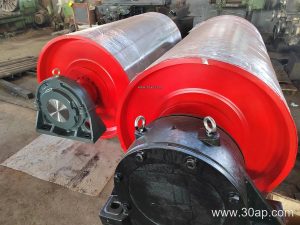
In an aggregate operation, the conveyor pulley is the rotating drum that drives or redirects the belt. At a sand and gravel plant, these pulleys handle abrasive rock, wet sand, and variable loads. The drive pulley, often called the head pulley, transmits power from the gearbox to the belt. The tail pulley at the loading end redirects the belt and tensions it. Bend pulleys and take-up pulleys manage belt path and tension in the return run. Each subtype has a distinct role and should not be swapped without engineering review.
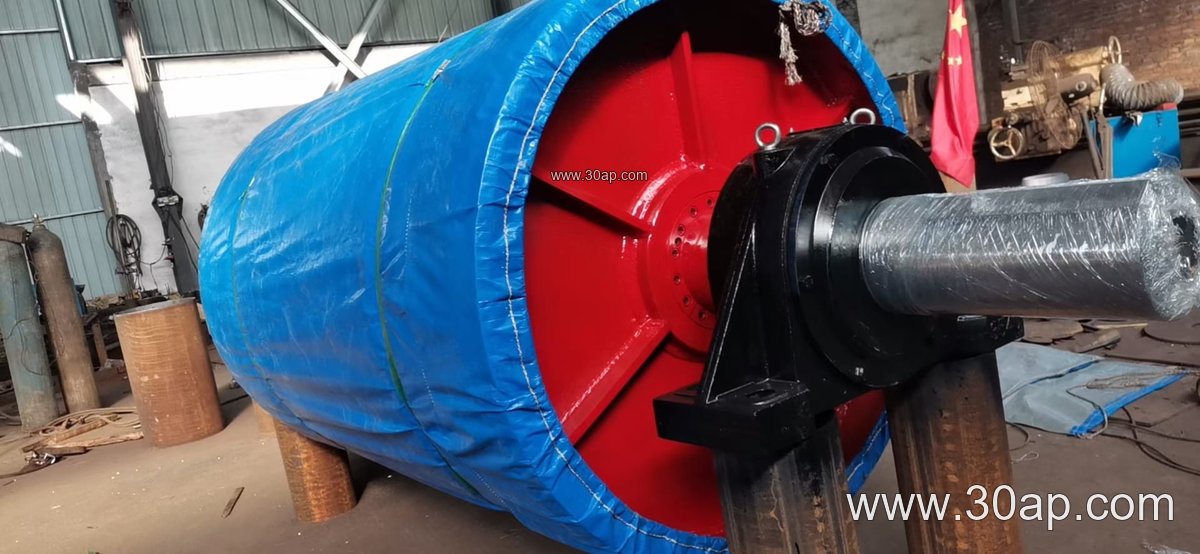
Construction and Common Surface Options
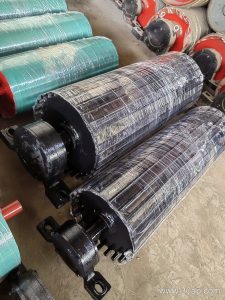
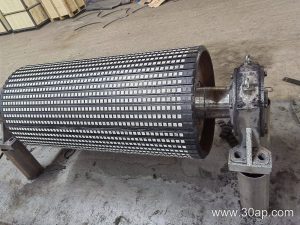
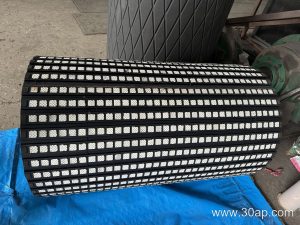
A typical sand and gravel plant conveyor pulley uses a welded steel shell, shaft, hub, and bearing housings. Surface treatment depends on grip and wear. Plain face suits light duty. Rubber lagging—cold-bonded or hot-vulcanized—improves friction and sheds fines. Diamond or herringbone groove patterns help water drainage in wet screening areas. Ceramic lagging offers high abrasion resistance for the drive position. Lagging thickness is commonly 8, 10, 12, 15, or 20 mm, selected by duty.
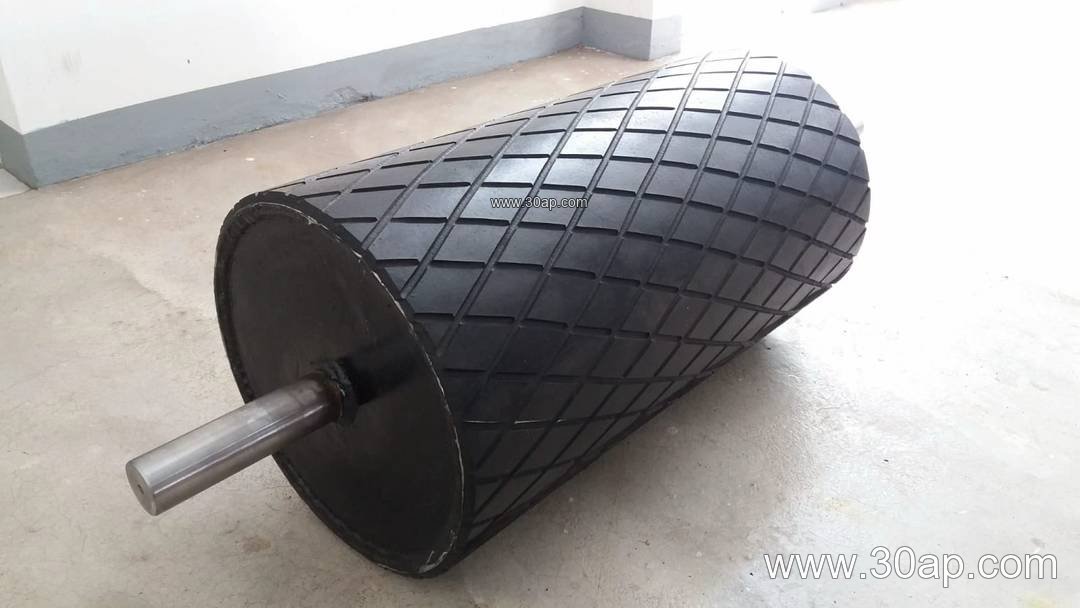
How Pulleys Fit the Belt and Structure
The pulley face width is usually slightly wider than the belt. For example, a B800 belt often pairs with a face width around 950 mm, and B1200 with about 1400 mm. Diameter is chosen by belt speed, torque, and space—common sizes include Ø400, Ø500, Ø630, Ø800, and Ø1000. A B1200 × Ø1000 drive pulley may be appropriate for a primary crusher discharge, while a B800 × Ø500 tail pulley might serve a screen feed. Shaft diameter is determined by torque and load, not by belt width alone; typical shaft sizes run from Ø80 to Ø200. Conveyor brackets and idler rollers must align with the pulley centerline to avoid belt misalignment.
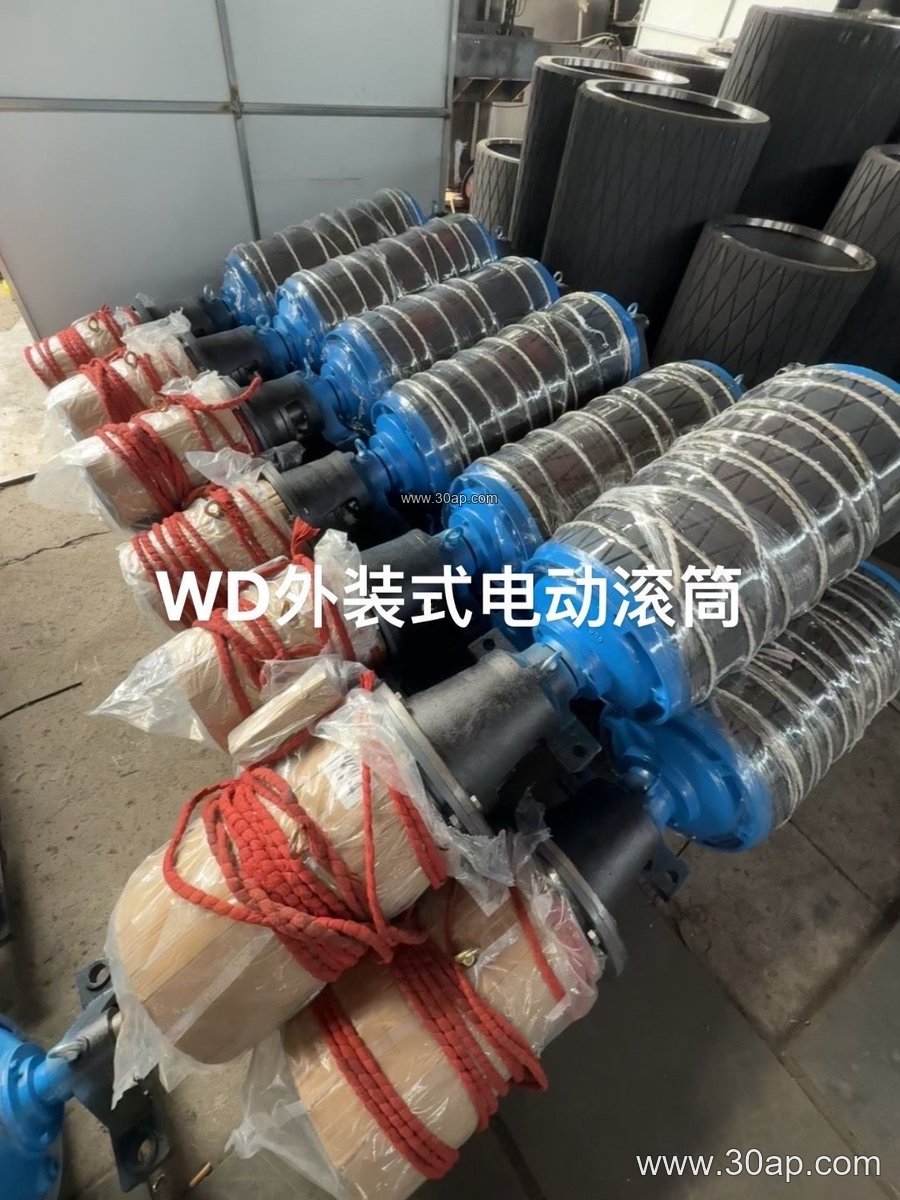
Where It Is Used in the Plant
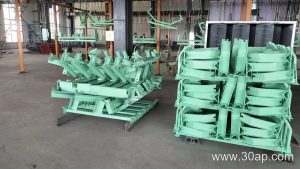
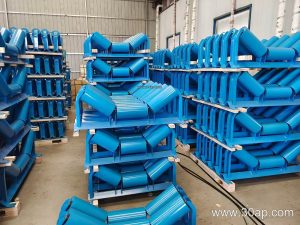
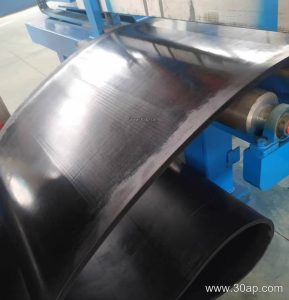
Sand and gravel plants rely on pulleys at every transfer point. The drive pulley sits at the head of the crusher discharge conveyor, often handling a heavy-duty abrasion resistant conveyor belt. Tail pulleys at the feed point see impact and fines. Bend pulleys in the take-up tower redirect the return belt. In a wash plant, sealed bearings and corrosion-resistant lagging help. The same components appear in quarry conveyor belts, aggregate conveyor belts, and crusher conveyor belts across the site.
Buyer Checklist
- Confirm belt width and pulley face width; check that the pulley diameter suits belt speed and torque.
- Match lagging type to the position: drive pulleys often need higher friction; tail pulleys may need impact resistance.
- Verify shaft diameter from the conveyor designer’s torque calculation—do not assume a standard shaft for a given belt width.
- Ensure bearing housings and conveyor brackets fit the existing structure.
- Consider the belt type: an EP conveyor belt or steel cord conveyor belt may demand different pulley face pressure and lagging.
- Plan a spare pulley or lagging kit for critical drives to reduce downtime.
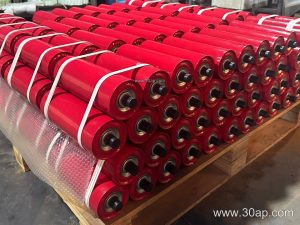
For reliable operation, pair the pulley with quality conveyor idler rollers and a compatible conveyor belt. Regular inspection of lagging wear, bearing temperature, and belt tracking extends pulley life in abrasive sand and gravel service.