What a 600mm Conveyor Belt Is
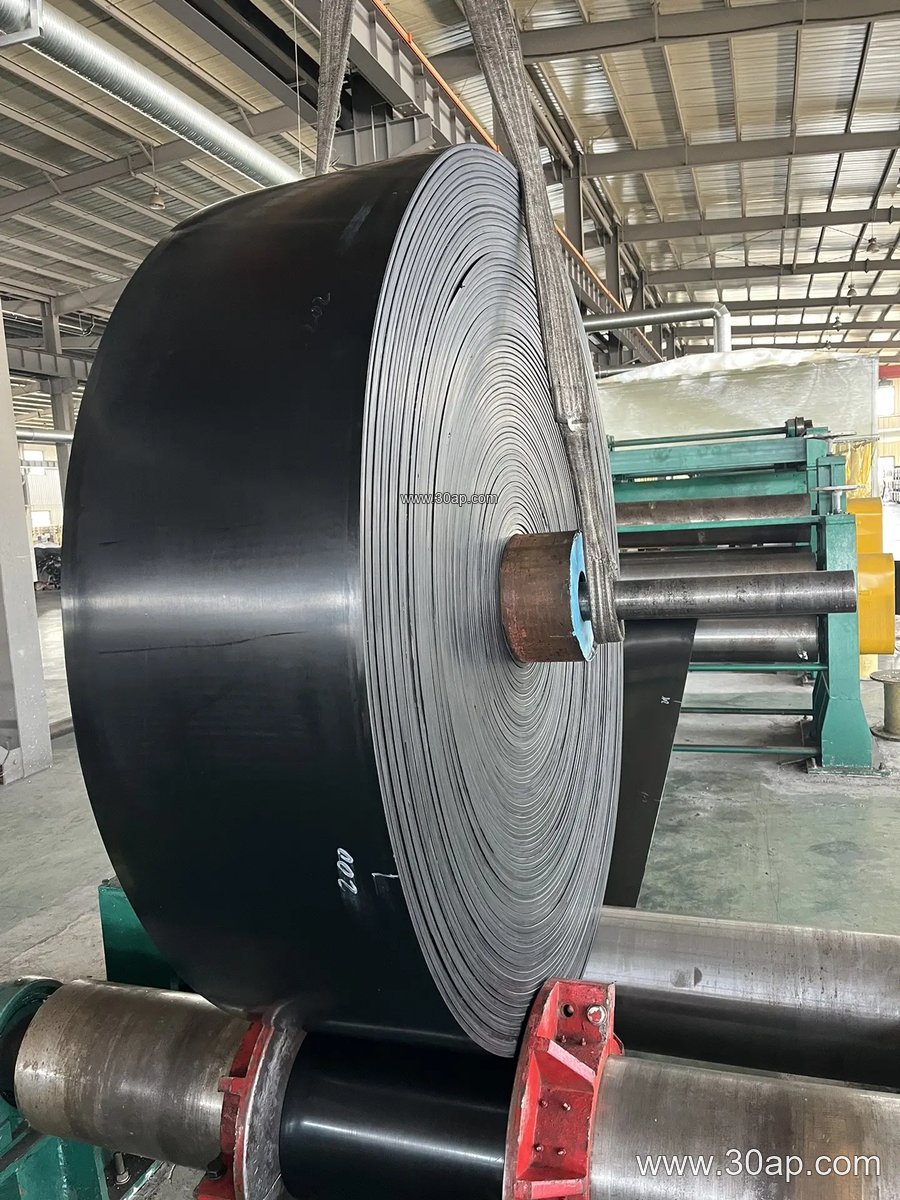
A 600mm conveyor belt is a belt with a nominal width of 600 millimeters, a size that sits in the middle of the light-to-medium range and appears across mining, cement, power, quarry and bulk handling operations. In practice the belt is the load-carrying component of a conveyor system, running over idler rollers and wrapping around a head or drive pulley and a tail pulley. The 600mm figure refers only to the belt width; it does not dictate a pulley diameter, shaft size or roller spacing, all of which are set by the conveyor design engineer based on load, speed and tension.
Buyers often describe this width as a 600mm wide conveyor belt or simply a 600 belt. It is the same product under either name. Narrower and wider widths such as 500mm, 650mm and 800mm exist in the same families, but each width is a separate specification.
Construction and Core Types
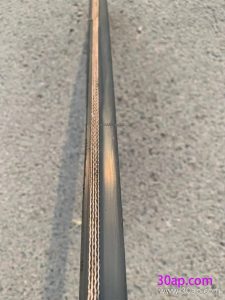
The belt body usually combines a fabric or steel reinforcement with rubber covers. Fabric constructions include EP conveyor belt (polyester warp, nylon weft) and NN conveyor belt (nylon warp and weft), both classed as a fabric core conveyor belt. Heavier tension duty may call for a steel cord conveyor belt, while underground coal work often uses PVG or PVC constructions with flame retardant properties.
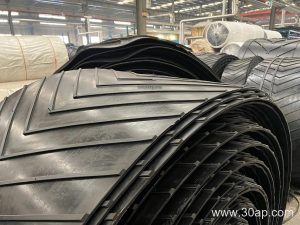
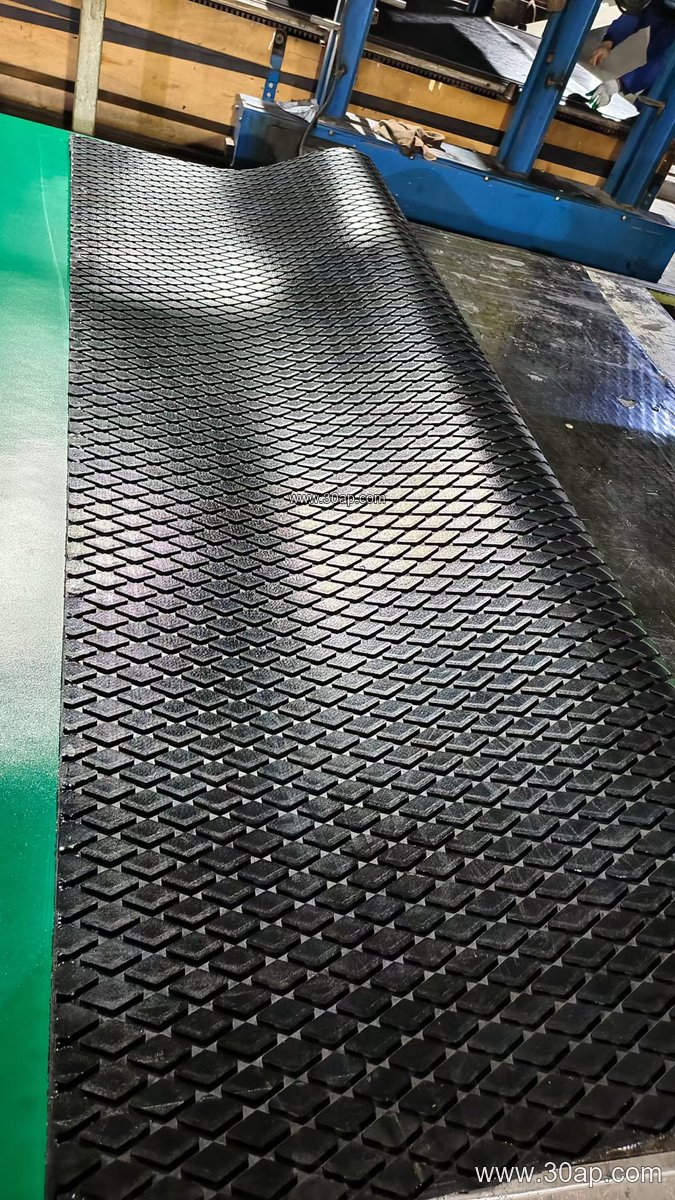
A 600mm belt can be supplied as a multi-ply fabric core conveyor belt with two to six plies, or as an endless conveyor belt where the ends are vulcanized in the factory to avoid a mechanical splice. Surface forms matter too: a chevron conveyor belt or a corrugated sidewall belt with skirted edges helps retain material on inclines, while a plain belt suits horizontal runs.
| Property | Common Options |
|---|---|
| Core type | EP, NN, steel cord, PVG, PVC |
| Strength grade (EP) | EP200, EP315, EP400, EP500, EP630, EP800, EP1000 |
| Cover thickness | 3+1.5, 4+2, 5+2, 6+2, 8+3 mm |
| Plies | 2 to 6, depending on tension |
| Special grades | abrasion resistant, heat resistant, oil resistant, flame retardant, anti-static, cold resistant |
Where 600mm Belts Are Used
This width suits medium-capacity lines: a quarry conveyor belt moving crushed stone, an aggregate conveyor belt feeding a screen, a cement plant conveyor belt carrying clinker or raw meal, or a coal conveyor belt in a power plant. In mining, a 600mm mining conveyor belt may serve as a drift or transfer belt where the tonnage does not justify a wider unit. Sand making plants, recycling lines and port transfer conveyors also use it.
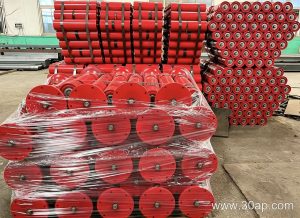
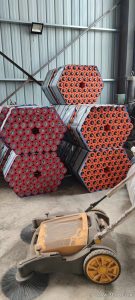
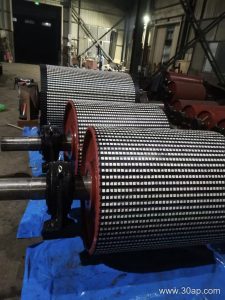
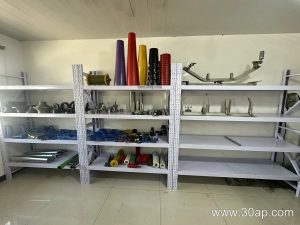
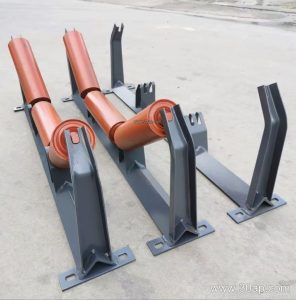
The belt does not work alone. Idler rollers support the load side and return side, a conveyor pulley at each end transfers motion, and a conveyor bracket holds the rollers and pulleys in alignment. Matching these components to the belt width and tension is part of the design, and a 600mm belt can run with different pulley diameters depending on the duty.
Specification Points for Buyers
When specifying a 600mm conveyor belt, confirm the following with the supplier:
- Required tensile strength and the number of plies
- Cover thickness and rubber grade for the material being carried
- Whether flame retardant, anti-static or heat resistant properties are needed
- Edge condition and whether a skirted or chevron profile is required
- Splice method: mechanical, vulcanized or endless
- Belt weight per meter, which affects idler roller and pulley loads
For hot clinker or sinter, a heat resistant conveyor belt is the usual choice; for oily scrap or grain, an oil resistant grade; for abrasive rock, an abrasion resistant cover. In coal mining, a flame retardant conveyor belt is commonly required by site rules. Confirm the exact grade against the site conditions rather than assuming one belt fits every line.
Installation and Maintenance Notes
Correct alignment at the tail pulley and training of the return idlers reduce edge wear on a 600mm conveyor belt. Check cover wear at the loading point, where impact is highest, and inspect splices regularly. Keep the belt tension within the design range; over-tensioning shortens bearing life in the idler rollers and stresses the drive pulley. Store spare belts flat and away from direct sunlight before installation.
For a 600mm wide conveyor belt, the practical rule is to match the belt grade and cover to the material and environment, and to size pulleys, rollers and brackets from the calculated belt tension. The width alone is a starting point, not a complete specification.