What a Conveyor Equipment Pulley Does
A conveyor equipment pulley is the cylindrical rotating component that drives, tensions, or redirects the conveyor belt in a bulk material handling system. Unlike an idler roller, which supports the belt along its carrying run, the pulley transmits power or changes the belt path at key transition points. In a typical conveyor, the drive pulley grips the belt and moves it forward, while the tail pulley maintains tension and the bend pulley guides the belt around corners or into take-up sections.
These pulleys are common in quarry aggregate lines, coal preparation plants, cement clinker circuits, and power plant coal handling. A well-matched pulley keeps the belt tracking smoothly and extends the service life of the entire conveyor.
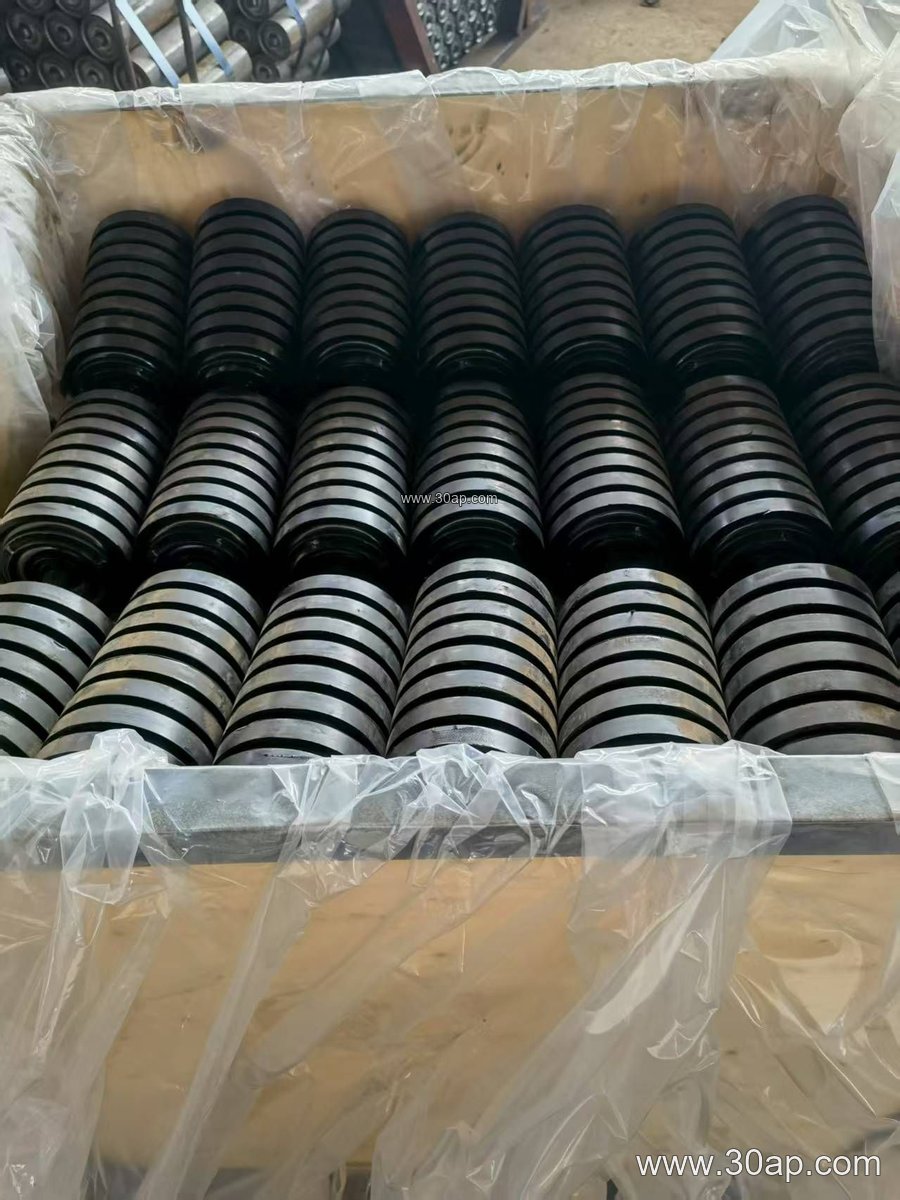
Construction and Surface Options
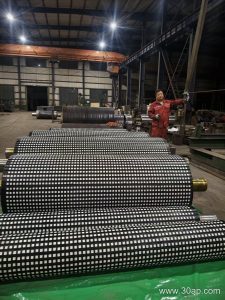
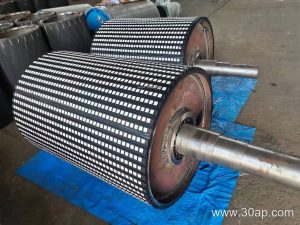
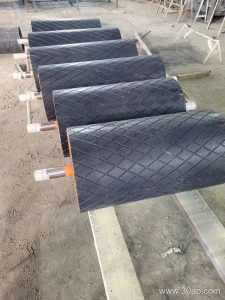
Most industrial pulleys start with a welded steel drum and a shaft sized by torque and load, not simply by belt width. The shell is machined and then covered with a lagging material to improve grip and protect the belt. Common surface forms include plain, cast rubber, cold-bonded rubber, hot-vulcanized rubber, diamond pattern, herringbone, ceramic lagging, and flat rubber. Lagging thickness often falls between 8 mm and 20 mm, depending on the duty.
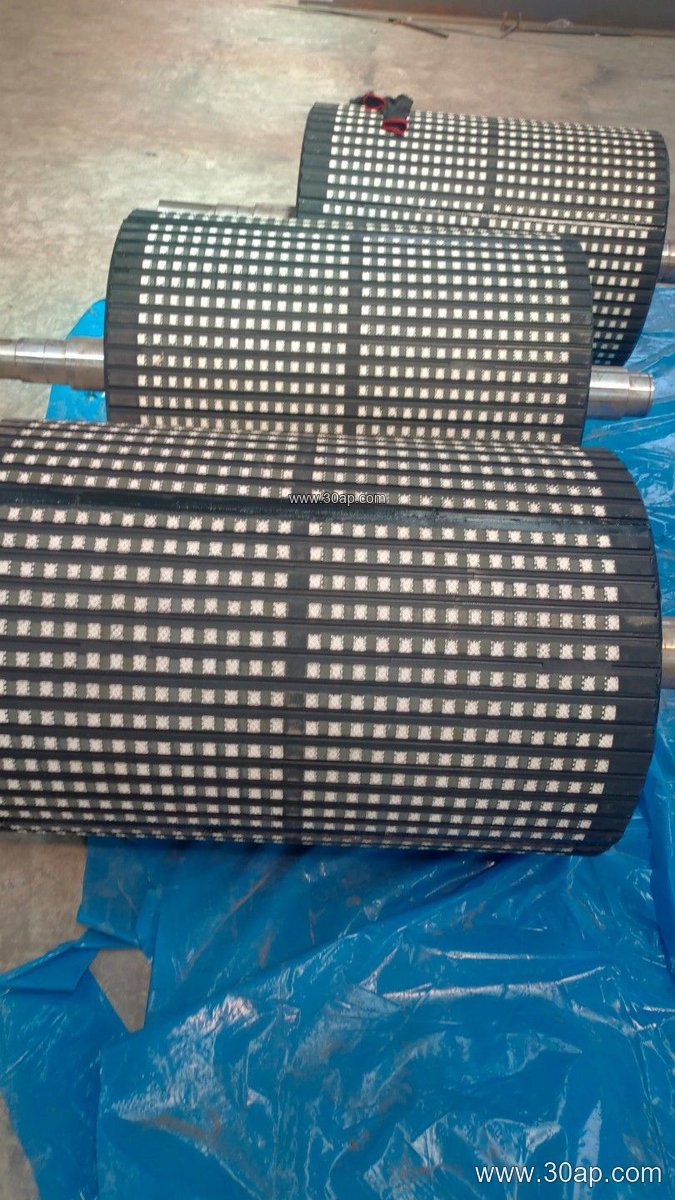
Drive pulleys usually need higher friction, so diamond or ceramic lagging is often chosen. Tail and bend pulleys may use plain or lightly lagged surfaces to allow the belt to self-align. The pulley face width is normally slightly wider than the belt, for example a B800 belt often pairs with a pulley face around 950 mm, but this is a reference, not a fixed rule.
Common Types and Where They Sit
The main subtypes serve distinct positions and should not be treated as interchangeable. A drive pulley or head pulley powers the belt at the discharge end. A tail pulley sits at the loading end and helps maintain belt tension. A bend pulley changes the belt direction without driving. Other variants include take-up pulleys, snub pulleys, and motorized pulleys.
- Drive pulley: Transmits torque, often with heavy lagging.
- Tail pulley: Keeps belt tension at the load point.
- Bend pulley: Redirects the belt in confined spaces.
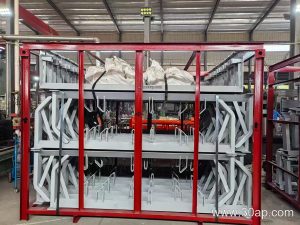
For comparison, an idler roller only supports the belt and does not drive or redirect it, so the two are not substitutes. A conveyor bracket holds the pulley assembly in place and must align with the shaft and bearing housing.
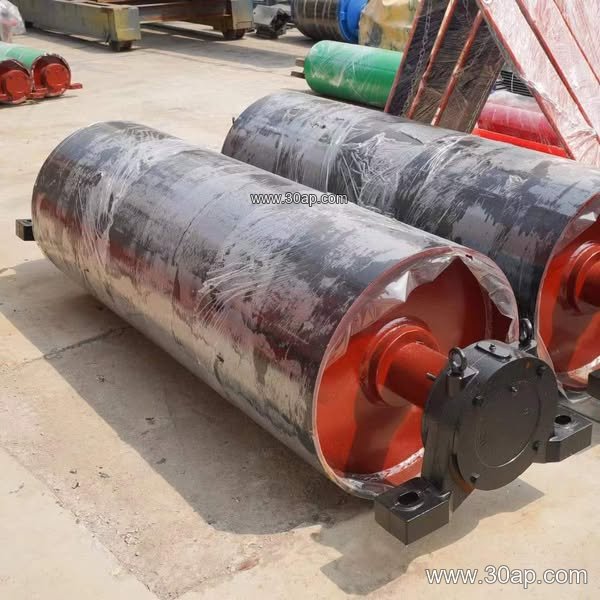
Matching the Pulley to the Belt and Duty
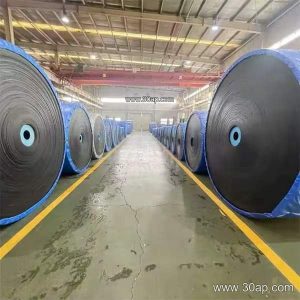
Selection starts with the conveyor belt type and the material being handled. A heavy-duty mining conveyor belt or steel cord conveyor belt may require a larger diameter and stronger shaft than a lighter fabric core belt. Abrasive loads such as iron ore or copper ore call for abrasion resistant lagging, while coal mining conveyors often need flame retardant properties in the belt and careful pulley grounding for anti-static performance. In cement plants, heat resistant conveyor belts may run near kiln areas, so pulley bearings and lagging should tolerate elevated temperatures.
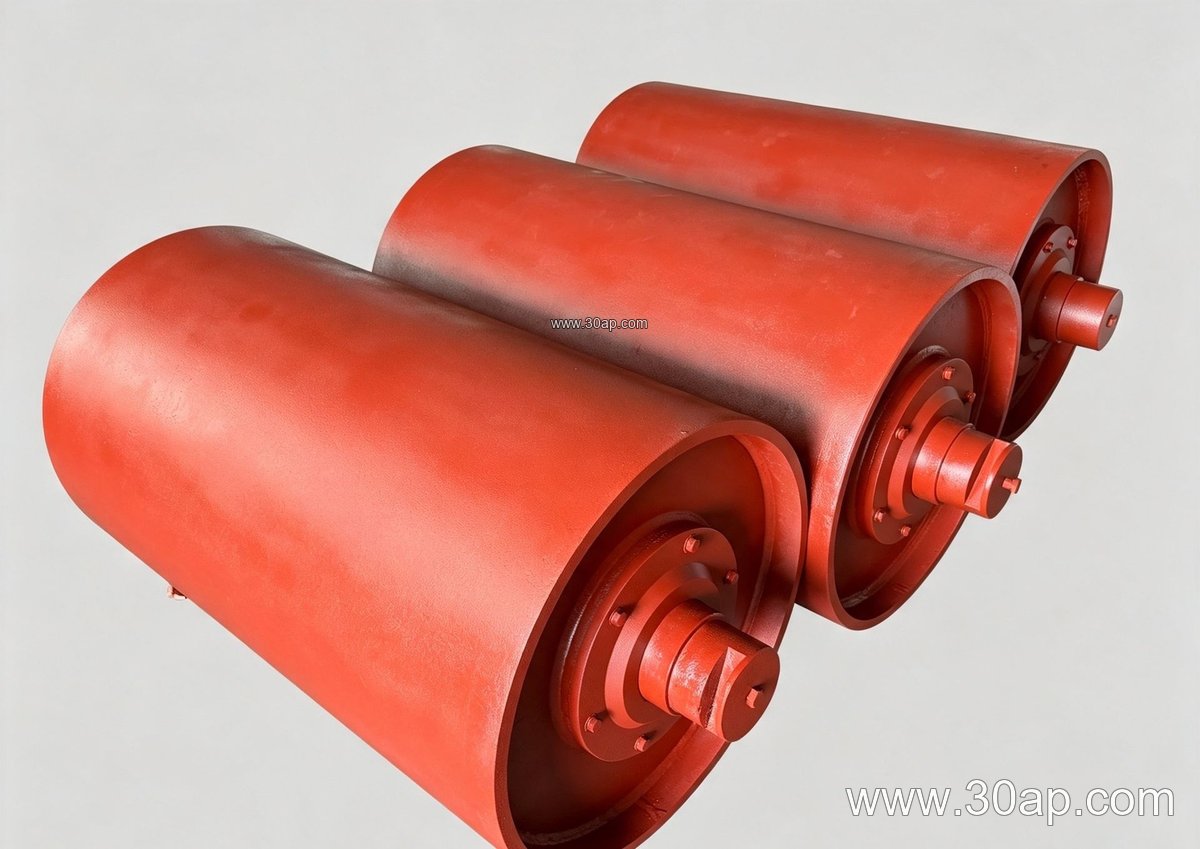
Common diameter ranges include Ø200, Ø315, Ø500, Ø800, Ø1000, and Ø1250, but the final size depends on belt tension, speed, and shaft load. A B1200 × Ø1000 drive pulley and a B800 × Ø500 tail pulley are both plausible combinations in different systems. Shaft diameters such as Ø80, Ø100, Ø120, or Ø160 are determined by torque and bearing selection, not by belt width alone.
Buyer Checklist
Before ordering, confirm the belt width, pulley position, lagging type and thickness, shaft size, bearing type, and whether the pulley will be welded or bolted. Ask for the pulley face width and confirm it matches the belt and frame. For quarry or aggregate conveyor belts, specify the expected dust and moisture exposure. For port or ship loading conveyors, check corrosion protection. Keep spare lagging and bearings on hand for critical drives.
Proper alignment and tension during installation prevent belt mistracking and premature pulley wear. Regular inspection of lagging wear, shaft play, and bearing temperature helps avoid unplanned downtime in any bulk material conveyor system.