What the Return Idler Does on a Conveying Line
On any troughed conveyor, the belt carries material on the top run and comes back empty underneath. The Belt Conveyor Return Idler is the roller that supports this lower strand, keeping the belt from sagging between the tail and head pulleys. Without it, the belt would drag, track poorly, and wear out fast. This component is also called a return roller or lower idler, and both names refer to the same part. It is not a drive pulley, a tail pulley, or a bend pulley; those are separate components with different duties.
In a quarry, a coal handling section of a power plant, or a cement plant clinker line, the return run is often ignored until belt tracking becomes a problem. Paying attention to it early saves money on belt replacement and downtime.
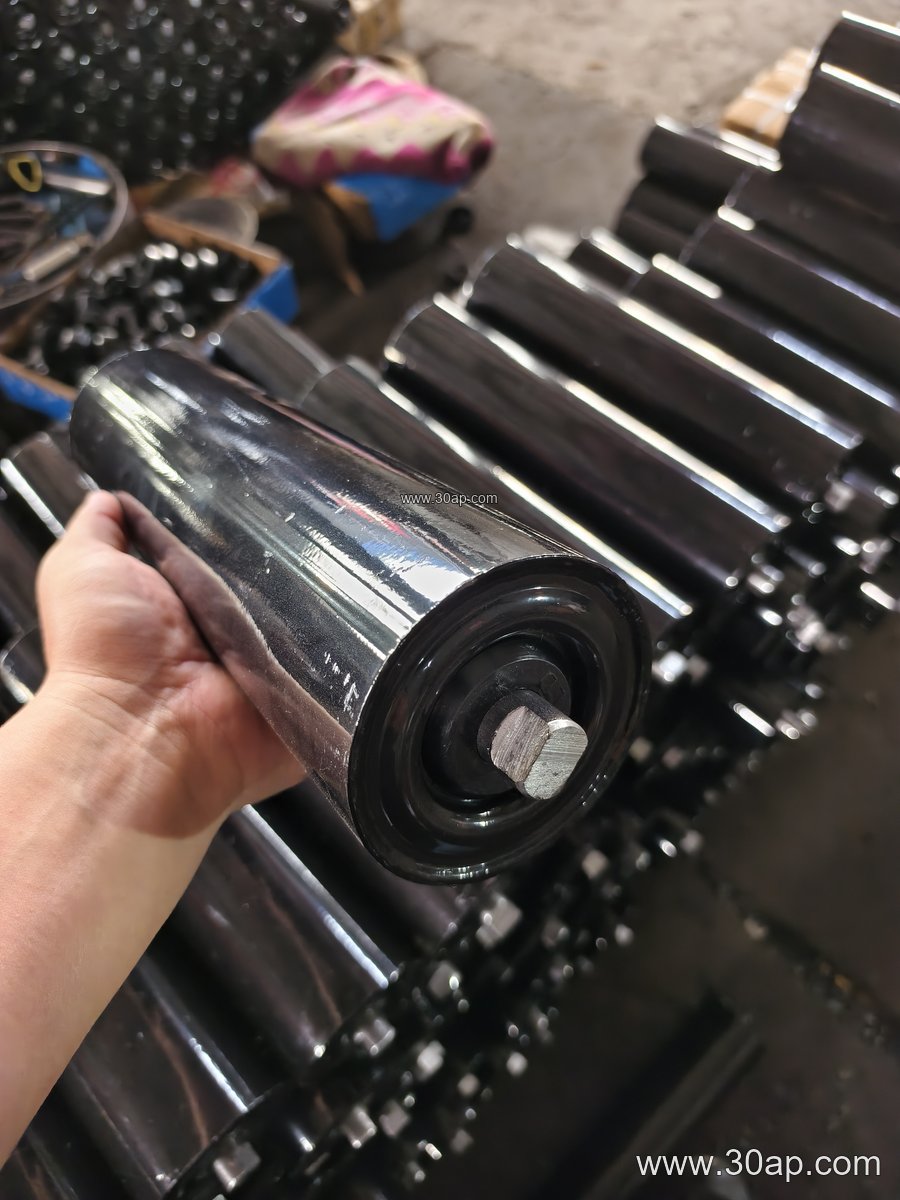
Construction and Common Surface Forms
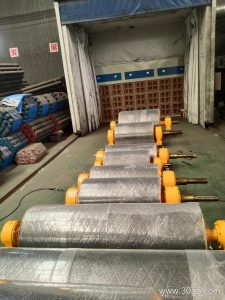
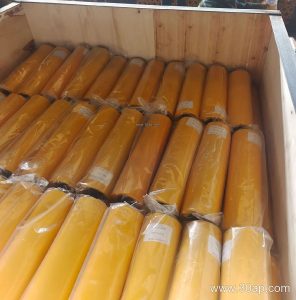
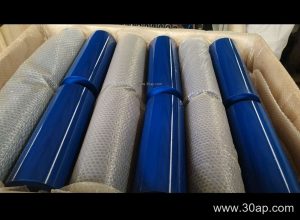
A typical return roller is built around a steel tube shell, a shaft, and sealed bearings. The shell can be plain steel, nylon-coated, ceramic-covered, or fitted with rubber rings. Rubber-ring return rollers are common where sticky material builds up on the belt and needs to be shed. Spiral return rollers are used where fine dust and moisture cause material carryback.
- Shell materials: steel tube, nylon, ceramic, rubber ring
- Common bearing sizes: 6204, 6205, 6305, 6306, 6308, 6310
- Common roller diameters: 63, 76, 89, 102, 108, 127, 133, 159, 178, 194, 219 mm
- Typical return roll lengths follow belt width and frame design
Bearing size is not fixed by roller diameter alone. A 108 mm roller may use different bearings depending on load and seal design. Buyers should confirm the bearing and seal arrangement with the supplier rather than assuming a standard combination.
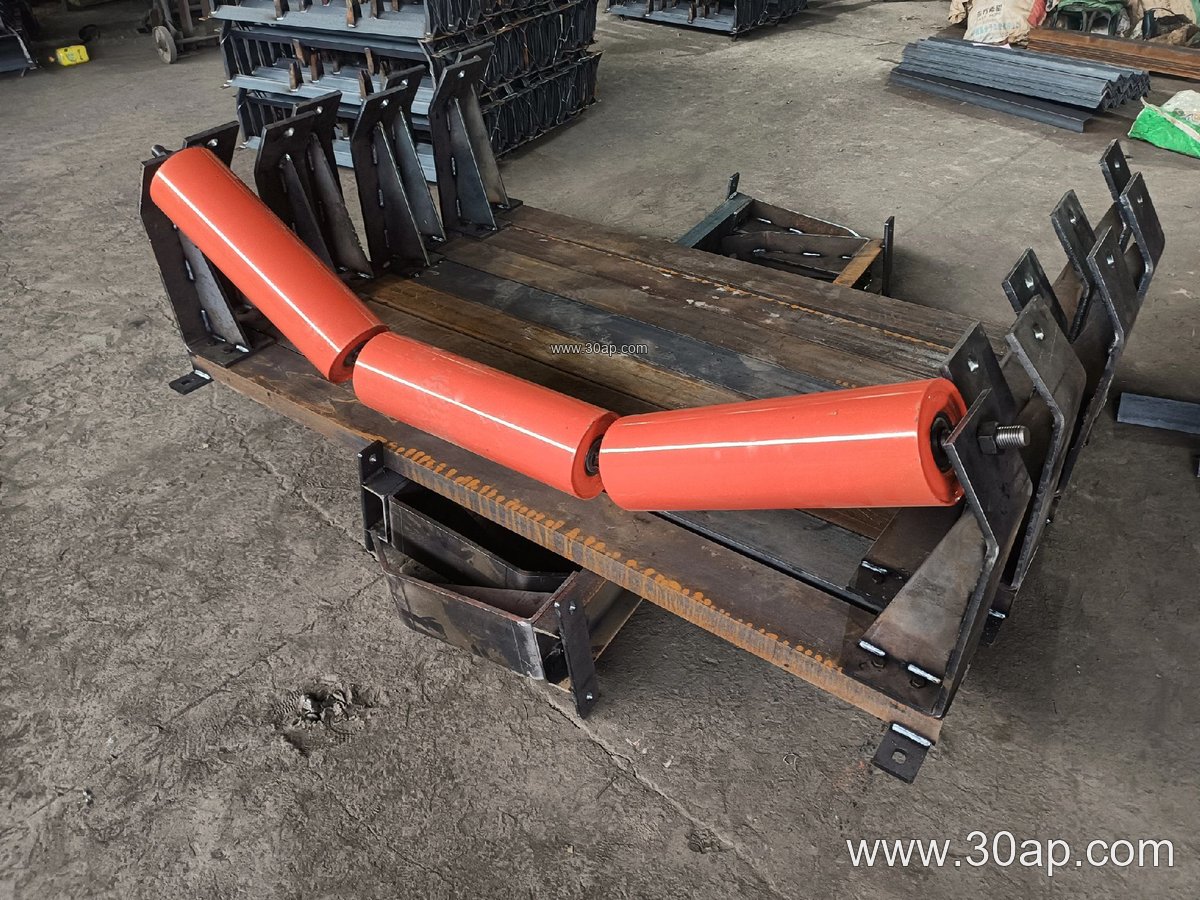
Where It Fits on the Conveyor
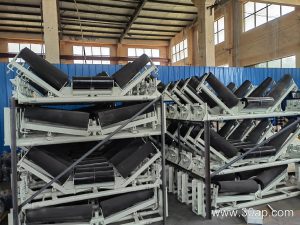
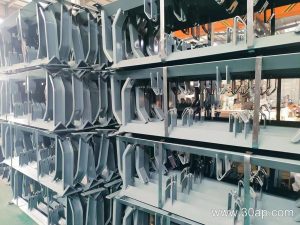
The return idler sits under the carrying belt, usually mounted in a conveyor bracket attached to the stringer. Flat return rollers are the simplest form. V-shaped return rollers help center the belt and are useful on long inclines. Spiral and rubber-disc types are chosen when material carryback is severe, such as in a limestone mine or an aggregate crushing circuit.
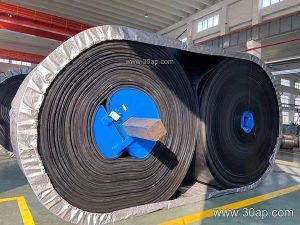
On a belt carrying abrasion resistant conveyor belt in a sand and gravel plant, return rollers take less impact than the carrying side but still wear from grit and misalignment. On a coal mining conveyor belt, flame retardant properties of the belt and the roller’s sealing quality both matter for safety and service life.
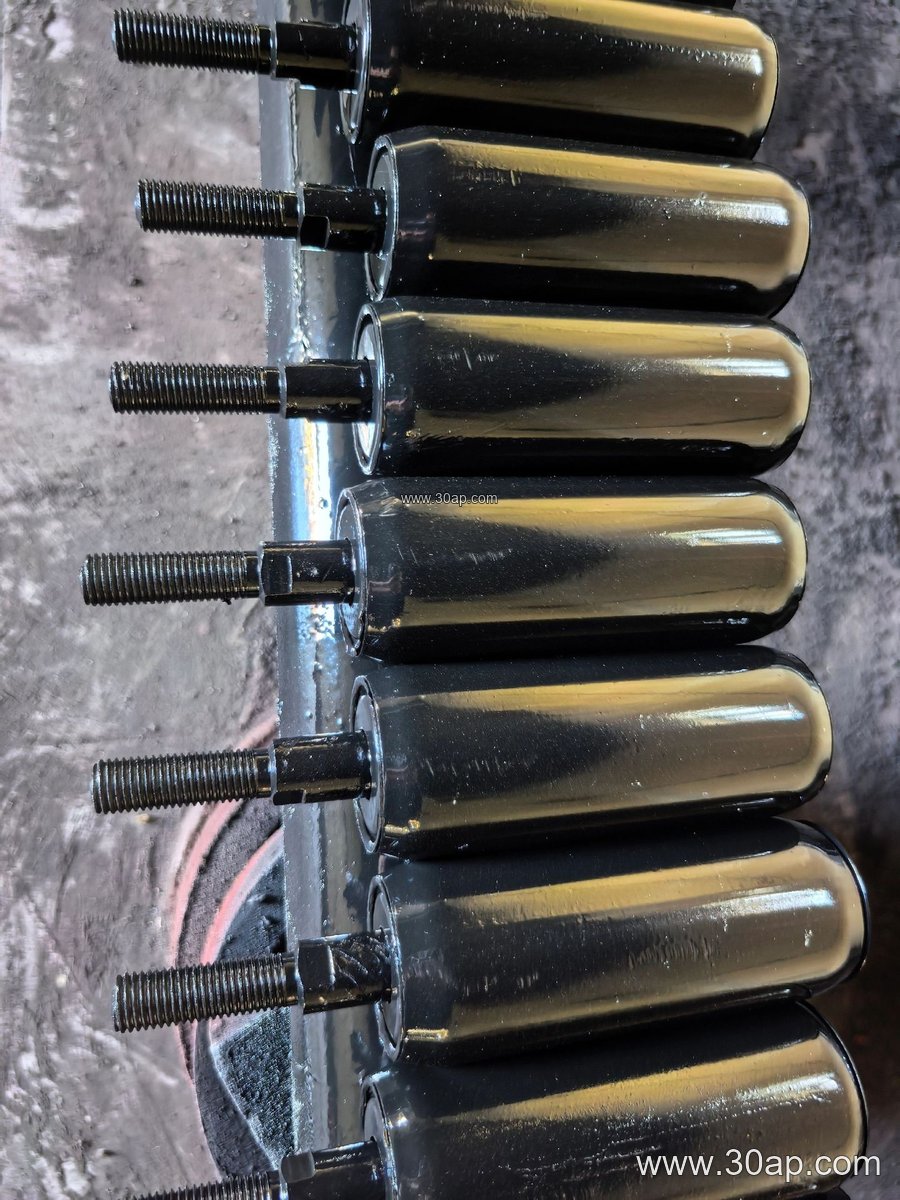
Matching Roller Diameter and Belt Width
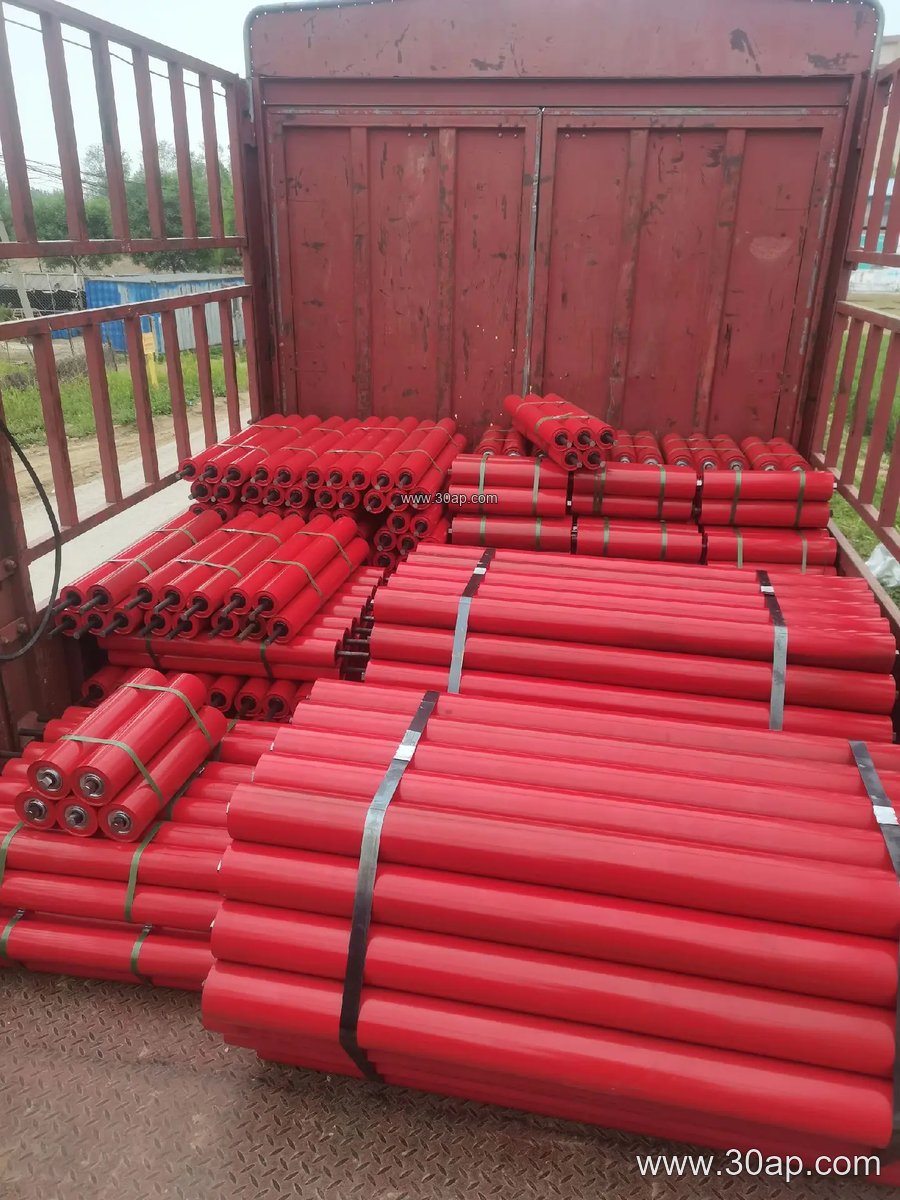
There is no single rule that ties one belt width to one roller diameter. A 1000 mm belt might use 108 mm or 133 mm return rollers depending on load, speed, and frame height. The table below shows reference examples only; final selection is by design.
| Belt width | Common return roll length (example) | Common roller diameter range |
|---|---|---|
| B500 | about 200 mm (three-roll trough example) | 76-108 mm |
| B650 | about 250 mm | 89-108 mm |
| B800 | about 315 mm | 89-133 mm |
| B1000 | about 380 mm | 108-133 mm |
| B1200 | about 465 mm | 108-159 mm |
| B1400 | about 530 mm | 127-159 mm |
| B1600 | about 600 mm | 133-178 mm |
| B1800 | about 670 mm | 133-194 mm |
| B2000 | about 750 mm | 159-219 mm |
Return roll length differs from carrying idler roll length because the return run is usually flat, not troughed. Side rollers and center rollers on a three-roll trough set have their own lengths, so the figures above are just a starting reference.
Selection Points for Buyers
Start with the belt width, belt speed, and the weight of the return strand. Then consider the environment. A heat resistant conveyor belt in a sinter or cement kiln area may need return rollers with heat-tolerant seals. In a port handling EP conveyor belt or steel cord conveyor belt, long spans call for sturdy brackets and well-sealed bearings.
- Check shaft diameter and bearing type against the frame, not just the roller diameter.
- Confirm the mounting bracket style and hole spacing before ordering.
- For dusty or wet service, choose sealed bearings and self-cleaning surface forms.
- For belts that misalign, consider V-return or self-aligning return rollers.
Keep spare return rollers on hand. A failed return roller can cut the belt or start a fire in coal handling. Regular inspection of rotation, seal condition, and build-up is simple and effective.
Maintenance and Replacement Notes
Return rollers are wear parts. Replace any roller that stops turning, wobbles, or shows a damaged shell. When replacing, match the roller diameter, shaft, and bracket to the existing frame. Mixing sizes can change belt support and cause tracking issues. In a fertilizer or grain terminal, also check for material build-up that can seize the roller. A clean return run keeps the whole conveyor running smoothly.