What a V-Type Idler Bracket Does
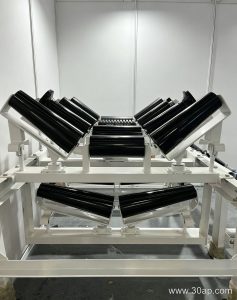
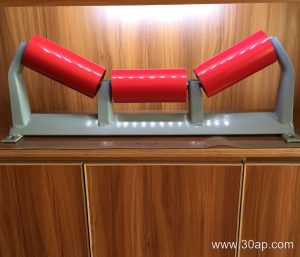
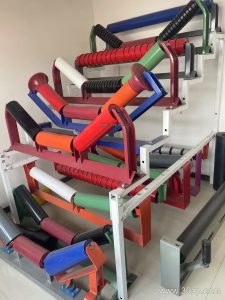
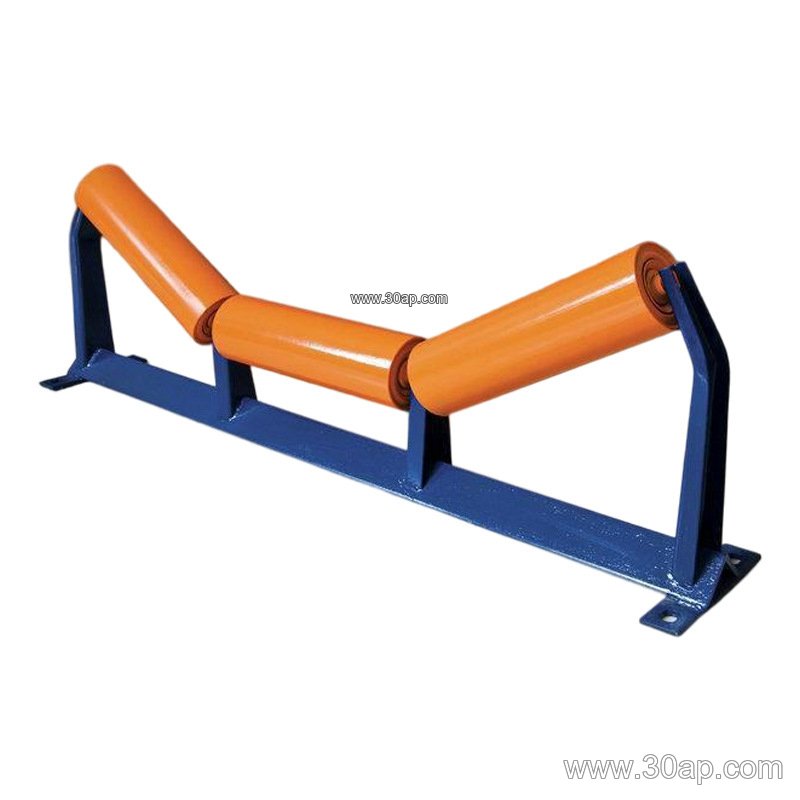
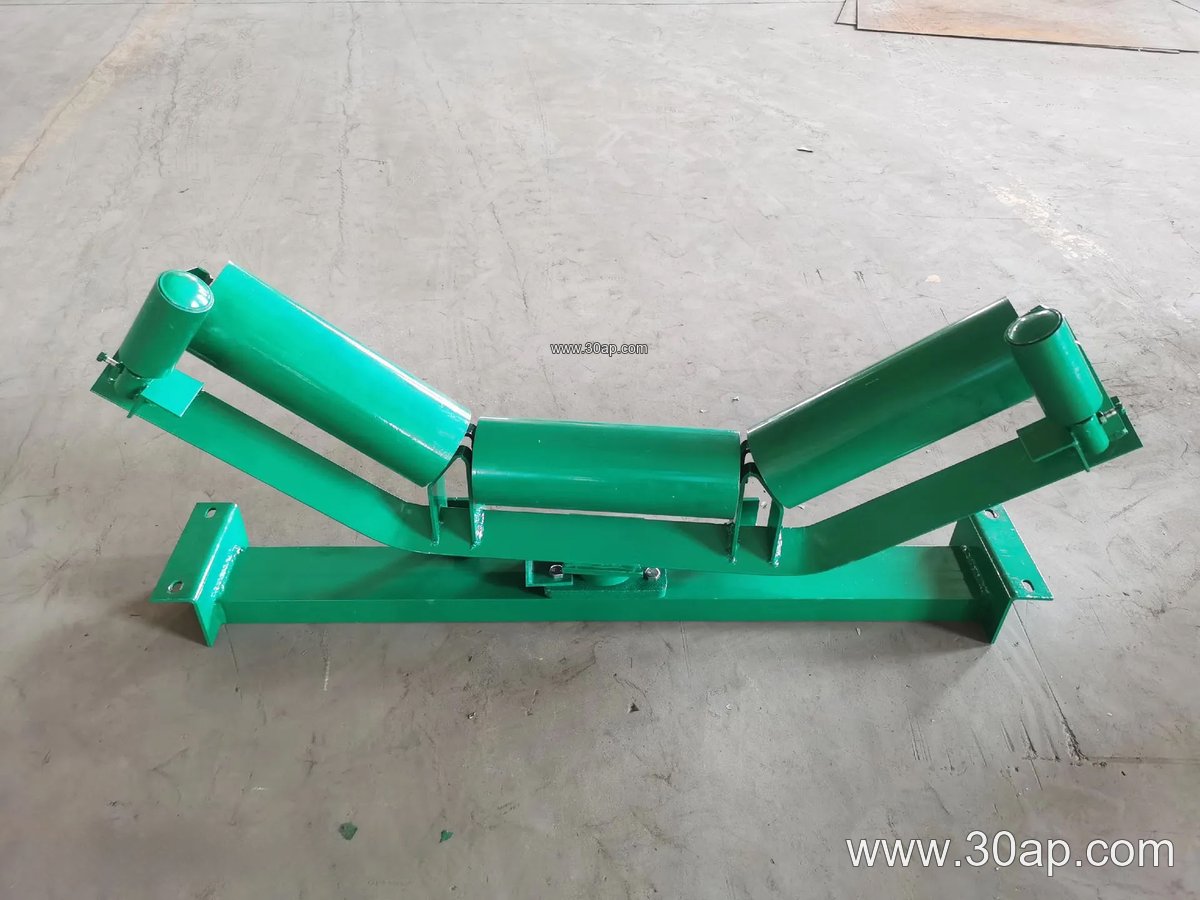
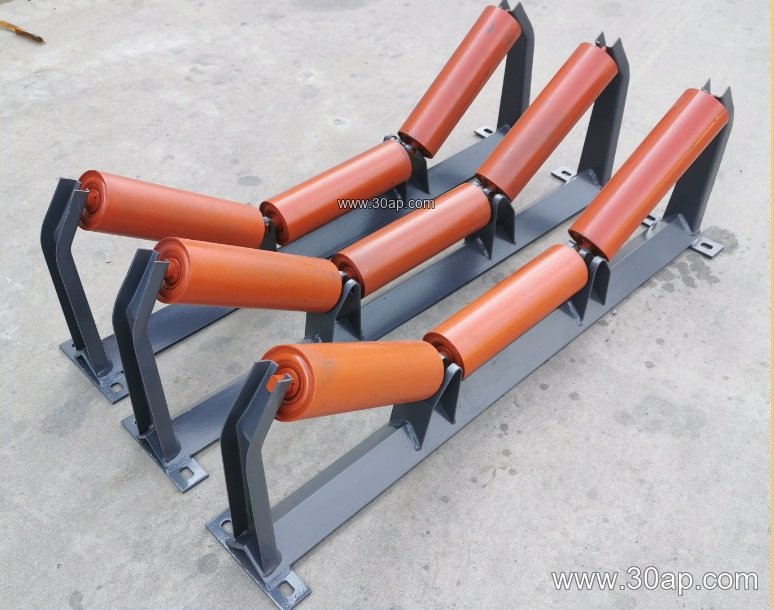
A V-Type Idler Bracket is a return-side support that holds two idler rollers in a V configuration, with the rollers angled upward toward the center. This arrangement cradles the conveyor belt on its return run, helping to keep the belt centered and to shed loose material that might otherwise build up on the rollers. In a typical conveyor structure, the bracket sits below the belt line, opposite the carrying idlers, and works together with the conveyor belt and idler roller set to maintain stable tracking. Unlike a flat return bracket, the V shape provides a self-centering effect that is useful on longer runs or where belt wander is a concern.
Construction and Mounting
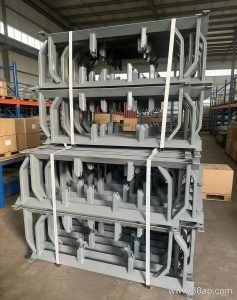
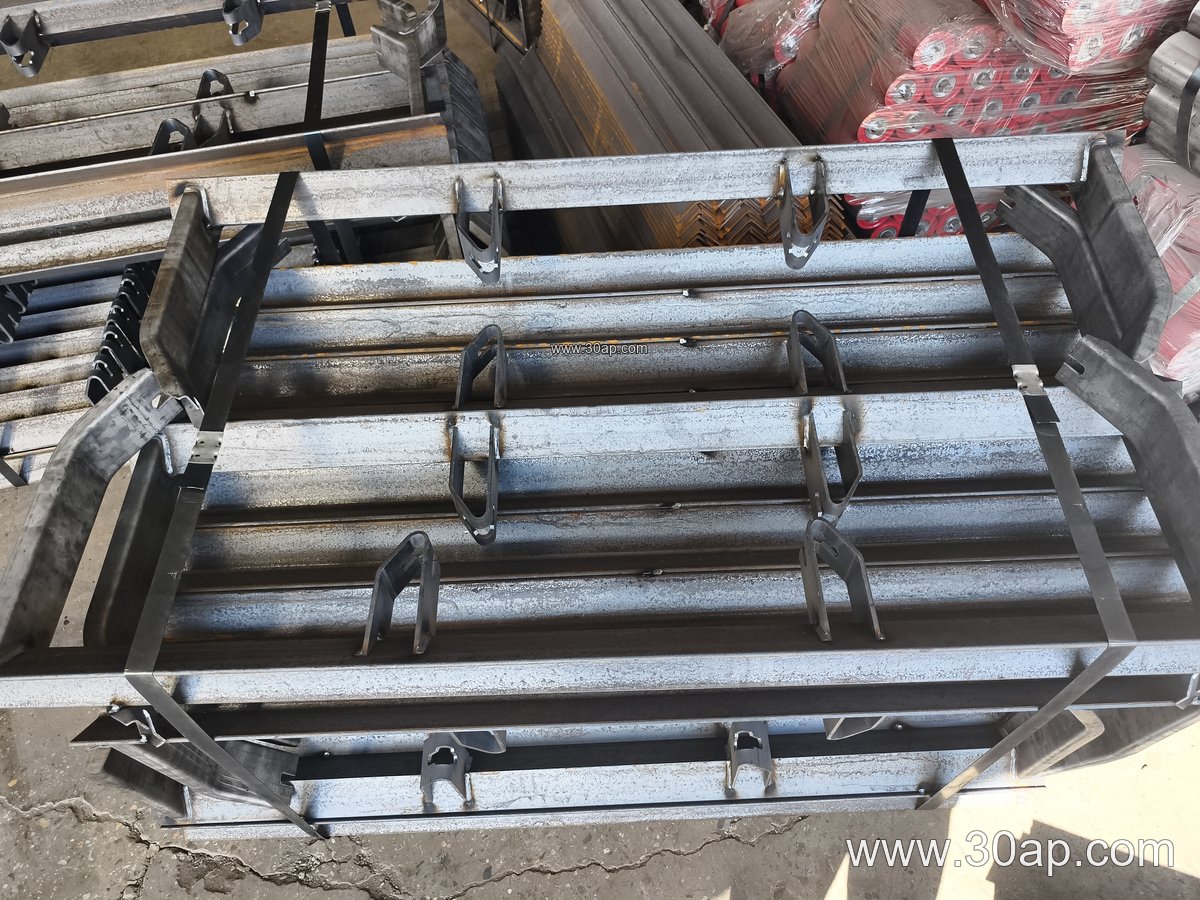
Most V-Type Idler Brackets are fabricated from angle steel, channel steel, or folded steel plate. The two inclined arms are welded or bolted to a central base, and the idler shafts are secured in slots or bolt holes sized to the roller diameter. The bracket is then bolted to the conveyor frame stringers. Because the return belt rests in the V, the bracket height and arm angle affect belt clearance and roller contact. Mounting hole spacing and crossbeam length usually vary with belt width and the required V angle, so these dimensions are determined by design rather than fixed for every conveyor.
Where It Fits in the Conveyor
V-Type Idler Brackets are common in bulk handling systems such as quarry and aggregate lines, cement plants, coal handling at power stations, and iron ore or copper ore operations. In these settings, a heavy-duty conveyor belt may carry abrasive rock or wet material, and the return side can collect spillage. The V arrangement helps guide the belt and reduces the chance of misalignment. The bracket is often used with a rubber conveyor belt or an EP conveyor belt on medium to long conveyors, and it may also appear on lines using a flame retardant conveyor belt in coal mining or a heat resistant conveyor belt near kilns and sinter areas. It is not a substitute for a bend pulley or a tail pulley; those components serve different functions at the conveyor ends.
Matching Bracket, Belt Width, and Roller Size
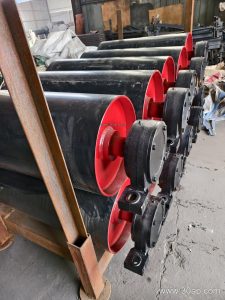
Selection starts with the belt width and the return idler diameter. Common belt widths include B500, B650, B800, B1000, B1200, B1400, B1600, and B1800, while return idler diameters are often Ø89, Ø108, Ø133, Ø159, or Ø194. The V angle is usually set by the bracket design, and some adjustable brackets allow changes within a range. The table below shows reference combinations; these are examples, not fixed rules, and actual mounting dimensions should follow the conveyor design.
| Belt Width | Typical Return Idler Diameter | V Bracket Note |
|---|---|---|
| B500 | Ø89 | Compact return support for light to medium duty |
| B650 | Ø89 or Ø108 | Common in aggregate and sand lines |
| B800 | Ø108 | Frequently used with EP conveyor belt |
| B1000 | Ø108 or Ø133 | Suited to cement and coal handling |
| B1200 | Ø133 | Heavy-duty mining conveyor belt applications |
| B1400 | Ø133 or Ø159 | Large quarry and ore conveyors |
| B1600 | Ø159 | High capacity bulk material lines |
| B1800 | Ø159 or Ø194 | Wide belt return support |
One belt width can match more than one roller diameter, and the bracket should be chosen to suit the actual idler shaft and frame. Do not assume that a given belt width fixes the shaft size or the V angle.
Buyer Checklist
- Confirm the return idler diameter and shaft ends so the bracket seats correctly.
- Check the belt width and conveyor frame bolt pattern before ordering.
- Decide whether a fixed or adjustable V bracket suits the tracking needs.
- Consider material buildup and choose a bracket that allows easy cleaning.
- For coal or underground mining, verify that the bracket and rollers are compatible with the flame retardant conveyor belt and fire resistant conveyor belt requirements of the site.
For more information on conveyor brackets, idler rollers, and conveyor pulleys, or to discuss how a V-Type Idler Bracket fits your belt width and return roller size, contact the supplier with your conveyor layout details.