What an Idler Bracket Does on a Conveyor
An idler bracket is the frame component that holds conveyor idler rollers at the correct position and angle beneath or above the conveyor belt. It is sometimes called an idler frame or roller support bracket, and it is one of the quiet foundations of a stable belt line. While the rollers carry the load and the belt moves the material, the bracket keeps everything aligned so the belt tracks straight and the rollers spin freely. In a quarry, a cement plant or a power plant coal yard, a loose or misaligned bracket can cause belt edge wear, spillage and premature roller failure.
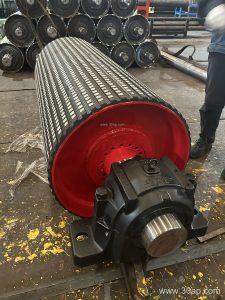
The bracket works together with the conveyor belt, the idler roller and, at the ends of the line, the conveyor pulley. It does not drive anything itself, but it determines how evenly the load is distributed across the roller set.
How an Idler Bracket Is Built
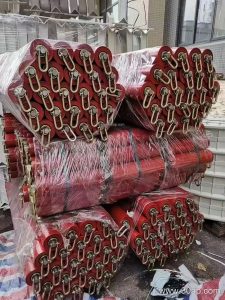
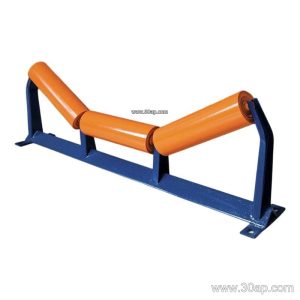
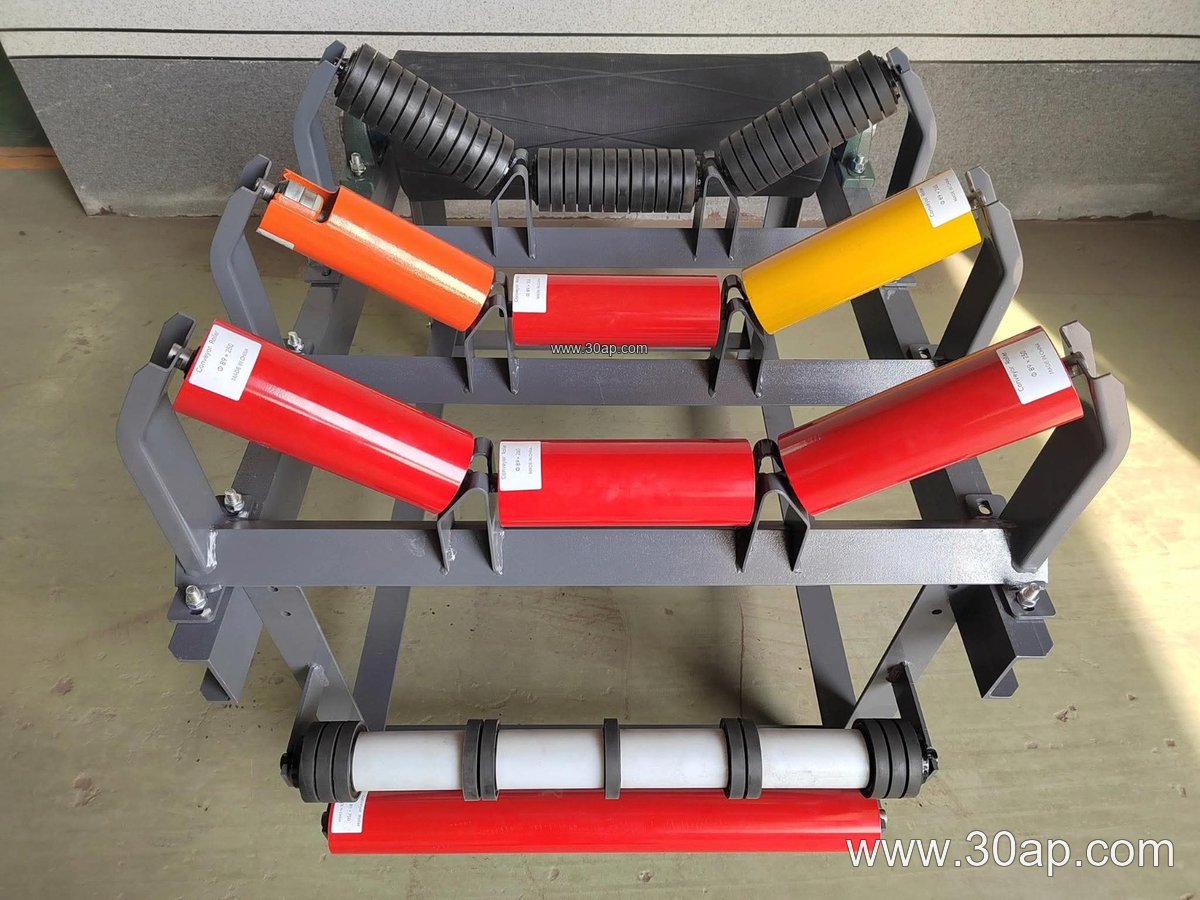
Most brackets are fabricated from angle steel, channel steel or folded steel plate. The material choice depends on load, corrosion exposure and the surrounding environment. A typical troughing bracket consists of a base crossbeam and angled arms that position the side rollers at a defined trough angle. Return brackets are flatter, and V-return brackets support two rollers in a V shape to help center the belt on the return run.
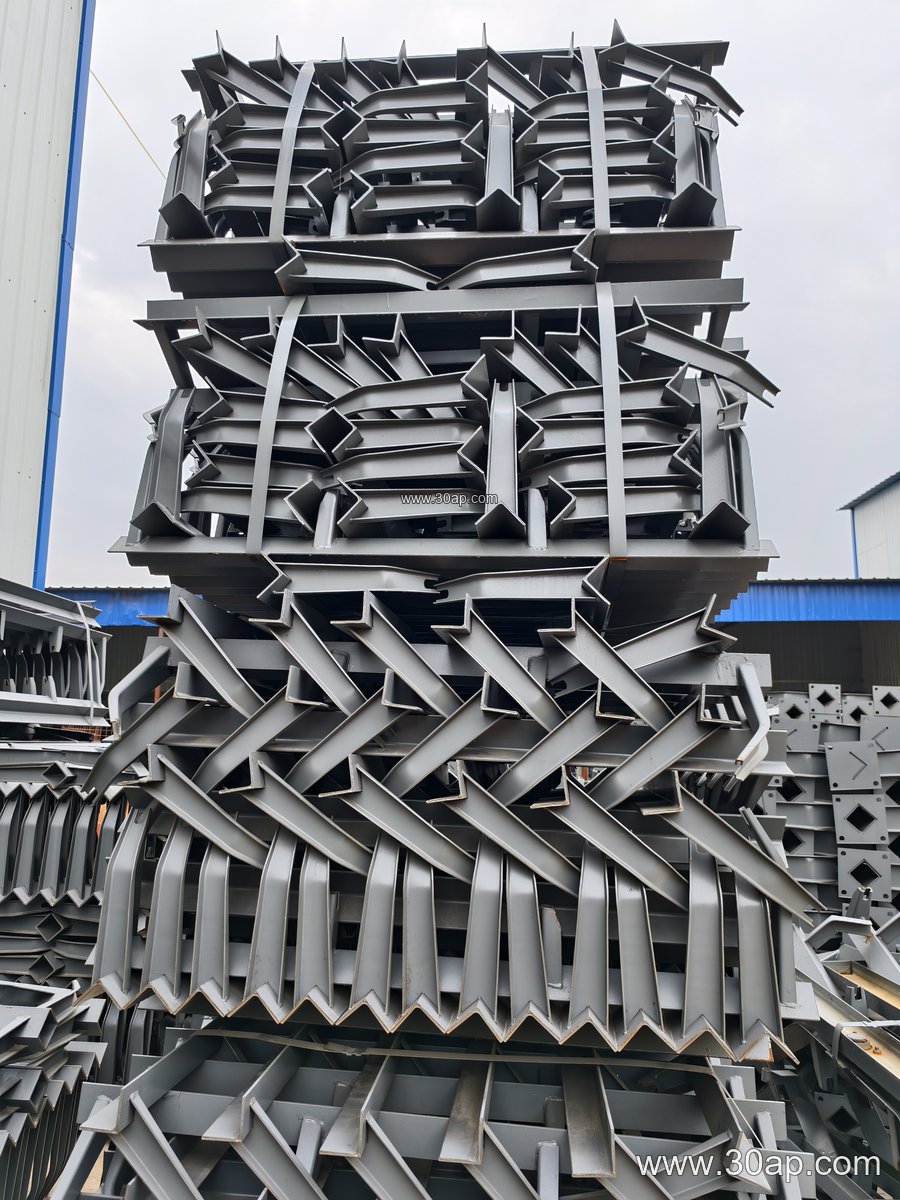
- Troughing bracket: supports three rollers in a trough, common on the carrying side.
- Transition bracket: eases the belt from flat to troughed shape near pulleys.
- Return bracket: supports the belt on the return side, often with a flat or V configuration.
- Impact bracket: reinforced to carry cushion rollers under a loading point.
- Self-aligning bracket: allows slight movement to correct belt drift.
- Adjustable bracket: lets maintenance staff change the trough angle within a range.
Fabrication quality matters. Weld seams, hole spacing and arm alignment all affect how well the rollers sit. A bracket that is twisted by even a few millimeters can make a roller run out of square and shorten its service life.
Matching Bracket, Belt Width and Roller Diameter
Bracket selection starts with belt width and the required trough angle, then moves to roller diameter. Common belt widths include B500, B650, B800, B1000, B1200, B1400, B1600, B1800, B2000 and B2200. Trough angles are usually 20, 30, 35 or 45 degrees, and adjustable designs can move between these values. Roller diameters such as Ø89, Ø108, Ø133, Ø159 and Ø194 are matched to load and belt speed by the conveyor designer.
There is no fixed rule that one belt width must use one trough angle or one roller diameter. A B800 line might run at 35 degrees with Ø108 rollers, while a B1200 line could use 45 degrees and Ø133 rollers, depending on capacity and material. Installation hole spacing and crossbeam length change with belt width and trough angle, so these dimensions should always be confirmed against the conveyor drawing.
Where Idler Brackets Are Used
These brackets appear wherever a belt conveyor carries bulk material. In a limestone mine or aggregate crushing line, troughing brackets keep heavy rock centered on the belt. In a coal handling system at a power plant, flame retardant and anti-static belt grades are common, and the brackets must resist dust and occasional washdown. Cement plants use them on clinker and raw meal lines, while port ship loaders rely on long, well-aligned roller sets to protect the belt over high-tonnage runs.
Bracket choice also interacts with belt type. A heavy-duty mining conveyor belt or a steel cord conveyor belt carrying ore needs a robust frame and properly spaced rollers. A pipe conveyor belt or a corrugated sidewall belt has its own support requirements, and the bracket layout should follow the conveyor maker’s design rather than a generic pattern.
Buyer Checklist
- Confirm belt width, trough angle and roller diameter against the conveyor drawing.
- Check material and finish for the site: dusty, wet, corrosive or high-impact conditions.
- Decide between fixed and adjustable brackets based on how often the trough angle may change.
- Verify hole spacing and mounting dimensions before ordering.
- Ask about replacement parts for worn brackets, since mismatched frames cause tracking problems.
A well-chosen idler bracket is a small cost compared with the belt and rollers it supports, but it protects both. For buyers sourcing conveyor components, matching the bracket to the belt, roller and pulley layout is the practical way to keep a line running smoothly.