What the EP1000 Conveyor Belt Is
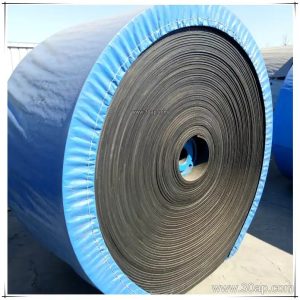
The EP1000 Conveyor Belt is a heavy-duty fabric-core belt built around polyester (EP) warp and nylon weft cords. The number 1000 refers to the nominal tensile strength per millimetre of belt width, so this is a high-strength grade within the EP family. It is often described as an EP Fabric Core Conveyor Belt or simply an EP Conveyor Belt, and it sits above EP200, EP400 and EP630 in load capacity while remaining more flexible than a Steel Cord Conveyor Belt of comparable strength.
Because the carcass uses polyester in the warp direction, the belt shows low stretch under tension and good resistance to moisture. The nylon weft gives impact tolerance and troughability. This combination makes the EP1000 a practical choice where long centre distances, heavy lumps or continuous duty are expected.
Construction and Typical Specifications
An EP1000 belt usually contains two to six plies of EP fabric, protected by rubber covers on both faces. Cover thickness is selected to suit the material carried; common combinations include 4+2 mm, 5+2 mm and 6+2 mm, with 8+3 mm used in severe abrasion conditions. Buyers should confirm ply count and cover grade with the supplier rather than assume a single build.
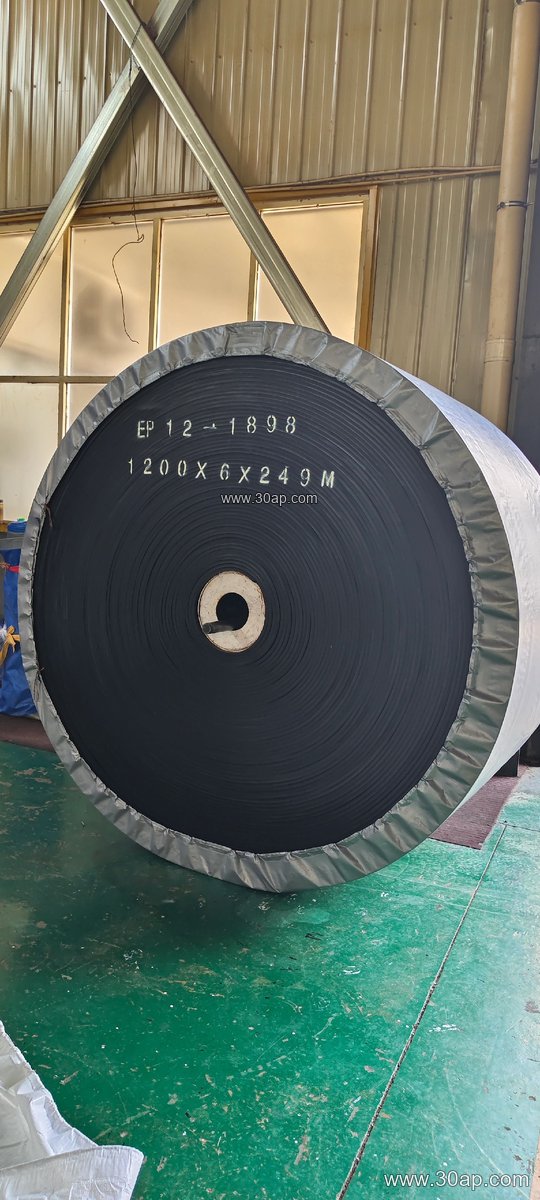
The table below shows reference values often quoted for this grade. They are indicative and should be verified against the actual design requirements.
| Property | Common Reference |
|---|---|
| Belt grade | EP1000 |
| Carcass | 2 to 6 EP plies |
| Belt width | B650 to B2000 |
| Cover thickness | 4+2, 5+2, 6+2, 8+3 mm |
| Surface options | Plain, abrasion resistant, flame retardant, heat resistant |
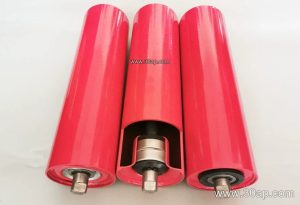
Widths such as 800mm, 1000mm, 1200mm and 1400mm are frequently used in bulk handling, but the correct width depends on the conveyor frame, the conveyor pulley dimensions and the idler roller arrangement, not on the belt grade alone.
Where It Fits in the Plant
The EP1000 is at home in mines, coal preparation plants, cement works, power stations, quarries and sand and gravel yards. It often serves as a main haulage belt after a crusher, where a Crusher Conveyor Belt must absorb impact from large rock while keeping a steady discharge. In a coal mining conveyor line, a Flame Retardant Conveyor Belt and Anti-Static Conveyor Belt version is usually specified for underground use, while surface sections may use a standard EP Rubber Conveyor Belt with abrasion resistant covers.
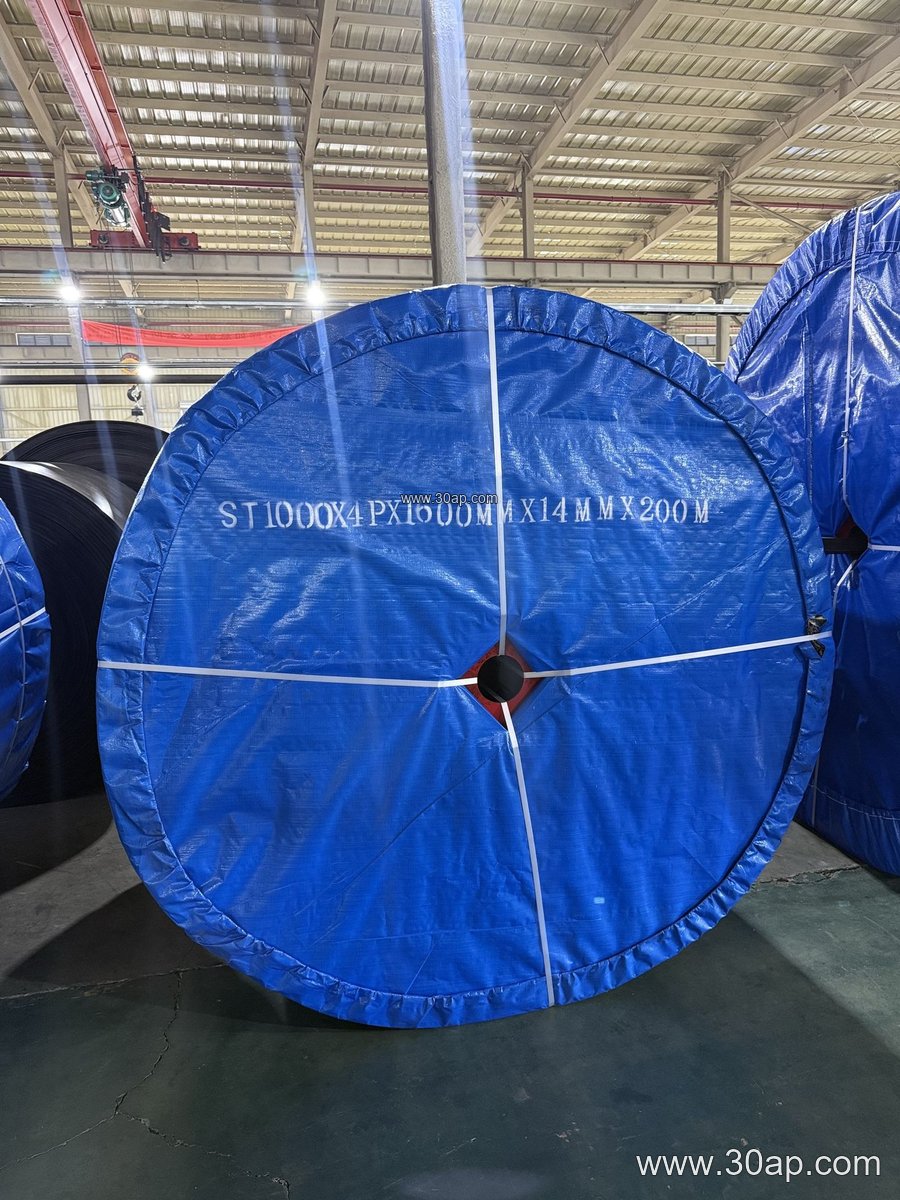
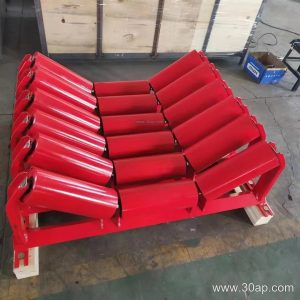
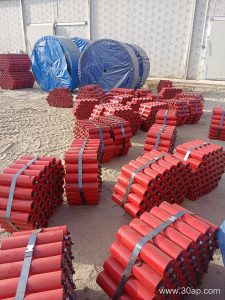
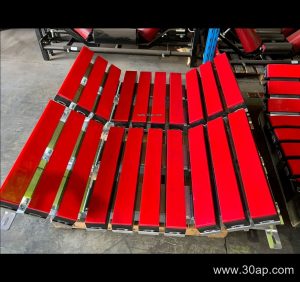
Other industries include steel plants handling iron ore and coke, ports moving bulk material, and recycling facilities sorting mixed waste. In each case the belt works alongside conveyor pulleys, idler rollers, conveyor brackets and a drive unit, so the whole conveyor, not just the belt, determines service life.
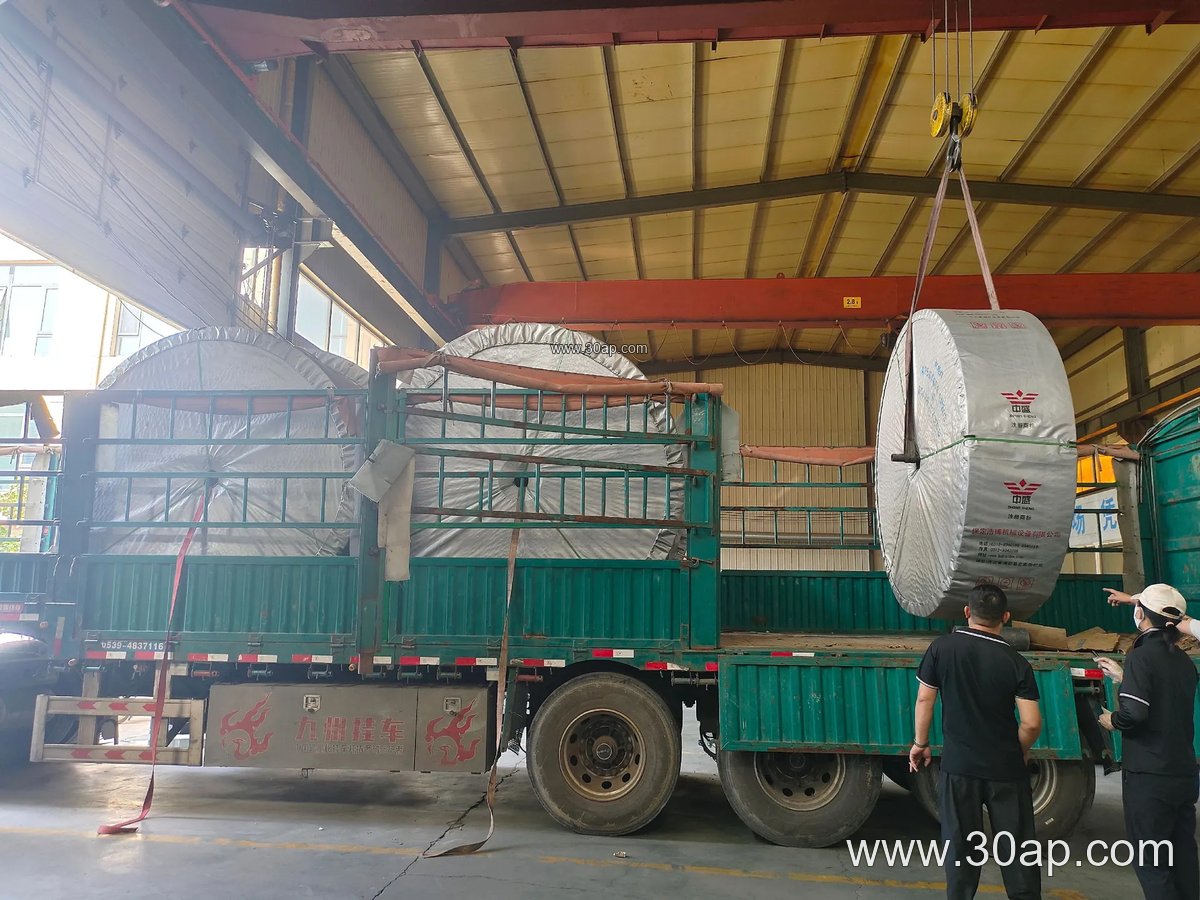
Selecting the Right Version
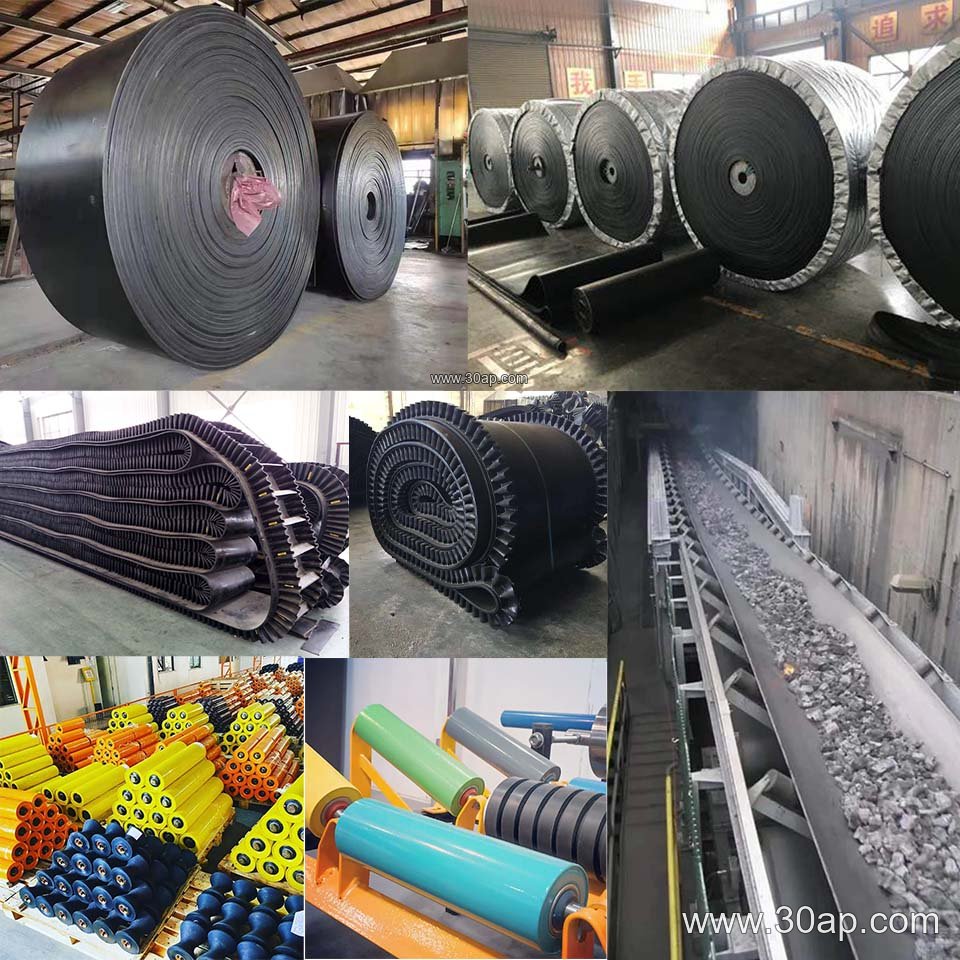
Not every EP1000 belt is the same. The cover compound matters as much as the carcass. A High Abrasion Resistant Conveyor Belt cover suits sharp stone and clinker; a Heat Resistant Conveyor Belt cover is needed near sinter or cement kiln discharge; an Oil Resistant Conveyor Belt cover protects against oily scrap or grain; and a Cold Resistant Conveyor Belt grade is used in freezing climates. Where the belt runs on a steep incline, a Chevron Conveyor Belt or a Corrugated Sidewall Conveyor Belt may be considered, but these are different surface designs and should not be treated as direct replacements for a plain EP1000.
For very high tensions above the EP range, an ST1000 or ST1250 Steel Cord Conveyor Belt may be compared, though a fabric belt often offers easier splicing and lower weight. Buyers should give the supplier the material type, lump size, throughput, incline, pulley diameters and ambient conditions so the ply count and cover can be matched properly.
Installation and Maintenance Notes
Correct alignment of the conveyor pulley and idler roller set prevents edge damage. Keep the belt tracking straight, avoid material spillage at transfer points, and inspect covers for cuts that could let moisture reach the EP fabric. Store spare belts away from direct sunlight and ozone sources. A well-matched EP1000 Conveyor Belt, combined with proper pulley lagging and regular inspection, can deliver long service in demanding bulk material handling.