What Rubber Pulley Lagging Does on a Conveyor
Rubber pulley lagging is the rubber layer bonded to the shell of a conveyor pulley to raise friction between the drum and the conveyor belt. Without it, a bare steel shell can slip when the belt is wet, dusty, or heavily loaded, and slip means heat, wear, and lost capacity. In a quarry, a coal washing plant, or a power plant coal yard, the drive pulley depends on this rubber surface to transmit torque without polishing the belt cover. The same material also protects the shell from abrasive carryback and can be renewed when it wears, which is far cheaper than replacing the drum.
The product is often called pulley lagging rubber, drum lagging, or rubber lagging sheet. All of these refer to the same item: a rubber layer supplied as a sheet or as a pre-formed strip, bonded to a pulley shell by cold adhesive or hot vulcanization.
How the Lagging Is Built and Fitted
Most rubber pulley lagging starts with a rubber compound selected for abrasion resistance, oil resistance, or flame retardancy depending on the site. The compound is calendered to a controlled thickness, then either left smooth or molded with a pattern. Plain sheet is cut to the shell width and wrapped around the drum; patterned sheet is molded so the diamond or herringbone profile is already formed.
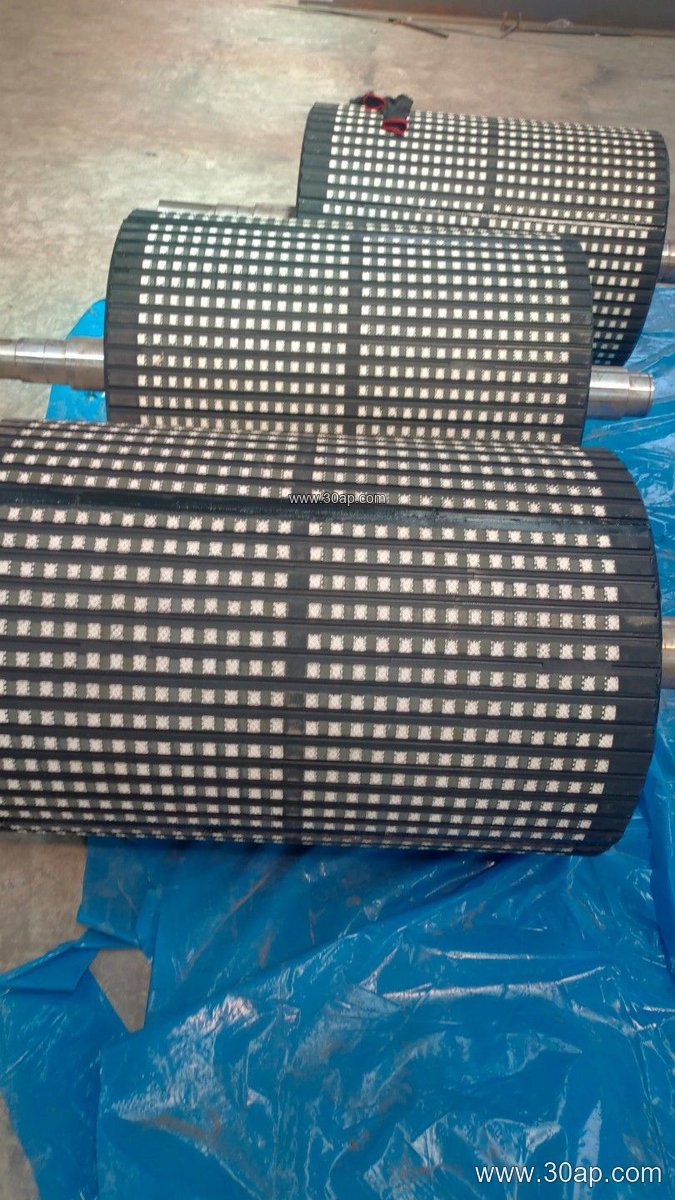
Bonding is the critical step. Cold-bonded lagging uses a two-part adhesive and needs a clean, roughened shell, correct surface temperature, and enough curing time before the belt runs. Hot-vulcanized lagging is applied in a workshop or with a portable press, producing a stronger chemical bond and a seamless joint. Field-applied strips are common when a drum cannot be removed, but the joint quality depends heavily on the fitter.
Thickness usually ranges from 8 mm to 20 mm. Thicker lagging tolerates more wear and gives more depth for grooving, while thinner sheet suits smaller diameters where bending stiffness matters. Common pulley diameters run from about Ø200 mm to Ø1800 mm, and shell widths generally exceed belt width, for example a B800 belt on a roughly 950 mm wide shell or a B1200 belt on about 1400 mm. These are typical relationships, not fixed rules, and final dimensions come from the conveyor design.
Surface Patterns and Where They Help
The surface form decides how the lagging behaves in service.
- Smooth lagging gives full contact and is often chosen for bend and snub pulleys where the goal is protection rather than grip.
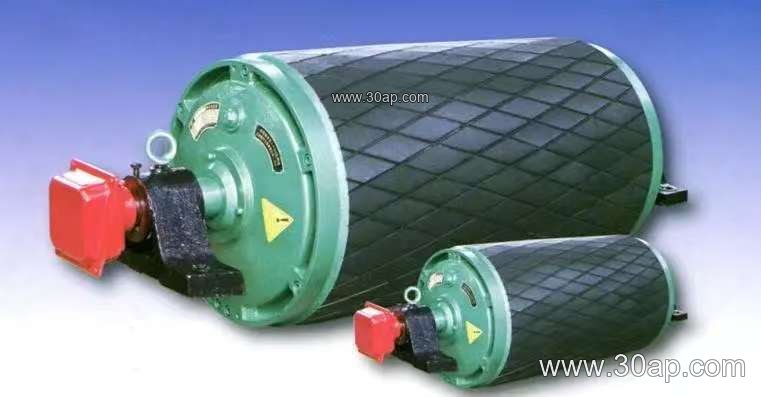
- Diamond lagging provides edges that squeeze out water and fines, which helps on wet drive pulleys in aggregate and sand plants.
- Herringbone lagging is directional and sheds water sideways, a common choice on head pulleys handling slurry-prone material.
- Ceramic lagging embeds hard tiles in rubber for very high traction where abrasive rock and high tension combine.
Pattern choice should follow the duty. A tail pulley on a crusher discharge sees impact and fines, while a drive pulley on an inclined conveyor sees the highest torque demand. Matching the pattern to the position is more useful than choosing the most aggressive surface everywhere.
Traction, Belt Life, and the Rest of the System
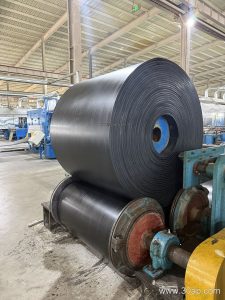
Lagging works together with the belt, not in isolation. A worn, glazed Rubber Conveyor Belt cover grips poorly no matter how good the drum surface is, and an over-tensioned belt accelerates both lagging wear and splice fatigue. On long overland systems using Steel Cord Conveyor Belt, the drive pulley lagging must handle high tension without generating excessive heat. On shorter aggregate lines with EP Conveyor Belt or NN Conveyor Belt, a moderate diamond pattern usually balances grip and belt cover wear.
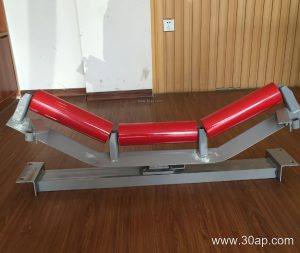
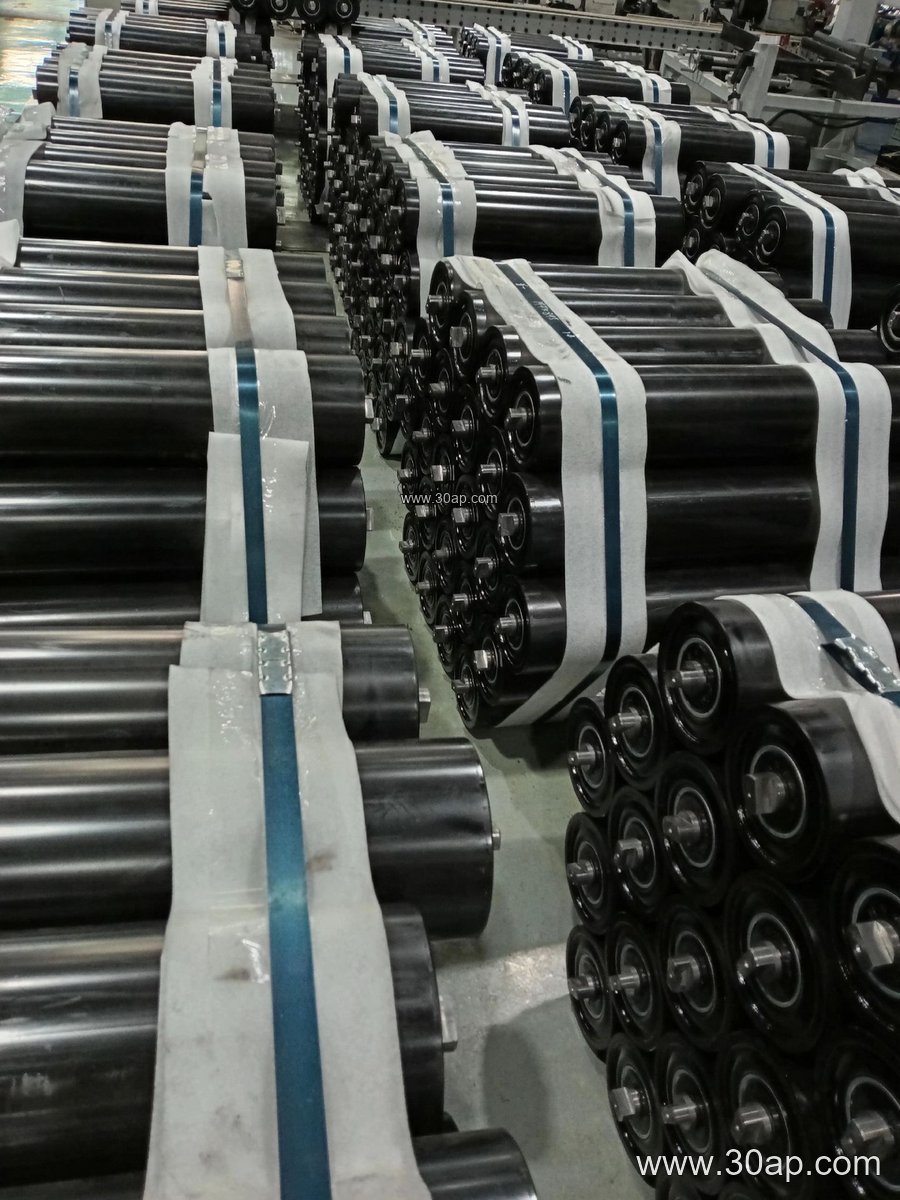
Alignment matters too. A skewed conveyor bracket or a seized idler roller can cause the belt to run off-center, and the resulting edge load destroys lagging quickly. Checking the conveyor pulley, the idler roller frames, and the belt tracking before blaming the lagging saves time and money. In coal mining and underground work, flame retardant grades are specified for the belt and should be considered for the lagging as well.
What a Buyer Should Check
Start with the pulley position: drive, tail, bend, take-up, or snub. Each has different demands, and a drive pulley is not interchangeable with a tail pulley in specification or in function. Then confirm the shell diameter and face width, the required lagging thickness, and whether cold bond or hot vulcanization suits the maintenance window. Ask for the rubber hardness and abrasion data, and confirm the compound suits the carried material, whether that is hot clinker, oily scrap, or wet limestone.
For reference, typical combinations include B800 × Ø500, B1200 × Ø1000, and B1400 × Ø800, with shaft diameters commonly between Ø50 and Ø200 mm determined by torque and load rather than belt width alone. Buyers should request the actual drawing values instead of assuming a size pairing. Finally, plan the renewal interval: lagging is a wear part, and keeping a spare sheet or strip on site shortens downtime in a busy port terminal or cement plant.