Understanding the Belt Conveyor Return Idler
On the underside of a conveyor belt, the belt conveyor return idler performs a quiet but critical job. It supports the empty, returning belt span, keeping it aligned and preventing sag that would otherwise increase tension and wear. Unlike the carrying idlers on top, return idlers are typically simpler in design, often using a single flat roller or a V-shaped arrangement. Their condition directly affects belt tracking, energy consumption, and overall conveyor reliability, especially in demanding settings like coal mines, cement plants, and power station coal yards.
Construction and Key Components
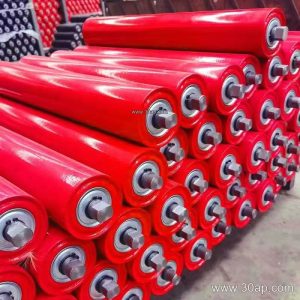
A standard return idler roller consists of a steel tube shell, bearing housings, a shaft, and a sealing system. The shell material is usually steel, but nylon or rubber-disc types exist for specific needs. Bearings such as 6204, 6205, or 6305 are common in smaller diameters, while 6308 or 6310 may appear on heavier units. The seal design is vital: in dusty environments like a quarry or crushing circuit, effective labyrinth seals keep grit away from the bearings. The shaft diameter is determined by load and bearing selection, not by belt width alone.
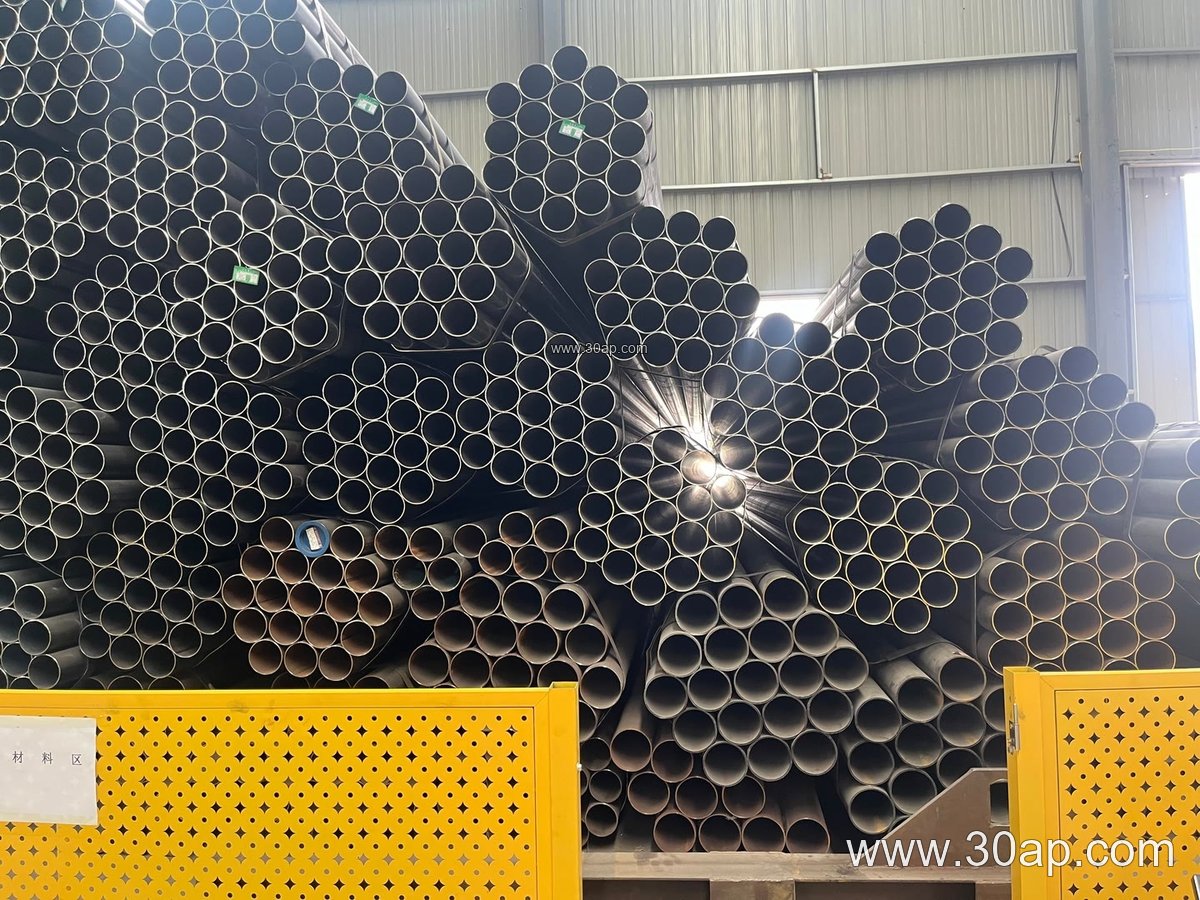
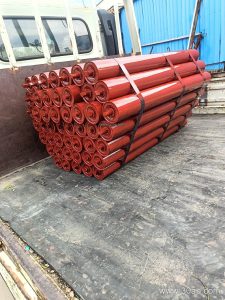
Roller diameters commonly include Ø63, Ø76, Ø89, Ø102, Ø108, Ø127, Ø133, Ø159, and larger sizes up to Ø219 for very wide or heavy-duty belts. The idler length matches the belt width and the specific return arrangement, but no single length is fixed for a given belt width. For a flat return, the roller face is generally slightly wider than the belt. V-return idlers use two rollers set at an angle to help center the belt.
Common Types of Return Idlers
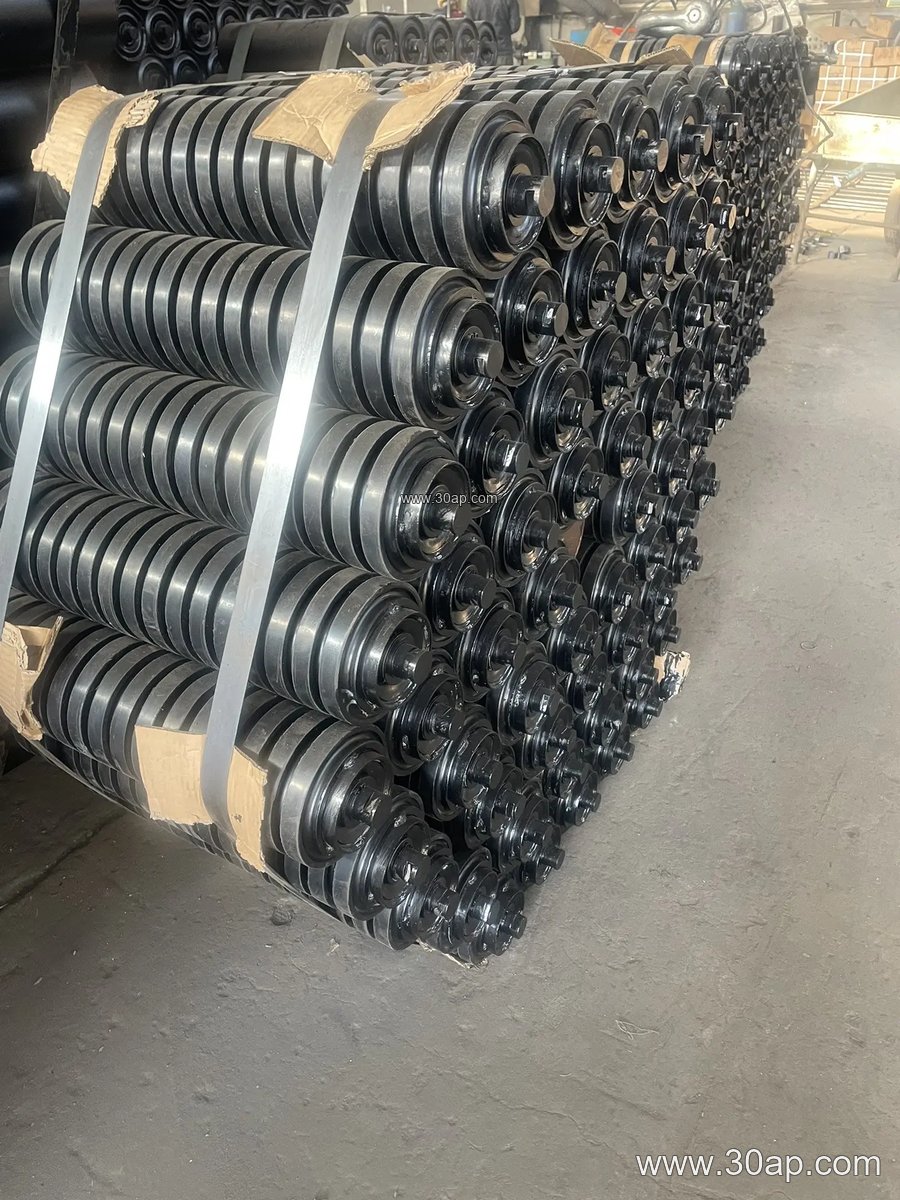
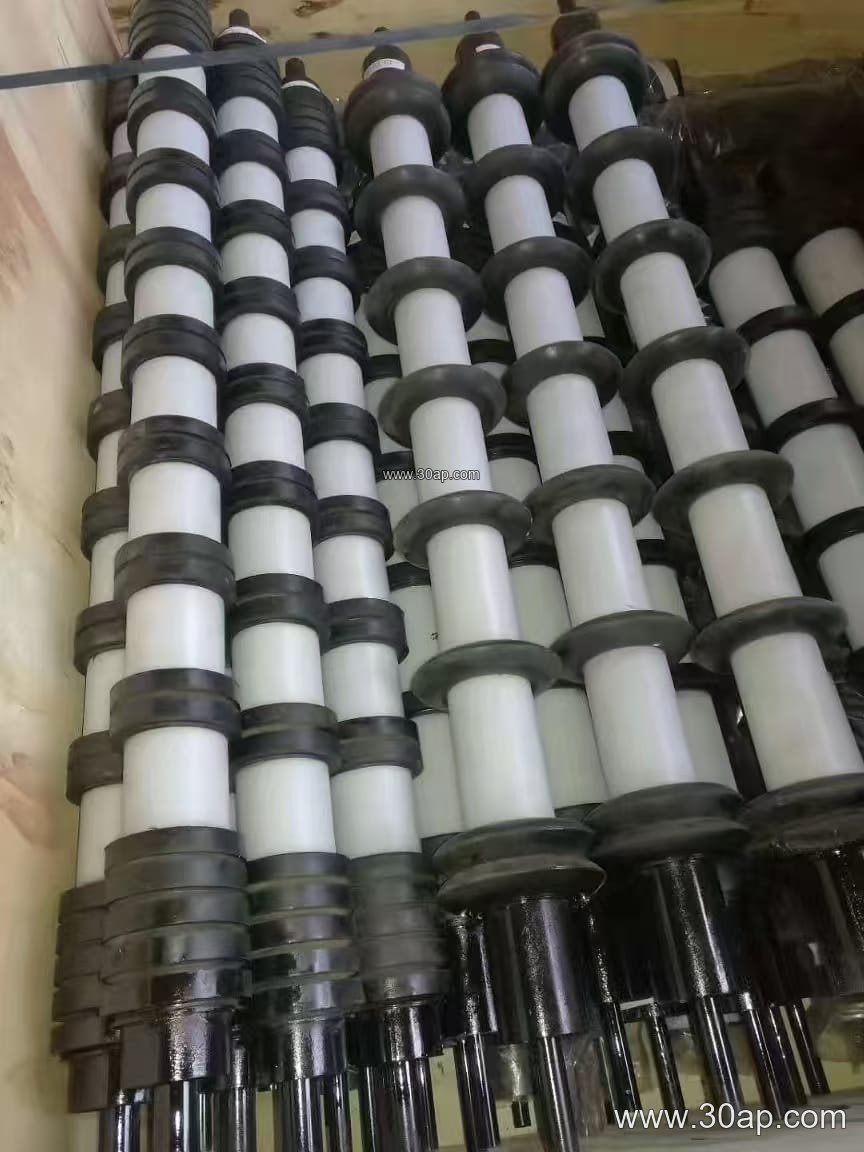
The most basic form is the flat return idler, a single roller under the belt. In dusty or wet conditions, a V-type return idler (also called V-return) is often preferred because its angled rollers naturally guide the belt toward the center. Spiral return idlers with a helical rubber or steel surface help shed sticky material and reduce buildup on the roller face. For wider belts or where belt training is a constant concern, two-roller or three-roller return sets can be used. Rubber-disc return rollers offer some cushioning and are less likely to build up material in certain applications.
Where Return Idlers Are Used
These components are essential in bulk material handling across many industries. In a coal mining conveyor system, return idlers must cope with coal dust and moisture while maintaining belt alignment. A cement plant uses them on clinker and raw meal belts, where abrasive dust is unavoidable. Power plants rely on return idlers on coal feed lines, and aggregate operations in sand and gravel pits use them under crusher discharge belts. Port facilities handling iron ore or copper ore also depend on robust return idlers to keep long overland conveyors running. The belt itself may be an EP conveyor belt, a steel cord conveyor belt, or a flame retardant conveyor belt, but the return idler’s role remains the same.
Selection and Sizing Considerations
Choosing the right belt conveyor return idler involves matching the roller diameter, length, bearing, and seal to the application. A common approach is to review the belt width, belt speed, and the weight of the returning belt. For reference, typical belt widths include B500, B650, B800, B1000, B1200, B1400, B1600, B1800, and B2000. Larger widths such as B2200 or B2400 may require heavier return idler sets. The table below lists some common reference dimensions; these are not fixed pairings and should be confirmed by the conveyor designer.
| Belt Width (B) | Common Return Roller Diameter (Ø) | Typical Bearing |
|---|---|---|
| B500 | Ø63 – Ø89 | 6204, 6205 |
| B650 | Ø76 – Ø108 | 6205, 6305 |
| B800 | Ø89 – Ø127 | 6305, 6306 |
| B1000 | Ø102 – Ø133 | 6306, 6308 |
| B1200 | Ø108 – Ø159 | 6308, 6310 |
| B1400 | Ø127 – Ø178 | 6310 |
| B1600 | Ø133 – Ø194 | 6310 |
Note that idler length varies with the return arrangement and belt width. A flat return roller for B800 might be around 950 mm face length, but this is only an example. V-return rollers are shorter and angled. Always refer to the conveyor’s engineering drawing for exact dimensions.
Maintenance and Buyer Tips
Return idlers are often overlooked until a problem appears. Seized bearings or worn shells can cause belt mistracking, edge damage, and increased power draw. During inspections, check for roller rotation, unusual noise, and material buildup. In a coal mining conveyor or a cement plant, fugitive material can quickly pack around a return roller, so cleaning is part of routine care. When replacing, confirm the shaft diameter, bearing type, and seal class. Avoid mixing return idlers with bend pulleys or tail pulleys; they are not interchangeable. Also, do not assume a specific belt width dictates a single roller size — the conveyor’s load and speed matter just as much.
For buyers sourcing conveyor components, it helps to specify the belt width, belt speed, material being conveyed, and ambient conditions. Whether the belt is a heavy-duty mining conveyor belt, an abrasion resistant conveyor belt, or a heat resistant conveyor belt, the return idler should match the environment. A well-chosen return idler roller reduces downtime and extends the life of the entire conveyor system, from the drive pulley to the tail pulley.