What an Impact Resistant Idler Does
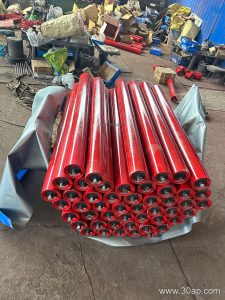
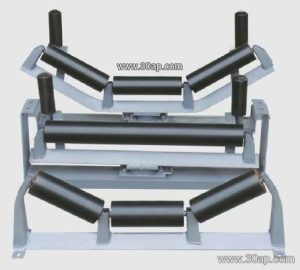
An impact resistant idler is a carrying roller built to absorb the force of falling material at a conveyor loading point. Where a standard troughing idler would take the full blow of lump ore, crushed stone or clinker, this buffer roller spreads the energy across rubber rings and a reinforced shell, protecting both the roller and the belt above it. In a quarry, a coal preparation plant or a cement kiln feed line, the difference between a plain idler roller and a buffer type often shows up within weeks of startup.
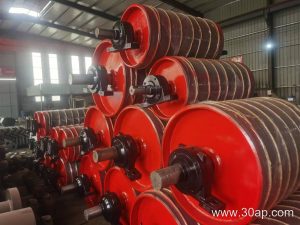
The same product is also called an impact idler or a buffer roller. Those names describe the same component; they are not a different family of roller. The impact resistant idler stays a carrying-side roller, and it should not be confused with a conveyor pulley at the drive, tail or bend position, which performs a completely different job.
How the Roller Is Built
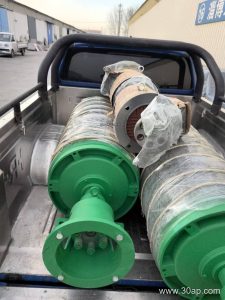
The core is usually a heavy-wall steel tube, fitted with rubber rings or a rubber-covered surface that cushions the fall of material. Rings are spaced along the shell so the belt is supported between them, and the rubber can be replaced or the whole roller swapped when wear becomes uneven. Bearings are sealed against dust and water, a point that matters in stone crushing and sinter plants where fines are constant.
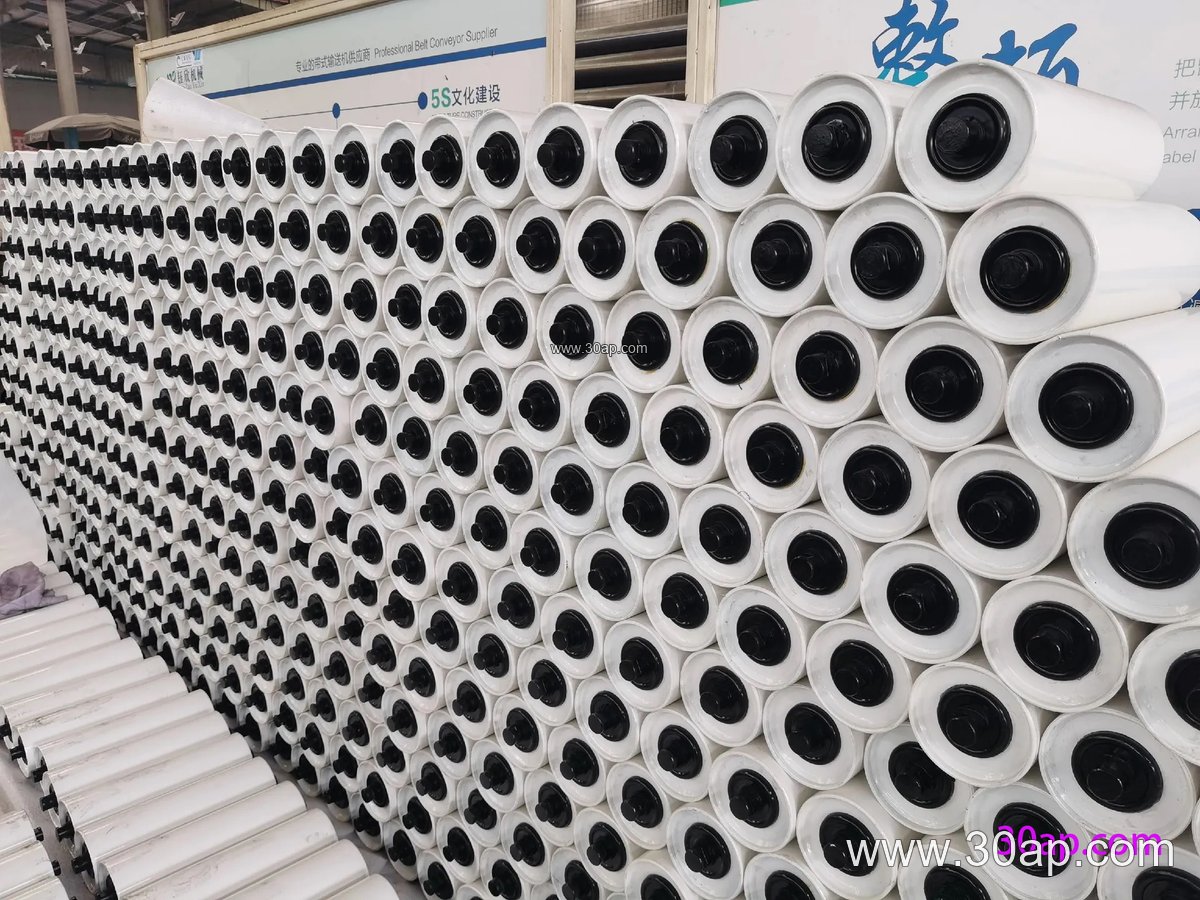
- Shell: thick steel tube, sometimes with a wear-resistant coating
- Surface: stacked rubber rings or a continuous rubber sleeve
- Bearing housing: sealed, grease-retained design
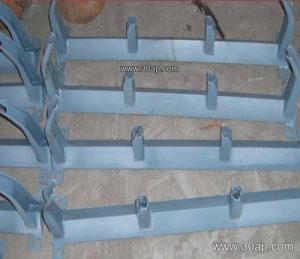
- Mounting: set in a troughing frame or a dedicated buffer frame
Common roller diameters for this duty include Ø89, Ø108, Ø133, Ø159 and Ø178 mm, with larger sizes used where lumps are heavy. Bearing numbers such as 6205, 6305 or 6308 appear in many designs, but the bearing must be matched to the actual load and shaft, not guessed from belt width alone.
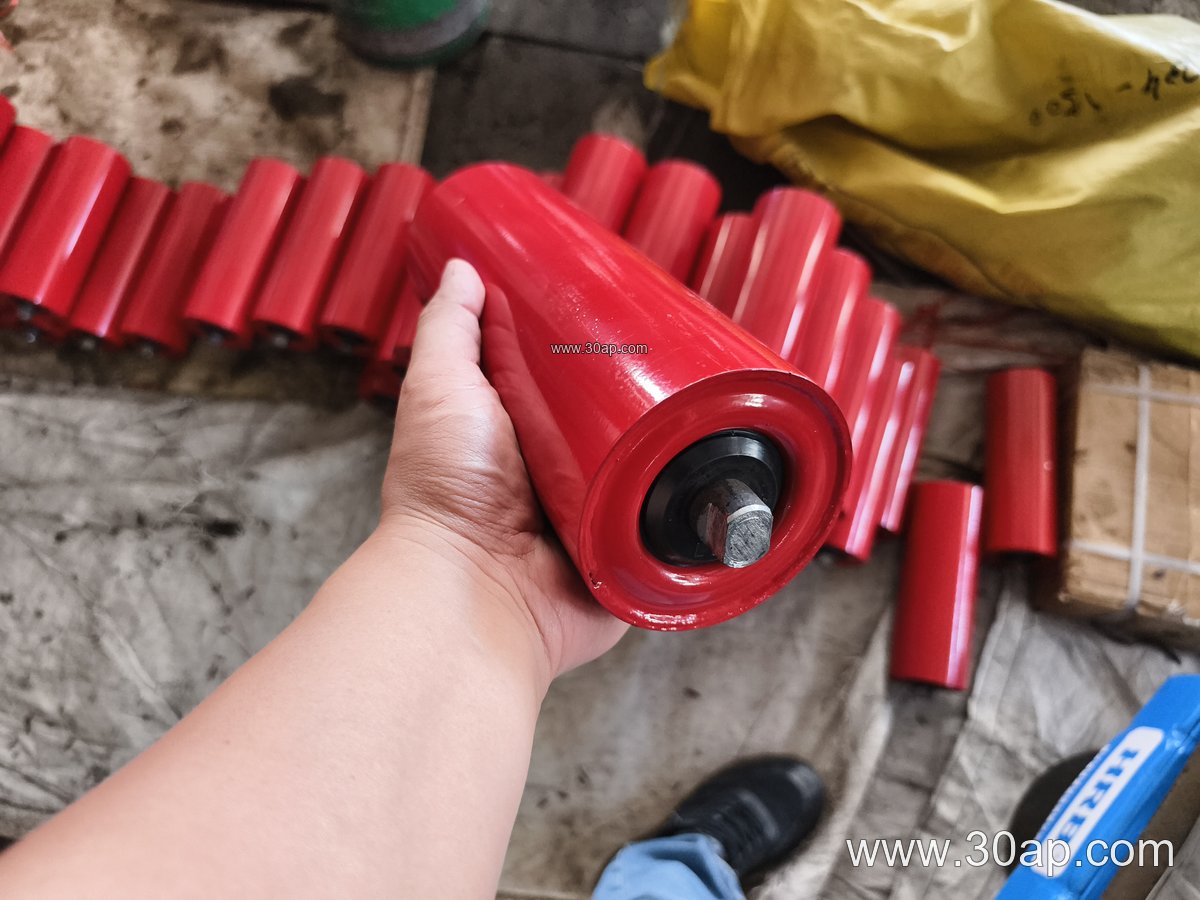
Where It Fits on the Conveyor
The buffer idler belongs under the skirted loading zone, just after the feed chute, and sometimes under a transfer point where a second conveyor drops material onto the first. In an iron ore or copper ore line, the drop height and lump size decide how many buffer positions are needed. A typical arrangement uses several impact idlers in a row, followed by standard troughing idlers, with transition idlers easing the belt into the full trough angle.
Buffer rollers are not a substitute for return rollers or self-aligning rollers. A V-return idler or a flat return roller handles the empty strand, while a friction self-aligning idler corrects belt tracking. Each has its own place, and mixing them up leads to poor support and premature belt damage.
Sizes, Angles and Frame Matching
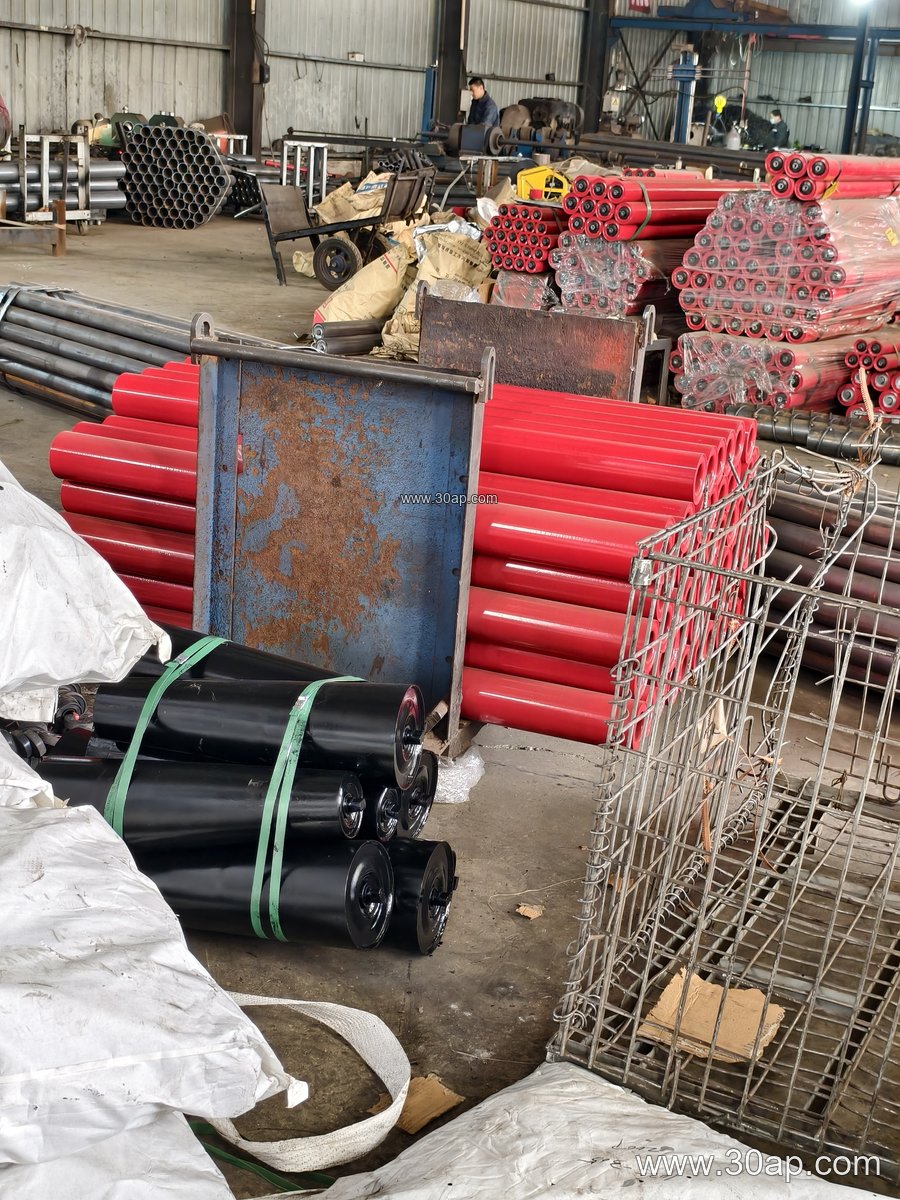
Roller length follows belt width, trough angle and frame type. Three-roll troughing sets are common, and the table below gives typical examples rather than fixed rules. Side rollers and the centre roller may differ in length, and the final figure should come from the conveyor design.
| Belt width | Typical roller length (three-roll trough) | Trough angle options |
|---|---|---|
| B500 | about 200 mm | 20°, 30°, 35° |
| B650 | about 250 mm | 20°, 30°, 35° |
| B800 | about 315 mm | 30°, 35°, 45° |
| B1000 | about 380 mm | 30°, 35°, 45° |
| B1200 | about 465 mm | 30°, 35°, 45° |
| B1400 | about 530 mm | 35°, 45° |
| B1600 | about 600 mm | 35°, 45° |
| B1800 | about 670 mm | 35°, 45° |
| B2000 | about 750 mm | 35°, 45° |
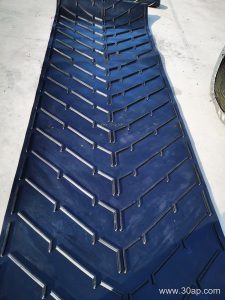
Heavier belts need stronger support. An abrasion resistant conveyor belt or a thick heavy-duty belt used in a primary crusher discharge will transfer more shock to the rollers, so buffer spacing and ring thickness deserve a second look. Where the material is hot, a heat resistant conveyor belt may run over the same frame, and the rubber rings should be chosen with temperature in mind.
Choosing and Maintaining Buffer Rollers
A buyer should start with the duty: lump size, drop height, throughput and belt speed. From there, confirm roller diameter, shaft size, bearing type and frame dimensions with the conveyor maker. On a coal mining conveyor belt or an underground mining conveyor belt, flame retardant properties of the belt and the roller surface both matter, and the buffer roller should suit the same environment.
Maintenance is mostly inspection. Check rubber rings for cuts and flattening, listen for bearing noise, and confirm the roller still turns freely after material buildup. Replacing worn rings early protects the belt cover and avoids a much larger repair. For matching belts and rollers, see conveyor idler and conveyor belt references, and keep spare buffer rollers on hand for the loading zone.