What the Sand Making Plant Conveyor Belt Does
A sand making plant moves a lot of abrasive material in a short time. Crushed stone, manufactured sand, and screened aggregate travel between the crusher, the sand maker, the vibrating screen, and the stockpile. The Sand Making Plant Conveyor Belt is the continuous loop that carries this load, and it works in a dusty, often wet environment where fines and sharp edges are constant. Choosing the right belt affects uptime more than almost any other single component on the line.
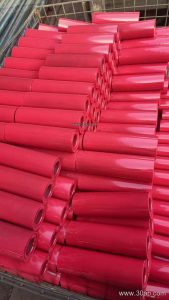
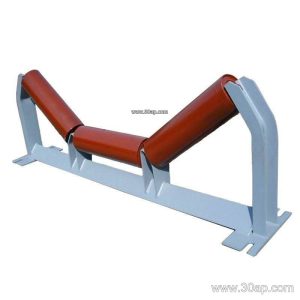
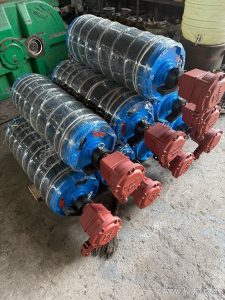
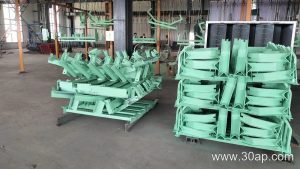
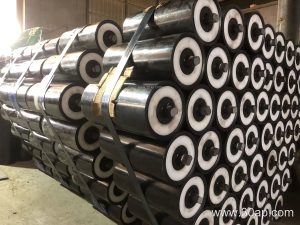
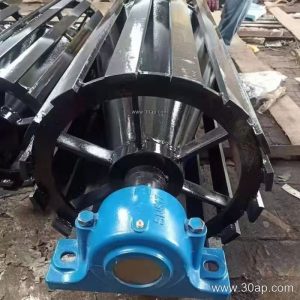
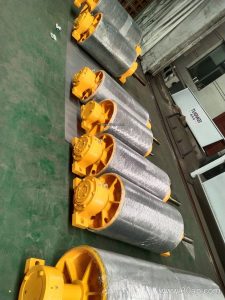
The belt is only one part of the circuit. It runs over a drive pulley, returns over a tail pulley, and is guided by bend pulleys and idler rollers. Conveyor brackets hold the idlers in line. These parts are not interchangeable: a drive pulley transmits torque, a tail pulley sets the return point, and a bend pulley changes direction. Each has its own job, and each must match the belt width and tension.
Construction of the Belt
Most belts used in aggregate and sand production are fabric-cored. An EP Conveyor Belt uses polyester warp and nylon weft, while an NN Conveyor Belt uses nylon in both directions. Both offer good fatigue resistance for repeated flexing over pulleys. For heavier loads and longer centres, a Steel Cord Conveyor Belt provides higher tensile strength in a thinner profile.
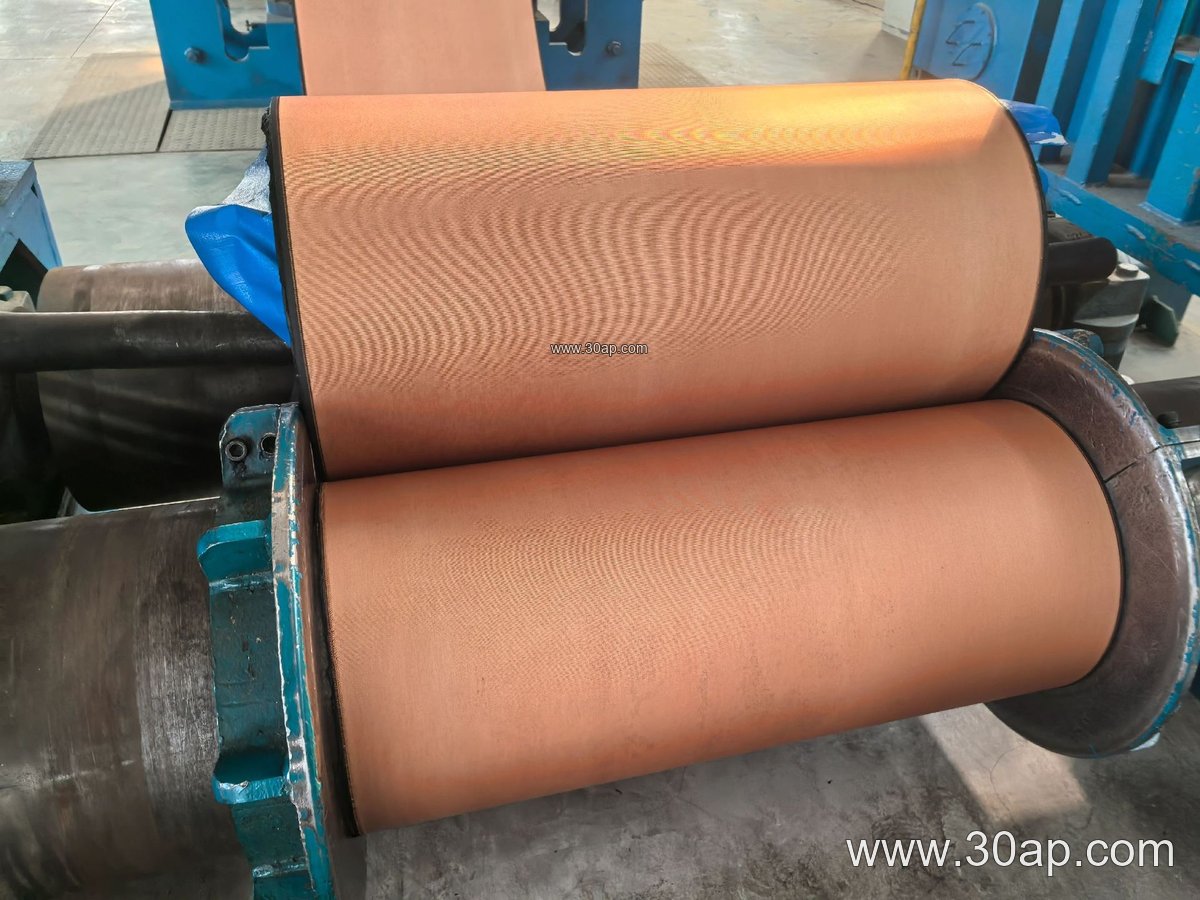
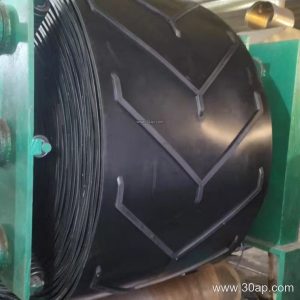
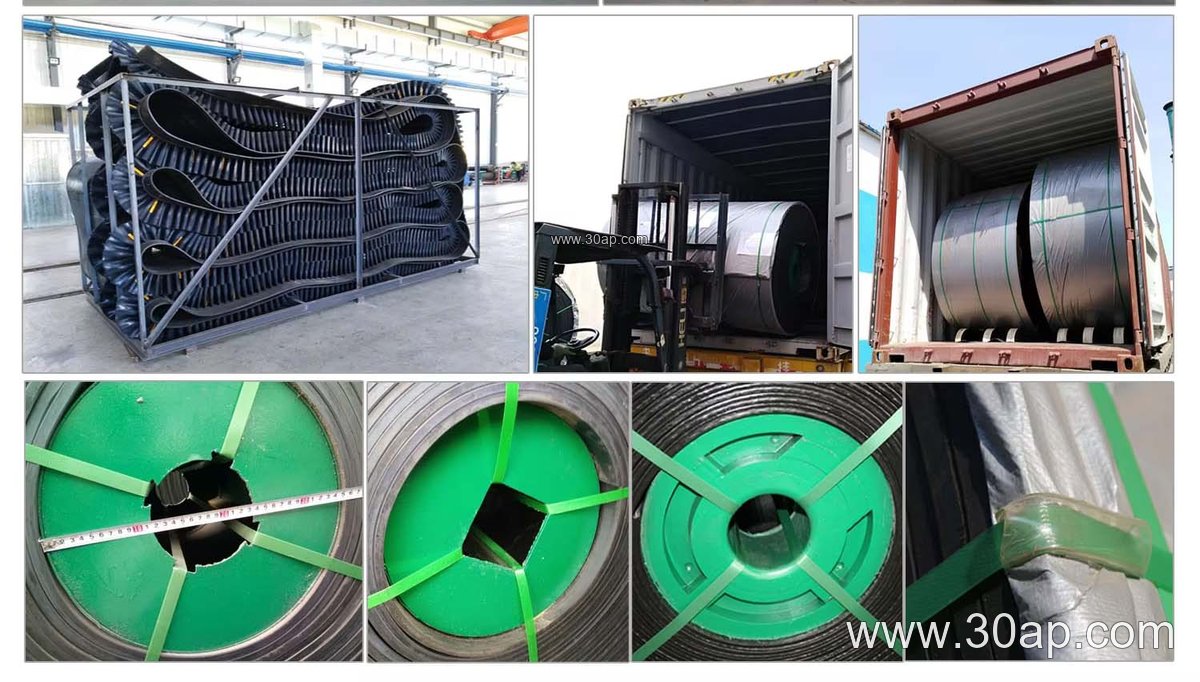
The cover rubber is the part that meets the stone. A typical construction is a top cover, a fabric core of two to six plies, and a bottom cover. Common cover combinations include 4+2 mm, 5+2 mm, and 6+2 mm, with thicker covers for high-impact transfer points. A high abrasion resistant grade is usual for sand and crushed rock, and a heat resistant cover may be needed after a dryer. Where the belt runs on an incline, a Chevron Conveyor Belt or a Corrugated Sidewall Conveyor Belt helps hold material in place.
Typical Specifications
Values below are common reference ranges, not fixed rules. Actual selection depends on tonnage, incline, lump size, and pulley diameters, which are set by the conveyor designer.
| Parameter | Common range |
|---|---|
| Belt width | B500, B650, B800, B1000, B1200, B1400, B1600 |
| Fabric strength | EP200, EP315, EP400, EP500, EP630, EP800, EP1000 |
| Steel cord strength | ST1000, ST1250, ST1600, ST2000 |
| Cover thickness | 3+1.5, 4+2, 5+2, 6+2, 8+3 mm |
| Core plies | 2 to 6 layers |
A wider belt is not automatically better. Belt width and pulley diameter are matched by calculation, not by a single rule, and one width can work with several pulley sizes. Do not assume a shaft diameter from the belt width alone.
Where It Fits in the Plant
Sand making plants sit close to quarries, cement works, and construction aggregate yards. A Quarry Conveyor Belt often shares the same duty as a Crusher Conveyor Belt feeding the sand maker. Downstream, an Aggregate Conveyor Belt carries finished sand to the screen or the stockpile. In mines and coal handling, a Flame Retardant Conveyor Belt or an Anti-Static Conveyor Belt may be required by site rules. Power plants and steel plants handling bulk material use similar belts, and a Pipe Conveyor Belt can be chosen where dust control and a curved route matter.
Dust, moisture, and fines are the main enemies. A skirted Conveyor Belt with rubber skirts at the load point reduces spillage, and an Impact Resistant Conveyor Belt grade protects the carcass where large lumps drop from the crusher.
Buyer Checklist
- Confirm the duty: abrasive sand, wet aggregate, or hot material after drying.
- Match belt strength and width to the conveyor design, not to habit.
- Check pulley and idler roller condition before fitting a new belt.
- Specify cover grade for abrasion, heat, oil, or flame resistance as needed.
- Ask for the splice method and expected belt length before ordering.
For more on matching belts with pulleys and frames, see conveyor belt and conveyor pulley references, and for roller layout check idler roller and conveyor bracket guidance. A well-matched Sand Making Plant Conveyor Belt keeps the sand line moving with fewer stoppages and less spillage.