What a 2000mm Conveyor Belt Is
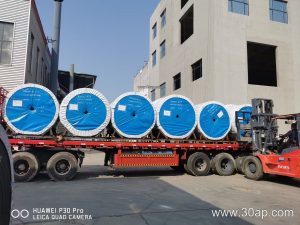
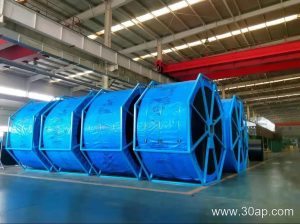
A 2000mm conveyor belt is a wide-profile belt designed for conveying lines that must move large volumes of bulk material in a single pass. With a nominal belt width of two meters, it sits among the widest standard categories used in heavy industries such as mining, coal preparation, cement plants, power stations, ports, and large sand and aggregate yards. The extra width allows a thicker material bed and higher throughput without pushing belt speed to extremes.
In practice, this product is often specified as a wide conveyor belt or extra-wide belt, and it can be supplied in several carcass constructions. The most common are fabric-core designs such as EP conveyor belt and NN conveyor belt, and high-tension steel cord conveyor belt for long, heavily loaded lines.
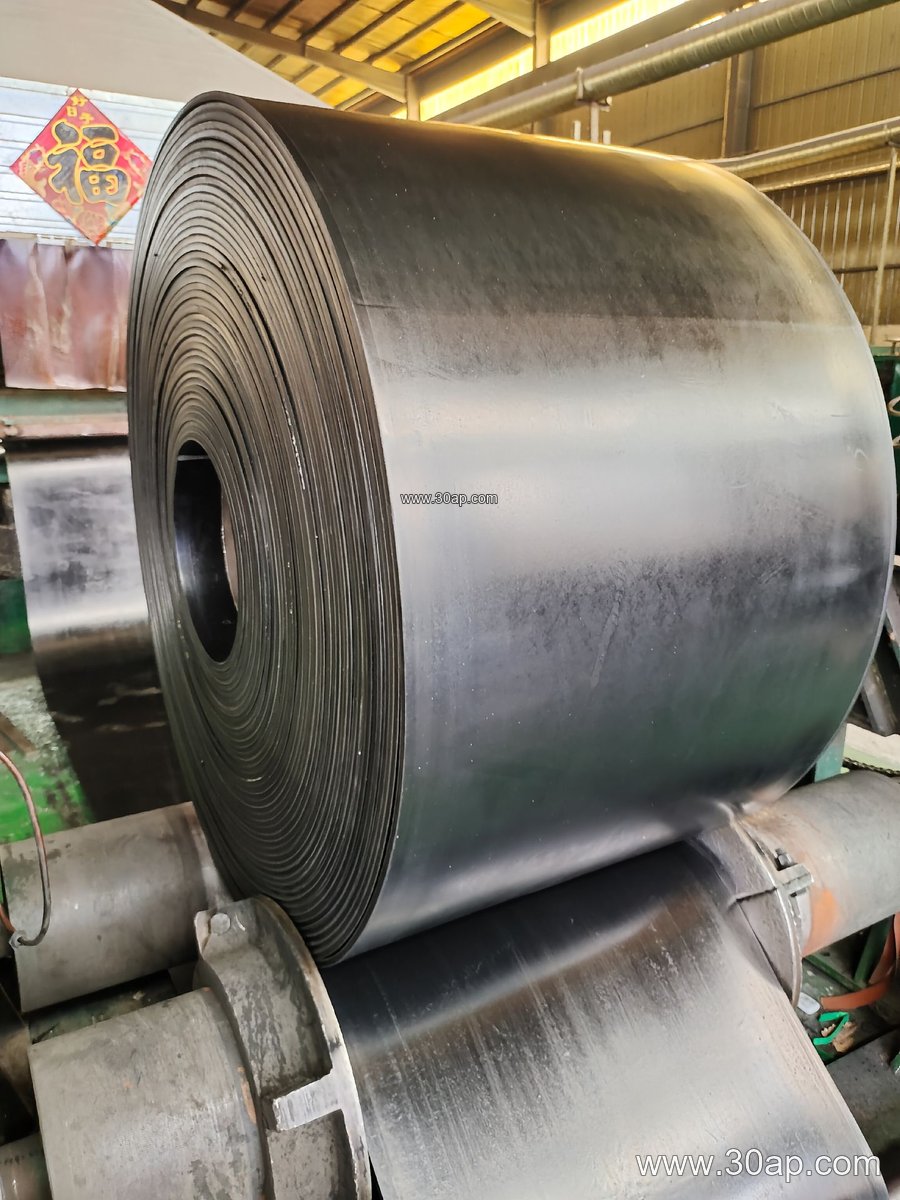
Construction and Common Configurations
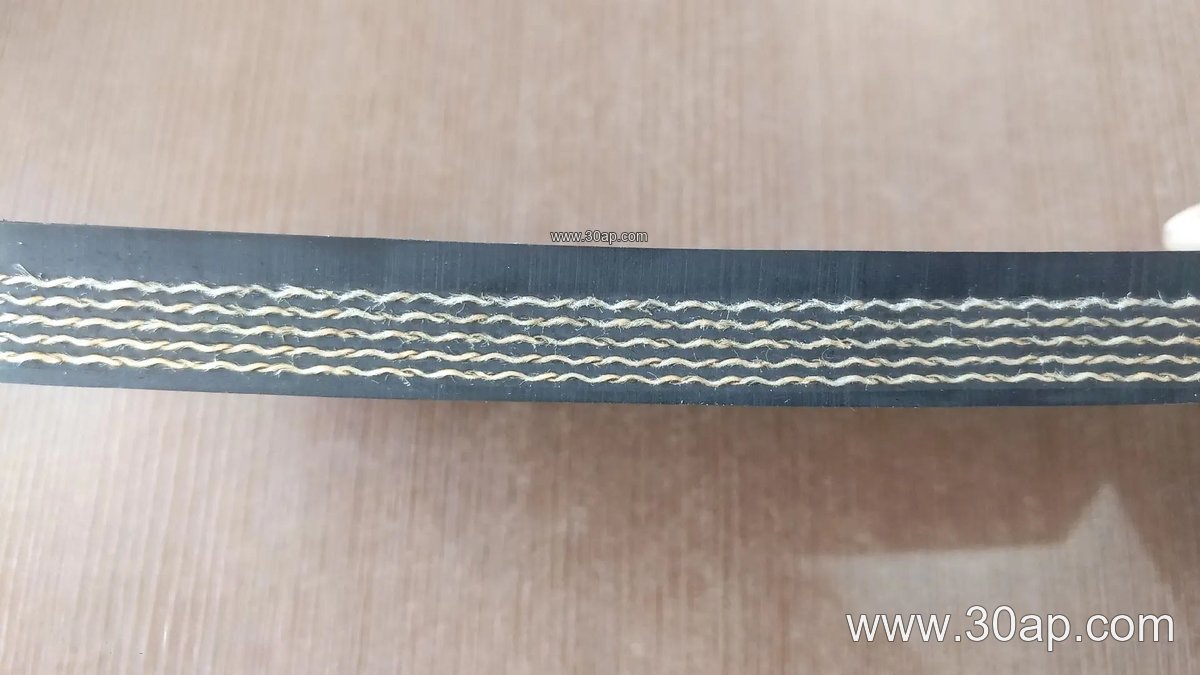
The belt body usually consists of a rubber cover on both faces, a fabric or steel cord tension layer, and an edge finish suited to the pulley and idler roller arrangement. For a 2000mm width, fabric carcasses are frequently built with multiple plies to keep the belt stable across its span, while steel cord versions use longitudinal cords for very high strength demands.
Cover thickness and compound choice depend on the duty. Common cover gauges include 4+2 mm, 5+2 mm, 6+2 mm, and 8+3 mm, with the top cover carrying most of the abrasion and impact. Buyers can also request special compounds such as abrasion resistant conveyor belt, heat resistant conveyor belt, oil resistant conveyor belt, flame retardant conveyor belt, cold resistant conveyor belt, and anti-static conveyor belt.
| Parameter | Typical Reference Range |
|---|---|
| Belt width | 2000 mm (B2000) |
| Carcass options | EP, NN, steel cord, PVC/PVG where applicable |
| Fabric ply count | 2 to 6 plies, depending on design |
| Strength grades (EP examples) | EP200, EP400, EP630, EP800, EP1000, EP1250, EP1600 |
| Steel cord grades (examples) | ST1000, ST1600, ST2000, ST2500 |
| Cover thickness examples | 4+2, 5+2, 6+2, 8+3 mm |
These values are reference data; actual construction is confirmed by the belt designer for each conveyor.
Where It Fits in the Plant
Wide belts are common on main haulage and transfer lines. In a coal mining conveyor belt system, a 2000mm unit may feed a crushing station or link a stockyard to a train loading point. In cement plants, it can carry clinker or limestone from a crusher conveyor belt to a storage silo. Power plants use similar widths on coal conveyor belt routes, while quarry conveyor belt and aggregate conveyor belt circuits rely on them to handle large rock loads after primary crushing.
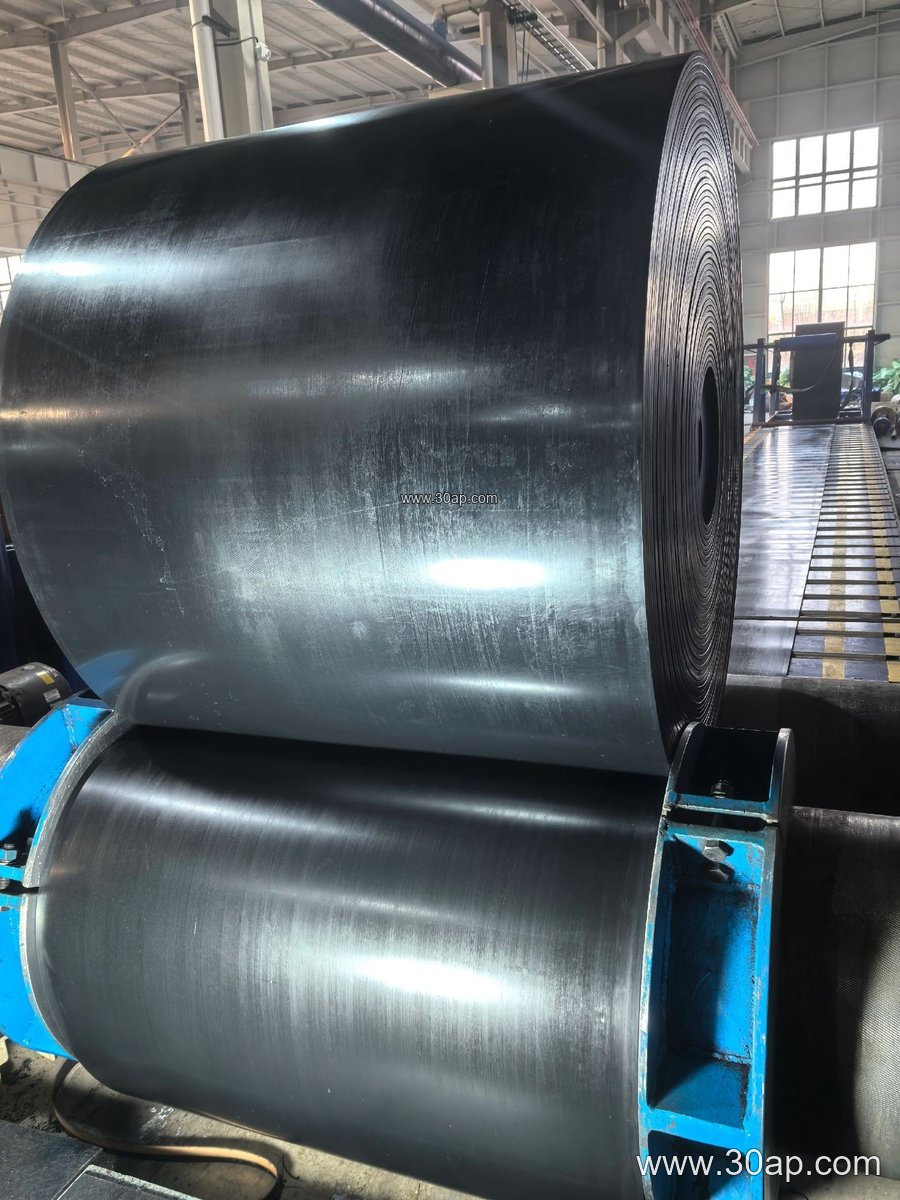
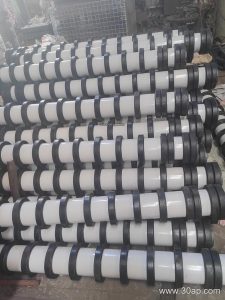
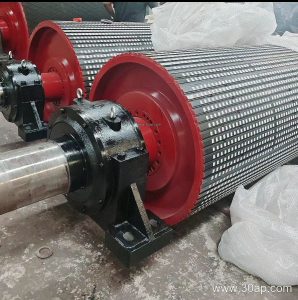
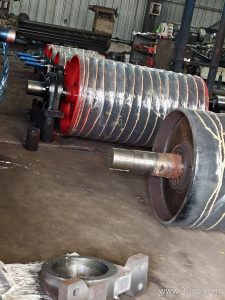
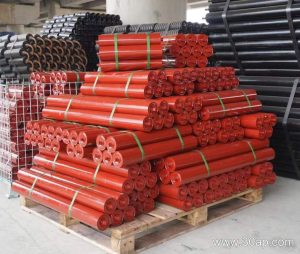
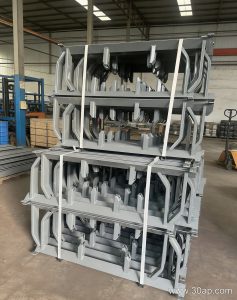
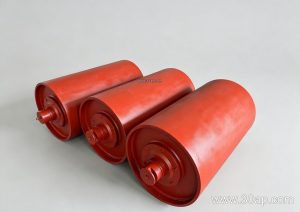
Because the belt is wide, the supporting conveyor pulley, idler roller, and conveyor bracket layout must be matched to the load profile. A drive pulley, a tail pulley, and a bend pulley each have a distinct role and are not interchangeable. The same applies to idler types: a troughing idler, impact idler, and return idler are selected for different positions.
Selection Points for Buyers
- Confirm the required strength grade and safety factor against the actual tension, not belt width alone.
- Match the cover compound to the material: hot clinker calls for a heat resistant grade, oily scrap for oil resistant, and underground coal for flame retardant and anti-static properties.
- Check pulley face width and lagging so the 2000mm belt tracks correctly.
- Review the transition distance and idler spacing; a wide belt needs proper support to avoid edge damage.
- For steep inclines, consider a chevron conveyor belt or corrugated sidewall belt, but note these are separate designs, not substitutes for a flat 2000mm belt on the same line.
Installation and Maintenance Notes
A belt of this width is heavy and stiff, so splicing and tensioning need careful planning. Keep the drive pulley, tail pulley, and bend pulley aligned, and inspect idler roller shells for seizure that can groove the belt. Check skirt rubber and edge wear regularly, especially in abrasive rock and ore service. Store spare belt rolls flat and protected from sunlight and ozone.
For more details on compatible components, visit www.beltconveyorparts.com for conveyor belt, idler roller, and conveyor pulley reference information.