What a Tail Pulley Does
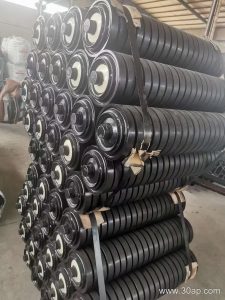
A tail pulley is the drum at the rear end of a conveyor, where the belt turns back after discharging its load. It is not a drive pulley, and it is not a bend pulley. Its main job is to support and guide the return strand, maintain belt tension in many layouts, and help keep the belt tracking correctly. In a typical quarry conveyor or a cement plant clinker line, the tail pulley sits opposite the head drive and works with the conveyor belt, idler roller and conveyor bracket to keep material moving smoothly.
Construction and Surface Options
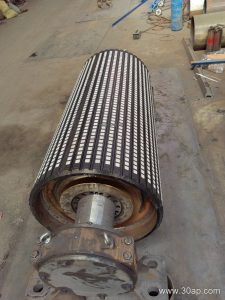
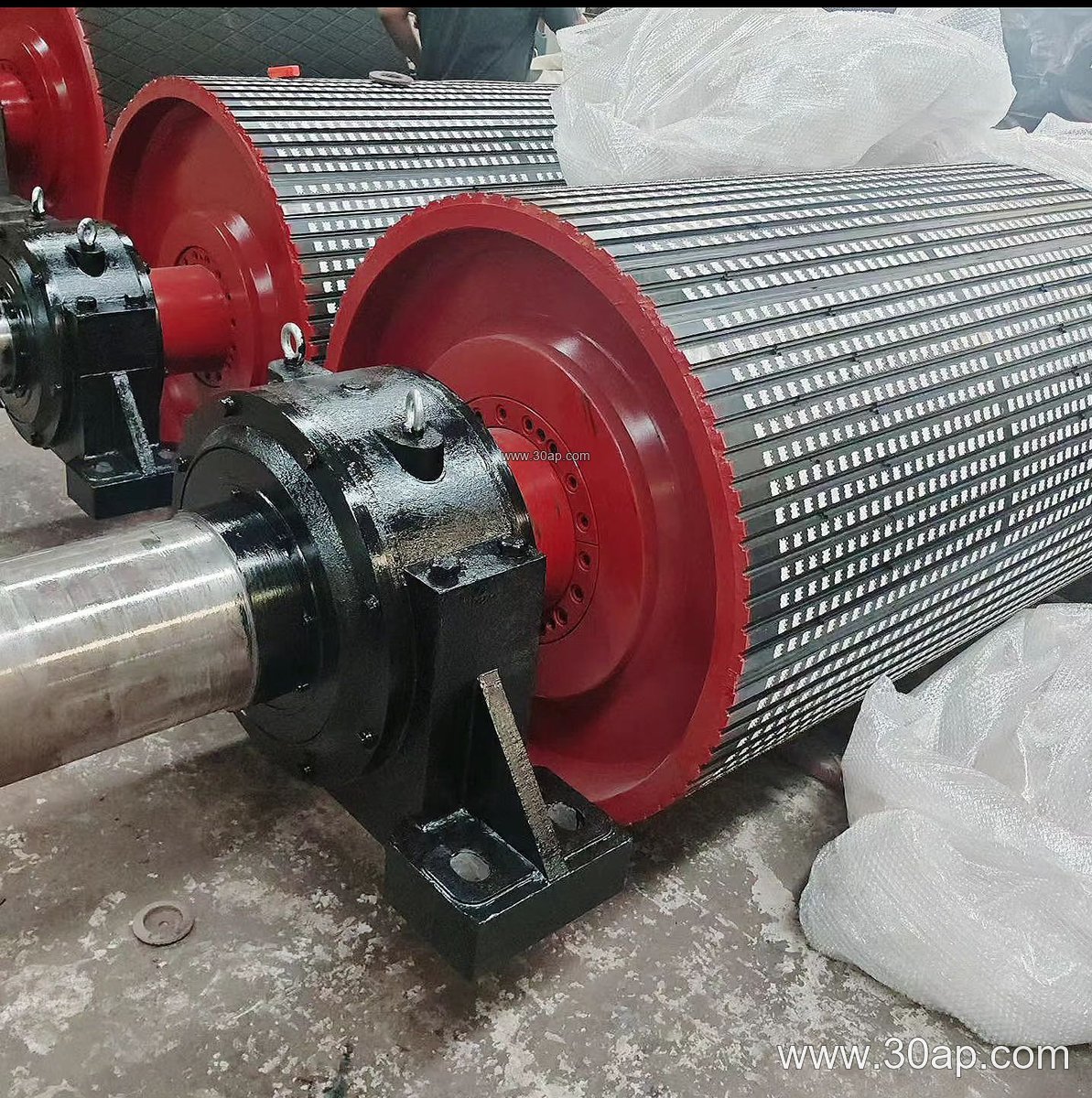
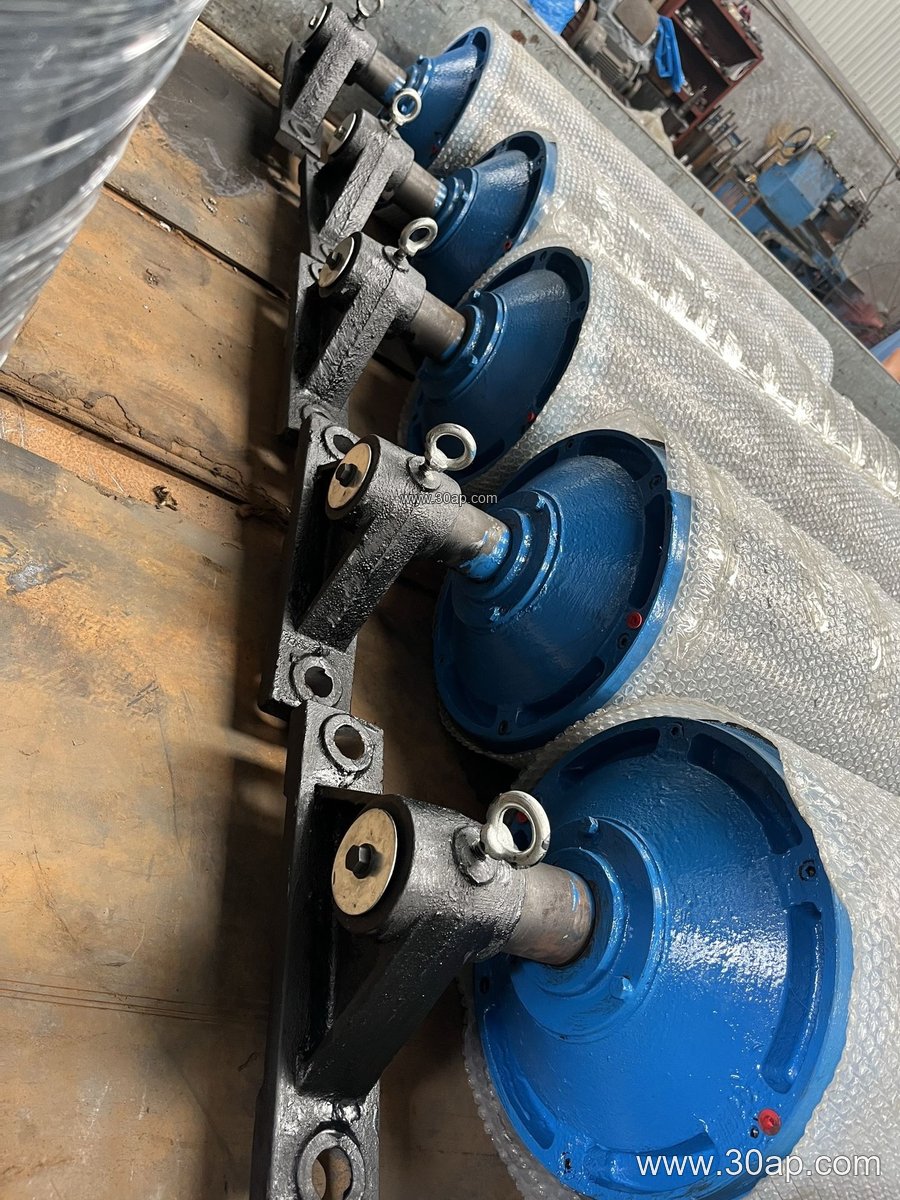
Most tail pulleys are built as a steel drum with a shaft, bearing housings and a lagged surface. The lagging protects the shell and improves grip or wear resistance. Common surface forms include plain, cold-bonded rubber, hot vulcanized rubber, diamond lagging and ceramic lagging. For abrasive service such as a copper ore or iron ore conveyor, a rubber lagged or ceramic lagged tail pulley can extend service life. In coal mining or underground coal mining, flame retardant and anti-static properties of the belt are important, and the pulley surface should be selected to match the duty.
Typical reference dimensions for tail pulleys follow the belt width and the required shaft load. Common belt widths include B500, B650, B800, B1000, B1200, B1400 and B1600. The pulley face width is usually slightly wider than the belt; for example, a B800 conveyor often uses a pulley face around 950 mm, and a B1200 belt around 1400 mm. Diameters are commonly Ø250, Ø315, Ø400, Ø500, Ø630, Ø800 and Ø1000, but the final size depends on belt tension, wrap angle and shaft torque. Shaft diameters are often Ø60, Ø80, Ø100, Ø120 or Ø140, selected by torque and load rather than by belt width alone.
Common Reference Combinations
- B800 × Ø500 tail pulley with 10 mm rubber lagging
- B1200 × Ø1000 tail pulley with diamond lagging
- B1400 × Ø800 tail pulley for a long overland conveyor
- B650 × Ø400 tail pulley in a small aggregate line
These are examples only. A B1200 belt can work with different pulley diameters depending on the conveyor design.
Where It Fits in the System
Tail pulleys appear in many bulk handling industries. In a sand and gravel plant, they are often found on the return end of a crusher conveyor or a screen feed belt. In a power plant coal yard, a tail pulley may be part of a coal conveyor that uses a flame retardant conveyor belt and heavy-duty idler rollers. In a port ship loading system, a large tail pulley can handle a wide belt such as 1800 mm or 2000 mm, while a smaller aggregate conveyor may use 650 mm or 800 mm. The tail pulley also works with conveyor brackets and take-up frames to keep the belt aligned.
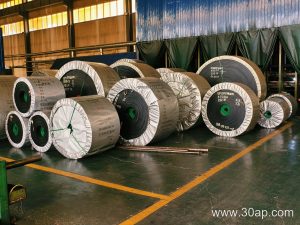
In mining, the tail pulley may be exposed to rock dust, moisture and impact. A rubber conveyor belt or an EP conveyor belt with abrasion resistant properties is often paired with a lagged tail pulley. For underground mining, a PVG conveyor belt or a flame retardant conveyor belt may be used, and the tail pulley should be selected with suitable bearings and seals.
Buyer Checklist
Before ordering a tail pulley, confirm the belt width, the pulley diameter, the shaft diameter and the lagging type. Check the bearing size and the mounting dimensions. For a quarry conveyor or a cement plant, ask for a wear-resistant lagging such as ceramic or hot vulcanized rubber. For a coal mining conveyor, verify that the belt and pulley components meet the required flame retardant and anti-static needs. Do not assume that one belt width always matches one pulley diameter; the drive power, belt tension and conveyor length all matter.
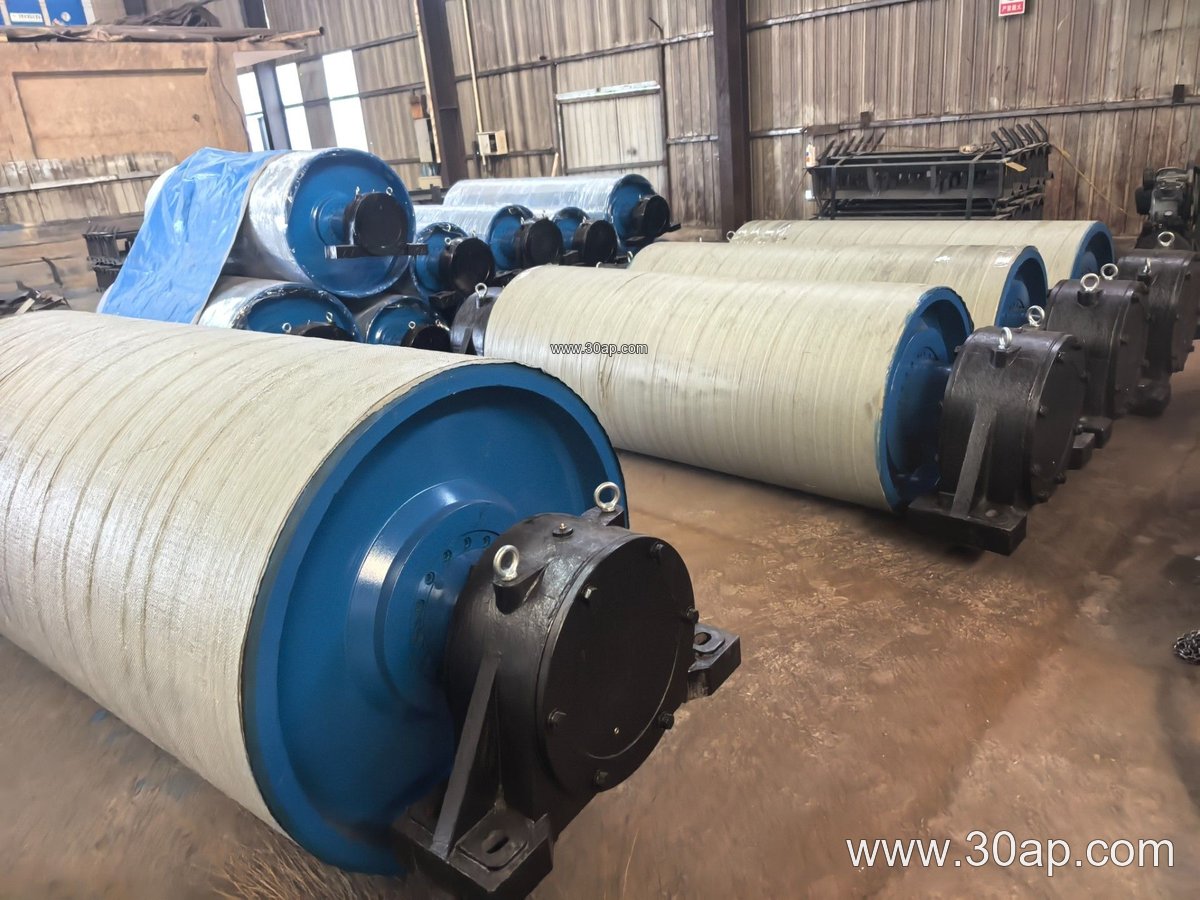
Also consider maintenance access. A tail pulley with a removable bearing housing can be easier to service. In a tunnel or underground coal mining conveyor, space may be tight, so confirm the overall dimensions before installation. When replacing a tail pulley, check the idler roller alignment and the conveyor bracket condition; a misaligned bracket can cause belt tracking problems even with a new pulley.
Selection Notes
Tail pulleys are often confused with drive pulleys or bend pulleys, but they serve a different role. A drive pulley transmits power, while a bend pulley changes belt direction. The tail pulley mainly supports and guides the belt at the return end. For a heavy-duty mining conveyor or a high abrasion resistant application, specify a robust shell and suitable lagging. For a food grade or oil resistant application, choose a surface that matches the belt and the environment.
In summary, the tail pulley is a simple but important component. Match it to the conveyor belt, the load and the site conditions. Use common sizes as a starting point, then confirm the final design with the conveyor layout.