What a Sand and Gravel Production Line Idler Does
A sand and gravel production line idler is the rotating roller assembly that supports and guides the conveyor belt along the entire length of a quarry or aggregate conveyor. In a crushing and screening circuit, material moves through multiple transfer points, and each section of the conveyor belt needs reliable support to keep the load stable and the belt tracking correctly. The idler roller is a simple component in principle, but it carries a heavy responsibility in a dusty, abrasive environment where uptime matters.
Unlike a conveyor pulley, which drives or redirects the belt at the head, tail, or bend of the conveyor, an idler stays in place and rotates freely under the belt. Drive pulleys, tail pulleys, and bend pulleys are separate components with different construction and duties, and they should not be confused with the carrying and return idlers that line the conveyor structure.
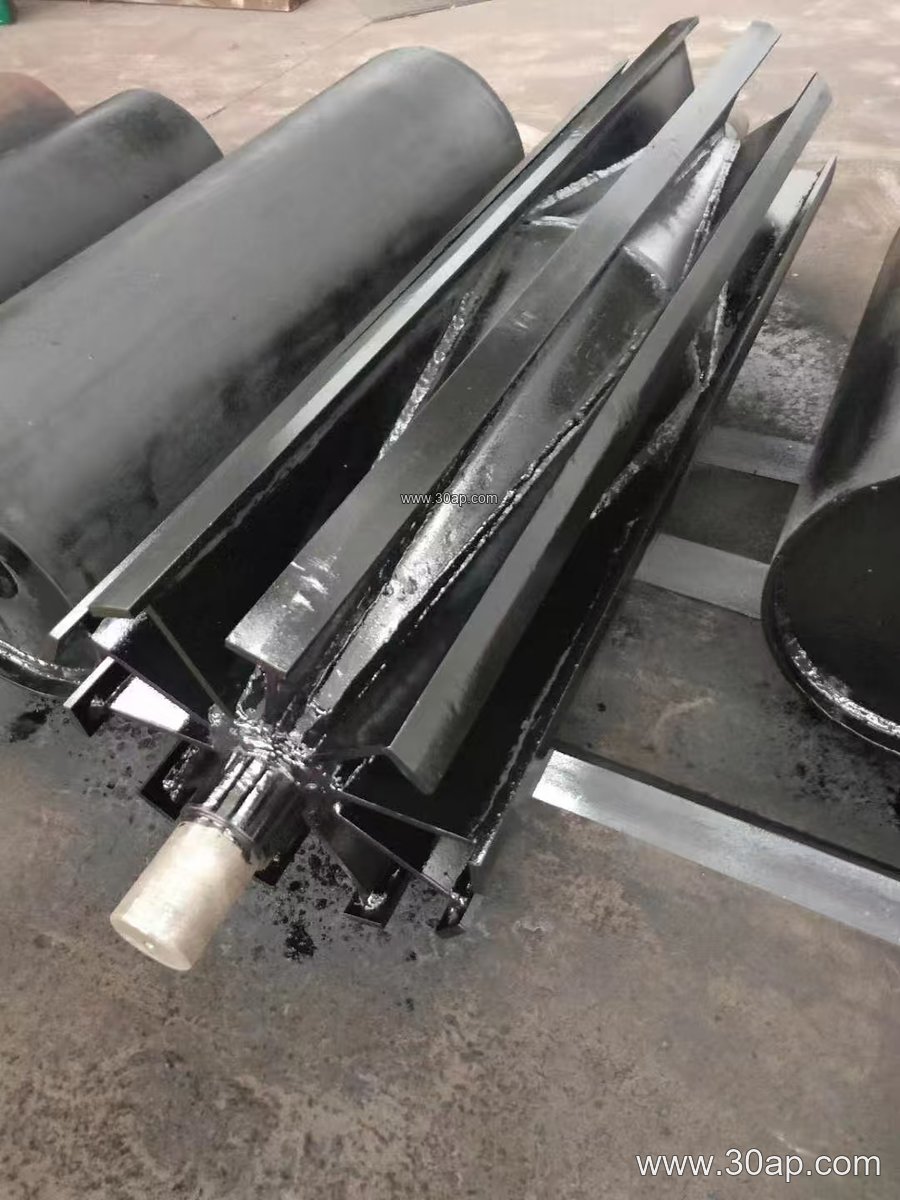
How the Idler Is Built
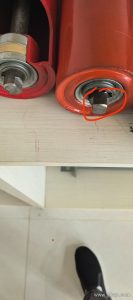
A typical idler roller consists of a steel tube shell, bearing housings at each end, a shaft, and a sealing arrangement. The shell may be plain steel, nylon-coated, ceramic-covered, or fitted with rubber rings for impact absorption. Bearing selection follows the load and speed of the conveyor rather than the belt width alone; common bearing numbers include 6204, 6205, 6305, 6306, 6308, and 6310, and more than one bearing size can suit the same roller diameter.
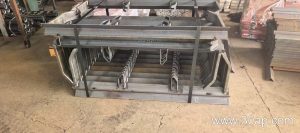
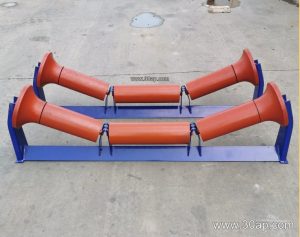
Sealing is critical in aggregate plants, where fine dust and water spray attack bearings. Labyrinth seals and multi-stage dust seals are common choices. The roller ends are mounted on a conveyor bracket or frame, and the complete idler set may be a single roller, a two-roller arrangement, or a three-roller troughing set.
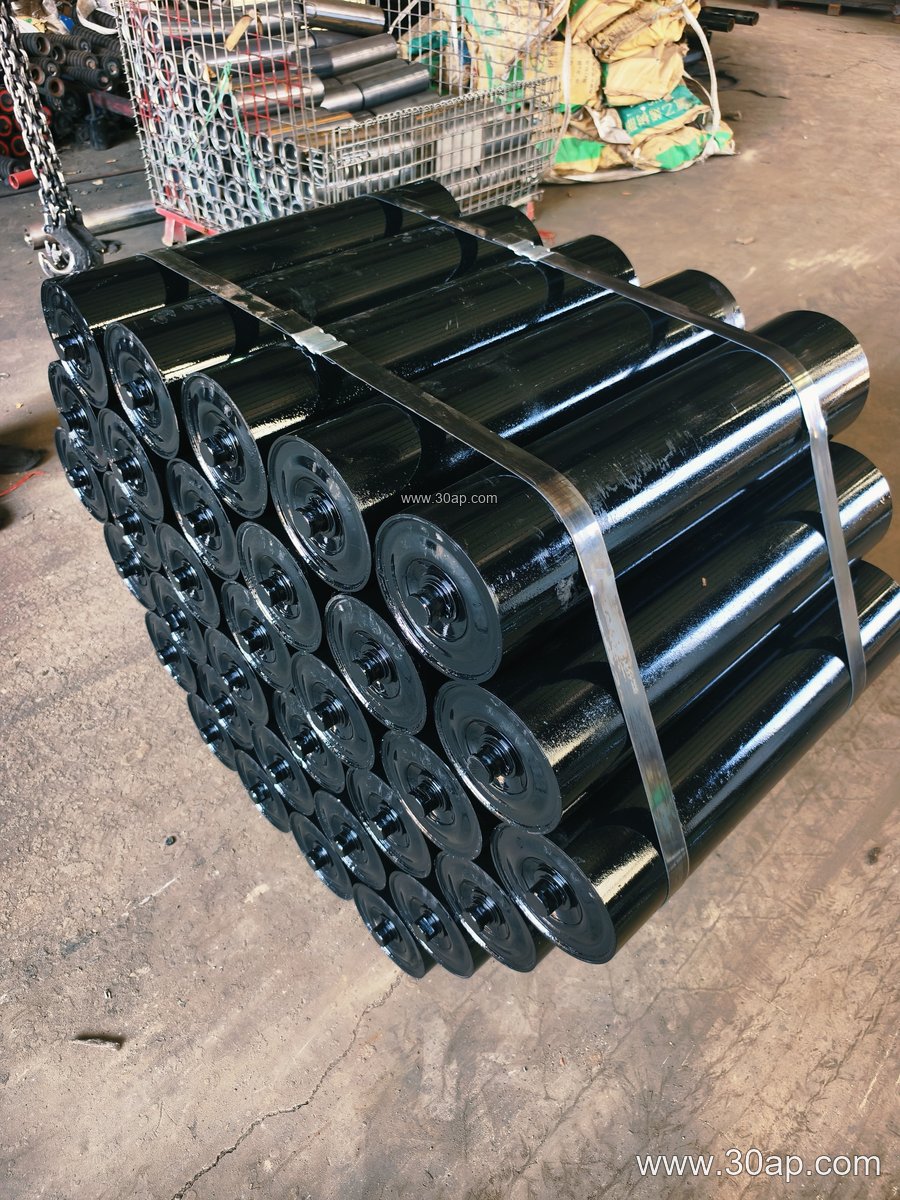
Common Idler Types on an Aggregate Conveyor
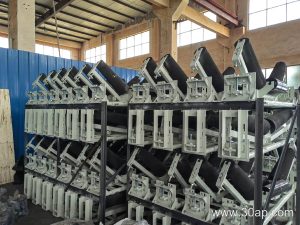
The carrying side usually uses troughing idlers with a 20, 30, 35, or 45 degree trough angle. A three-roller troughing set is common on wider belts, while a two-roller set may appear on smaller or specialized conveyors. Transition idlers ease the belt from flat to troughed profile near the head and tail. On the return side, flat return idlers, V-return idlers, and spiral return idlers keep the belt supported and help shed material.
Impact idlers with rubber rings are often placed below the crusher discharge or at transfer points where lumps fall onto the belt. Self-aligning idlers, including friction and tapered types, help correct belt wander on long runs. Comb idlers can be used where sticky material builds up on the return side.
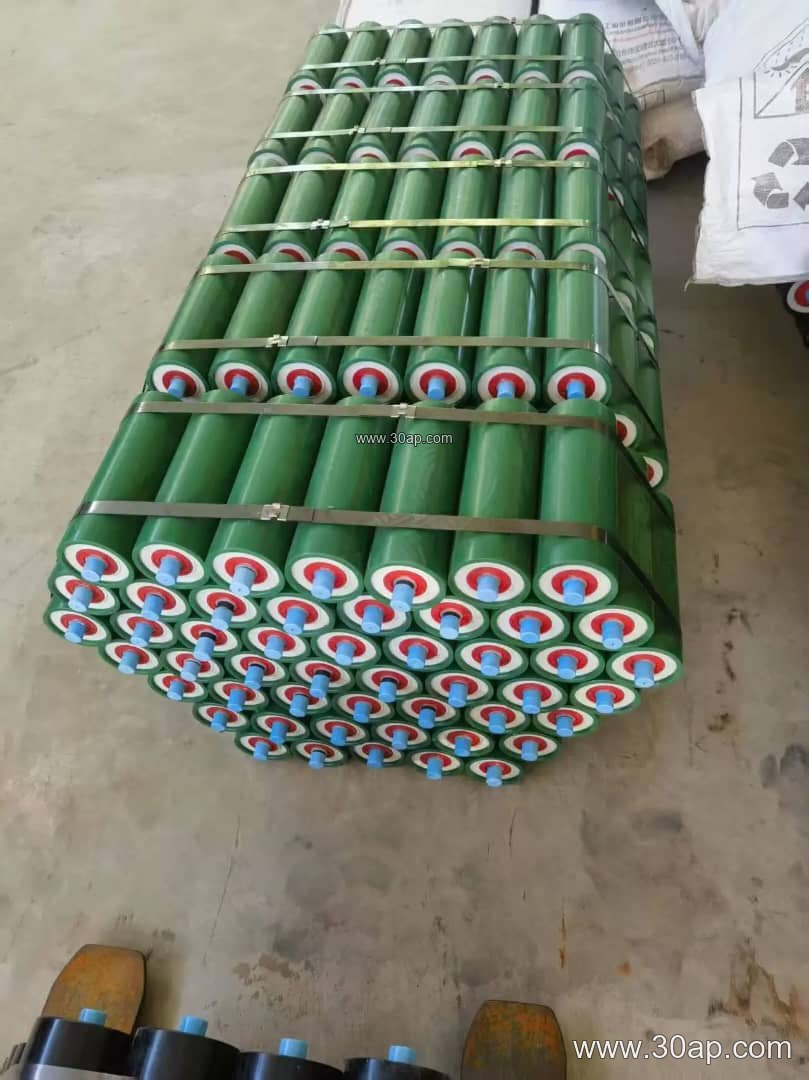
Where These Idlers Are Used
Sand and gravel plants are the most direct application, but the same idler designs serve limestone quarries, iron ore and copper ore handling, coal washing plants, cement plants, and power plant coal conveying. In a crushing and screening line, idlers appear under the primary crusher discharge, along the screen feed conveyor, and on the stockpile conveyors. The abrasive nature of crushed rock makes a high abrasion resistant conveyor belt a sensible pairing with well-sealed, durable idlers.
Matching Idler Dimensions to the Conveyor
Roller diameter and belt width are related through the conveyor design, not through a fixed rule. Common roller diameters include 63, 76, 89, 102, 108, 127, 133, 159, 178, 194, and 219 mm. Belt widths range from B400 to B2400 in many plants. Roller length depends on belt width, trough angle, and idler arrangement; for a three-roller troughing set, typical roller lengths are roughly 200 mm at B500, 250 mm at B650, 315 mm at B800, 380 mm at B1000, 465 mm at B1200, 530 mm at B1400, 600 mm at B1600, 670 mm at B1800, and 750 mm at B2000. Side rollers and center rollers can differ, so these figures are reference examples, not fixed pairings.
| Parameter | Common Reference Range |
|---|---|
| Roller diameter | 63, 76, 89, 102, 108, 127, 133, 159, 178, 194, 219 mm |
| Belt width | B400 to B2400 |
| Trough angle | 20, 30, 35, 45 degrees |
| Roller surface | Steel, nylon, ceramic, rubber ring |
| Bearing examples | 6204, 6205, 6305, 6306, 6308, 6310 |
What Buyers Should Check
- Confirm the belt width and trough angle before choosing roller length and diameter.
- Review the sealing system for dust and moisture exposure at each transfer point.
- Specify impact idlers where lump size and drop height are significant.
- Check that the conveyor bracket and frame dimensions match the selected idler set.
- Consider belt construction, such as an EP conveyor belt or a steel cord conveyor belt, when estimating load and tracking behavior.
On the conveyor itself, the idler works alongside the belt and the pulleys, so a plant that specifies a quarry conveyor belt and a matching conveyor pulley set should also give the same attention to idler selection. For sand and gravel operations, a balanced approach to roller diameter, seal quality, and frame compatibility keeps the line running with fewer stoppages.