What a High-Strength Pulley Is
A high-strength pulley is a heavy-duty conveyor pulley built to handle high belt tensions, shock loads, and continuous operation in tough environments. Often referred to as a high-strength conveyor pulley, it serves as the drive, tail, or bend component that guides and supports the conveyor belt. Unlike standard pulleys, these are engineered with thicker shells, reinforced shafts, and robust locking assemblies to resist bending and fatigue. In industries such as mining, cement, and power generation, a reliable high-strength pulley keeps the entire material handling line running smoothly.
Construction and Key Features
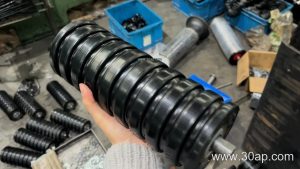
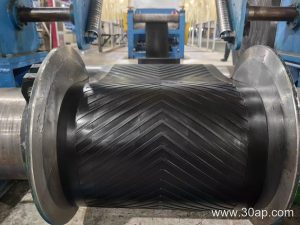
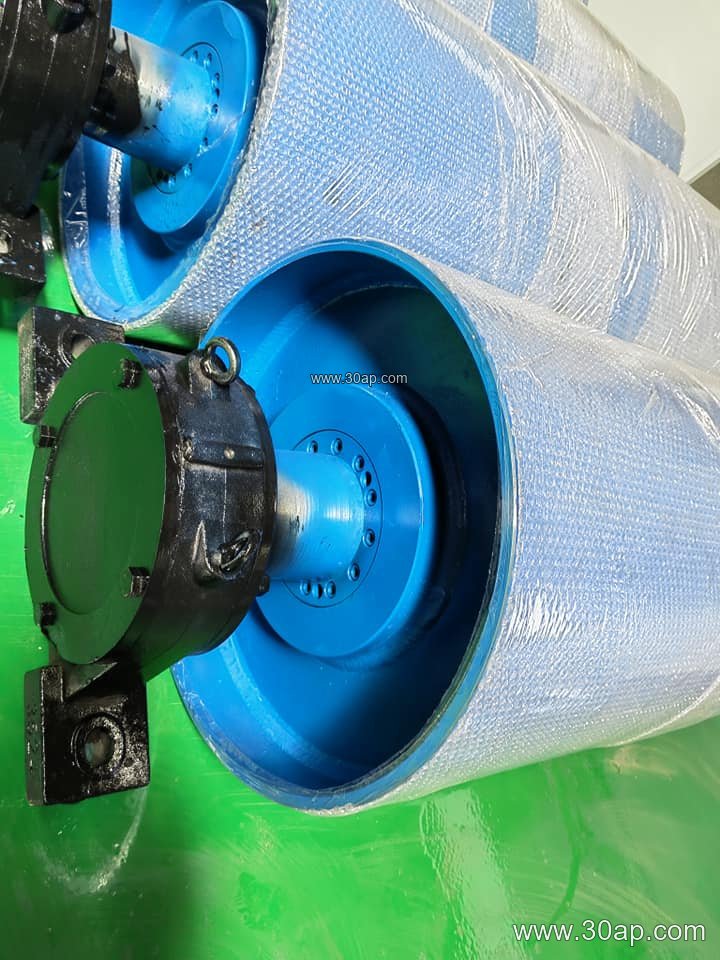
The construction of a high-strength pulley focuses on durability and precision. The shell is typically made from seamless steel tube or rolled plate, machined to ensure concentricity. End discs are welded with double-sided continuous welds for added rigidity. Shafts are often forged or turned from high-grade carbon steel, with diameters ranging from Ø50 to Ø200 mm depending on torque and load requirements. Bearing housings are designed for heavy radial and axial loads, and locking assemblies such as keyless shrink discs or ringfeder ensure a secure shaft-hub connection. Surface options include plain, rubber lagged, diamond grooved, herringbone, or ceramic lagging, with common lagging thicknesses of 8, 10, 12, 15, and 20 mm. These features collectively deliver the strength and reliability expected from a high-strength pulley.
Where High-Strength Pulleys Are Used
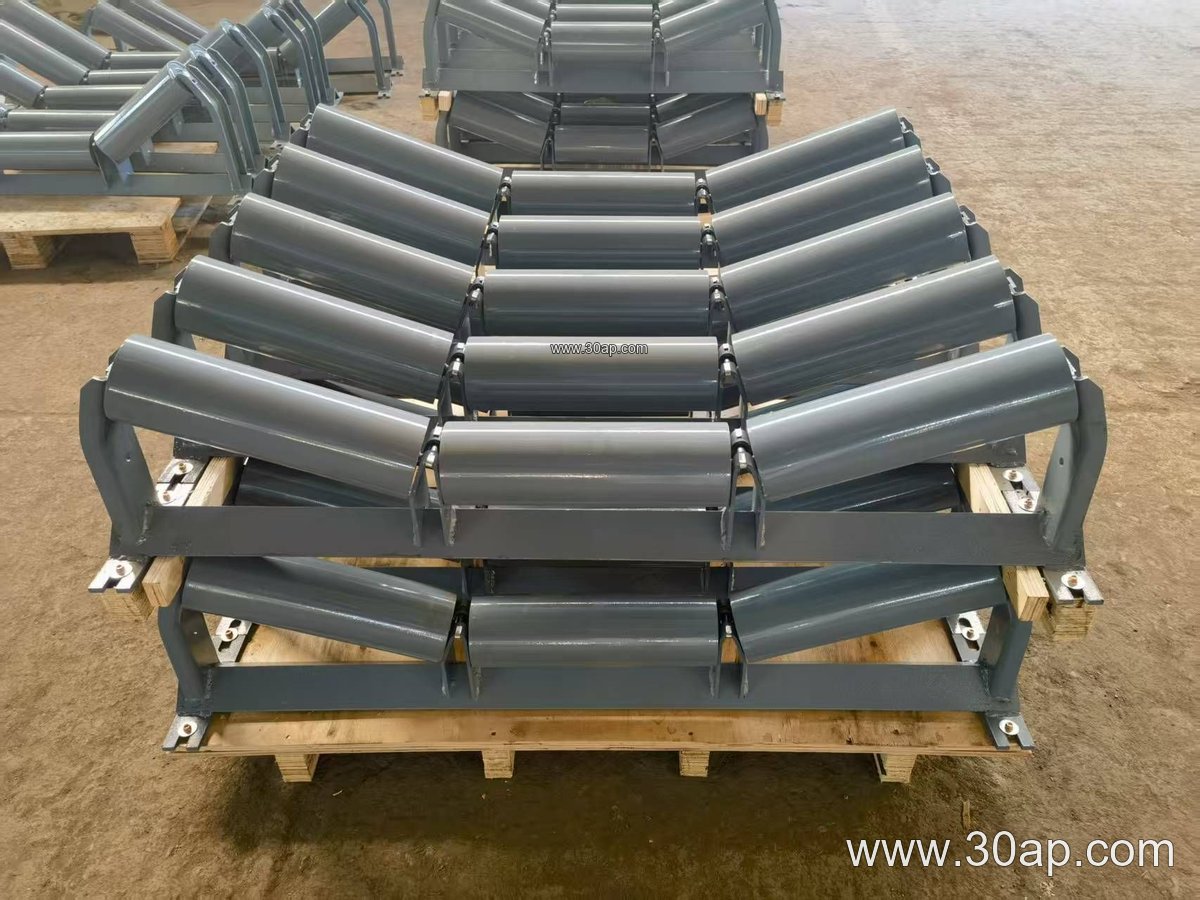
High-strength pulleys are essential in applications where belt tensions are high and operating conditions are severe. In coal mining, they drive underground mining conveyor belts and coal mining conveyor belts that transport raw coal from the face to the surface. In aggregate production, quarry conveyor belts and crusher conveyor belts rely on these pulleys to handle abrasive rock and ore. Cement plants use them on clinker and raw material conveyors, while power plants depend on them for coal handling systems. Ports and ship loading facilities also employ high-strength pulleys for bulk material conveyor belts. Wherever a conveyor belt must carry heavy loads over long distances, a high-strength pulley provides the necessary torque transmission and belt support.
Specifications and Size Considerations
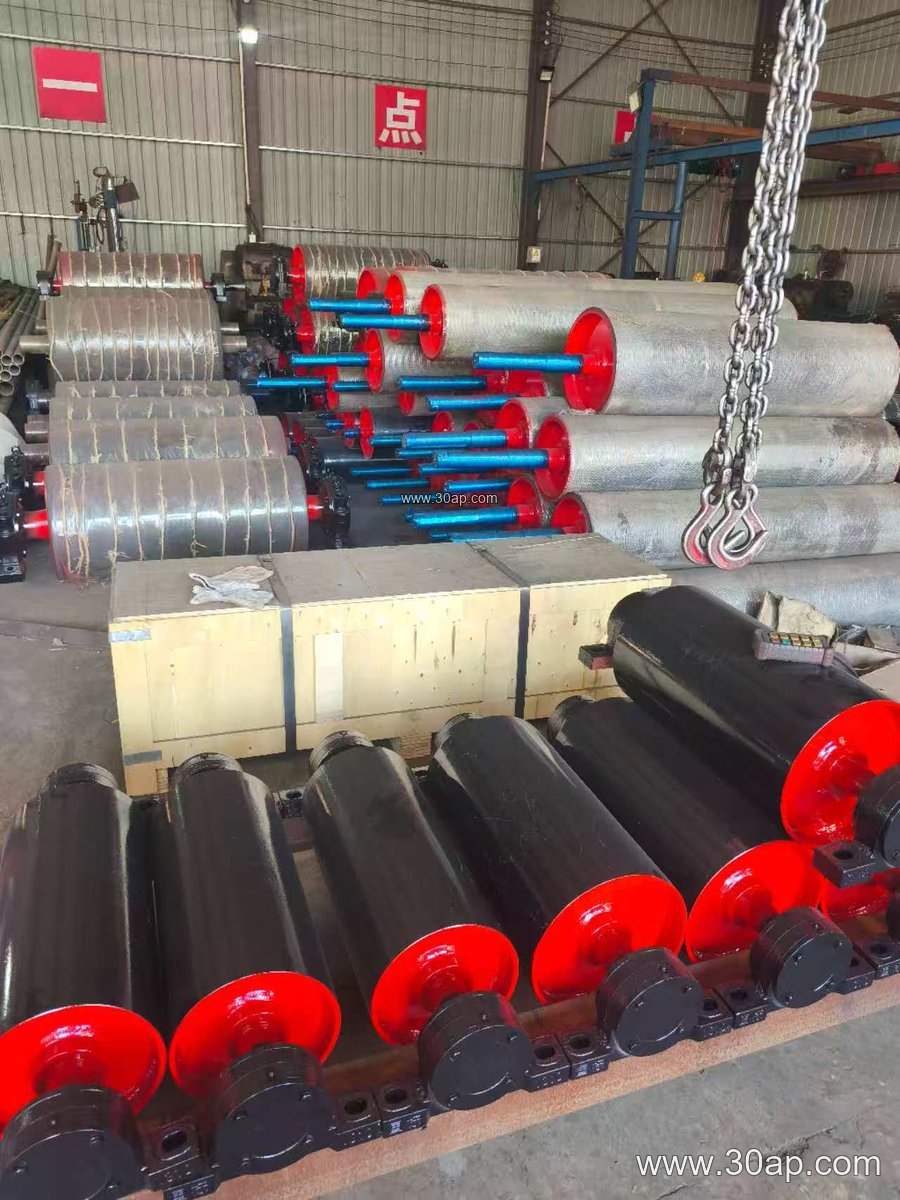
Selecting a high-strength pulley involves matching it to the conveyor belt width, belt tension, and shaft load. Common belt widths include B400, B500, B650, B800, B1000, B1200, B1400, B1600, B1800, B2000, B2200, and B2400. The pulley face width is usually slightly wider than the belt, for example, a B800 belt often uses a pulley face of about 950 mm, and a B1200 belt may use around 1400 mm. Diameters commonly range from Ø200 to Ø1800 mm. The table below lists some typical combinations, but these are examples only—actual selection depends on the specific conveyor design.
| Belt Width | Example Pulley Diameter | Example Face Width |
|---|---|---|
| B500 | Ø400 mm | 600 mm |
| B800 | Ø500 mm | 950 mm |
| B1000 | Ø630 mm | 1150 mm |
| B1200 | Ø1000 mm | 1400 mm |
| B1400 | Ø800 mm | 1600 mm |
Shaft diameters are determined by torque and load, not by belt width alone. Common shaft sizes include Ø80, Ø100, Ø120, Ø140, Ø160, and Ø180 mm. Lagging type and thickness should be chosen based on the required friction and wear resistance. For high-tension applications, consider a high-strength pulley with reinforced shell and heavy-duty bearings.
Buyer’s Checklist
Before purchasing a high-strength pulley, gather the following information: belt width, belt speed, motor power, starting torque, and the pulley’s position (drive, tail, bend, or take-up). Confirm the required shaft diameter and bearing type. Check the lagging material and thickness—rubber lagging for general grip, ceramic for high abrasion, or diamond pattern for wet conditions. Ensure the pulley is dynamically balanced for high-speed operation. Also consider environmental factors such as dust, moisture, and temperature, which may call for special seals or coatings. A reputable supplier will ask for these details to recommend the right high-strength pulley for your conveyor system.
For reliable conveyor components, visit www.example.com/high-strength-pulley and explore our range of conveyor pulleys, idler rollers, and brackets designed to work with various conveyor belts including EP conveyor belt, steel cord conveyor belt, and flame retardant conveyor belt.