What Conveyor Bracket Fabrication Covers
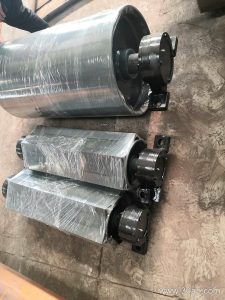
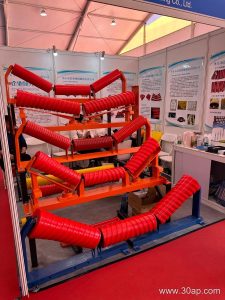
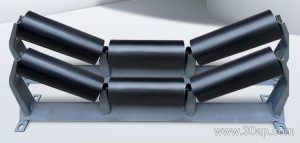
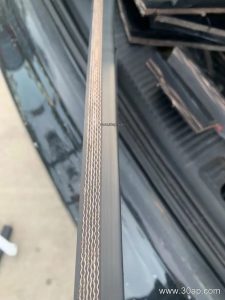
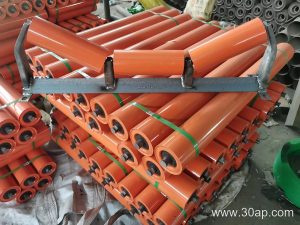
Conveyor bracket fabrication is the work of cutting, bending, drilling and assembling the steel frames that hold idler rollers in position along a conveyor line. These frames are the quiet backbone of any bulk handling system: they set the trough angle, keep spacing consistent, and transfer the load from the belt into the conveyor structure. A well-made bracket keeps a fabric core conveyor belt or a steel cord conveyor belt running true, while a poorly built one shows up quickly as edge wear, roller misalignment and spillage.
The product is usually described simply as a conveyor bracket, and in practice the same item may be called an idler frame or roller support bracket. Fabricators produce them in matched sets so that a troughing section, a return run and a transition zone all work together rather than as isolated parts.
How the Frames Are Built
Most brackets start as angle steel, channel steel or folded plate. The choice depends on load and span: light aggregate lines often use angle, while heavy-duty mining conveyor brackets on a primary crushing circuit tend toward channel or folded plate with gusseted corners. Fabrication steps typically include:
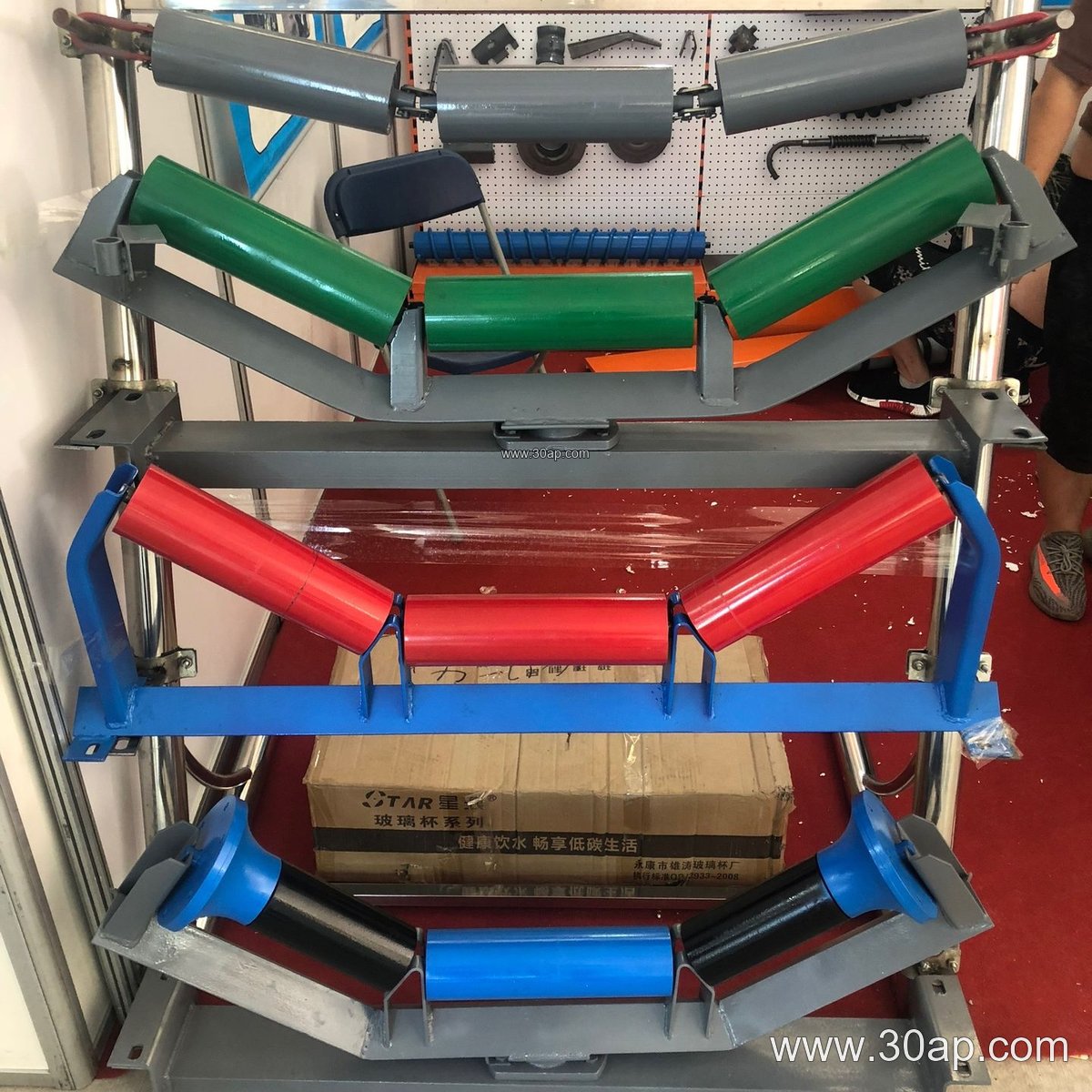
- Cutting to length and de-burring edges
- Punching or drilling mounting holes for the roller shafts
- Bending the trough wings to the required angle
- Welding brackets, stops and stiffeners
- Surface preparation and painting or galvanizing
Hole spacing and crossbeam length are determined by belt width and trough angle, so they are set per design rather than taken from a single universal figure. A fabricator who asks for the belt width, the roller diameter and the intended trough angle before quoting is usually the safer choice.
Matching Bracket Geometry to the Line
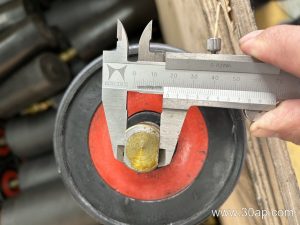
The bracket decides how the belt sits, so geometry matters more than metal thickness alone. Common trough angles are 20, 30, 35 and 45 degrees; adjustable brackets allow the same frame to be set between these values during commissioning. Forward-leaning designs, often around 1.5 to 2 degrees, help with belt training on long flights. Typical roller diameters include Ø89, Ø108, Ø133, Ø159 and Ø194, and the bracket cradle must suit the shaft and shell size actually fitted.
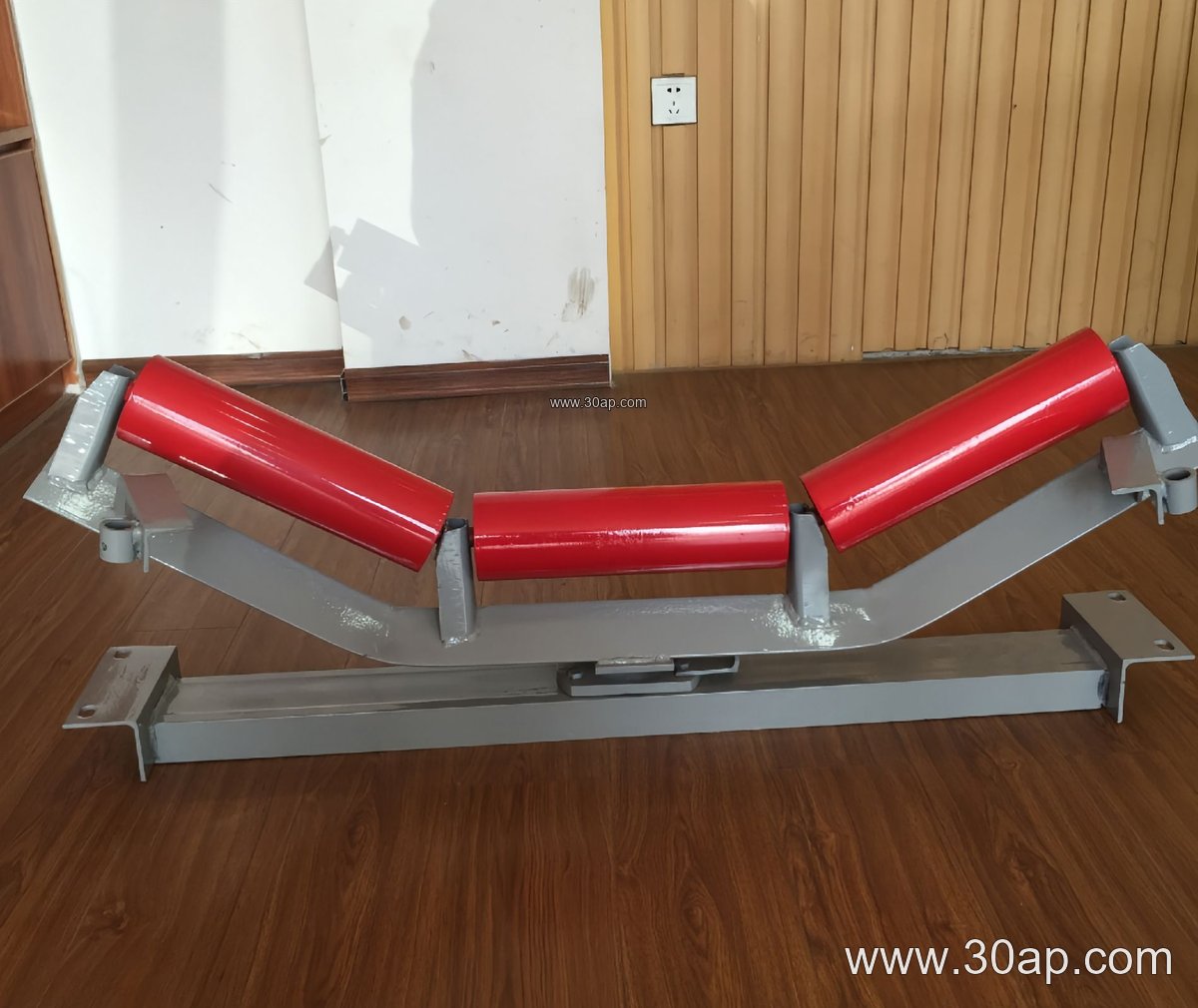
Typical arrangements are best read as examples, not rules:
| Application | Belt width | Trough angle | Roller diameter |
|---|---|---|---|
| Small sand and gravel line | B650 | 30 degrees | Ø89 |
| General quarry duty | B800 | 35 degrees | Ø108 |
| Heavy primary haul | B1200 | 45 degrees | Ø133 |
| Wide trunk conveyor | B1600 | 35 degrees | Ø159 |
None of these pairings is fixed. A B1000 line may run a shallow angle for flat conveyed material or a deep angle for high tonnage, and the roller size follows the load calculation, not the belt width alone.
Where These Frames Are Used
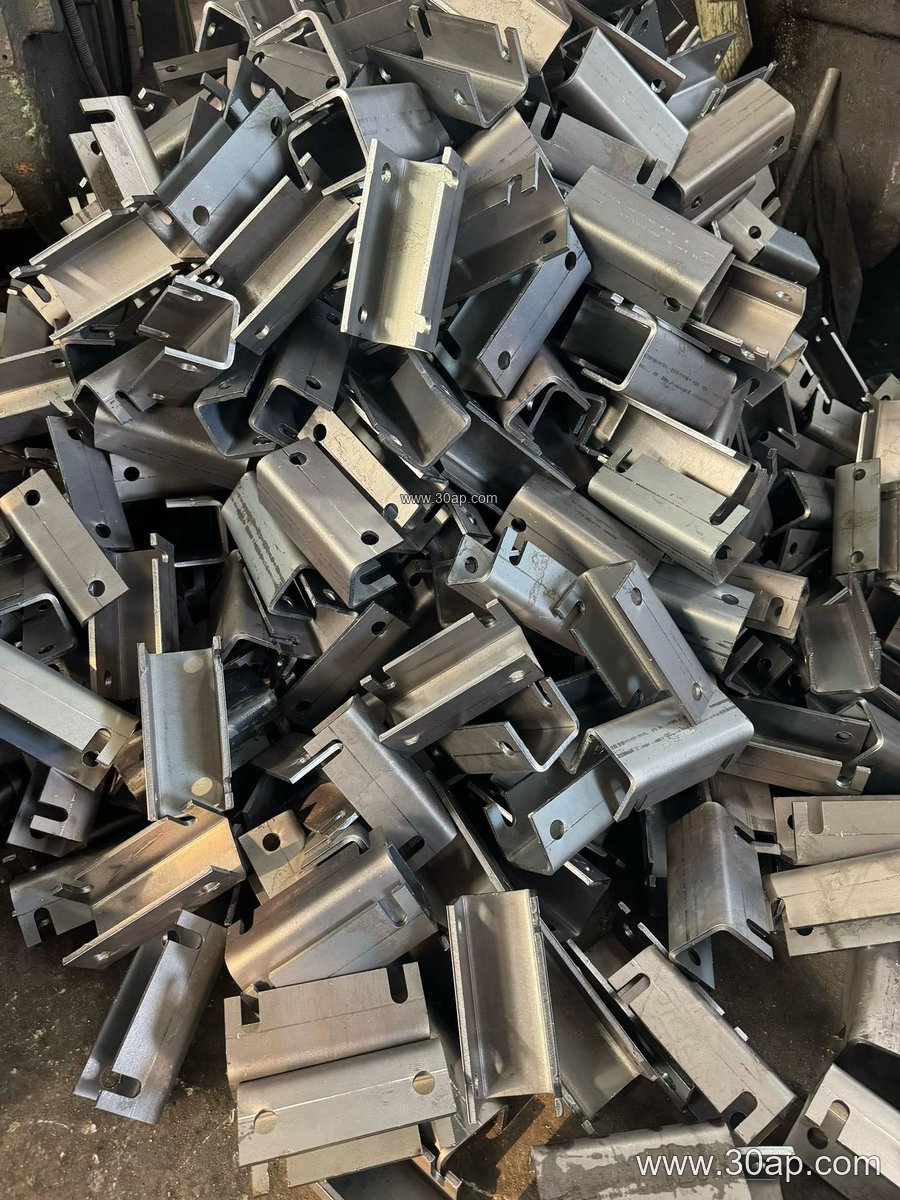
Bracket fabrication serves almost every section of a handling plant. In a limestone quarry, troughing brackets carry crusher feed over long inclines; in a coal washing plant, return and V-return brackets keep the belt off the structure and shed fines. Cement plants use them on clinker and raw meal lines, power stations on coal yards, and port terminals on ship loading conveyors where frames must resist salt air. A tunnel spoil line or a fertiliser silo discharge may use the same basic bracket with a different coating and a lighter section.
The bracket never works alone. It positions the conveyor pulley alignment relative to the idler set, supports the conveyor belt at the correct profile, and must tolerate the impact of lumpy feed where a buffer or impact bracket is specified. On a chevron conveyor belt or a corrugated sidewall belt, the bracket still sets the base profile, but cleat height and skirt clearance need checking during fabrication.
Buyer Checklist Before Ordering
Accurate fabrication starts with accurate information. A buyer should confirm belt width, trough angle, roller diameter and shaft end type, then state the mounting interface on the conveyor stringer. It also helps to specify the environment: a washdown area needs galvanizing, an abrasive iron ore transfer point needs thicker section or wear protection, and an underground coal mining conveyor needs frames that suit flame retardant conveyor belt installations and local site rules.
Ask for dimensional drawings, hole pitch and weld quality expectations, and check that adjustable brackets lock firmly at the chosen angle. For reference on matching belting and rollers to these frames, visit conveyor-bracket.com and review the roller and belt data before finalising the order. Small details decided at the drawing stage prevent most field problems later.