What a Q355 Conveyor Bracket Does on a Belt System
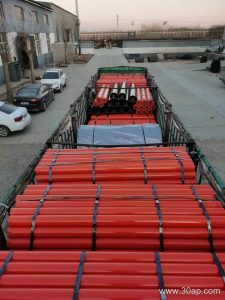
A Q355 Conveyor Bracket is the steel support that holds idler rollers at the correct height and angle beneath and along a conveyor belt. Made from Q355 structural steel, a grade known for good strength and weldability, these brackets carry the weight of the belt, the material load, and the roller assemblies themselves. In a quarry, a coal handling plant, or a cement kiln feed line, the bracket is the quiet component that keeps everything else tracking properly. When the bracket is weak or misaligned, the belt misbehaves, the rollers wear unevenly, and spillage increases.
This article looks at how the bracket is built, where it is used, and what to check before ordering. It also touches on how the bracket interacts with the conveyor belt, the idler roller, and the conveyor pulley at either end of the system.
How the Bracket Is Built
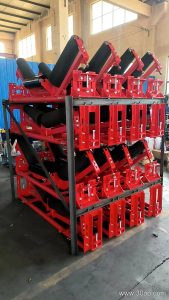
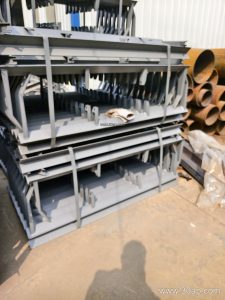
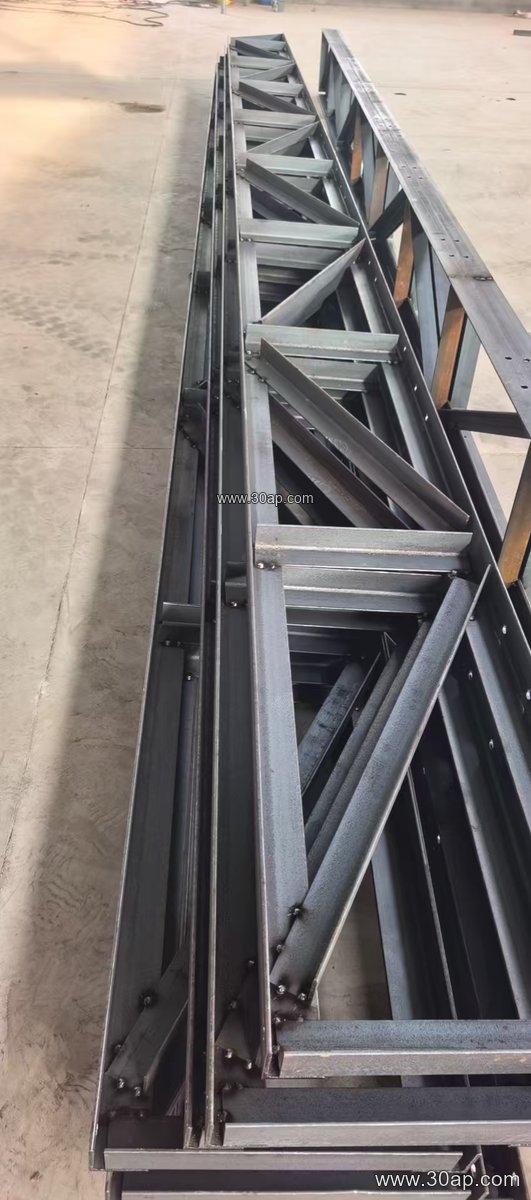
Most brackets are fabricated from angle steel, channel steel, or folded steel plate. The Q355 grade gives the frame enough yield strength to resist bending when a fully loaded belt passes over it. A typical assembly includes a crossbeam, mounting feet or hooks for the idler roller, and bolt holes that line up with the conveyor frame stringers.
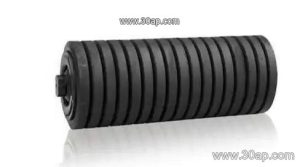
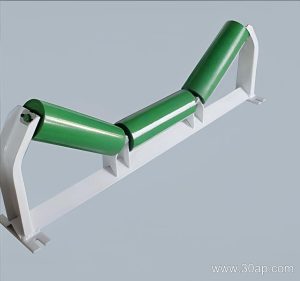
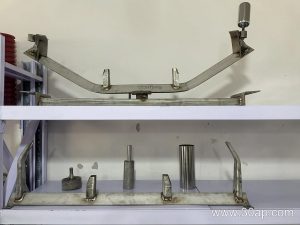
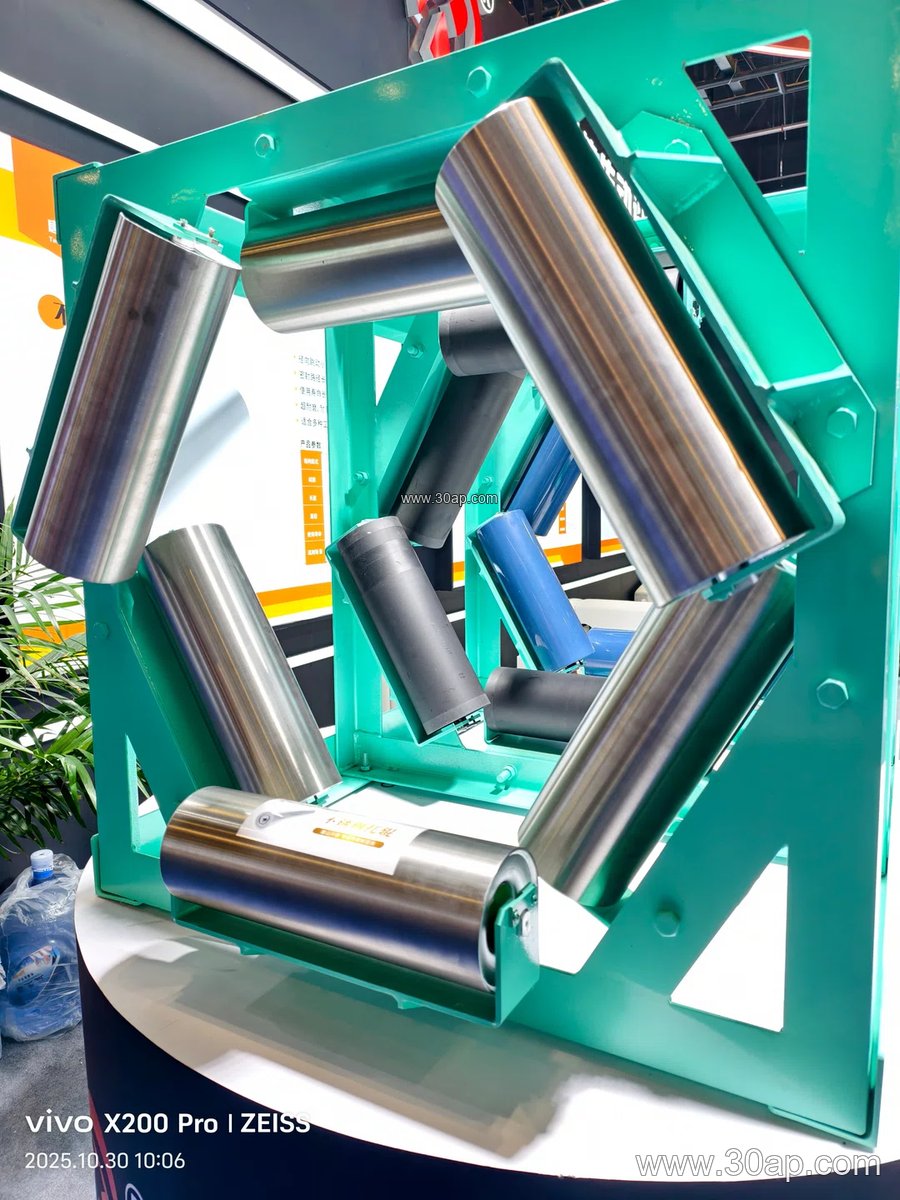
The shape of the bracket follows its job. A troughing bracket carries three rollers in a trough profile; a return bracket holds a single flat roller under the belt; a V-return bracket supports two rollers in a V shape to help center the belt. Transition brackets sit near the pulleys, where the belt changes from flat to troughed. Impact brackets are reinforced and placed under loading points. Self-aligning brackets allow slight movement so the belt corrects its own tracking.
Common Types and Reference Dimensions
The table below shows typical bracket categories and the parameters that usually vary with them. Values are for reference only and should be confirmed against the actual conveyor design.
| Bracket Type | Typical Belt Width | Trough Angle | Roller Diameter |
|---|---|---|---|
| Troughing bracket (upper) | B500 to B2200 | 20, 30, 35, 45 degrees | Ø89, Ø108, Ø133, Ø159 |
| Transition bracket | B650 to B1800 | 20 to 35 degrees | Ø89 to Ø159 |
| Return bracket (flat) | B500 to B2000 | Flat | Ø89 to Ø194 |
| V-return bracket | B650 to B1600 | V profile | Ø108 to Ø159 |
| Impact bracket | B800 to B1600 | 20 to 35 degrees | Ø108 to Ø194 |
| Self-aligning bracket | B650 to B1400 | 20 to 35 degrees | Ø89 to Ø133 |
Adjustable brackets let the same frame accept different trough angles, which is useful when a plant handles more than one material. Forward-leaning brackets, often set at about 1.5 to 2 degrees, give the belt a slight lead angle to improve tracking. Mounting hole spacing and crossbeam length change with belt width and trough angle, so these are always confirmed per project.
Where These Brackets Are Used
In a limestone quarry or a sand and gravel line, troughing brackets support the belt through the crushing and screening circuit. In a coal washing plant or a power station coal yard, flame retardant conveyor belt and abrasion resistant conveyor belt run over brackets that must resist dust and occasional impact. Cement plants use them on clinker and raw meal lines, while iron ore and copper ore operations rely on heavy-duty brackets under high-load belts.
The bracket also works closely with the conveyor pulley at the head and tail. A well-supported transition bracket near the tail pulley reduces belt stress and helps the belt enter the trough smoothly. On the return side, a V-return bracket paired with a trained idler roller keeps the belt centered before it reaches the drive pulley.
Buyer Checklist Before Ordering
- Confirm belt width, trough angle, and roller diameter as a set, not in isolation. A B800 belt may run at 30 or 35 degrees with Ø108 or Ø133 rollers depending on the design.
- State the material handled. Heat resistant conveyor belt or oil resistant conveyor belt may need different bracket spacing and roller choices.
- Check the mounting interface. Hole spacing and crossbeam length follow the conveyor frame, so share the frame drawing.
- Decide between fixed and adjustable brackets. Adjustable types suit plants that change trough angle or handle mixed loads.
- Ask about surface treatment. Painting or galvanizing affects service life in wet or corrosive areas.
- Match bracket strength to the belt class. A steel cord conveyor belt or EP1000 conveyor belt carries more tension and load than a light fabric core belt.
For a complete view of belt, roller, and bracket options, visit https://www.beltconveyorparts.com/q355-conveyor-bracket and review the roller and pulley ranges together with the bracket data.
Maintenance Notes
Inspect brackets for bent crossbeams, loose bolts, and rust at the welds. A bracket that has shifted will show up as belt edge wear or a wandering belt. Replace damaged units promptly, and re-check alignment after any roller change. Keeping the bracket, idler roller, and belt working as one system is the simplest way to extend conveyor service life in mining, cement, and power plant applications.