What a Conveyor Carrying Bracket Does on the Line
A conveyor carrying bracket is the structural element that holds the carrying-side idler roller in the correct position under a loaded conveyor belt. It is often called a carrying idler frame or troughing bracket, and its job is simple but demanding: keep the belt in a stable trough, spread the material load across several rollers, and stay aligned through years of vibration and dust. In a quarry, a coal handling plant, or a cement kiln feed line, this bracket is one of the parts that decides whether the belt tracks cleanly or wanders.
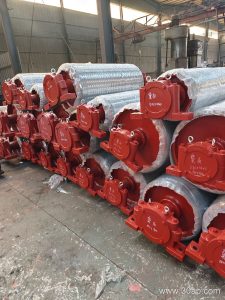
The bracket is not a pulley. Drive, tail, and bend pulleys are separate components with their own shafts and bearings, and they are never interchangeable with a carrying bracket. The bracket supports idlers; the pulleys move and tension the belt.
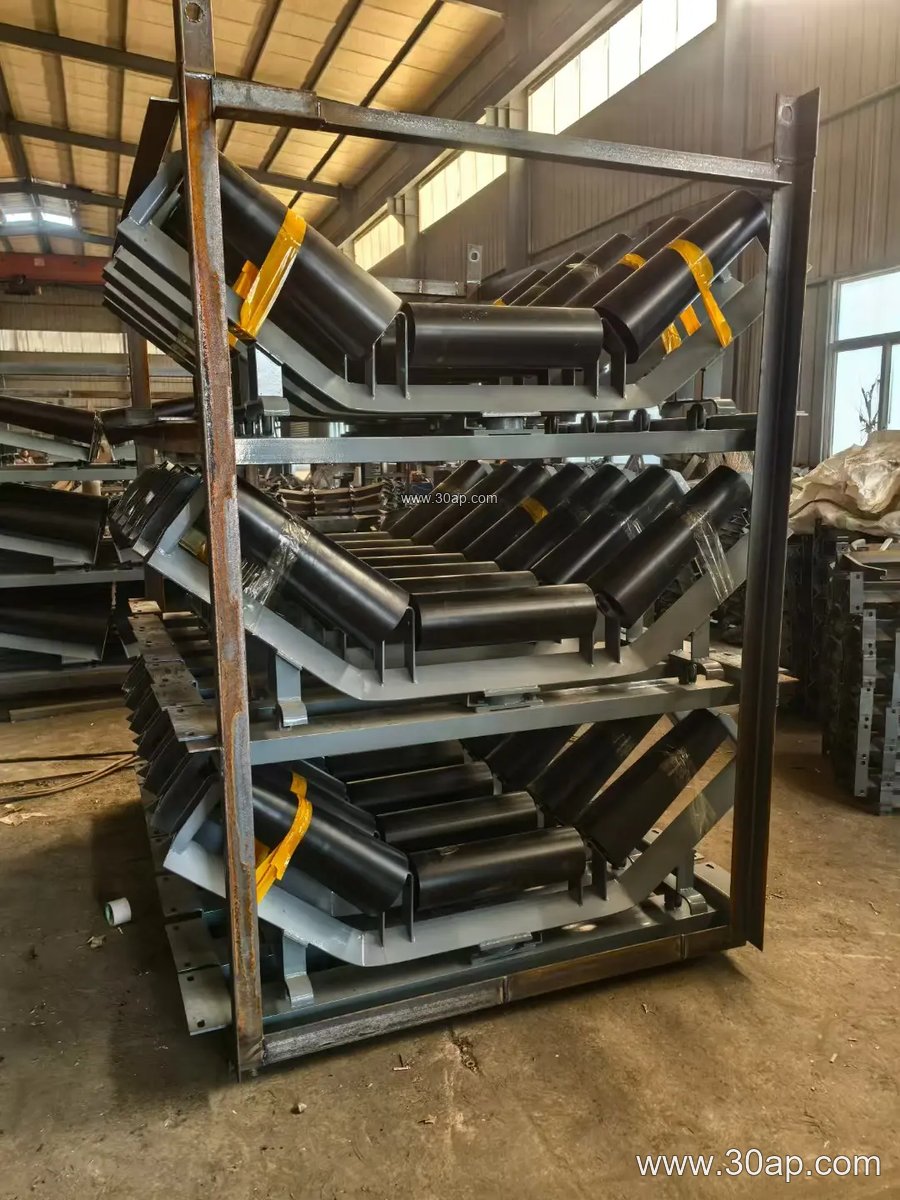
How the Bracket Is Built
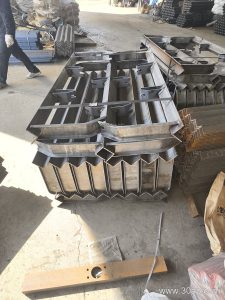
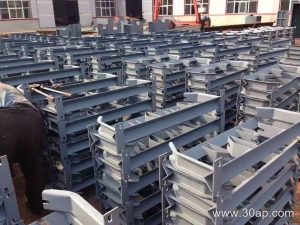
Most carrying brackets are fabricated from angle steel, channel steel, or folded steel plate. A troughing frame typically has two inclined arms set at a fixed trough angle, with mounting slots or holes for the idler shafts. The frame bolts to the conveyor stringer or to a cross beam. On wider belts, the bracket may include a center roller seat plus two wing seats.
Common trough angles are 20, 30, 35, and 45 degrees. Adjustable carrying brackets let maintenance teams change the trough angle within that range, which is useful when a line handles both fine material and coarse rock. Forward-leaning designs, usually around 1.5 to 2 degrees, help with belt training on long runs.
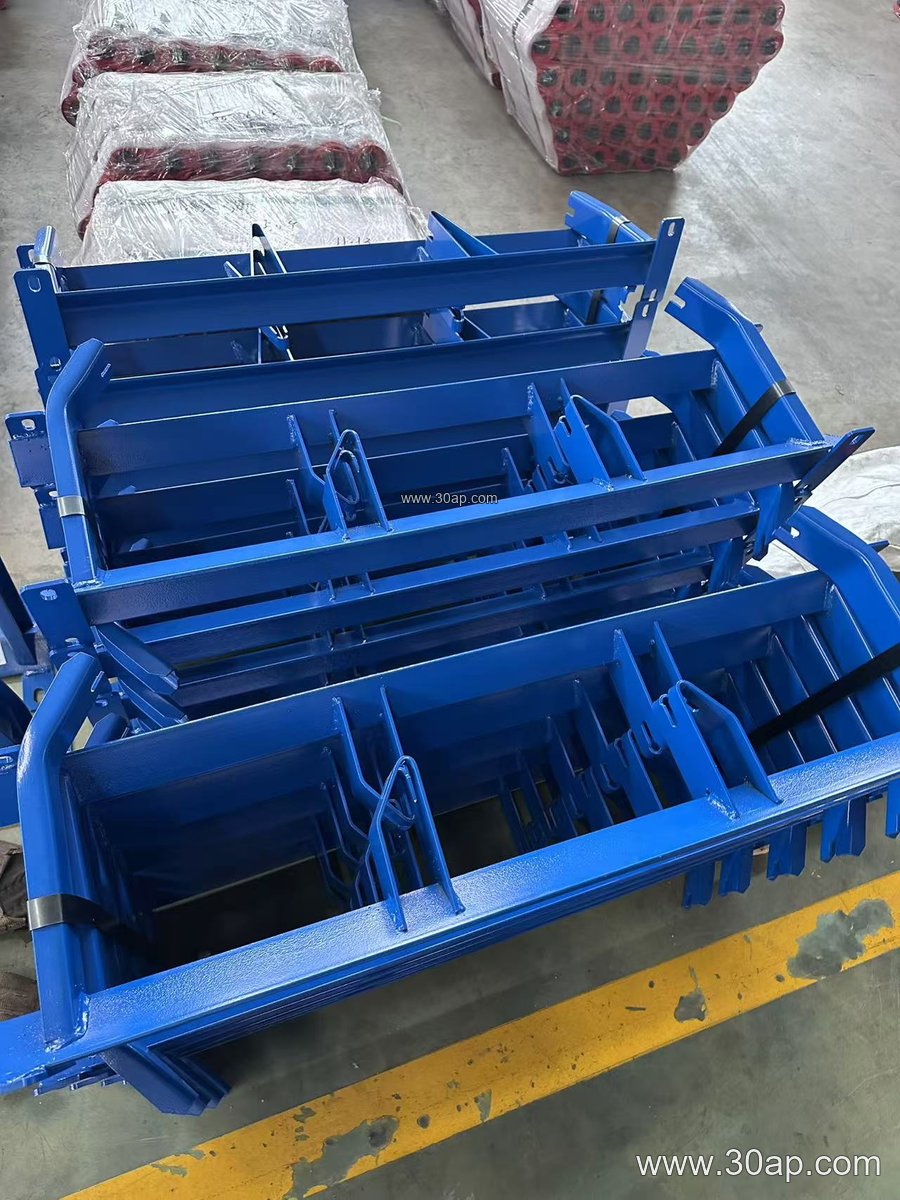
Where It Fits in the Conveyor System
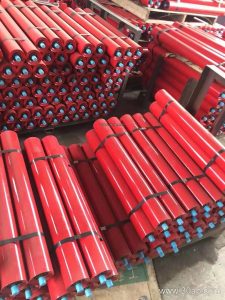
The carrying bracket sits on the loaded side of the belt, spaced along the length of the conveyor. It works together with the conveyor belt, the idler roller, and the conveyor pulley at each end. In a stone crushing line, carrying brackets are usually the most numerous support component, while impact brackets appear under the loading point and return brackets support the empty strand.
Applications range from limestone and iron ore handling to power plant coal conveying, port ship loading, and fertilizer or grain silo transport. The material being moved affects the choice of belt far more than the bracket itself: an abrasion resistant conveyor belt suits sharp aggregate, a heat resistant conveyor belt fits clinker or sinter, and a flame retardant conveyor belt is common in underground coal mining. The bracket must simply match the belt width and the selected roller diameter.
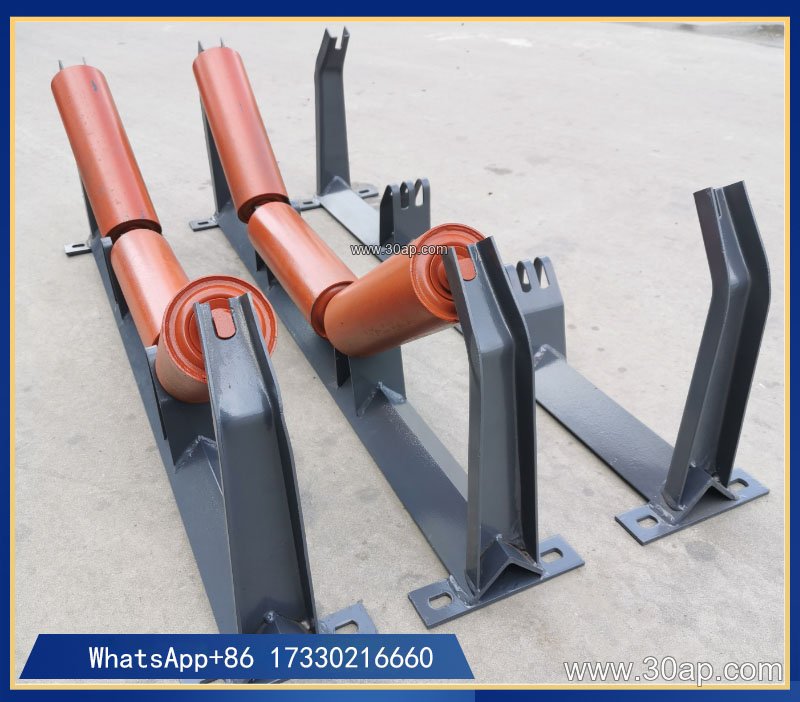
Matching Bracket, Belt Width, and Roller Size
Belt width and roller diameter are chosen together, but there is no single fixed pairing. A B800 belt may run with Ø89 or Ø108 rollers depending on load and speed, while a B1200 line might use Ø133 or Ø159. The bracket’s mounting hole spacing and cross beam length change with belt width and trough angle, so these dimensions are confirmed per design rather than taken from a universal table.
| Belt Width | Typical Roller Diameter | Trough Angle Options |
|---|---|---|
| B500 | Ø89 | 20° / 30° / 35° |
| B650 | Ø89 / Ø108 | 20° / 30° / 35° |
| B800 | Ø89 / Ø108 / Ø133 | 30° / 35° / 45° |
| B1000 | Ø108 / Ø133 / Ø159 | 30° / 35° / 45° |
| B1200 | Ø133 / Ø159 | 35° / 45° |
| B1400 | Ø133 / Ø159 / Ø194 | 35° / 45° |
| B1600 | Ø159 / Ø194 | 35° / 45° |
| B1800–B2200 | Ø159 / Ø194 | 35° / 45° |
Values above are common references, not fixed rules. Heavier belts such as steel cord conveyor belt or thick EP conveyor belt grades may call for larger rollers and closer bracket spacing.
Buyer Checklist Before Ordering
- Confirm belt width, trough angle, and roller diameter as a set.
- State whether the frame is fixed or adjustable.
- Specify material and finish: angle steel, channel steel, or folded plate, with paint or galvanized surface.
- Check mounting hole spacing against the existing stringer.
- Ask about spare brackets for transition zones, where trough angle changes gradually.
A well-chosen carrying bracket keeps the belt profile steady and reduces edge wear. For related belt and roller data, see the conveyor belt and idler roller pages at beltconveyorparts.com, and compare bracket options with the conveyor bracket range at conveyorpartspro.com. Matching the bracket to the belt and roller at the design stage is the cheapest way to avoid tracking problems later.