What the PVG800S Conveyor Belt Is
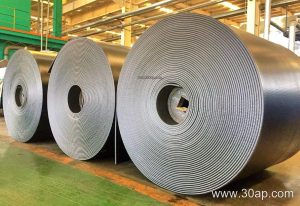
The PVG800S Conveyor Belt is a solid woven, PVC-impregnated conveyor belt built for tough bulk material handling. The designation PVG refers to a polyvinyl chloride (PVC) belt with a solid woven carcass, and the 800S class points to a higher strength grade within that family. In practice, buyers often call it a PVG800S belt, a solid woven PVC conveyor belt, or a PVG conveyor belt in the 800 strength class. It is a distinct product from multi-ply fabric belts and steel cord belts, and it should not be confused with those constructions when specifying a replacement.
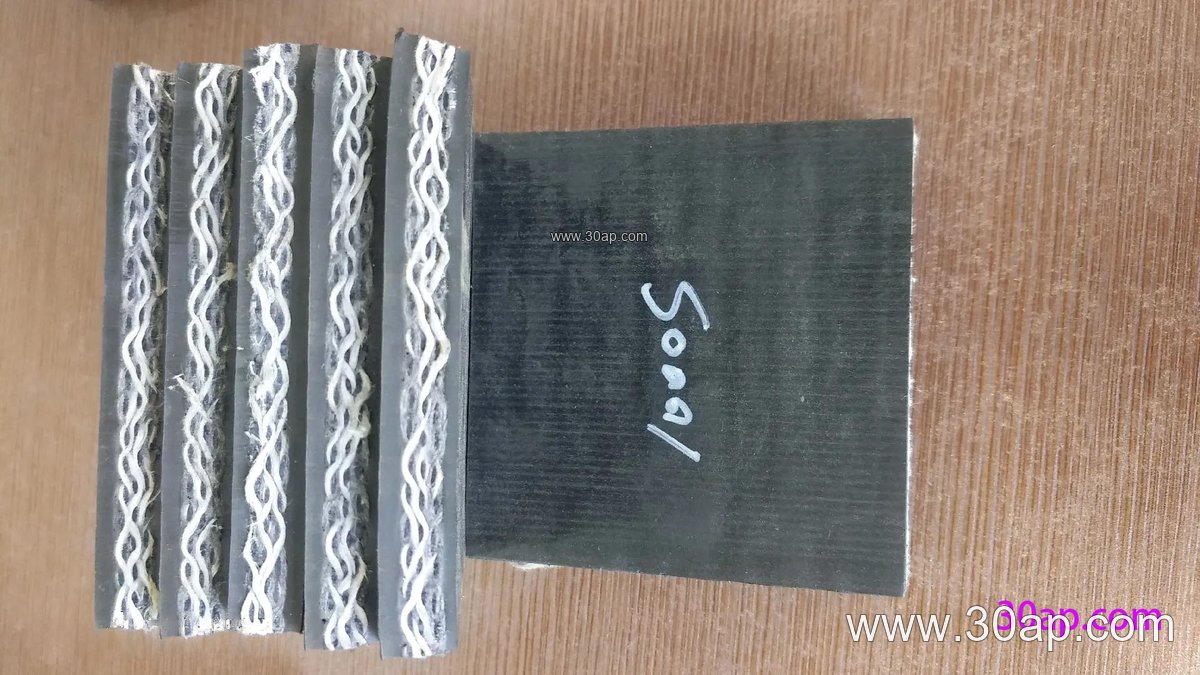
Because the carcass is a single solid woven fabric rather than several separate plies, the belt resists delamination and impact damage well. The PVC impregnation makes the body impermeable to water and dust, which suits underground coal mining conveyor systems and other wet, dirty environments.
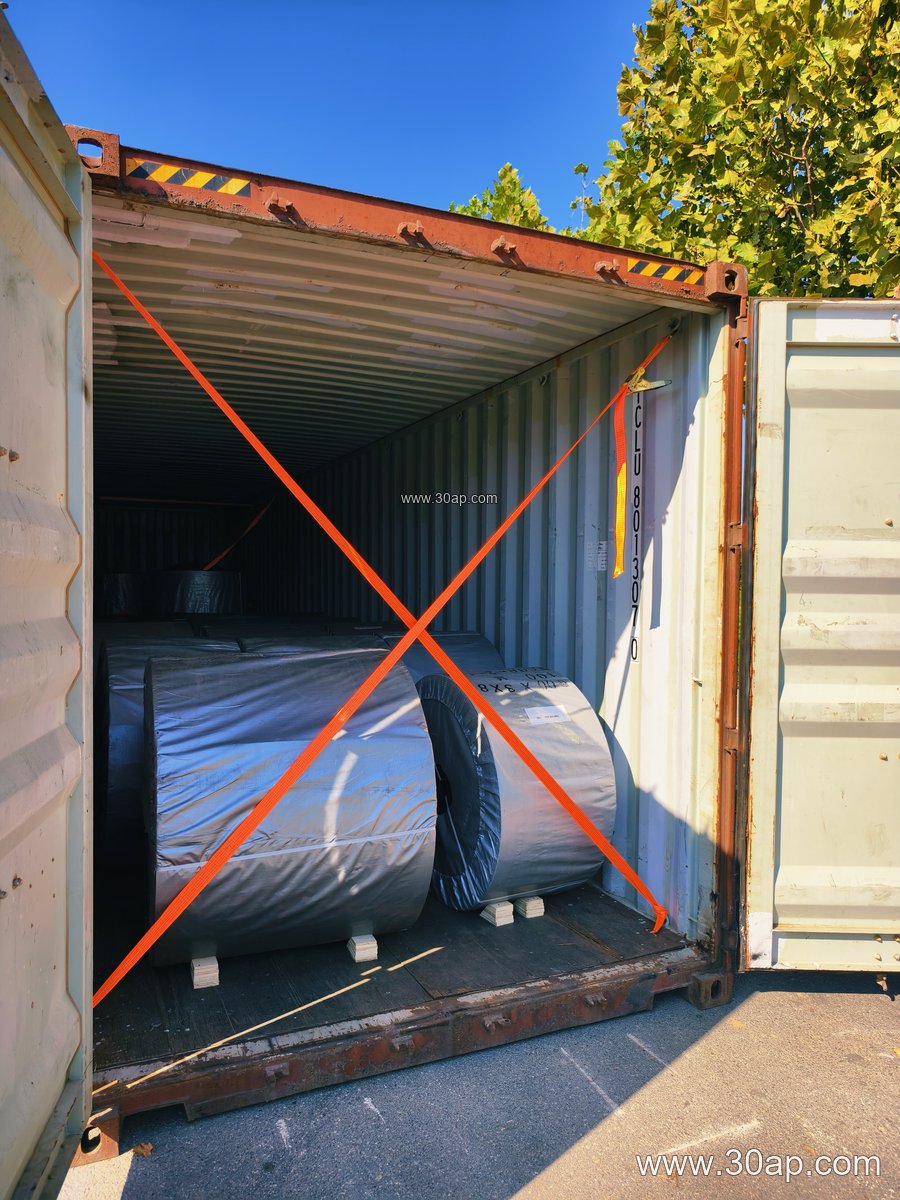
Construction and Cover Options
The belt combines three functional layers in one composite structure:
- Solid woven carcass — a tightly woven fabric that carries the tension load and holds the belt together under shock loading.
- PVC impregnant — fills the weave to seal the carcass and improve flexibility and moisture resistance.
- Cover rubber or PVC cover — protects the carrying and pulley sides from abrasion, impact and, where required, fire.
Cover grades are selected by the duty. A flame retardant conveyor belt grade is common for coal mining conveyor belts and underground coal mining conveyor belts, while anti-static conveyor belt properties are often specified alongside it. For abrasive stone and ore, an abrasion resistant conveyor belt cover extends service life. Heat resistant conveyor belt and oil resistant conveyor belt versions exist in the wider PVG family, but the standard PVG800S is usually supplied with general-purpose or fire-retardant covers.
Typical Parameters and Size Range
Values below are common reference points; actual figures are confirmed by the manufacturer and by conveyor design. They are not universal specifications.
| Parameter | Typical Reference Range |
|---|---|
| Belt type | PVG800S solid woven PVC conveyor belt |
| Strength class | 800 N/mm class (PVG800 family) |
| Belt width | B650, B800, B1000, B1200, B1400, B1600 (others by design) |
| Cover thickness | 3+1.5 mm, 4+2 mm, 5+2 mm, 6+2 mm |
| Carcass | Solid woven, single body construction |
| Common cover grades | Flame retardant, anti-static, abrasion resistant |
Width selection should follow the conveyor frame and the lump size of the material, not a fixed rule. A 1000mm or 1200mm belt is common on main haulage lines in coal and cement plants, while narrower 800mm belts appear on secondary and transfer conveyors. Belt width and pulley diameter are matched through conveyor design calculations, so one width does not dictate one pulley size.
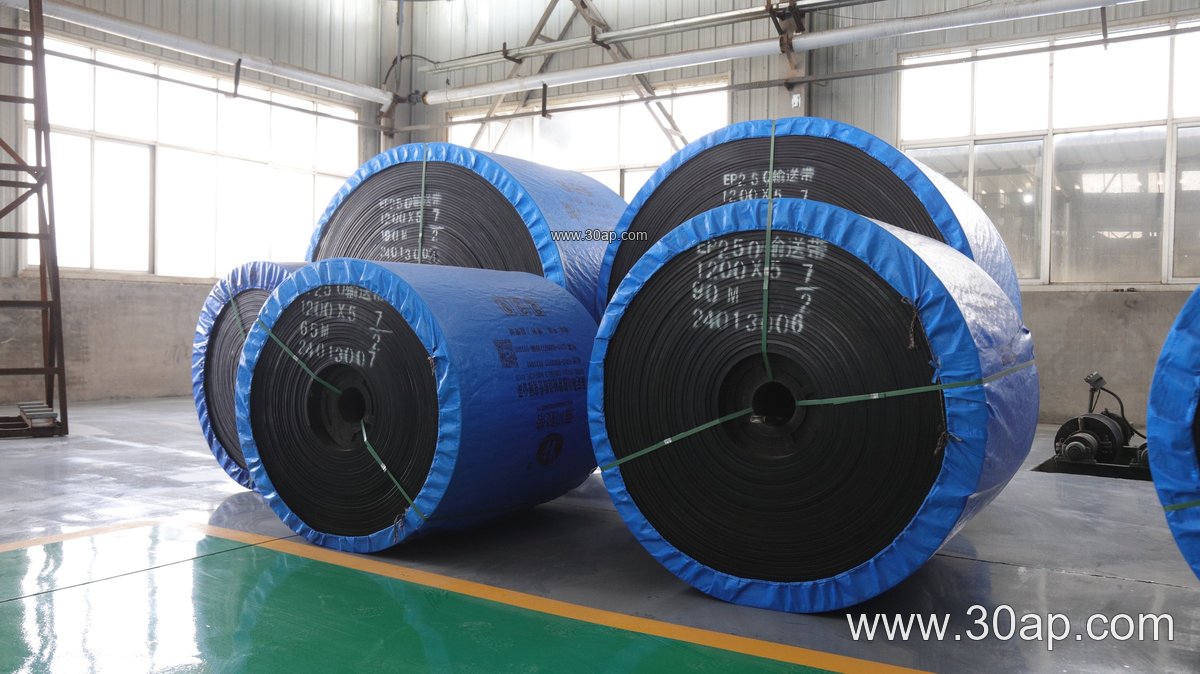
Where It Fits in the Plant
The PVG800S belt is at home in underground coal mining, where flame resistance and anti-static behavior matter, and in surface operations such as coal preparation plants, cement plants, power plant coal yards, and quarry and aggregate lines feeding crushers and screens. It also appears in sand making plants and bulk material terminals handling stone, ore and similar cargo.
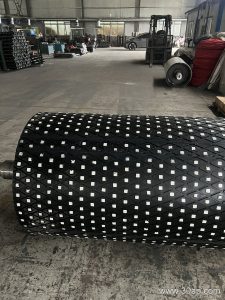
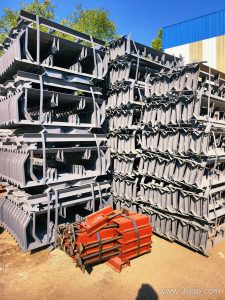
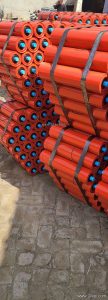
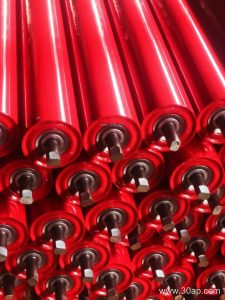
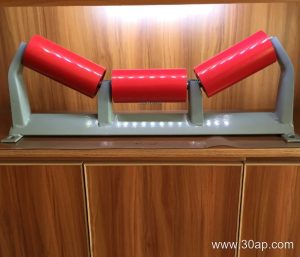
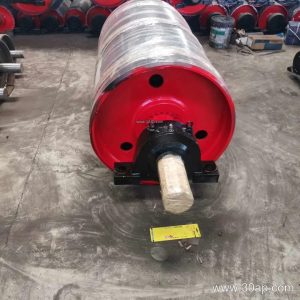
On these systems the belt runs over conveyor pulleys — drive pulleys, tail pulleys and bend pulleys — and is supported by idler rollers mounted on conveyor brackets. Each of these components has its own selection criteria; a drive pulley, for example, is sized for torque and wrap angle, while a bend pulley is chosen for direction change. The belt specification and the pulley specification are developed together, not substituted for one another.
Buyer Checklist
- Confirm the required strength class and whether PVG800S is the correct grade, or whether a PVG800 or another PVG class fits better.
- State the cover grade needed: flame retardant, anti-static, abrasion resistant, or a combination required by the site.
- Give belt width, cover thickness and overall thickness, plus the splice method the conveyor can accept.
- Describe the material: lump size, moisture, temperature and any oil or chemical exposure.
- Check pulley diameters and idler spacing against the belt manufacturer’s minimum bend recommendations.
- Ask for the manufacturer’s data sheet rather than relying on generic tables.
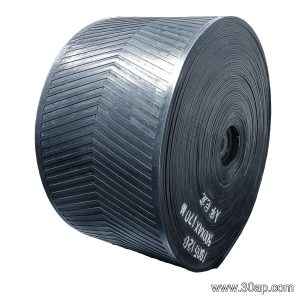
For a plant that already runs EP conveyor belts or NN conveyor belts on surface lines, the PVG800S is usually chosen where fire safety, moisture resistance or impact toughness in a single solid woven body is the deciding factor. Buyers comparing a rubber conveyor belt with a PVC solid woven belt should weigh cover wear life against flame performance and water resistance. Where a different profile is needed, a chevron conveyor belt or corrugated sidewall conveyor belt may be considered for inclined or steep sections, but those are separate products and do not replace the PVG800S on the main haul.